
Film
The Teacher and the Miracle
A widowed schoolteacher moves his son to the capital to build a better life and establish a painting school, only to discover that transformation requires sacrifice and faith in unexpected places. A 1957 Italian neorealist drama that trades melodrama for quiet moral depth—tender without sentimentality, about how small acts of teaching reshape souls.
If you liked this
Bicycle Thieves1948
The foundational Italian neorealist masterpiece. A father searches Rome for his stolen bicycle while his son watches him struggle—ordinary people, extraordinary emotional weight, zero sentiment wasted.
But Shot in natural light with non-professional actors, it can feel austere if you're expecting conventional drama. The ending sits with you uncomfortably.

Umberto D.1952
Vittorio De Sica's most painful film: an elderly pensioner and his dog navigate Rome's indifference. It's about dignity under pressure, told with ruthless tenderness and almost no plot.
But Very slow, very sad, and it doesn't offer easy comfort. The cruelty of poverty is the whole point.

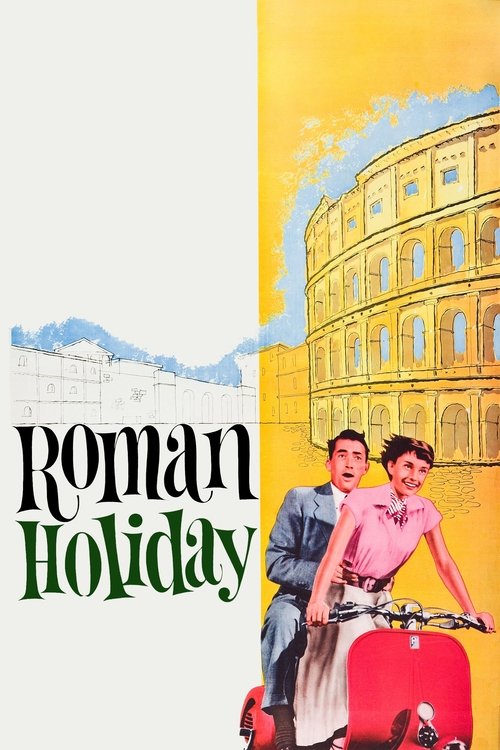
Roman Holiday1953
A princess escapes her duties for one day in Rome with an American journalist. Charming, funny, gorgeously shot, and it captures Rome as a place where lives can briefly transform.
But It's romantic comedy, so if you want neorealist bite you won't find it here. The ending prioritizes duty over desire.
Not sure tonight? Get a pick in a minute, starting from The Teacher and the Miracle
The wildcard
Something you would not have found on your own.
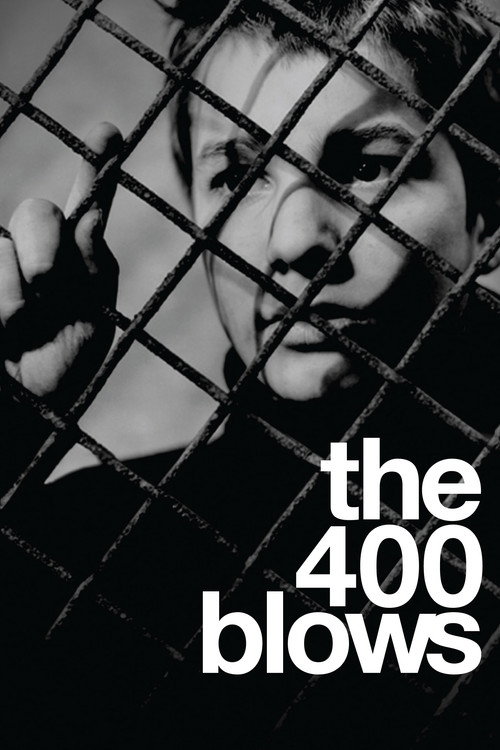
The 400 Blows1959
Both centre on a single adult (teacher/father figure) and a boy, and both argue that transformation requires loss alongside hope. Structurally similar, tonally different.
Truffaut's film about a troubled Parisian boy sent to boarding school. Another teacher-and-student story, but inverted: here the adult fails the child, not the reverse. Both films believe education can transform, but understand its fragility.
But French New Wave aesthetics mean it feels formally restless compared to Italian neorealism. Some will find it more interested in style than outcome.
More like this (7)
The Leopard1963
Luchino Visconti's epic about an Italian nobleman navigating a changing nation. Stunning cinematography, moral complexity, and a protagonist learning that the world has moved beyond him.
But Nearly three hours, operatic in tone, and you need to sit with its deliberate pacing. The palette can feel cold.

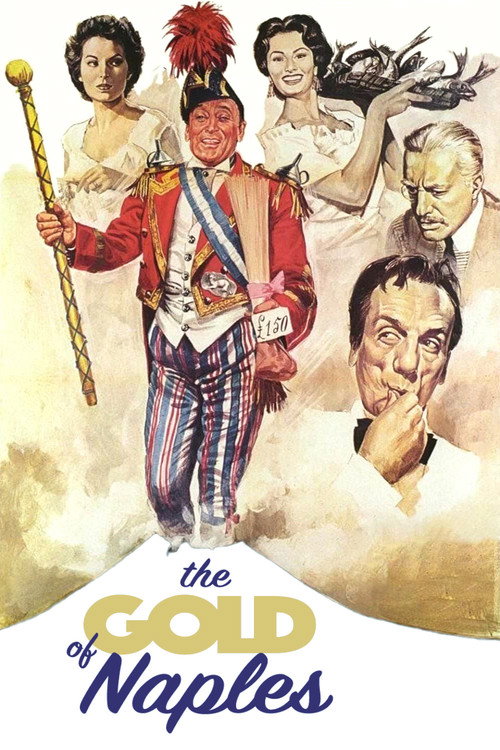
The Gold of Naples1954
De Sica's episodic film set in Naples, each story a small miracle of tenderness or comedy. Six vignettes that move between heartbreak and absurdity without warning.
But Anthology structure means no character gets full development. Tonal whiplash between segments might feel disjointed.
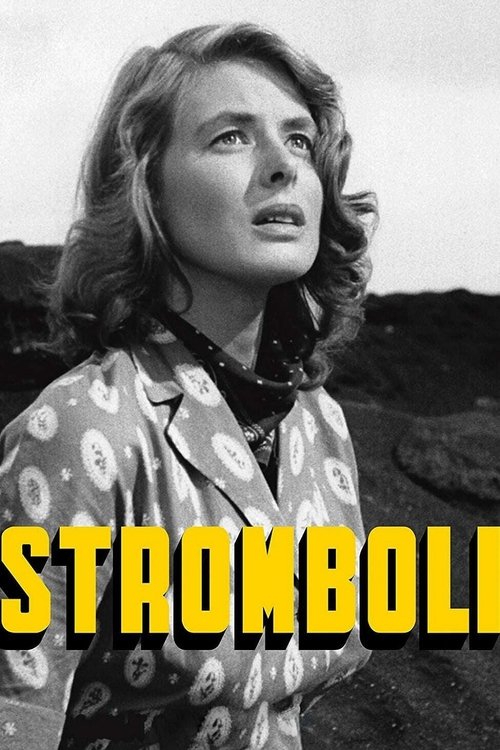
Stromboli1950
Rossellini's portrait of a woman exiled to a volcanic island with a fisherman she barely knows. Existential, austere, about how geography and circumstance shape identity.
But Bleak and alienating by design. There's no comfort here, and the marriage at its centre is more trap than romance.
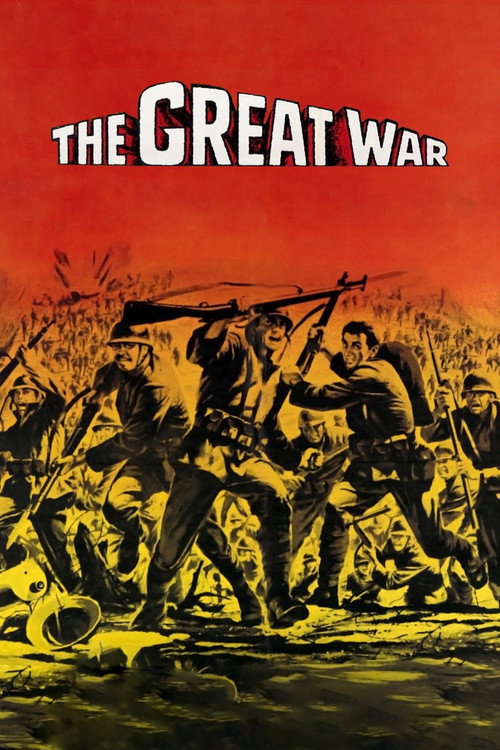
The Great War1959
Two working-class conscripts navigate the First World War with dark humour and mutual loyalty. Humanises the grunt's experience without flinching at what it costs.
But Italian war film, so the pacing is deliberate and some scenes are graphic. Doesn't resolve into heroism.
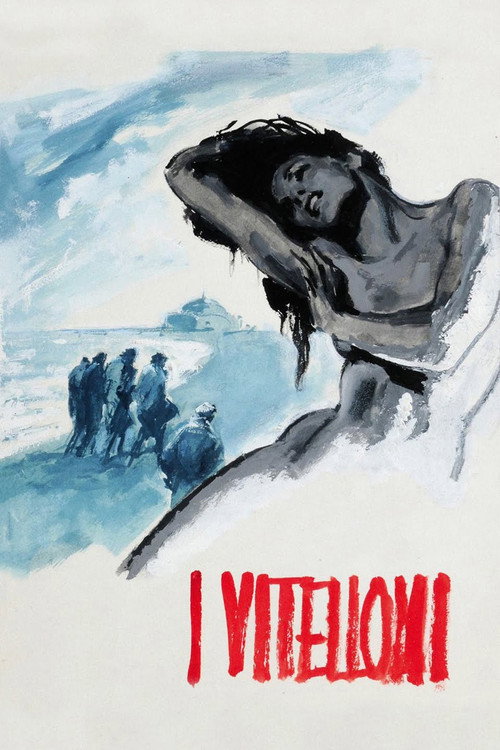
I Vitelloni1953
Fellini's film about five young men drifting through a seaside town, avoiding adulthood. It's funny and sympathetic, capturing the anxiety of people who know they should be changing.
But Episodic, no real plot, and one character's arc ends abruptly. Some scenes feel indulgent even by Fellini's standards.
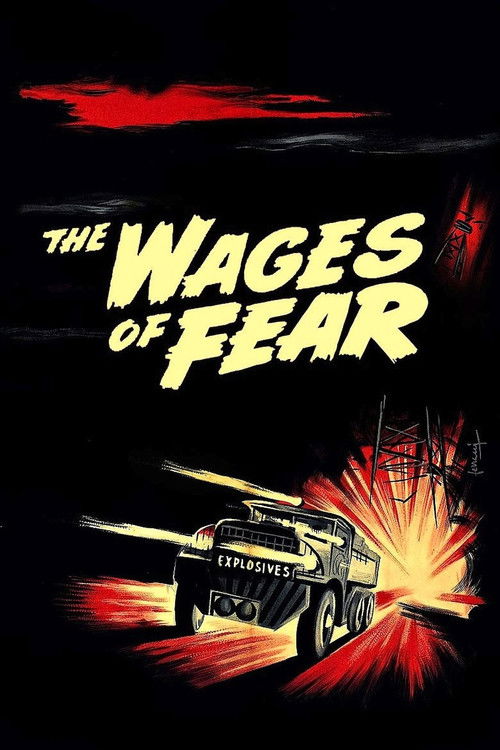
The Wages of Fear1953
Both follow men redesigning their lives through work and willpower. One believes in transformation through hope and connection; the other in survival through grit and acceptance of ugliness.
Clouzot's masterpiece about four men driving nitroglycerine across a South American wasteland. Also about men trying to build better futures, but through complicity and moral compromise instead of teaching. Dark mirror.
But Brutal, claustrophobic, and the tension is almost unwatchable. There are no good choices, only survivable ones.
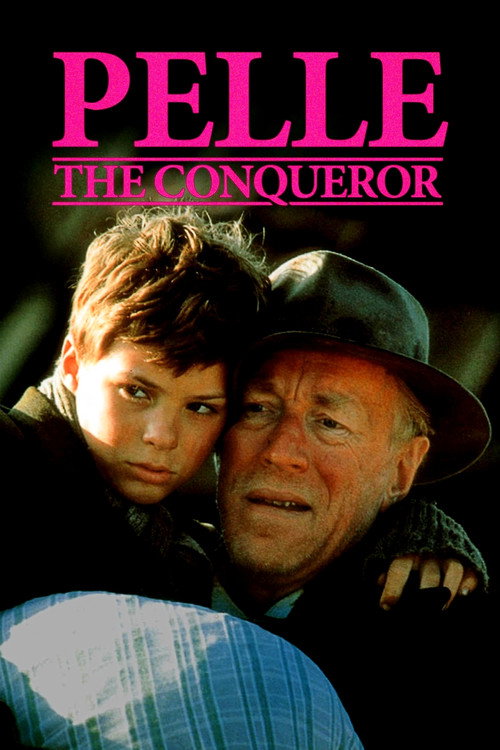
Pelle the Conqueror1987
Another immigrant story about a parent building a future for a child through labour and faith. But it's Scandinavian, contemporary with the original, and formal where its Italian cousin is observational.
A Swedish film about a father and son emigrating to America in search of dignity. Shot in luminous colour, operatic in scope, it echoes the Italian neorealist project but in Nordic key—slower, colder, more mythic.
But Nearly two hours and meditative rather than dramatic. The father's journey outweighs the son's, which some will find frustrating. Demands patience.
People
Cast
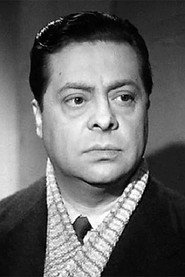 Aldo FabriziGiovanni Merino
- Edoardo NevolaAntonio Merino
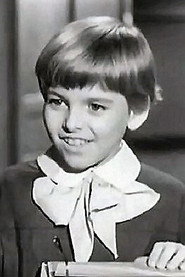 Marco PaolettiGabriele
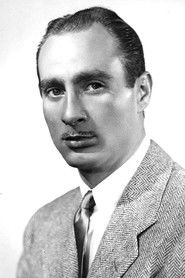 Alfredo MayoPreside
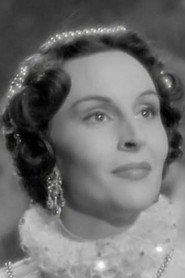 Mary LamarMaestra Luisa
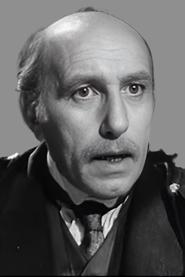 Félix FernándezGiulio il bidello
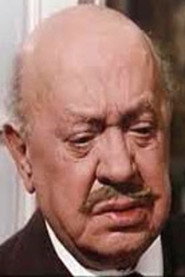 Julio SanjuánDottore
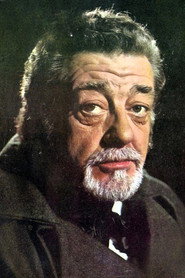 José CalvoTassista
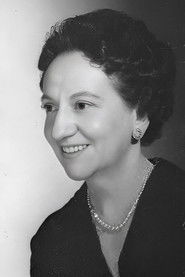 Julia Caba AlbaGiulia la portiera
Directing
- Sergio LeoneAssistant Director
- Aldo FabriziDirector
Writing
- Aldo FabriziWriter
- José GallardoWriter
- Luis LucasWriter