
Film
The Great War
Other titles called The Great War: the 1964 series (BBC Two).
A sweeping Italian comedy-drama about two working-class men conscripted into World War I, determined to dodge the draft. Tonally restless—it lunges between slapstick, camaraderie, and genuine horror—it captures the chaos and absurdity of war through the eyes of men who never wanted to be there. For anyone who loves films that refuse easy categories.
Should you watch it?
Watch it if you love war stories where a pair of scoundrels bluff, bicker and blunder their way through catastrophe, so that the laughter keeps catching in your throat the way a good Italian comedy of the 1950s does.
Skip it if you want the war itself front and centre; at nearly two and a quarter hours, its scenes of wit and wangling can feel long before the tone darkens.
What it asks of you: It runs a long time and takes its ease, letting its two leads spar in a loose, episodic rhythm while the jokes slowly curdle into something sadder.
Not sure? Find tonight's pick in a minute.
If you liked this
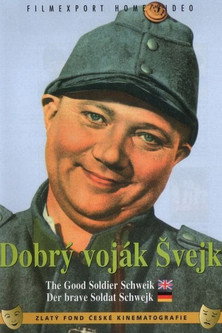
The Good Soldier Švejk1957
A Czech classic about a bumbling conscript navigating WWI bureaucracy with anarchic humor and deadpan absurdism. Like *The Great War*, it finds comedy in the gap between military order and human reality.
But Black-and-white, subtitled, and deliberately episodic—it meanders rather than builds, which tests patience.
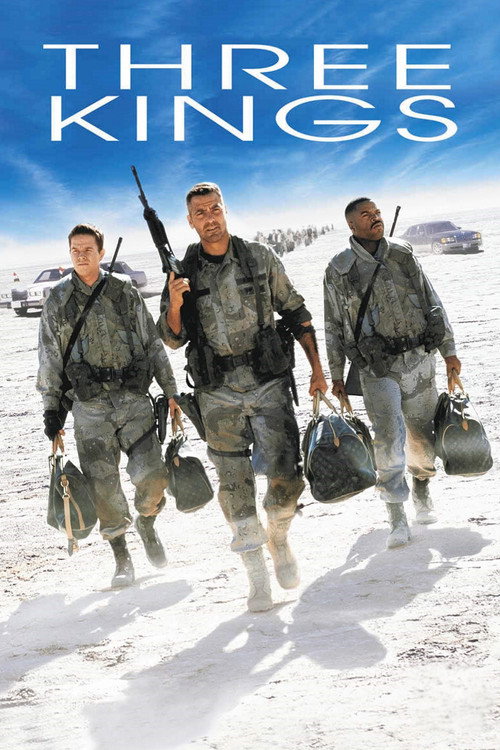
Three Kings1999
American soldiers in the 1991 Gulf War stumble toward moral clarity through chaos and dark comedy. It shares *The Great War*'s refusal to be a simple war film, mixing tones with real consequences underneath.
But Violent and politically pointed in ways that can feel didactic. The tonal shifts are intentional but not always smooth.
Come and See1985
A Soviet film about a teenage partisan in WWII that begins as near-comedy and ends in apocalypse. It has *The Great War*'s willingness to shift register violently, showing how war breaks the people it touches.
But Harrowing and visually punishing. Not entertainment; it's a crucible. Demands emotional stamina.

Not sure tonight? Get a pick in a minute, starting from The Great War
The wildcard
Something you would not have found on your own.
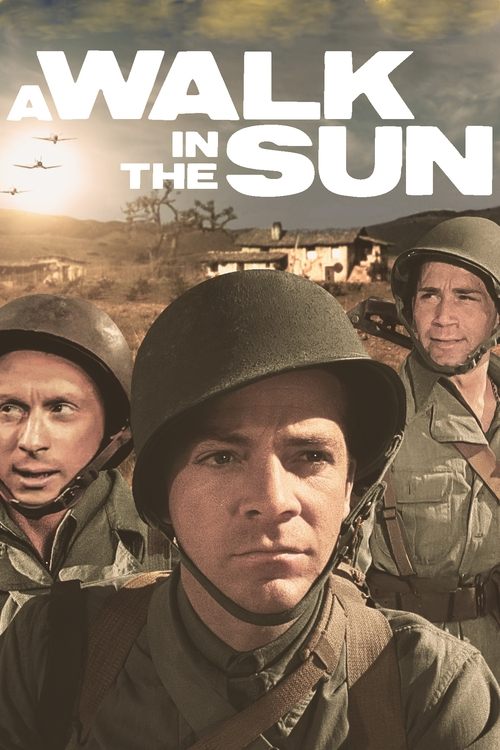
A Walk in the Sun1945
Both films treat war as a structure of waiting, boredom, and minor degradations interrupted by terror. Neither has a hero—just survivors.
An American WWII platoon trudges one day toward an objective. It's radically quiet—no heroics, just endurance and small talk. The structure is almost identical to *The Great War*: ordinary men, absurd circumstances, comedy that never quite kills the dread.
But Nothing much happens. The stakes feel invisible. If you want climax and crescendo, this will frustrate you deeply.
More like this (7)
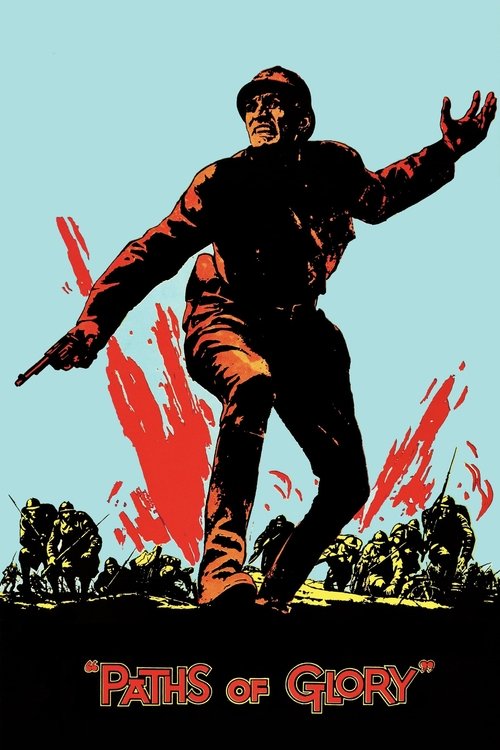
Paths of Glory1957
Kubrick's WWI drama about injustice and sacrifice, with Spartacus-era Kirk Douglas. It has the same anger at military absurdity that *The Great War* contains, but channels it into tragedy rather than comedy.
But More austere and less funny. The moral argument can feel predetermined, and the pacing is deliberate.
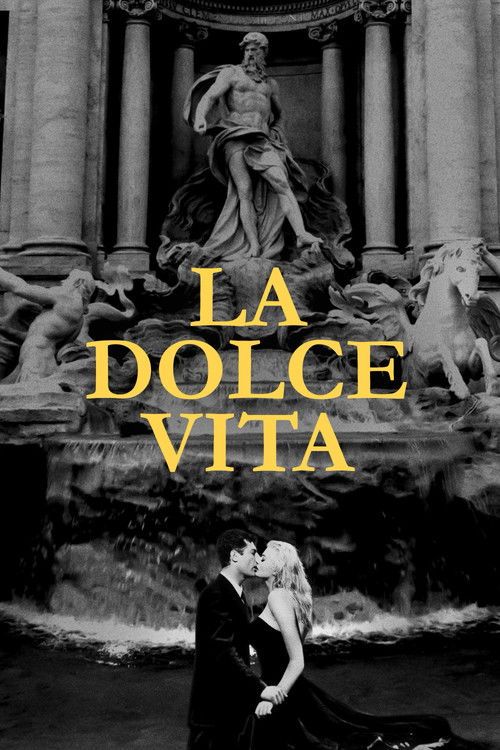
La Dolce Vita1960
Fellini's Italian masterpiece about aimless pleasure-seekers in Rome, made just after *The Great War*. Both films capture postwar Italian identity through ensemble comedy-drama and wandering structure.
But Three hours, heavily digressive, and deliberately shallow in its characters. The style matters more than plot.
The Battle of Algiers1966
A docudrama about revolution and urban warfare that refuses to glorify combat. Like *The Great War*, it shows how ordinary people get caught in historical machinery not of their making.
But Shot like journalism and feels austere. The political argument is clear, which some find heavy-handed.

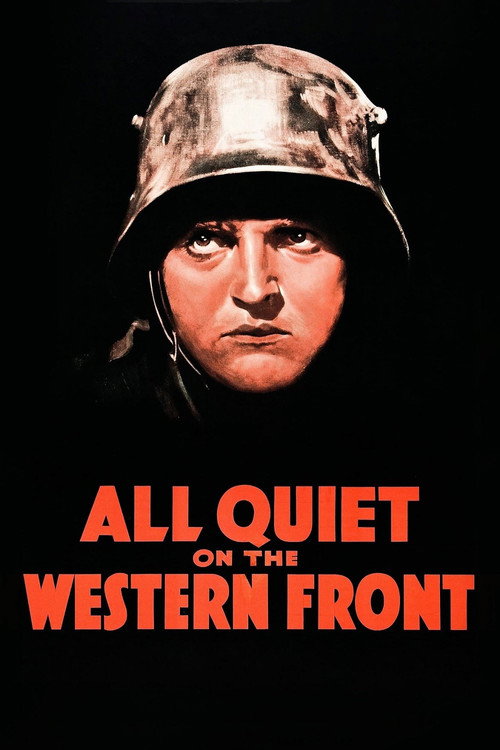
All Quiet on the Western Front1930
The definitive early WWI film—German soldiers' humanity in the trenches. *The Great War* is partly in conversation with this, offering an Italian perspective on the same butchery.
But Slow by modern standards. The power comes from accumulation, not incident, which tests attention.
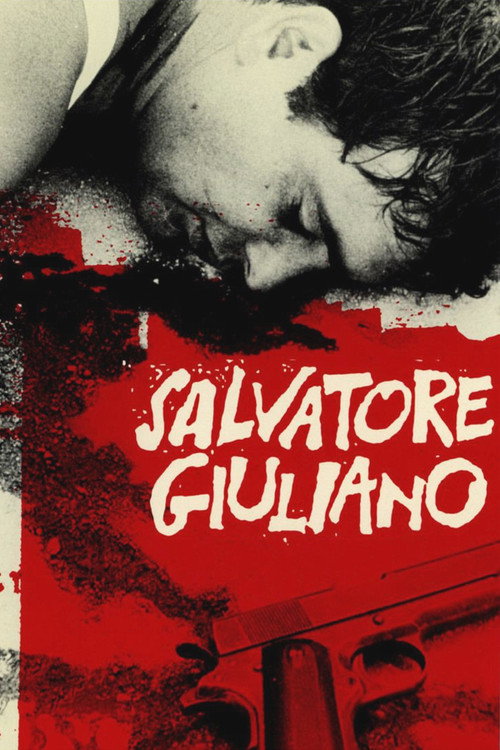
Salvatore Giuliano1962
Rosi's Sicilian crime-drama reconstructs a murder in fragmented, essayistic fashion. Like *The Great War*, it's Italian, skeptical of authority, and uses genre to ask serious questions about power.
But The narrative is deliberately obscured. You're asked to piece together truth from fragments, which can feel frustrating.
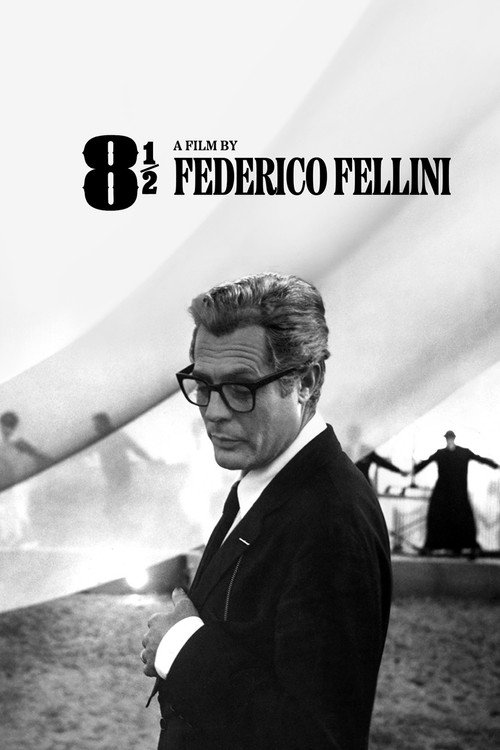
8½1963
Fellini again, later. A film director's breakdown becomes a meditation on creation and failure. Thematically distant from *The Great War*, but the same genius for turning chaos into cinema.
But Notoriously difficult. The dream logic alienates viewers who want story. Feels more like an experience than a narrative.
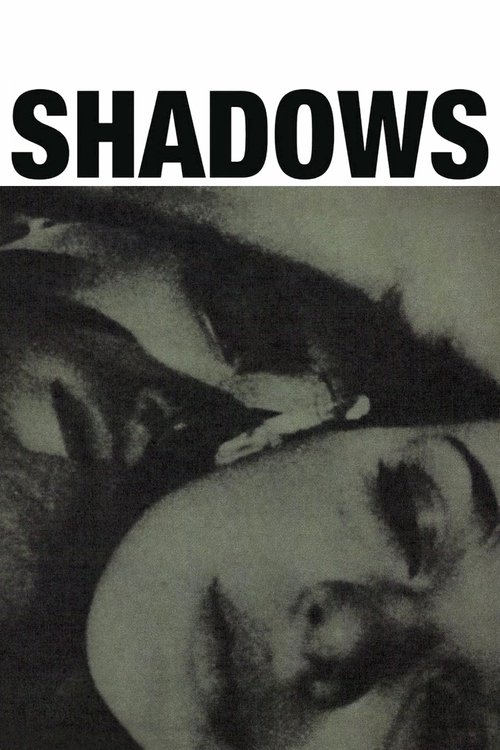
Shadows1960
Both are 1959 films that blow up genre from inside. Both trust their actors completely. Both suggest that life doesn't resolve—it just keeps moving.
Cassavetes' improvised New York drama about race, identity, and three siblings navigating jazz culture. Exactly the same year as *The Great War*, but a continent and an aesthetic away—grainy, handheld, alive with jazz and argument. Same refusal of easy categories.
But The plot is genuinely hard to follow; scenes repeat; the dialogue overlaps. It was improvised and feels it. Looks like an accident.
People
Cast
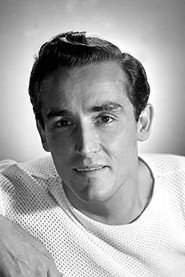 Vittorio GassmanGiovanni Busacca
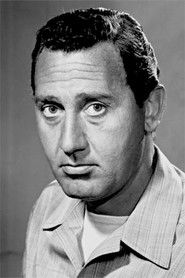 Alberto SordiOreste Jacovacci
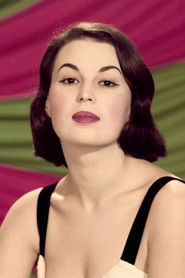 Silvana ManganoCostantina
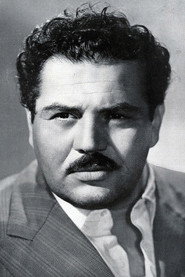 Folco LulliBordin
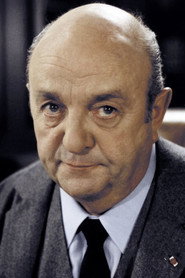 Bernard BlierCapitano Castelli
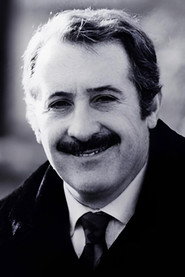 Romolo ValliTenente Gallina
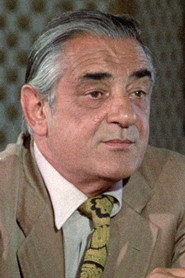 Vittorio SanipoliMaggiore Venturi
 Nicola AriglianoGiardino
 Mario ValdemarinSottotenente Lorenzi
 Tiberio MitriMandich
 Livio LorenzonSergente Barriferri
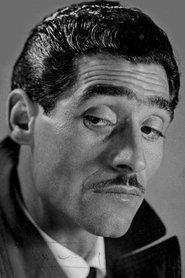 Tiberio MurgiaRosario Nicotra
Directing
- Mario MonicelliDirector
- Mario MaffeiFirst Assistant Director
- Silvana Mangini ColizziScript Supervisor
- Giovanni FagoSecond Assistant Director
- Maurizio LucciSecond Assistant Director
Writing
- Agenore IncrocciDialogue
- Furio ScarpelliDialogue
- Agenore IncrocciScreenplay
- Furio ScarpelliScreenplay
- Luciano VincenzoniScreenplay
- Mario MonicelliScreenplay
- Agenore IncrocciStory
- Furio ScarpelliStory
- Luciano VincenzoniStory
- Mario MonicelliStory
Production
- Luigi De LaurentiisLine Producer
- Dino De LaurentiisProducer
- Alfredo De LaurentiisProduction Manager
- Giorgio AdrianiProduction Manager
- Giorgio MorraUnit Manager
Recommended by
Unsere Mütter, unsere Väter, Stalingrad, The Teacher and the Miracle, The Sword of El Cid, The Shortest Day