
Film
Stalingrad
- War action
- Very dark
Joseph Vilsmaier's 1993 *Stalingrad* follows a German platoon through the apocalypse of urban warfare, watching men fracture under impossible circumstances. It's brutally intimate—mud, cold, hunger, the slow erosion of hope—shot with unflinching realism. Not propaganda or apology, but a portrait of ordinary soldiers trapped in catastrophe. Essential for anyone serious about war cinema.
Should you watch it?
Watch it if you want a claustrophobic, unflinching war story told through a small group of ordinary soldiers, where the grinding texture of daily survival matters more than battle strategy.
Skip it if you need fast action or a clear view of the wider war, since this stays close to one unit and its misery for over two hours.
What it asks of you: A long, slow sit with sustained dread and little relief; it asks you to stay in the mud and cold rather than wait for it to lift.
Not sure? Find tonight's pick in a minute.
If you liked this
Come and See1985
A Soviet film that enters the psychological devastation of WWII through a young partisan's eyes. Like *Stalingrad*, it refuses to aestheticize violence or offer redemption—just the obliteration of innocence by war itself.
But Graphically disturbing and emotionally punishing. Not a film that lets you sit safely; it demands you feel the weight of what you're watching.

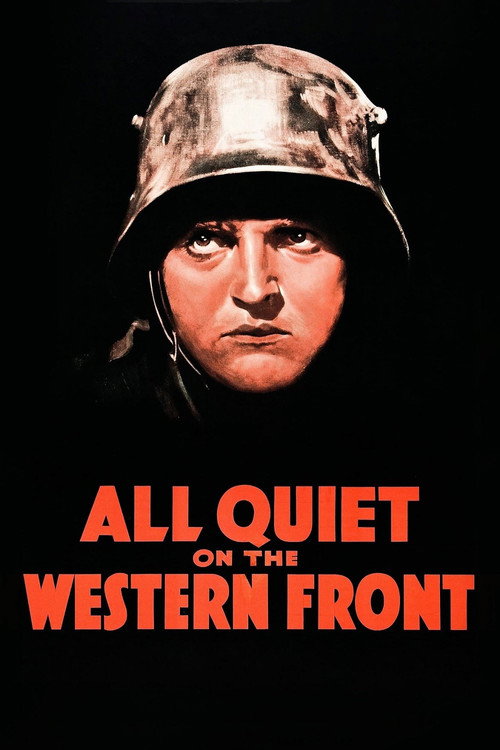
All Quiet on the Western Front1930
The template for soldier's-eye-view war cinema. Shows how ordinary men are fed into machinery. Similar structure, similar moral clarity about waste and futility, but WWI and with the added power of being groundbreaking.
But At 150 minutes and in soft focus, it can feel distant. The 1979 version is sharper if you want less mediation between you and the horror.
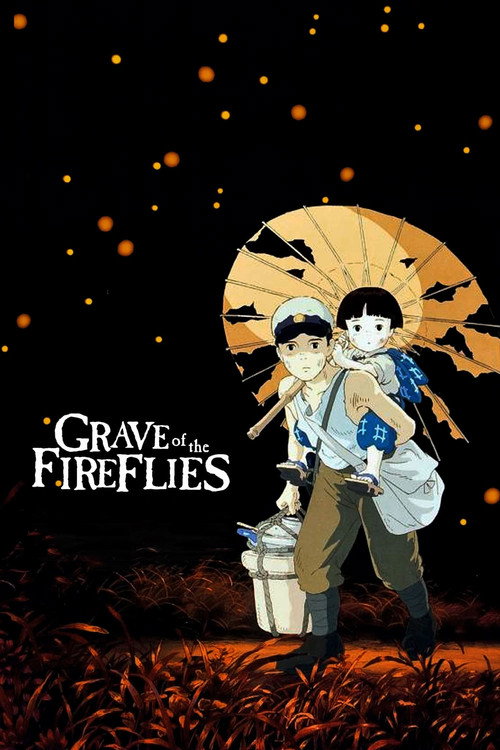
Grave of the Fireflies1988
Japanese animated film about two siblings surviving the fire-bombing of their city. Same refusal of comfort or nationalist mythology; same intimate focus on ordinary people crushed by enormous forces. Devastating.
But Animation might seem to soften the blow—it doesn't. Some find the hand-drawn medium makes the suffering feel even closer. And it ends where you know it will.
Not sure tonight? Get a pick in a minute, starting from Stalingrad
The wildcard
Something you would not have found on your own.
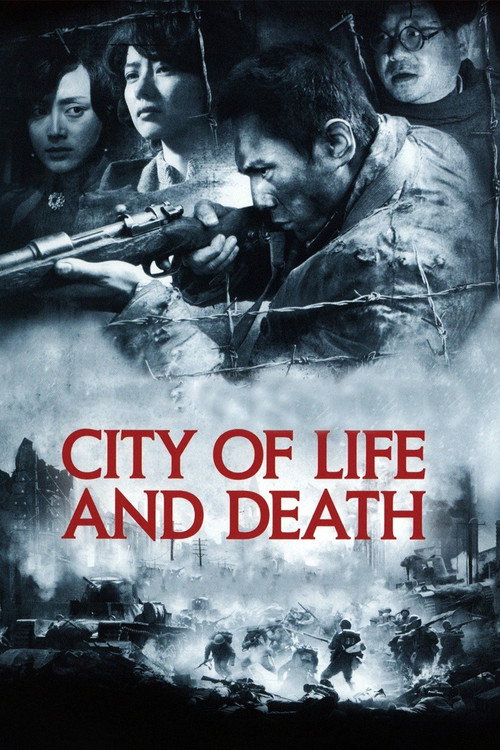
City of Life and Death2009
Both films use German characters and perspectives to examine how ordinary men function within systems of atrocity. Both refuse nationalism or victimhood narratives in favor of human psychology under pressure.
Chuan Lu's black-and-white account of the Nanjing massacre from multiple perspectives—Japanese soldiers, Chinese civilians, a German businessman. Like *Stalingrad*, it treats ordinary men committing atrocities with moral seriousness rather than easy condemnation. Extraordinarily restrained.
But Unflinching footage of real suffering. Some critics found the formal distance cold. And the subject matter—genocide—pushes beyond even *Stalingrad*'s bleakness.
More like this (7)
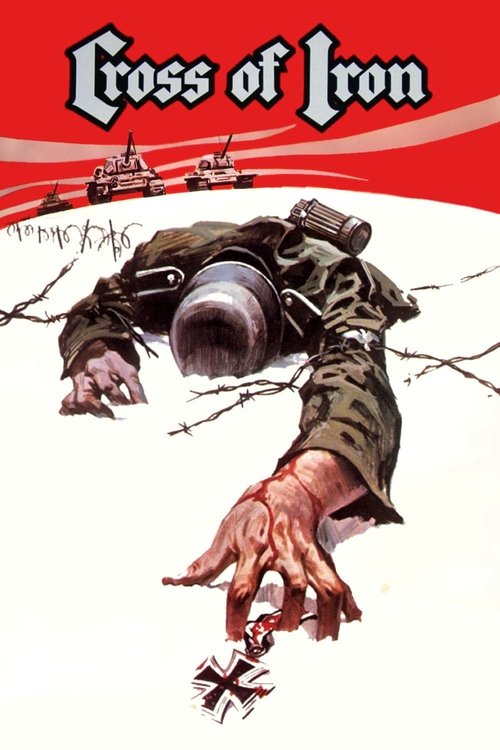
Cross of Iron1977
Peckinpah's German war film: grimy, cynical, obsessed with the psychology of men under fire. Follows a platoon on the Eastern Front with the same unglamorous eye Vilsmaier uses. Influenced a generation of war cinema.
But Heavy on testosterone and individual heroism—dated in ways *Stalingrad* isn't. Less interested in collective trauma than in the alpha among the doomed.
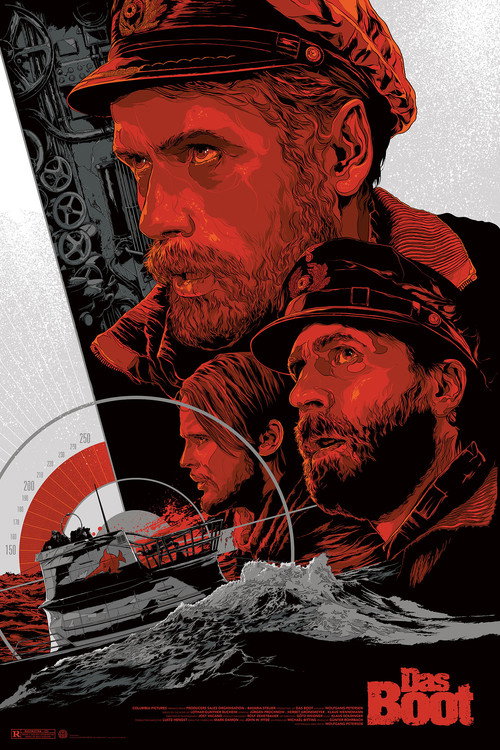
Das Boot1981
A submarine becomes a claustrophobic pressure cooker. Like *Stalingrad*, it's about men bonding and fracturing under conditions designed to break them. The tension comes from the psychology, not just the explosions.
But Three-hour runtime and long stretches of technical procedure. Some find the submarine's intimacy claustrophobic in a bad way, not a compelling one.
The Ascent1977
Larisa Shepitko's devastating portrait of two Soviet partisans facing execution. Spiritual, moral, uncompromising. Shares *Stalingrad*'s refusal to simplify suffering or resolve it with heroics.
But Extremely slow and internally focused. If you're looking for narrative momentum or clear plot, this will frustrate you.

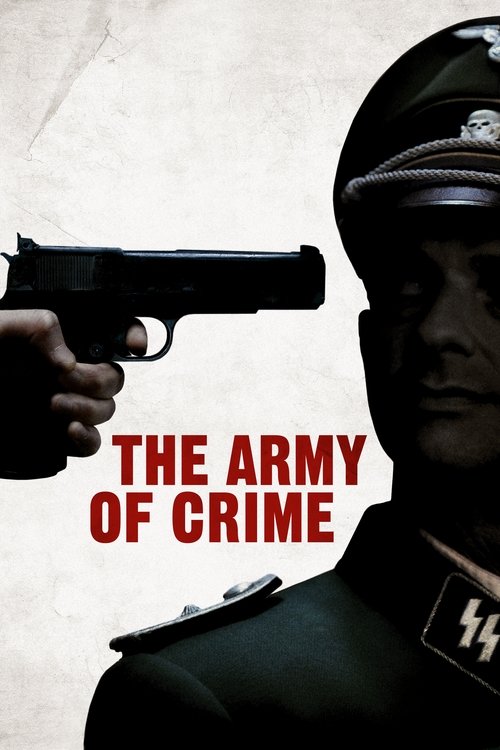
Army of Crime2009
French Resistance fighters during occupation. Focuses on the ordinary tactical desperation of resistance and the moral weight of choosing violence. Humanizes without romanticizing, like *Stalingrad* does for soldiers.
But French-language and historically precise to a point that can feel didactic. The resistance-as-resistance framework is very different from the prisoner-of-war survival story.
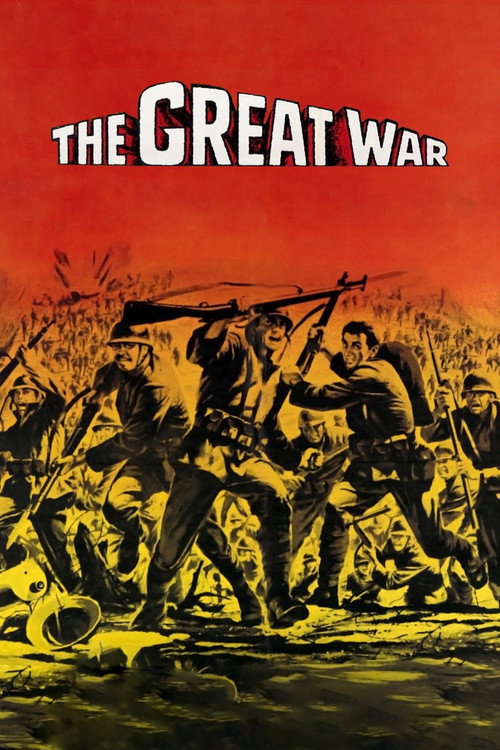
The Great War1959
Italian film about two soldiers on the front lines. Humanist, anti-heroic, focused on friendship and survival rather than glory. Similar structure and moral stance to *Stalingrad*, just a different war and era.
But Italian neorealism can feel slow if you're not attuned to it. The film moves at the pace of exhaustion, which is the point but also taxing to sit through.
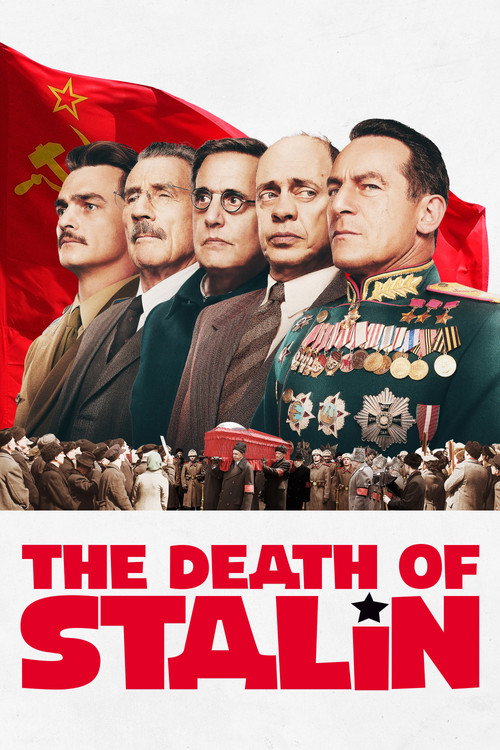
The Death of Stalin2017
Both are Soviet and post-Soviet films about Germans or Soviet leadership during or after WWII, examining institutional cruelty and individual powerlessness through the eyes of men trapped in hierarchy.
Armando Iannucci's black-and-white Soviet comedy-drama about the power vacuum after Stalin dies. Totally different register—darkly funny, Kafkaesque—but obsessed with the same question: how do men navigate loyalty, survival, and complicity in brutal systems?
But Formally a comedy, which will feel jarring if you want to stay in the tragic register. Some found the satire dismissive rather than illuminating.
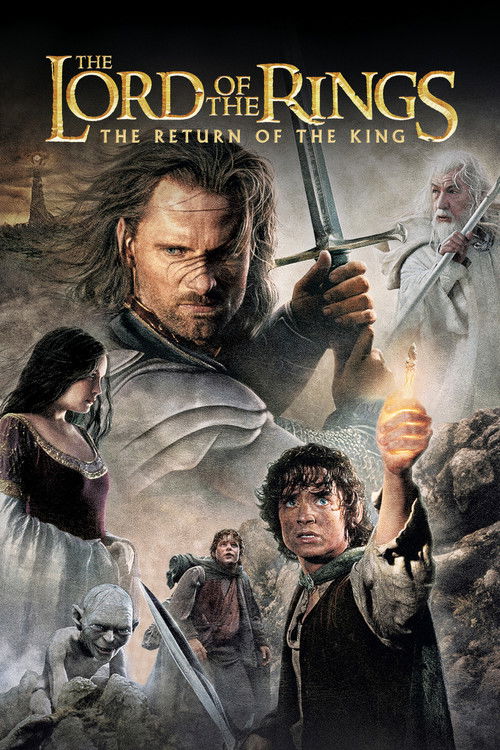
The Lord of the Rings: The Return of the King2003
Both are Russian films about masculine relationships tested by arbitrary authority and survival conditions. *Stalingrad* is the war; *The Return* is the aftermath in civilian life—same damage, no uniform.
Andrei Zvyagintsev's Russian film: a father and two sons on a mysterious trip, watched through their fractured relationships. It seems unrelated until you realize it's about authority, obedience, survival, and the bonds between men—the same tensions as *Stalingrad*, just stripped to their psychological essence.
But Glacially slow, symbolic to the point of opacity, and offers no resolution. Punishes plot-driven viewers and demands you sit with discomfort and ambiguity.
People
Cast
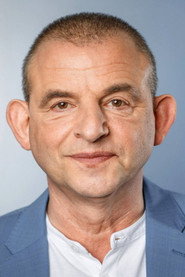 Dominique HorwitzCorporal Fritz Reiser
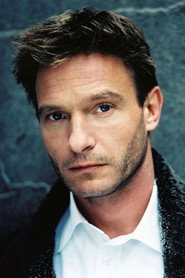 Thomas KretschmannLieutenant Hans von Witzland
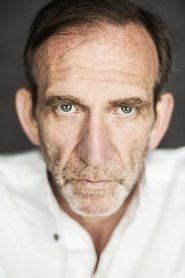 Jochen NickelSergeant Manfred 'Rollo' Rohleder
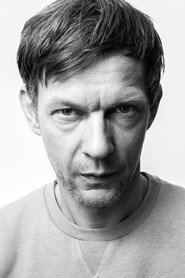 Sebastian RudolphGeGe Müller
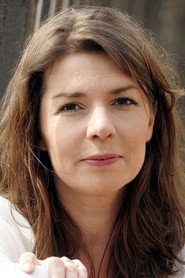 Dana VávrováIrina
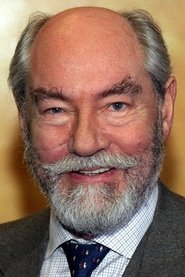 Martin BenrathGeneral Hentz
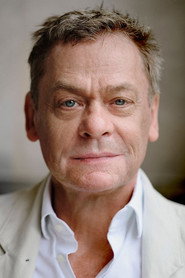 Sylvester GrothOtto
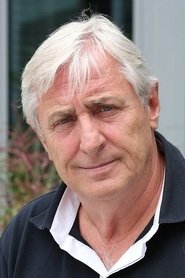 Karel HeřmánekCaptain Herman Musk
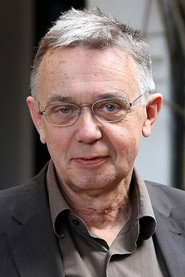 Heinz EmigholzEdgar Emigholz
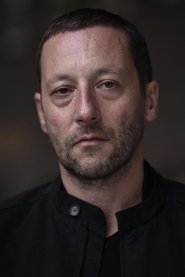
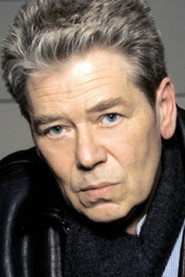 Dieter OkrasCaptain Haller
 Zdeněk VenclWölk
Directing
- Ilona BrennickeContinuity
- Sabine RiedrichContinuity
- Joseph VilsmaierDirector
- Sonja PawlowaScript Supervisor
Writing
- Johannes HeideScreenplay
- Joseph VilsmaierScreenplay
- Jürgen BüscherScreenplay
Production
- Joseph VilsmaierExecutive Producer
- Günter RohrbachProducer
- Hanno HuthProducer
- Emil SirotekProduction Manager
- Pavel NovýProduction Manager
Recommended by
The Desert Fox: The Story of Rommel, Ivan's Childhood, Cross of Iron, The Big Red One, Salon Kitty, Dark Blue World, The Young Lions, Fortress of War, T-34