
Film
The Desert Fox: The Story of Rommel
A 1951 biographical drama about Field Marshal Rommel's final years, balancing his military genius against his moral reckoning with Nazi tyranny. James Mason commands the screen in a portrait of a soldier caught between duty and conscience. It's measured, intelligent, and deeply concerned with the question of complicity—how do good people survive in evil systems?
Should you watch it?
Watch it if you are drawn to close character studies of a decent man caught inside a corrupt system, where the quiet arguments in offices and gardens carry more weight than the battlefield scenes.
Skip it if you want the desert tank battles up front; this is mostly talk, and its 1951 studio staging, with rooms full of men debating, can feel stagey and slow.
What it asks of you: At just under ninety minutes it runs short, but its scenes are long conversations held in rooms, so it wants patience with dialogue rather than constant motion.
Not sure? Find tonight's pick in a minute.
If you liked this
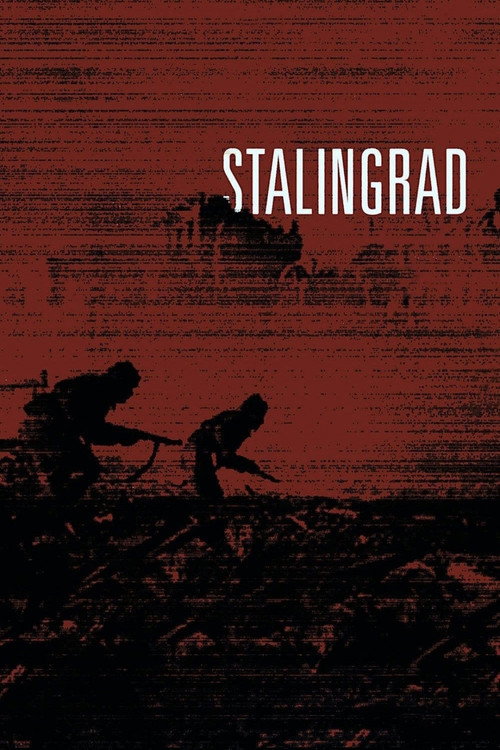
Stalingrad1993
A visceral, unflinching German perspective on the Eastern Front's horror. Like Rommel, it asks what soldiers become when they're ground into an inhuman machine. Technically brilliant and emotionally devastating.
But Extremely graphic violence and suffering. Some find its length (166 minutes) punishing rather than necessary. A bleak watch.
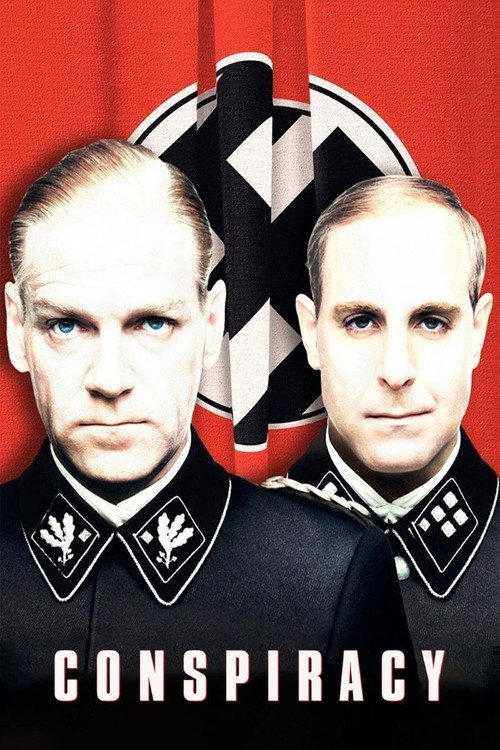
Conspiracy2001
HBO's chamber piece about the Wannsee Conference, where the Final Solution was organized. Same era, same moral weight, same focus on how ordinary bureaucrats rationalize extraordinary evil. Absolutely gripping.
But Ninety minutes of men in suits discussing genocide. Deliberately undramatic. Not for anyone wanting action or relief.
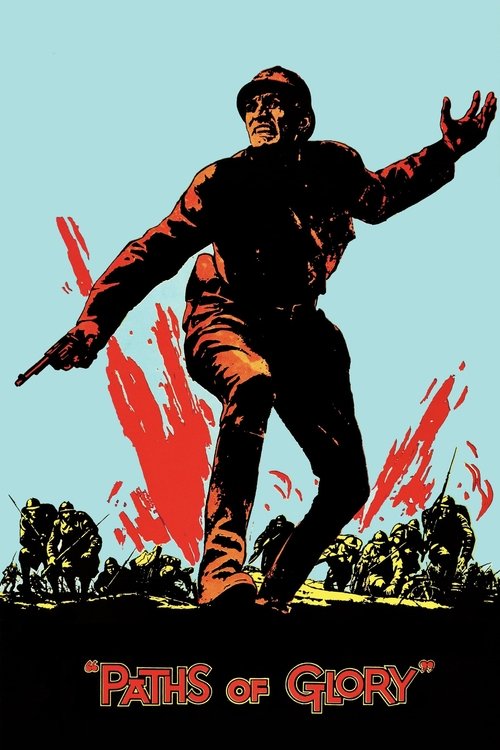
Paths of Glory1957
Kubrick's masterpiece about a general ordering a suicidal attack, then defending three scapegoats at a kangaroo court. Shares Rommel's obsession with honor, duty, and the machinery that destroys both. Peerless.
But The ending devastates some viewers to the point they can't recover. Takes its time. Pre-war structure, but the moral argument is relentless.
Not sure tonight? Get a pick in a minute, starting from The Desert Fox: The Story of Rommel
The wildcard
Something you would not have found on your own.
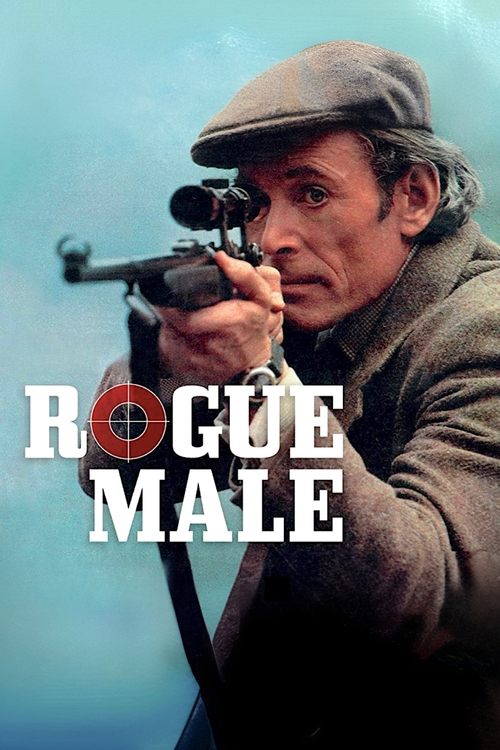
Rogue Male1976
Both center on a moment of conscience and defiance against the Reich. Both ask: what does one person do when the system demands complicity? But Rogue Male answers with wit and adrenaline instead of tragedy.
A British TV thriller: an assassination attempt on Hitler goes wrong, and the would-be killer must evade the Gestapo across Europe. It's taut, clever, and wickedly entertaining—spy fiction at its best. Made by the same company that did The Saint.
But It's TV from the '70s, so the production is modest. The tone is lighter than Rommel—more Le Carré than Tolstoy. Some want their war stories grimmer.
More like this (8)
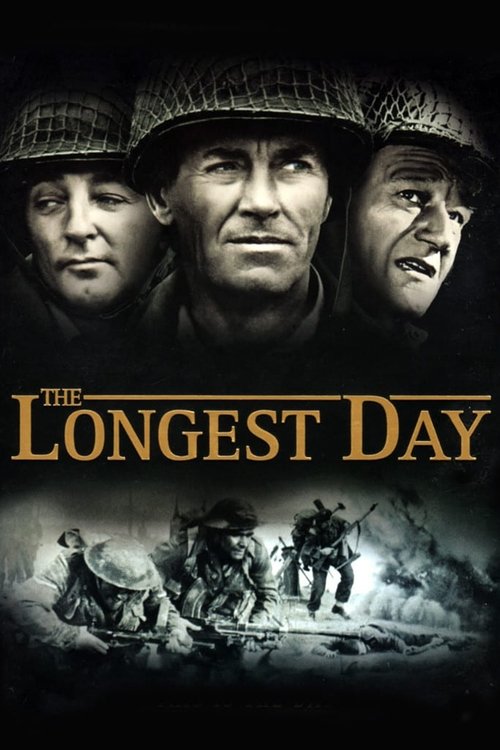
The Longest Day1962
Epic D-Day recreation with an enormous ensemble cast. Rommel actually appears (briefly, historically). It's grand, stirring, and manages to honor soldiers on both sides while never minimizing what they're fighting for.
But At 178 minutes, it sprawls. The sheer number of plotlines means some feel thin. Dated in places, though that's part of its charm.
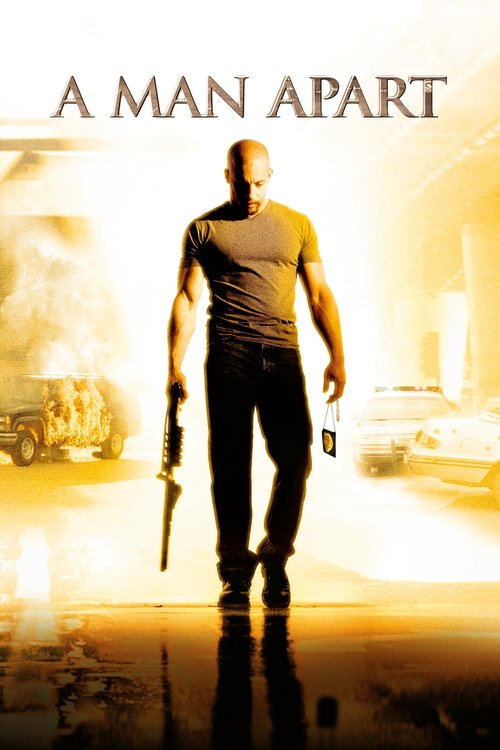
A Man Apart2003
Thornton Wilder's TV drama about a Wehrmacht general discovering his son has joined the resistance. Intimate, psychologically acute, and deeply interested in generational fracture within the military elite.
But Television, not film. Harder to find. Slower pacing than most will expect. Feels more like a play than spectacle.
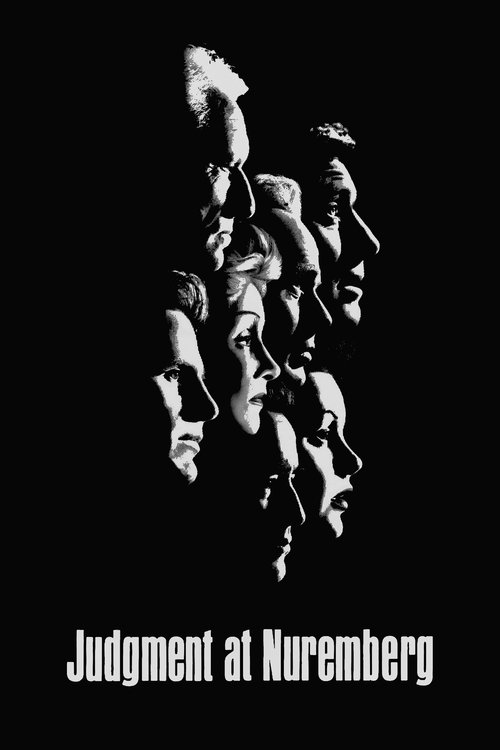
Judgment at Nuremberg1961
Stanley Kramer's trial drama with Spencer Tracy and Burt Lancaster. It grapples directly with Rommel's world: how much responsibility falls on those who obeyed orders, and who decides complicity?
But Very long (185 minutes) and very talky. Some dialogue feels lawyerly and stiff. Occasionally didactic rather than dramatically earned.
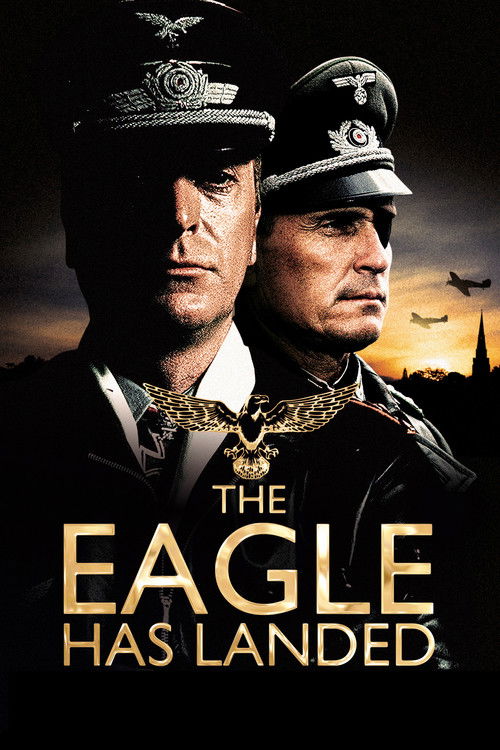
The Eagle Has Landed1976
A crackling what-if thriller: what if the Nazis had kidnapped Churchill? It's a historical fiction that takes the period seriously while delivering proper entertainment. Michael Caine is magnetic.
But Less interested in moral complexity than in heist mechanics. If you want seriousness, this pivots toward adventure. Some find it slightly pulpy.
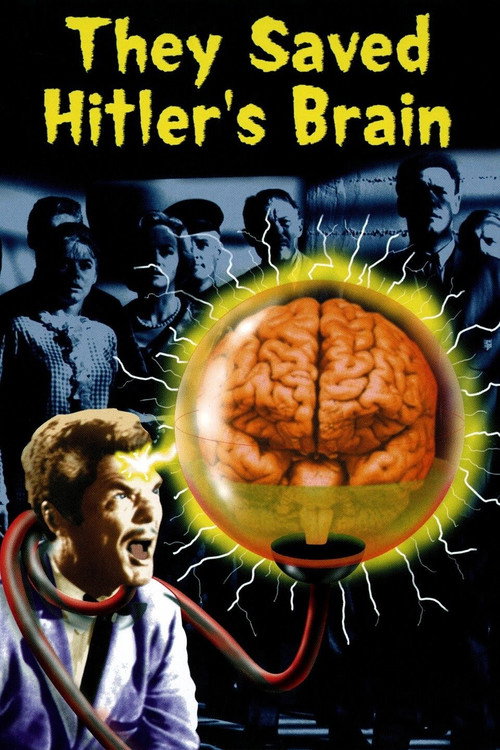
They Saved Hitler's Brain1968
Bonkers Cold War B-movie about Nazis preserving Hitler's brain. It's campy, strange, utterly sincere. A wild counterpoint to the high-minded war drama surrounding it.
But Genuinely cheap production values. The plot is nonsensical. It's funny, but not intentionally so. Not for purists.
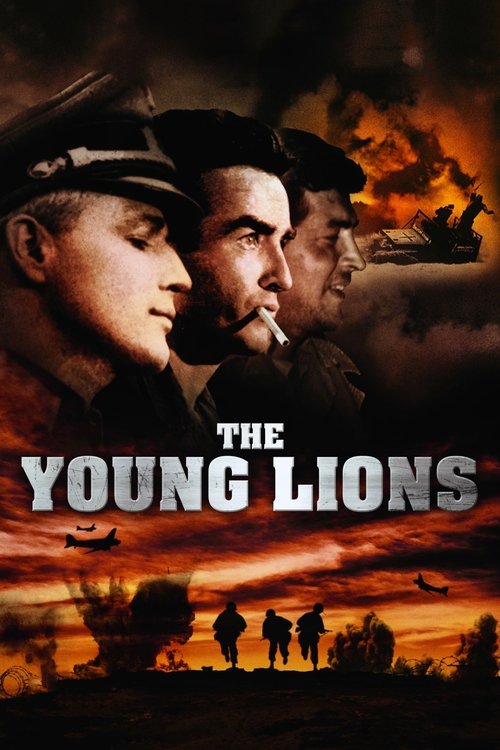
The Young Lions1958
Sprawling novel adaptation following three soldiers—American, French, and German—through the war. The German storyline (with Marlon Brando) offers a rare sympathetic portrait of a Wehrmacht officer's disillusionment.
But Nearly three hours and episodic. Some find Brando's role self-pitying. The tone shifts between plotlines can feel jarring.
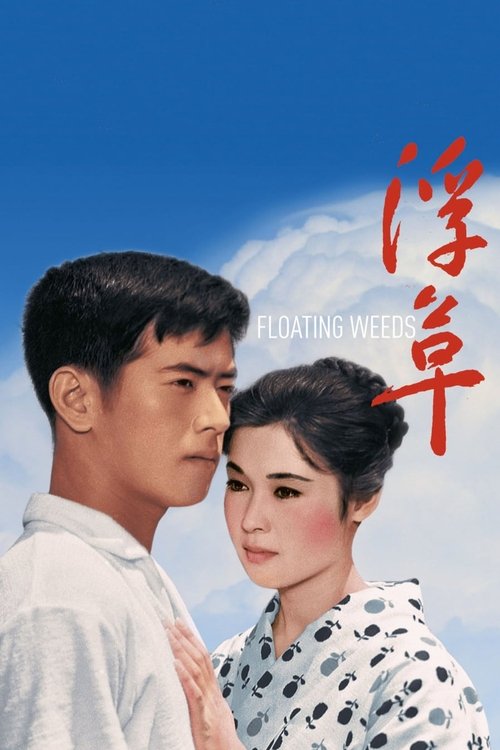
Floating Weeds1959
Both examine men in their final reckoning—assessing the choices they've made, the damage they've caused, the person they've become. Ozu's film is the interior landscape of Rommel's silence.
Ozu's stunning Japanese melodrama about an aging theater troupe leader and the child he abandoned years ago. It's about duty, regret, and the lives we fail to live. Achingly beautiful and absolutely quiet.
But Zero action, zero plot momentum. A meditation, not a narrative. Requires patience and surrender. If you're watching it for incident, you've come to the wrong place.
The Battle of Algiers1966
Like Rommel, it's obsessed with whether a good soldier can serve a bad cause, and what happens when he begins to question it. But it flips the perspective: this time you're watching the colonizer's nightmare become the colonized person's liberation.
A masterpiece of political cinema. Gillo Pontecorvo's film about the Algerian independence struggle refuses easy sides—colonizer and resistance fighter are both shown as human, strategic, moral. Formally audacious and intellectually shattering.
But It's a Criterion film—undeniably great, undeniably challenging. The politics are serious and unresolved. The violence, while stylized, is unrelenting. Some find it unpleasant rather than enriching.

People
Cast
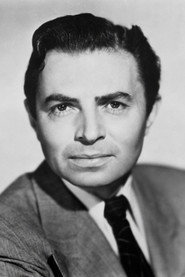 James MasonField Marshal Erwin Rommel
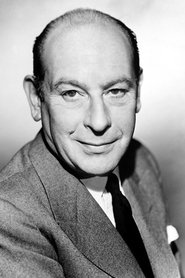 Cedric HardwickeDr. Karl Strolin
 Jessica TandyFrau Lucie Marie Rommel
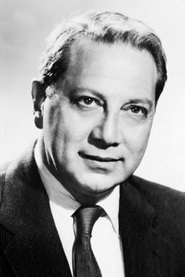 Luther AdlerAdolf Hitler
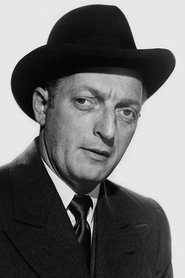 Everett SloaneGen. Wilhelm Burgdorf
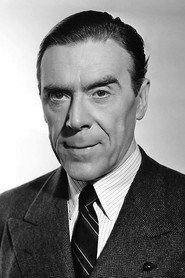 Leo G. CarrollField Marshal Gerd von Rundstedt
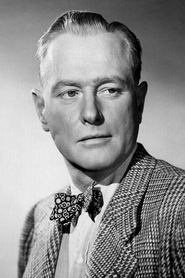 George MacreadyGen. Fritz Bayerlein
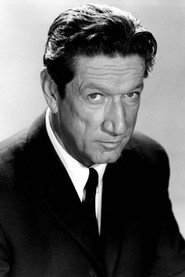 Richard BooneCapt. Hermann Aldinger
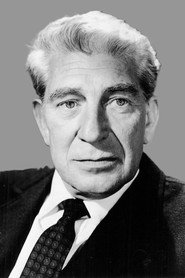 Eduard FranzCol. Klaus von Stauffenberg
- Desmond YoungLt. Colonel Desmond Young
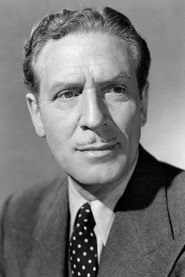 Paul CavanaghLt. Col. Caesar von Hofaker
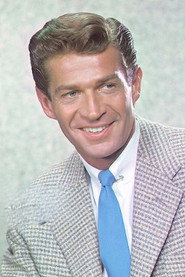 George NaderCommando