
Film
Floating Weeds
- Social drama
- Very dark
Yasujirō Ozu's 1959 masterpiece follows an aging theater troupe master reuniting with a former lover in a small coastal town. It's a gentle, observant film about time's passage, desire, and how the choices we avoid often haunt us more than the ones we make. Quietly devastating for those who prize emotional restraint and formal beauty.
Should you watch it?
Watch it if you love films that find pride and vanity in small, precise gestures, where a carefully framed room says more than any speech.
Skip it if you need brisk plot and momentum, because this moves slowly, stays largely in its rooms, and lets its drama live in glances and pauses.
What it asks of you: Settle in for just under two hours of unhurried scenes, still compositions and a melancholy tone that rewards patience more than attention to story beats.
Not sure? Find tonight's pick in a minute.
If you liked this
Tokyo Story1953
Ozu's most celebrated work and spiritual predecessor to Floating Weeds—a portrait of a family's quiet rituals and unspoken griefs. If you're moved by how small moments carry enormous emotional weight, this is essential.
But Its pacing rewards patience; nothing dramatic happens in the conventional sense, and the ending may feel subdued rather than cathartic.

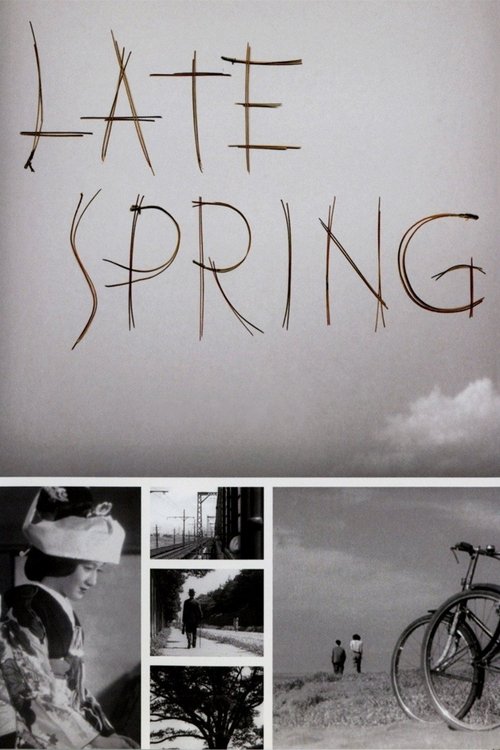
Late Spring1949
Another Ozu masterpiece about aging, family duty, and the ache of letting go. The relationship between father and daughter mirrors Floating Weeds' exploration of love complicated by time and circumstance.
But Deeply melancholic and slow. If you need plot momentum or dramatic confrontation, this will feel like watching paint dry.
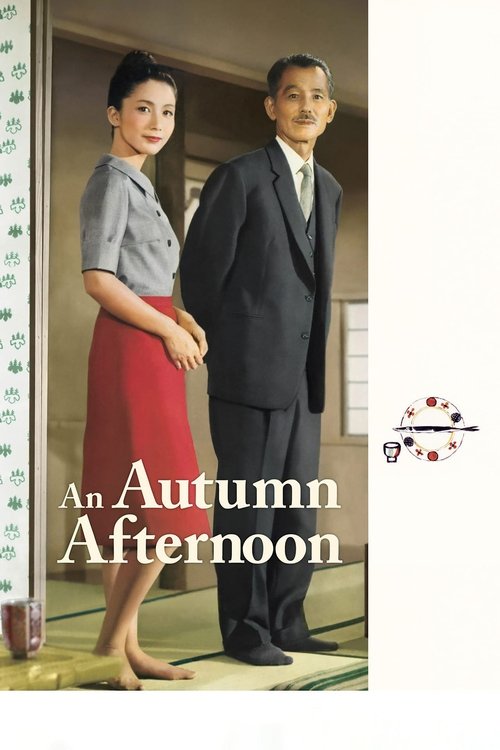
An Autumn Afternoon1962
Ozu's final film, equally concerned with aging, regret, and the quiet dissolution of family bonds. It shares Floating Weeds' nostalgic tone and its conviction that life's meaning lies in small, observed details.
But Extremely spare in incident. Long stretches of domestic routine may test your tolerance for cinema without event.
Not sure tonight? Get a pick in a minute, starting from Floating Weeds
The wildcard
Something you would not have found on your own.
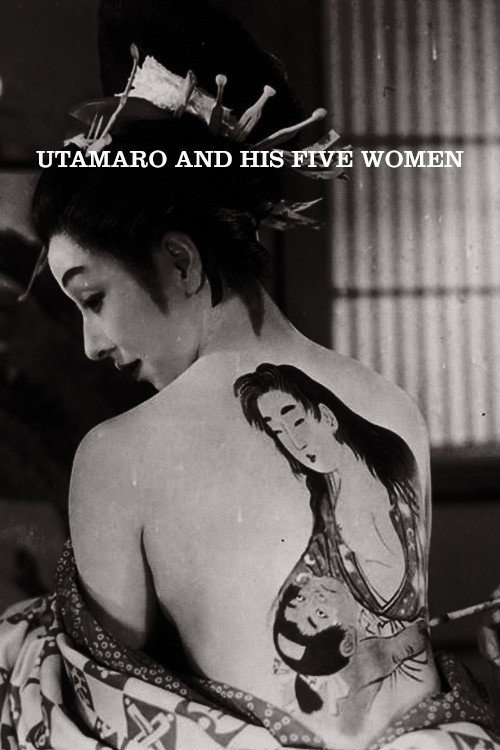
Utamaro and His Five Women1946
Both films examine the theater of human performance—how we construct identity through craft and how that construction inevitably fails or betrays us.
Keisuke Kinoshita's film about the ukiyo-e artist is formally dazzling and equally concerned with the tension between art and life, creation and desire. It's Japanese cinema of the same era, but where Floating Weeds is interior, this explodes in color and movement.
But Post-war Technicolor saturation and theatrical composition can read as mannered; the treatment of women is dated and uncomfortable by contemporary standards.
More like this (8)
The Ballad of Little Jo1993
Like Floating Weeds, it's about reinvention and the masks we wear—a woman passing as a man in the Old West. Maggie Greenwald's film has the same quiet dignity and refusal to oversell emotional moments.
But Period piece pacing feels deliberate to some viewers; others find it mannered. The gender politics, though sympathetic, emerge gradually rather than being foregrounded.

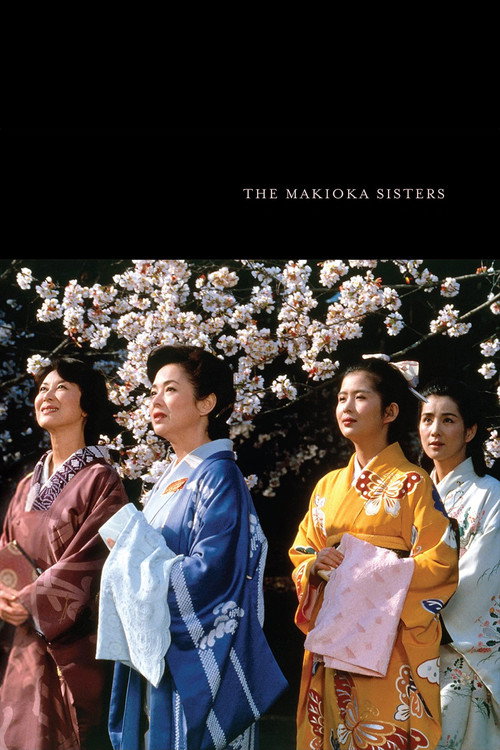
The Makioka Sisters1983
Kon Ichikawa's adaptation of Tanizaki's novel shares Ozu's sensibility: a meditation on family, time, and social ritual where the emotional core lies beneath polite surfaces. Japanese domestic cinema at its most refined.
But Episodic and digressive; there's no forward-driving plot, and the film operates on the logic of seasonal change rather than dramatic arc.
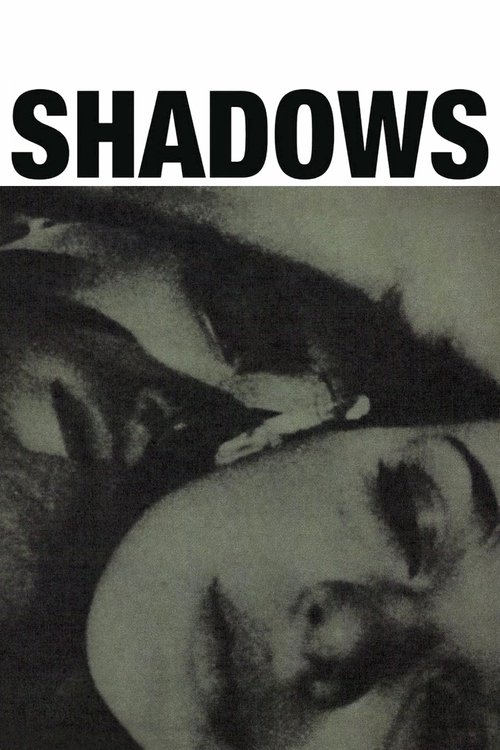
Shadows1960
John Cassavetes' improvisational American counterpart to Floating Weeds—both released the same year, both about lives lived off the margins, both interested in performance and authenticity. Grainy, urgent, and deeply humanist.
But The roughhewn style and low fidelity audio can feel more like documentation than narrative. Some find its spontaneity affecting; others find it undisciplined.
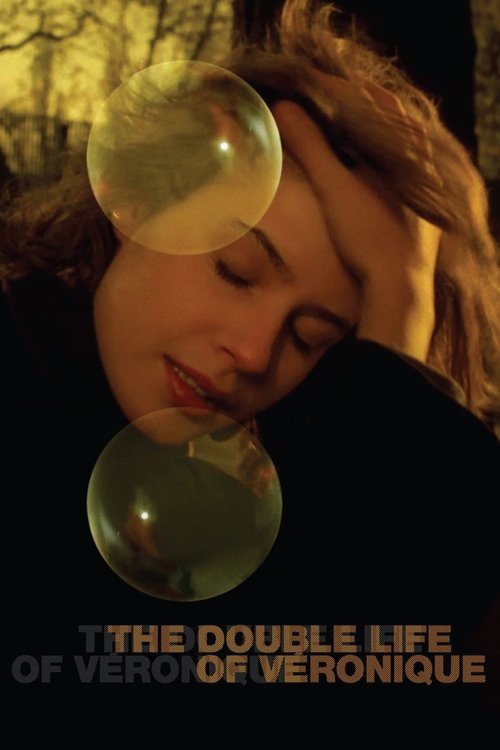
The Double Life of Véronique1991
Kieślowski's meditation on duality, desire, and the roads not taken. Like Floating Weeds, it's visually exquisite and concerned with how past and present interpenetrate, how we haunt ourselves.
But Abstract and elliptical; it prioritizes mood and symbol over explanation, which some experience as pretentious rather than profound.
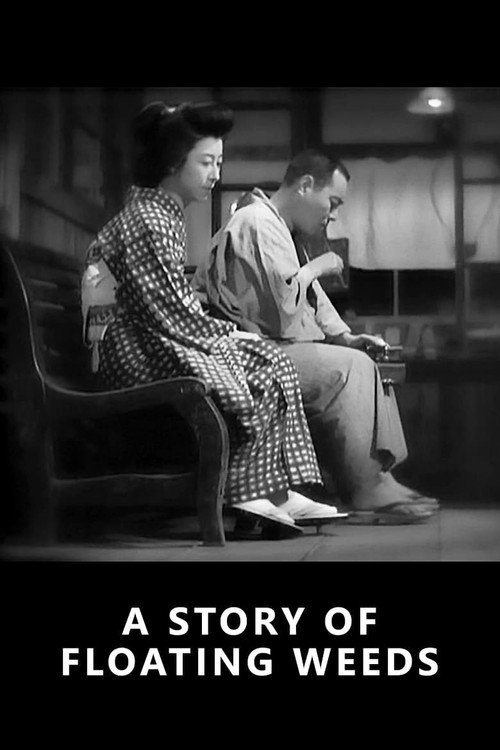
A Story of Floating Weeds1934
Ozu's own silent predecessor to the 1959 film—rougher, more overtly comedic, but wrestling with the same themes of theater, desire, and small-town life. A chance to see how a master revisited and deepened his own vision.
But The silent format and earlier sensibility require adjustment; it's less polished than the 1959 version, and the humor can feel dated or broad.
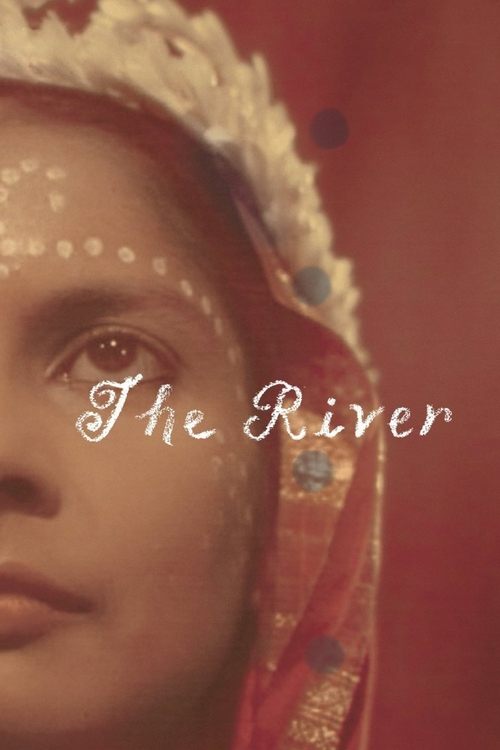
The River1951
Renoir's film about family life and youthful awakening in colonial India shares Floating Weeds' interest in how desire and duty collide, and its conviction that the smallest gestures carry the deepest meaning.
But Colonial subject matter feels dated; the pacing is leisurely to the point of stasis for modern viewers accustomed to faster cuts.
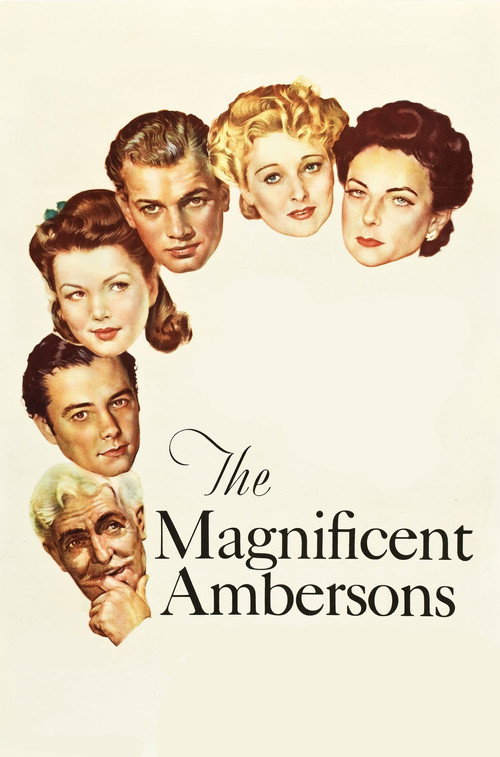
The Magnificent Ambersons1942
A theater master, a family in decline: both films argue that performance is survival, and that the attempt to hold onto the past destroys the present.
Welles' film about a family's decline and America's transformation mirrors Floating Weeds' concern with obsolescence and the past's grip on the present. Though American and operatic where Ozu is Japanese and restrained, both are about time as the real protagonist.
But The final act was recut by the studio against Welles' wishes, and its tonal shift is jarring. Some view it as a masterpiece in spite of interference; others find that interference fatal.
The Ascent1977
Both films use landscape and the body to explore guilt and the impossibility of escape—how the past pursues us regardless of geography or time.
Larisa Shepitko's spiritual and physical journey through Soviet-occupied terrain is formally austere and morally uncompromising. Like Floating Weeds, it's a film about aging, consequence, and the weight of choice—but stripped of all comfort and beauty.
But Bleak, religiously coded, and shot in grainy black-and-white. There is no redemption, no catharsis, and the film's refusal to offer either can feel punishing rather than transcendent.

People
Cast
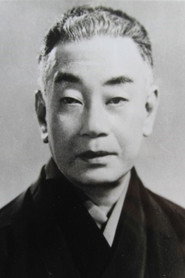 Ganjirō Nakamura IIKomajuro Arashi
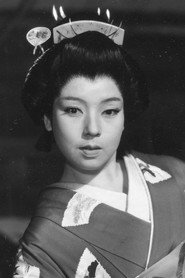 Machiko KyōSumiko
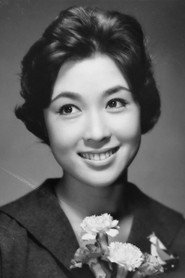 Ayako WakaoKayo
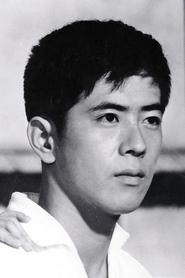 Hiroshi KawaguchiKiyoshi
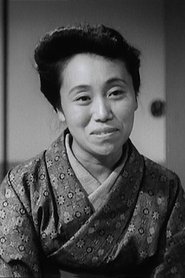 Haruko SugimuraOyoshi
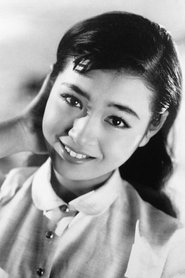 Hitomi NozoeAiko
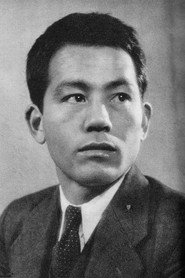 Chishū RyūTheatre Owner
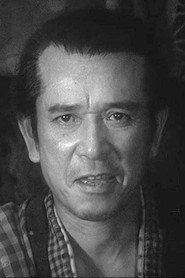 Kōji MitsuiKichinosuke
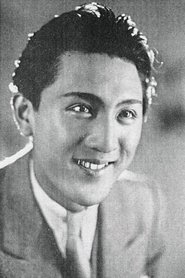 Haruo TanakaYatazo
- Yosuke IrieSugiyama
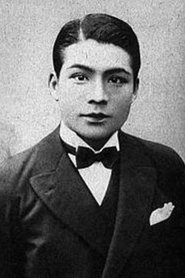 Hikaru HoshiKimura
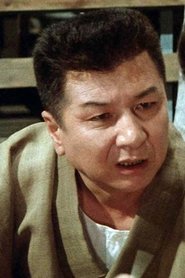 Mantarō UshioSentaro
Directing
- Bainari NakamuraAssistant Director
- Yasujirō OzuDirector
Writing
- Kōgo NodaScreenplay
- Tadao IkedaScreenplay
- Yasujirō OzuScreenplay
Production
- Masaichi NagataProducer
- Takao MatsumotoProduction Manager
Recommended by
The Desert Fox: The Story of Rommel, Equinox Flower, Late Autumn, S.O.S. Titanic, I Never Sang for My Father, Tokyo Twilight, C'est la vie!, The Makioka Sisters, Utamaro and His Five Women, There Was a Father, Early Summer, Sayonara, Early Spring, Love Happens, The Ballad of Narayama, A Majority of One, The Only Son