
Film
A Majority of One
A 1961 romantic comedy about a Brooklyn widow and a Japanese businessman who fall in love despite Cold War tensions and their own families' prejudices. It's earnest and gently funny, with real chemistry between Rosalind Russell and Alec Guinness. A film about learning to see past inherited hatreds, wrapped in the comfort of a good date movie.
If you liked this
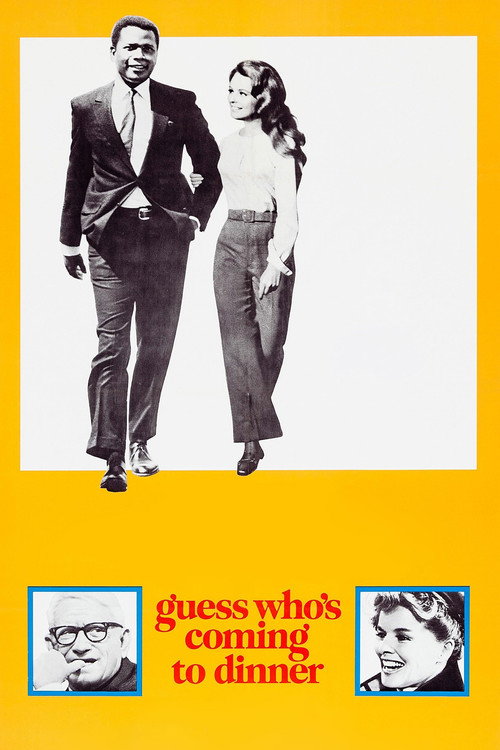
Guess Who's Coming to Dinner1967
Sidney Poitier and Katharine Hepburn in a warm, funny film about a couple's families confronting their own racism. It has the same belief that love can change minds, and the same generous spirit.
But The didacticism shows; it preaches at moments rather than simply being. Some find it too neat, too eager to resolve centuries of harm with a dinner table conversation.
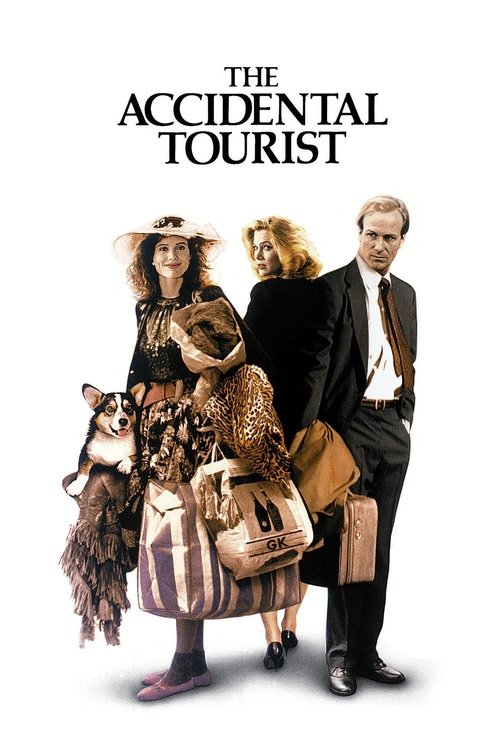
The Accidental Tourist1988
William Hurt and Geena Davis as two grief-stricken people who teach each other how to live again. Like A Majority of One, it's about two people from different worlds finding unexpected connection through kindness.
But It moves slowly and quietly. If you need plot momentum or big emotional scenes, you'll feel the glacial pacing as a flaw rather than a feature.
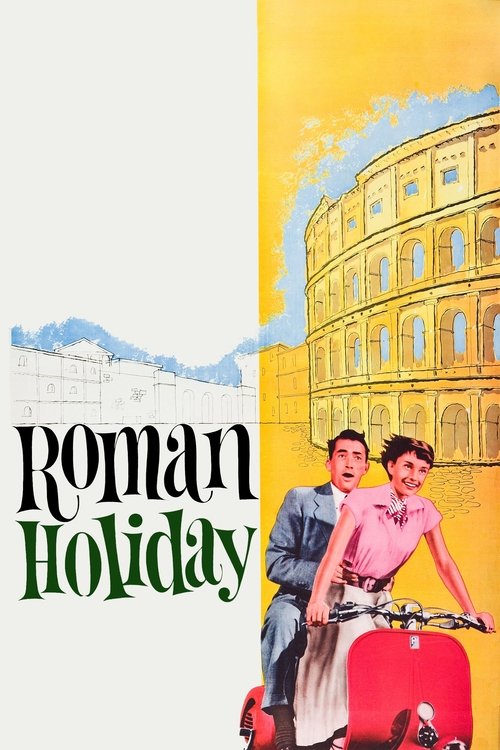
Roman Holiday1953
Audrey Hepburn and Gregory Peck discover each other across a social divide in Rome. It has the same lightness, the same belief in romance as a form of grace, and genuine charm that doesn't feel dated.
But The ending resolves with a kind of melancholy that some find unsatisfying. It chooses duty over happiness, which can feel resigned rather than romantic depending on your mood.
Not sure tonight? Get a pick in a minute, starting from A Majority of One
The wildcard
Something you would not have found on your own.
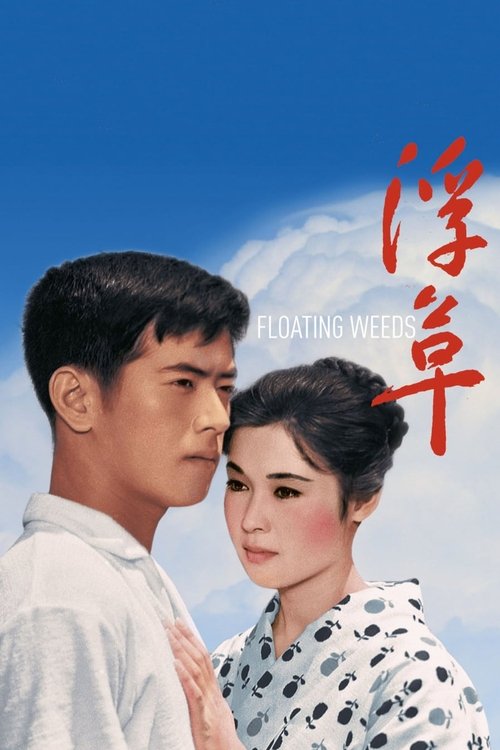
Floating Weeds1959
Both films insist on the dignity and interiority of Japanese characters during an era when Hollywood often exoticized or diminished them. Floating Weeds does it through the full humanity of its storytelling; A Majority of One does it through an American lens. Together they offer a conversation.
Yasujirō Ozu's film about a traveling theater troupe returning to a small town, starring Ganjirō Nakamura. It's from the other side of the world and era that A Majority of One tried to bridge. You'll see the Japan that Alec Guinness's character carries with him—the real thing, not imagined.
But It moves at a meditative pace with long takes and minimal dialogue. It's a film about the feeling of things rather than plot, which requires a different kind of patience than most 1961 American cinema.
More like this (8)
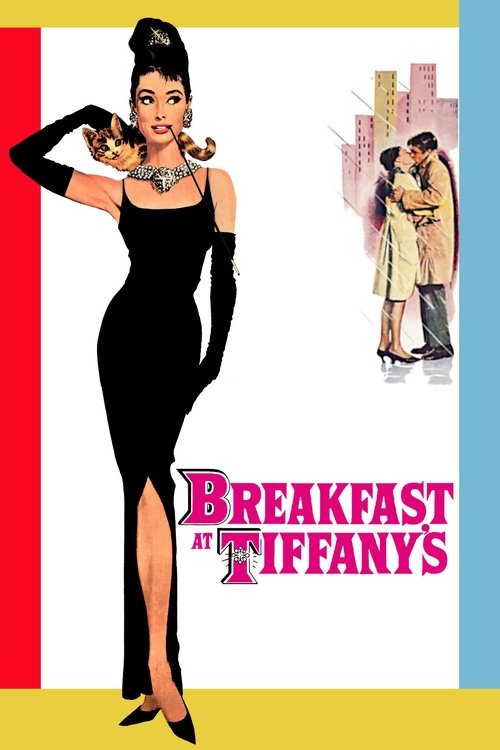
Breakfast at Tiffany's1961
Audrey Hepburn and George Peppard meet in New York and gently discover each other. Both films share that same year, that same mid-century New York ease, and that same faith in small moments of tenderness.
But The portrayal of the Japanese neighbor has aged extremely poorly and is genuinely uncomfortable to sit with, which will distract from the film's better instincts.
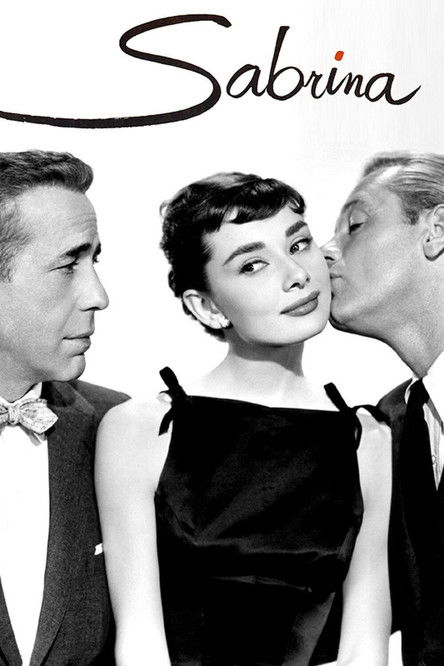
Sabrina1954
Audrey Hepburn as a chauffeur's daughter caught between two wealthy brothers. Like A Majority of One, it's about class difference and the discovery that love doesn't care about your place in the world.
But The Bogart-Holden tension feels a bit strained on rewatch. The film works best if you're willing to let the romance carry it rather than scrutinize the chemistry too closely.
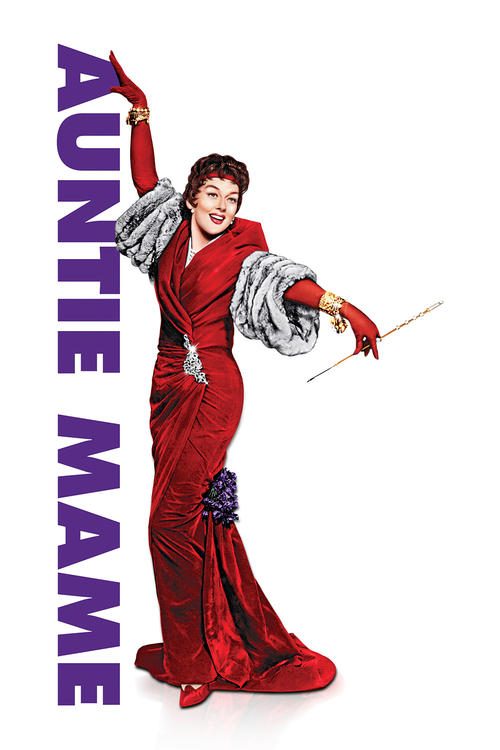
Auntie Mame1958
Rosalind Russell is absolutely radiant in this celebration of eccentricity and living fully. She brings the same warmth and comic timing to a completely different register, and it's a reminder of her range.
But It's relentlessly sunny and theatrical. If you need something grittier or more realistic, this will feel like being trapped at a very enthusiastic party.
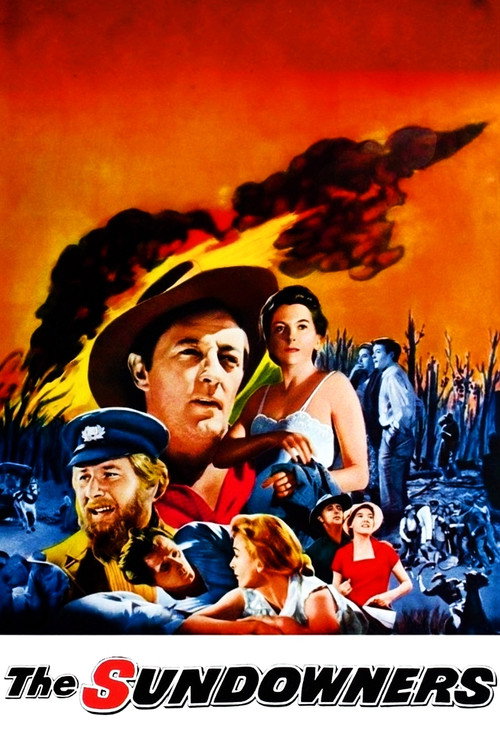
The Sundowners1960
Robert Mitchum and Deborah Kerr as a restless couple in Australia trying to find their place together. A mature romance about compromise and belonging, with the same gentle wisdom about marriage.
But It's a sprawling, baggy film that doesn't move toward climax the way modern audiences expect. The plot meanders, which some find contemplative and others find frustrating.
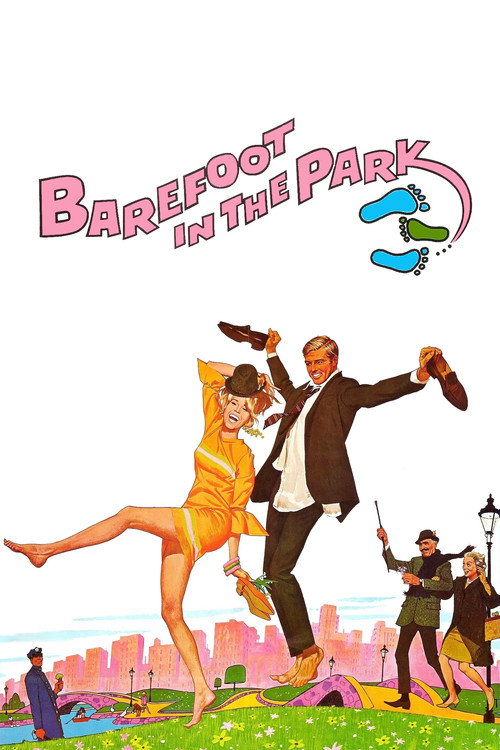
Barefoot in the Park1967
Jane Fonda and Robert Redford as newlyweds discovering love and themselves in New York. It has that same belief that romance is about learning to see the world through another person's eyes.
But The gender politics feel fixed in the sixties in a way that can make it uncomfortable. Fonda is radiant but also plays a type that doesn't age well.
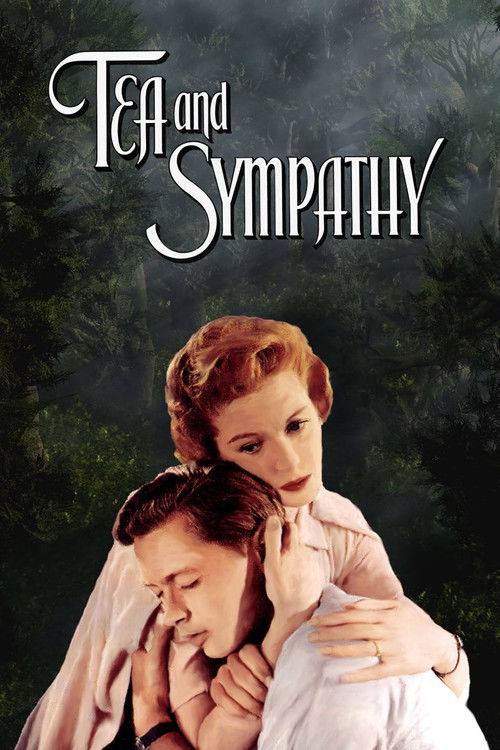
Tea and Sympathy1956
Deborah Kerr and John Kerr in a quiet film about a woman's kindness changing a boy's life. It shares A Majority of One's belief that tenderness and understanding can bridge impossible divides.
But It's about a taboo subject handled obliquely, which means the emotional stakes remain somewhat abstract. The restraint is part of its beauty but also its limitation.
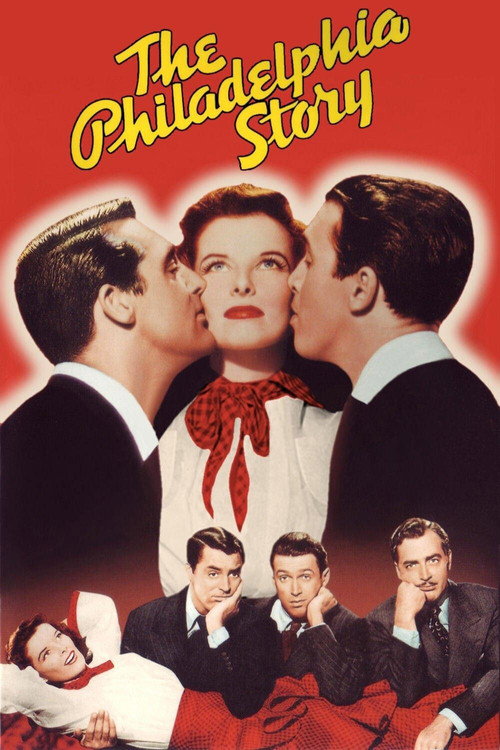
The Philadelphia Story1940
Both are films about adult people learning that their preconceptions about who they should love are wrong. But The Philadelphia Story does it at full sprint with champagne wit, while A Majority of One does it at a thoughtful walk. They're the same insight in different keys.
Cary Grant, James Stewart, and Katharine Hepburn in a comedy about three people discovering each other across class and expectation. It's the greatest screwball romance ever made—faster, wittier, and more alive than A Majority of One, but spiritually the same film.
But It's in black and white and moves at the speed of overlapping dialogue from 1940. If you need color and a slower tempo, it can feel frenetic and hard to follow.
Tokyo Story1953
A Majority of One is a postwar film about learning to love across national boundaries. Tokyo Story is the other side of that same moment—a Japanese film asking how families survive when the world has broken them. One is American optimism; the other is Japanese acceptance. Together they show what reconciliation actually looks like.
Chishū Ryū and Chishu Ryu in Ozu's masterpiece about an aging couple visiting their son in postwar Tokyo. It's devastating and gentle and entirely without sentimentality. A film about how people learn to love across time and circumstance and change.
But It has almost no plot. Calling it slow is insufficient—it moves at the rhythm of breath and silence. Many people watch it once and never again because the patience it requires feels like work rather than pleasure.

People
Cast
 Rosalind RussellBertha Jacoby
 Alec GuinnessKoichi Asano
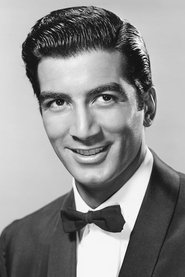 Ray DantonJerry Black
 Madlyn RhueAlice Black
 Mae QuestelEssie Rubin
- Marc MarnoEddie
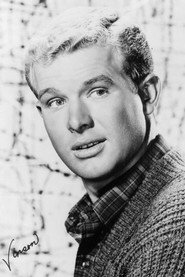 Gary VinsonMr. McMillan
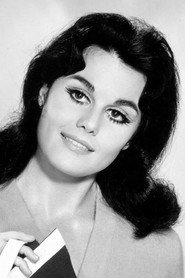 Sharon HuguenyBride
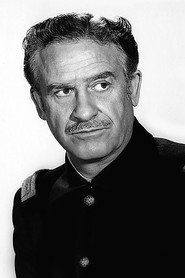 Frank WilcoxNoah Putnam
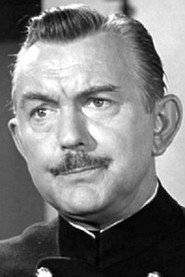 Francis De SalesAmerican Embassy Representative
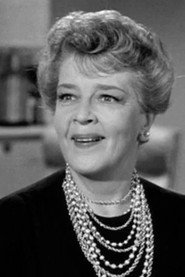 Harriet E. MacGibbonLily Putnam
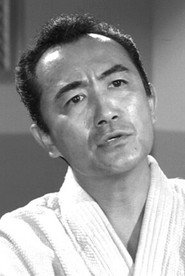 Yuki ShimodaMr. Asano's Secretary
Directing
- Gil KisselAssistant Director
- Mervyn LeRoyDirector
Writing
- Leonard SpigelgassScreenplay
- Leonard SpigelgassTheatre Play
Production
- Mervyn LeRoyProducer