
Film
Barefoot in the Park
- Comedy
- Romantic comedy
- Light-hearted
A newlywed comedy about a free-spirited woman and her buttoned-up lawyer husband navigating marriage, in-laws, and a tiny Manhattan apartment. Sparkling 1967 Neil Simon, built on the collision between romantic idealism and practical reality. For anyone who loves watching smart people bicker their way toward understanding each other.
Should you watch it?
Watch it if you love light, bickering romantic comedies where the chemistry between two leads does most of the work, and a stage-born script with crisp, quotable lines is a real pleasure.
Skip it if you want fast, modern-paced comedy; this one is talky and stage-bound, with long scenes in one apartment that can feel more like a play than a movie.
What it asks of you: It runs about an hour and forty-five minutes and rewards patience with dialogue, settling into its rhythms rather than chasing gags, with a gentle, sunny tone throughout.
Not sure? Find tonight's pick in a minute.
If you liked this
The Philadelphia Story1940
Three magnificent leads in a comedy about marriage, divorce, and whether you can ever really know someone. The dialogue crackles with the same rapid-fire wit and emotional intelligence Simon brought to Barefoot.
But It's over eighty years old and moves at a pace that assumes you're paying attention to every word. The courtship subplot feels quaint now.

Breakfast at Tiffany's1961
Audrey Hepburn as a free spirit, George Peppard as the grounded one—the same dynamic, different stakes. Romantically bittersweet with comedy that doesn't undercut the genuine feeling underneath.
But The problematic racial caricature in the supporting cast is indefensible and derails the film's elegance if you're attuned to it.

It Happened One Night1934
The template for screwball comedy romance. Sparring leads, forced proximity, the gradual thaw—everything that makes Barefoot work, done with such speed and joy you'll understand why this invented the genre.
But Black and white, pre-Code pacing, and a happy ending that feels like it belongs in a different moral universe than ours.

Not sure tonight? Get a pick in a minute, starting from Barefoot in the Park
The wildcard
Something you would not have found on your own.
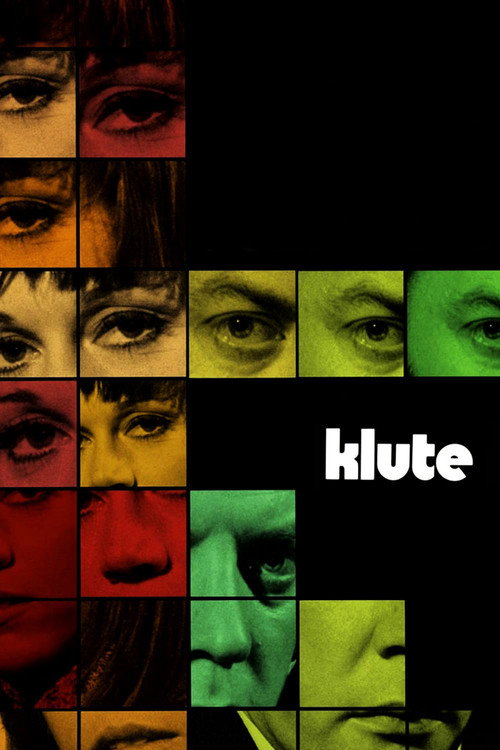
Klute1971
Both are built on the tension between two people who want different things. Barefoot asks if they can meet in the middle; Klute asks if they can survive needing each other.
Jane Fonda again, but playing against type—a woman in genuine danger, with a man she genuinely needs but refuses to need. The chemistry with Donald Sutherland is tense, real, and built on mistrust instead of banter. Same actor, completely different emotional register.
But It's a thriller, not a comedy, which means the stakes are actual and sometimes dark. The seventies film stock and pacing move slowly compared to Barefoot's momentum.
More like this (7)
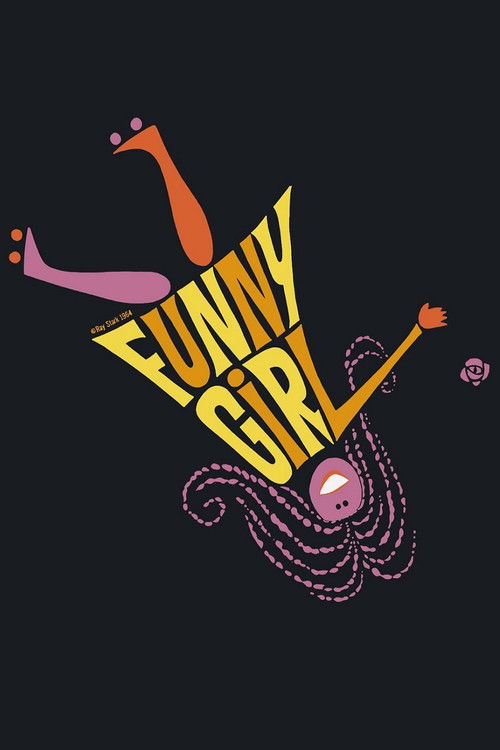
Funny Girl1968
Streisand and Sharif in a romance about a woman who refuses to dim herself for love, and the man who can't handle it. The same push-pull as Barefoot, but with heartbreak at the end instead of reconciliation.
But The musical numbers can feel like they're from a different film. The second half slides into melodrama in ways the first act doesn't prepare you for.
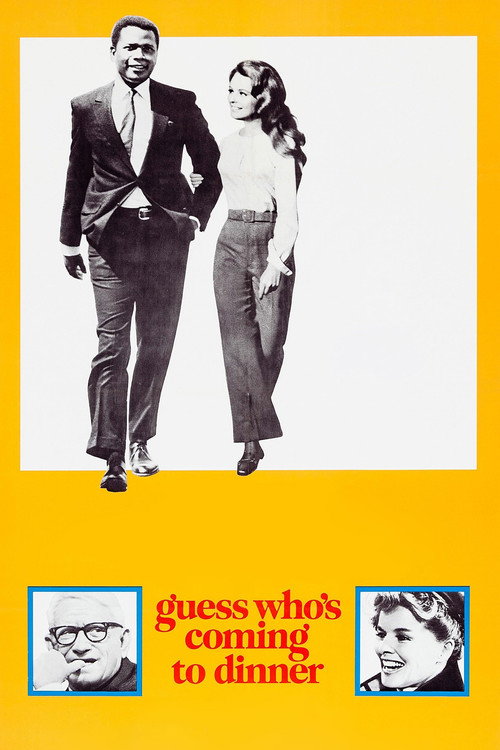
Guess Who's Coming to Dinner1967
Released the same year and built on similar architecture: a young couple discovering who they really are, tested by parents and social friction. Hepburn and Spencer Tracy's chemistry carries a heavier emotional load.
But It can play like a homework assignment about race relations. The characters sometimes feel deployed to argue positions rather than lived in as people.
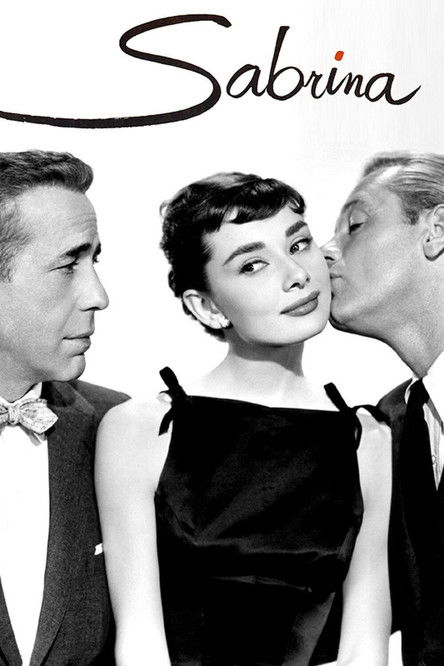
Sabrina1954
Audrey Hepburn between two men again—one sensible, one romantic—and the film asks whether those things have to be opposites. Billy Wilder's direction has the same lightness and precision as Barefoot's best moments.
But The class politics haven't aged well. Watching a woman choose based on a man's bank account feels less charming fifty years later.
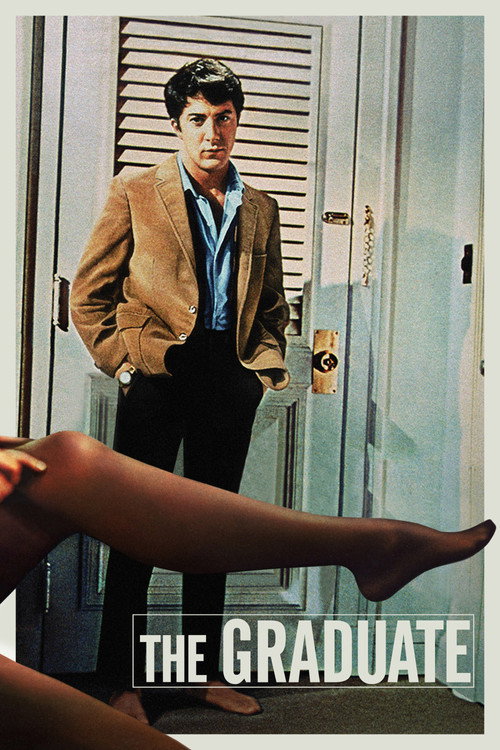
The Graduate1967
Another 1967 film about a young man unmoored by expectation, finding his way through a woman who challenges everything he thought he wanted. Darker than Barefoot, but recognizably the same conversation about growing up.
But Benjamin's passivity can read as spinelessness. Mrs. Robinson's characterization, while brilliant, reduces her to a predatory archetype.
Singin' in the Rain1952
Gene Kelly and Debbie Reynolds as a couple learning each other through music and movement. The joy is infectious, and the emotional beats land with genuine warmth under all the spectacle.
But It's a musical, which means you're buying the whole package—singing, dancing, production numbers. If that's not your language, it won't translate.

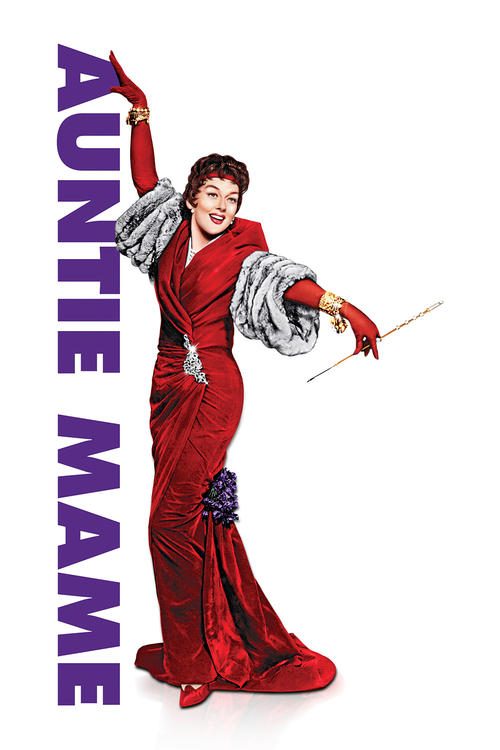
Auntie Mame1958
Rosalind Russell as a woman who refuses convention, pulling a young man into her orbit. It's messier and broader than Barefoot, but carries the same message about what it costs to be truly yourself.
But The camp is deliberate, which means the film can feel like it's winking at you instead of letting you live in it. Some jokes haven't held up.
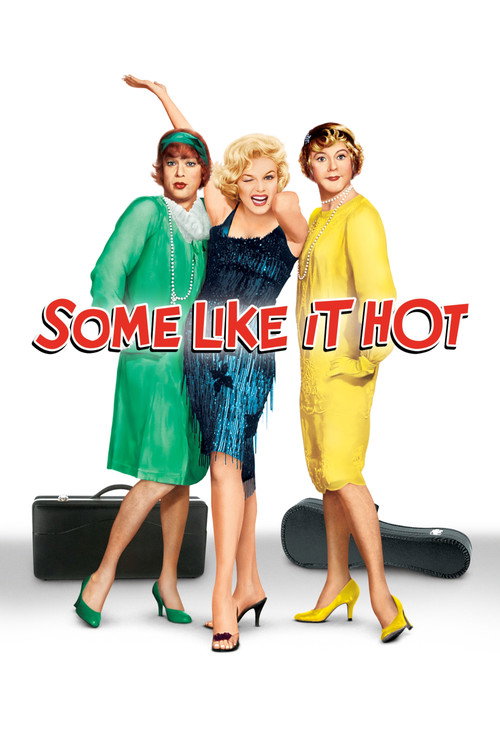
Some Like It Hot1959
Both are built on the gap between who you pretend to be and who you actually are. Barefoot resolves it through love; Some Like It Hot resolves it through acceptance of desire in all its forms.
Billy Wilder comedy about performance, disguise, and what you really want when you stop pretending. The screwball energy matches Barefoot, but the film is funnier and darker about why people need to hide. Tony Curtis and Jack Lemmon are incomparable.
But The transphobic jokes are woven into the premise and can't be separated from the humor. If that's a dealbreaker, it is.
People
Cast
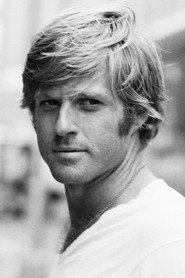 Robert RedfordPaul Bratter
 Jane FondaCorie Bratter
 Charles BoyerVictor Velasco
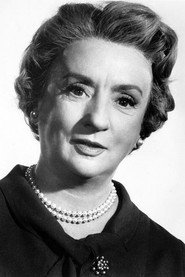 Mildred NatwickEthel Banks
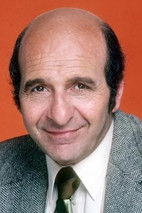 Herb EdelmanHarry Pepper
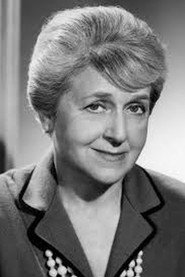 Mabel AlbertsonHarriet
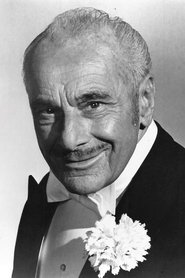 Fritz FeldRestaurant Proprietor
- James StoneDelivery Man
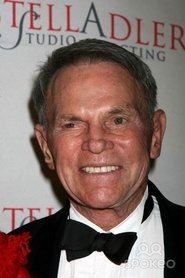 Ted HartleyFrank
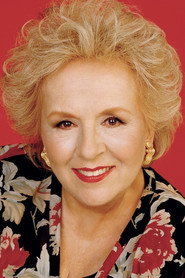 Doris RobertsHotel Maid (uncredited)
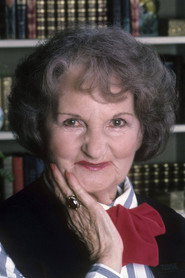 Billie BirdDrunken Neighbor (uncredited)
 Paul E. BurnsBum in Park (uncredited)
Directing
- Howard GraceAssistant Director
- Gene SaksDirector
- Charlsie BryantScript Supervisor
Writing
- Johnny MercerLyricist
- Neil SimonScreenplay
- Neil SimonTheatre Play
Production
- Paul NathanAssociate Producer
- Joseph H. HazenExecutive Producer
- Hal B. WallisProducer
- William W. GrayUnit Production Manager
Recommended by
The Matchmaker, Same Time, Next Year, Pillow Talk, The Trouble with Angels, Sunday in New York, She's Funny That Way, Candy Stripe Nurses, Cousins, Anand, A Special Day, California Suite, The Royal Family of Broadway, Plaza Suite, Arrivederci, Baby!, Speedway, Under the Yum Yum Tree, It Started in Naples, The Pleasure of His Company, The Mating Game, The Affair, A Majority of One, The Honey Pot, Keeping Company, Send Me No Flowers, Move Over, Darling, That Funny Feeling, I'll Take Sweden, Love with the Proper Stranger, It's a Bikini World, Mass Appeal