
Film
Pillow Talk
- Romantic comedy
- Screwball comedy
- Light-hearted
A 1959 romantic comedy where a sharp interior designer and a smooth-talking songwriter share a phone line and can't stop eavesdropping on each other's lives. Doris Day and Rock Hudson crackle with chemistry while trading insults and schemes. It's witty, vivacious, utterly charming—the kind of film that makes you believe in banter as foreplay and proves that the best romances start with someone driving you absolutely up the wall.
Should you watch it?
Watch it if you enjoy snappy, bickering romantic comedies where the banter carries the plot, the sheen is pure Eisenhower-era gloss, and a disguise gag is treated as a sport.
Skip it if you find innuendo coy and romantic farce that relies on repetition more than sharp wit, since the gags can feel thin to a modern eye.
What it asks of you: Around a hundred minutes of light, unhurried rhythm, with the pleasure in chatter and glossy surfaces rather than deep emotional stakes.
Not sure? Find tonight's pick in a minute.
If you liked this
Breakfast at Tiffany's1961
Audrey Hepburn brings the same effortless sophistication and comedic timing that Day does here, navigating romance with intelligence and style. The chemistry between leads matters as much as the plot, and both films know that romance works best with sharp dialogue.
But It's slower and more wistful than Pillow Talk, and some modern viewers find the racial stereotypes genuinely uncomfortable rather than quaint.

Singin' in the Rain1952
Gene Kelly and Debbie Reynolds have that same playful antagonism-to-romance arc, delivered with infectious joy. The film is a master class in romantic comedy construction—obstacles that matter, charm that never turns saccharine, and real chemistry between leads.
But It's a musical, which requires a different energy than Pillow Talk. If you're not in the mood to see characters burst into song, it'll feel like a detour.

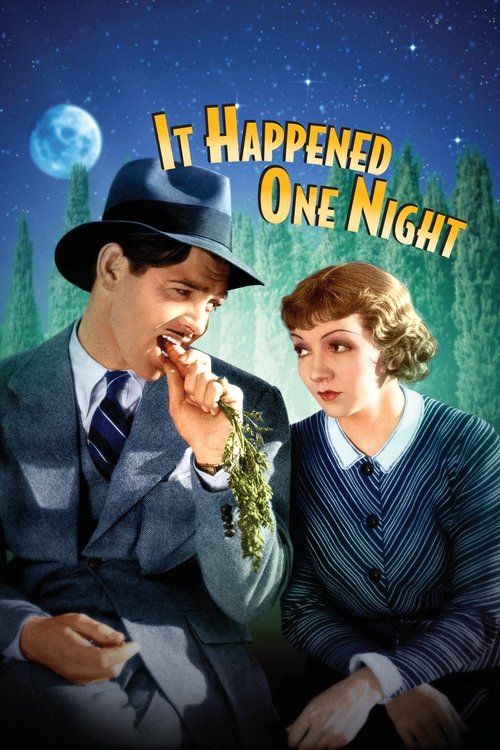
It Happened One Night1934
The blueprint for the screwball romance: two people at odds, excellent dialogue, genuine stakes, and a pace that keeps you laughing. Clark Gable and Claudette Colbert banter their way to love exactly as convincingly as Hudson and Day do.
But It's from 1934, so the pacing and some plot mechanics feel quaint. The class politics also land differently now than they did then.
Not sure tonight? Get a pick in a minute, starting from Pillow Talk
The wildcard
Something you would not have found on your own.
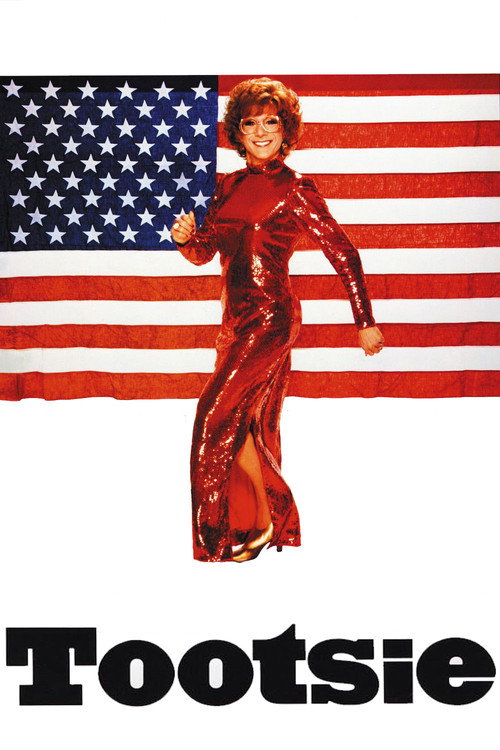
Tootsie1982
Both films are built on the architecture of mistaken identity in romance—someone pretending to be what they're not to seduce someone who thinks they know exactly who the person is. Both use comedy to explore how we perform ourselves.
Dustin Hoffman and Jessica Lange in a romantic comedy about deception and performance that mirrors Pillow Talk's central conceit: one person pretending to be someone else to win another's affection. But here the stakes are higher, the comedy sharper, and the emotional weight considerably more serious.
But At 116 minutes it's longer than Pillow Talk, and it takes itself more seriously. Some find the gender-politics commentary heavy-handed, others find it necessary.
More like this (8)
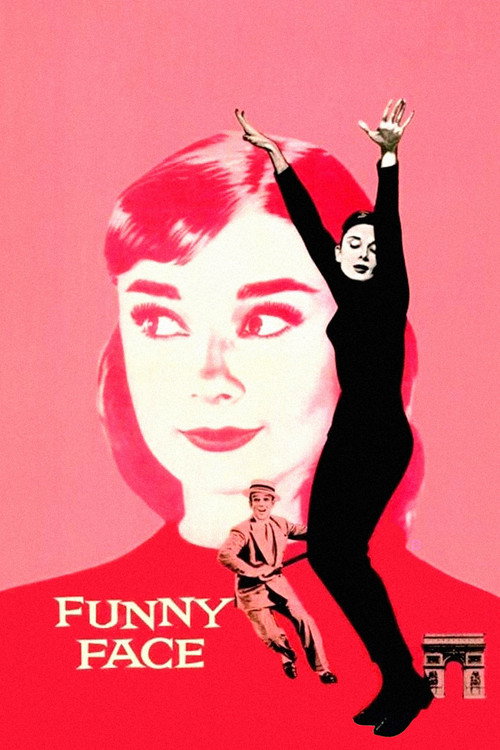
Funny Face1957
Audrey Hepburn and Fred Astaire spar with wonderful lightness—she's a skeptical bookstore clerk, he's a charming photographer. The film balances romantic tension with genuine intelligence about fashion, art, and female independence.
But It's less interested in plot momentum than in giving its stars room to dance and look beautiful. Some find it drifts when it should build.
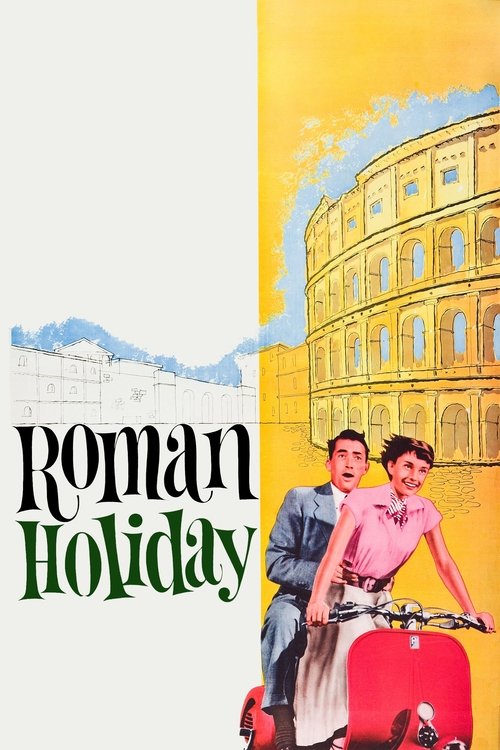
Roman Holiday1953
Gregory Peck and Audrey Hepburn prove that romance thrives on witty restraint. The film trusts its audience to feel the attraction without being told, and delivers one of cinema's most satisfying emotional climaxes.
But It's melancholic in a way Pillow Talk deliberately avoids. If you want bright rom-com energy, this trades some of that for genuine poignancy.
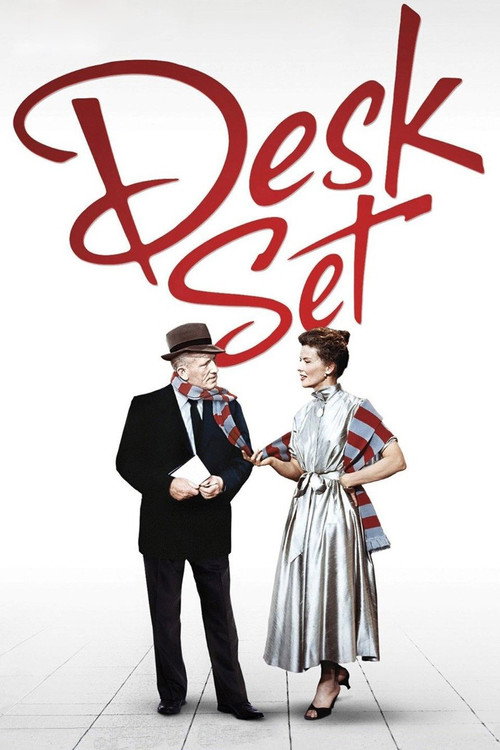
Desk Set1957
Katharine Hepburn and Spencer Tracy in a workplace rom-com that respects both the romance and the intelligence of its heroine. The banter is genuinely sharp, and the film was made by the same studio as Pillow Talk with similar values.
But It's quieter and more understated than Pillow Talk, which might feel slow if you want constant comic momentum.
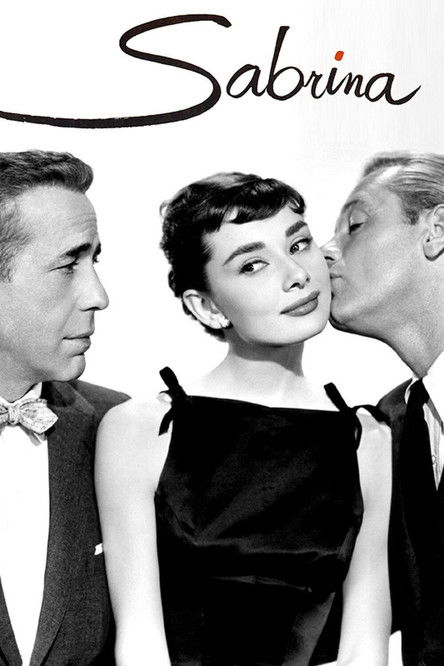
Sabrina1954
Audrey Hepburn caught between two brothers, both charming in different ways. The film explores how attraction works through wit and sophistication, with Hepburn as smart and self-possessed as Day's Jan Morrow.
But The love triangle structure means less time for the central couple to develop chemistry, and some find the resolution unsatisfying.
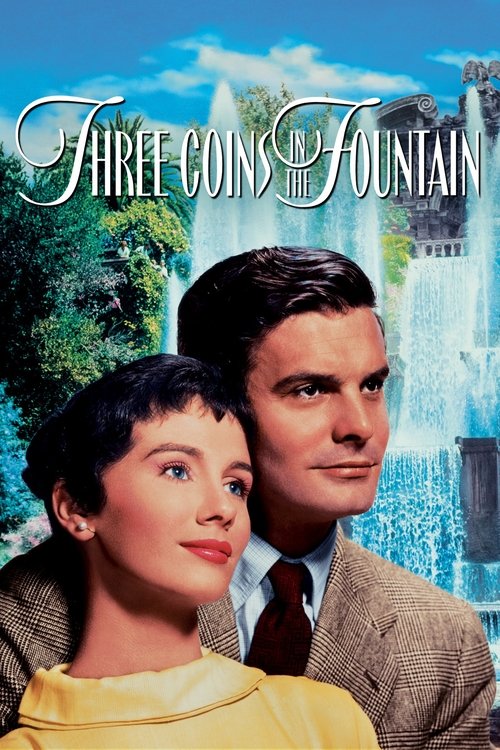
Three Coins in the Fountain1954
Three American women in Rome finding romance amid gorgeous scenery and genuine character work. It's lighter than Pillow Talk but shares that mid-century romantic optimism and fun without ever winking at the audience.
But The episodic structure means no single romance gets the depth or focus that Pillow Talk's central couple does. It's pleasant rather than gripping.
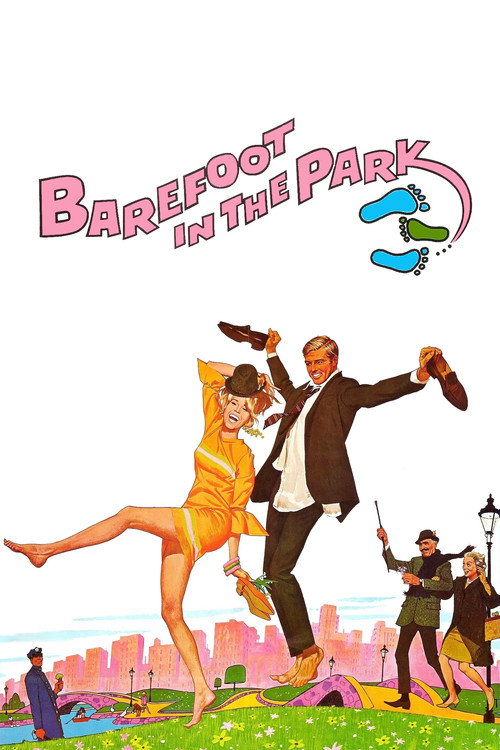
Barefoot in the Park1967
Jane Fonda and Robert Redford as newlyweds learning each other, with dialogue-driven comedy and genuine romantic tension. It updates the rom-com formula slightly while keeping what made Pillow Talk work—smart people sparring their way to understanding.
But It's from 1967, so the gender dynamics sometimes feel dated. It's also more focused on marriage than courtship, which changes the emotional temperature.
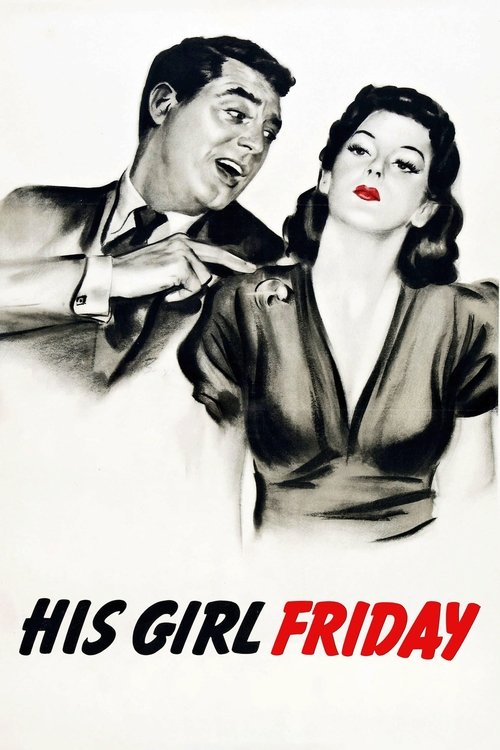
His Girl Friday1940
Both make romantic comedy out of witty antagonism and verbal sparring. Both trust that intelligence is sexy. But His Girl Friday cranks the screwball energy to eleven while Pillow Talk keeps one foot in sincerity—they're the same engine at different revolutions.
Rosalind Russell and Cary Grant in a screwball masterpiece where the banter moves at bullet-train speed and the chemistry is purely intellectual and verbal. It's what Pillow Talk would sound like if everyone talked at once and no one had a sincere moment. Brilliantly written, ferociously performed.
But The rapid-fire dialogue can feel exhausting. It's in black and white and the print quality varies. Some find the pacing alienating rather than exhilarating.
Contempt1963
Both films are about two people separated by a gap in understanding—one comic, one tragic. Both use a shared space (party line vs. marriage) to explore how intimacy reveals incompatibility as much as compatibility. Where Pillow Talk asks 'how do we overcome difference?', Contempt asks 'what if we can't?'
Brigitte Bardot and Michel Piccoli as a married couple whose relationship unravels in real time. It's shot in ravishing color on the Amalfi Coast, and it uses the marriage-in-crisis premise to explore how people stop understanding each other. Godard's most accessible film, and deeply moving.
But It's a Godard film—there are long takes, some feel experimental rather than narrative-driven, and it ends not with resolution but revelation. It's meditative where Pillow Talk is kinetic.

People
Cast
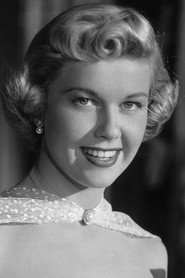 Doris DayJan Morrow
 Rock HudsonBrad Allen
 Tony RandallJonathan Forbes
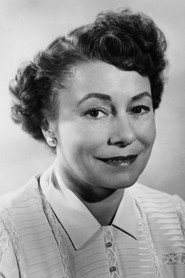 Thelma RitterAlma
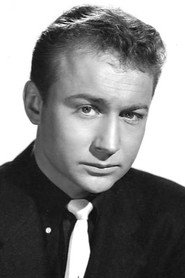 Nick AdamsTony Walters
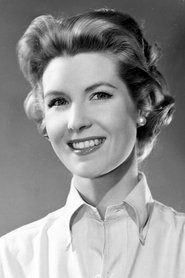 Julia MeadeMarie
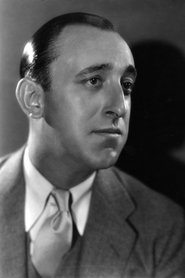 Allen JenkinsHarry
 Marcel DalioPierot
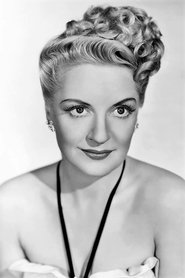 Lee PatrickMrs. Walters
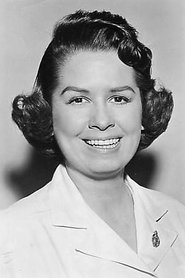 Mary McCartyNurse Resnick
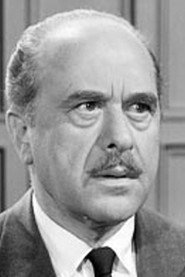 Alex GerryDr. A.C. Maxwell
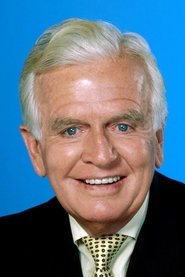 Hayden RorkeMr. Conrad
Directing
- Phil BowlesAssistant Director
- Michael GordonDirector
- Dorothy HughesScript Supervisor
Writing
- Maurice RichlinScreenplay
- Stanley ShapiroScreenplay
- Clarence GreeneStory
- Russell RouseStory
Production
- Edward MuhlExecutive In Charge Of Production
- Martin MelcherProducer
- Ross HunterProducer
Recommended by
Sabrina, Bell, Book and Candle, Where the Boys Are, Lover Come Back, It Happened to Jane, Under the Yum Yum Tree, Tammy Tell Me True, Send Me No Flowers