
Film
Contempt
Godard's masterpiece about a marriage collapsing against the garish backdrop of a Rome film set. Brigitte Bardot and Michel Piccoli's relationship fractures in real time, watched by moneyed producers and self-absorbed filmmakers. A film about cinema itself—its compromises, illusions, and the gulf between art and commerce—that moves with the slow inevitability of tragedy wrapped in colour and beauty.
Should you watch it?
Watch it if you enjoy films that argue with themselves about art and money, and can happily sink into long, cool-eyed conversations set against Mediterranean light and a Bardot who never quite explains herself.
Skip it if you need brisk momentum, since much of this is people talking in rooms and the lingering pace can feel like waiting for the picture to start.
What it asks of you: A little over an hour and three-quarters, unhurried, with long silences and a mood that stays cool and melancholy rather than racing toward anything.
Not sure? Find tonight's pick in a minute.
If you liked this
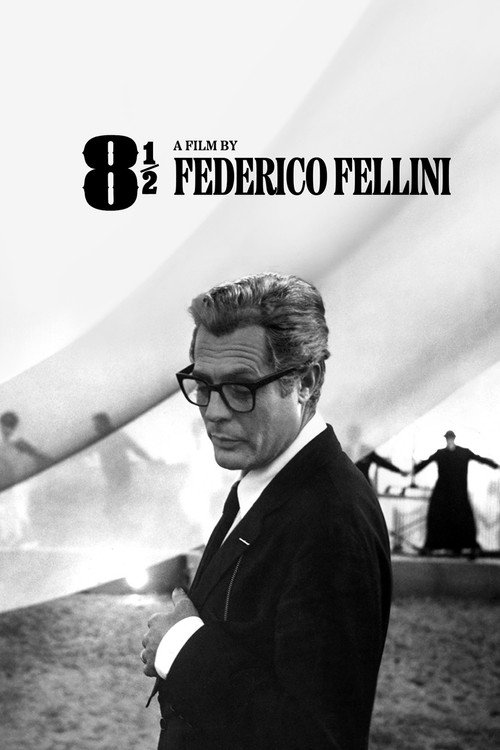
8½1963
Fellini's simultaneous meditation on filmmaking, male ego, and creative paralysis. Like Contempt, it turns the machinery of cinema into the subject itself, though it's far more baroque and hallucinatory in its execution.
But Three hours of a director's anxieties may feel indulgent if you prefer plot momentum to psychological excavation.
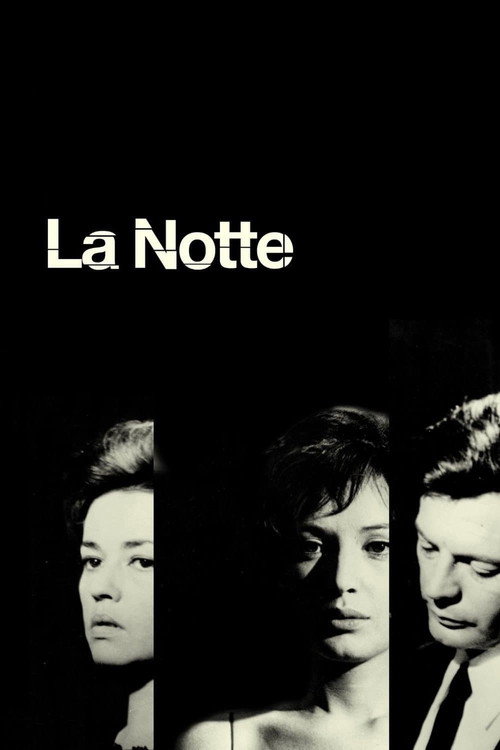
La Notte1961
Antonioni's equally austere examination of a marriage in crisis. Lidia and Giovanni walk through Milan and a hospital, speaking around what's really broken between them. The emotional texture is achingly similar, though Antonioni's Rome is colder.
But Very slow, very Italian. If you're watching for dramatic confrontation, you'll be disappointed—these characters don't resolve anything, they just drift.
Red Desert1964
Antonioni again, but this time in colour, and that colour is sickly, industrial, wrong. Like Contempt, it uses visual beauty as a kind of cruelty, showing us gorgeous frames of emotional emptiness and contamination.
But Abstract and hermetic. The plot barely exists; what matters is the feeling of dislocation, which isn't for everyone.
Not sure tonight? Get a pick in a minute, starting from Contempt
The wildcard
Something you would not have found on your own.
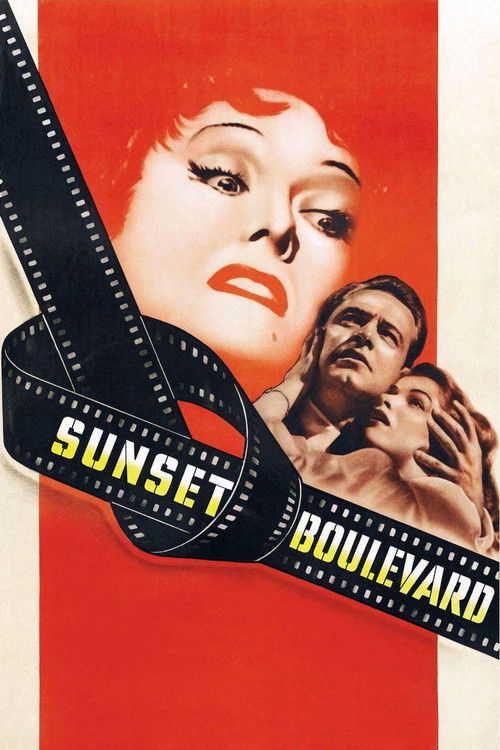
Sunset Boulevard1950
Both are about screenwriters trapped in systems that demand they betray their work and themselves. Contempt is Sunset Boulevard after the romance of that decay has evaporated.
Billy Wilder's Hollywood funeral, made more than a decade before Contempt, but the spiritual ancestor of every film about cinema devouring those within it. A screenwriter drowns in an industry built on delusion; Godard watched this and made the delusion itself the subject.
But The Gothic melodrama and the corpse-in-the-pool can feel overwrought compared to Godard's cool detachment. Different eras, different modes of expressing the same corruption.
More like this (5)
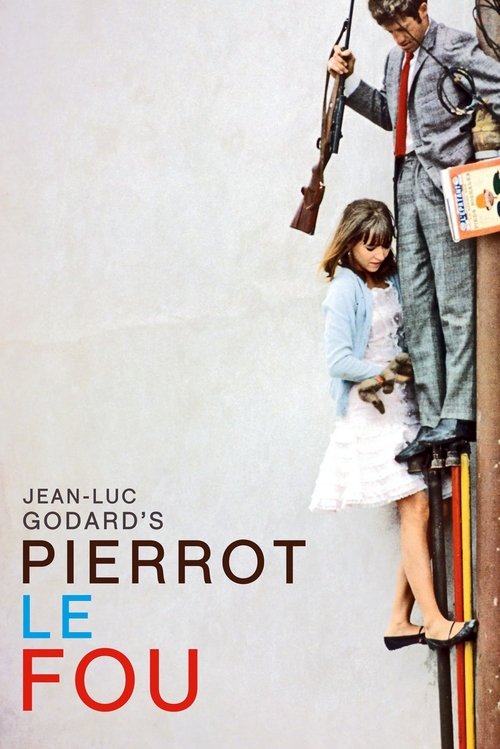
Pierrot le Fou1965
Godard in high spirits and primary colours, tracking a man and woman as they abandon society. It shares Contempt's interest in cinema as a language and in how images seduce us, but it's anarchic rather than elegiac.
But Visibly chaotic by design. The narrative breaks apart intentionally; if you need coherence, this will infuriate you.
A Woman Under the Influence1974
Cassavetes watches a marriage fracture and rebuild with raw intensity. Like Contempt, it's about the distance that opens between two people, but it's American chaos rather than European sophistication—more shouting, less style.
But Emotionally exhausting and sometimes hard to watch. The performances are unguarded to the point of discomfort.

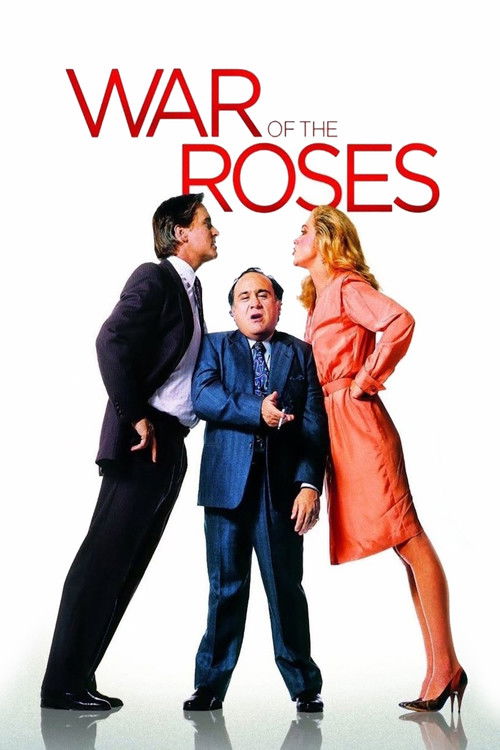
The War of the Roses1989
A pulp thriller about marriage as mutual destruction. Takes Contempt's theme—two people destroying each other—and runs it through melodrama and violence instead of alienation. Different register, same anatomy.
But Schlock. It's interested in the spectacle of a failing marriage, not its quiet tragedy. The tonal whiplash might feel cheap after Godard's restraint.
The Skin I Live In2011
Both are about men trying to remake women into ideals, and both understand that the failure is not incidental but inevitable. The visual beauty masks possession masquerading as love.
A Spanish psychological thriller about obsession, beauty, and the impossibility of controlling another person. It channels Contempt's visual precision and emotional coldness into a very different genre—but the core is the same: the desire to remake someone in your image, and its destruction.
But A thriller twist late in the film might feel like betrayal if you're expecting sophisticated ambiguity. Also visceral and occasionally gruesome, which Contempt never is.

Stalker1979
Both films are about the unbridgeable gap between what we pursue and what we actually want. Both use visual precision to describe spiritual emptiness. Tarkovsky took Godard's theme and made it cosmic rather than matrimonial.
Tarkovsky's three-hour pilgrimage across a mysterious zone in pursuit of a room that grants wishes. Like Contempt, it's about the distance between desire and reality, but through science fiction and metaphysics rather than domestic drama. Same spiritual temperature: beautiful, slow, devastating.
But Glacially paced. The camera dwells on landscape and emptiness. If you watch Contempt for plot, Stalker will feel like punishment.

People
Cast
 Brigitte BardotCamille Javal
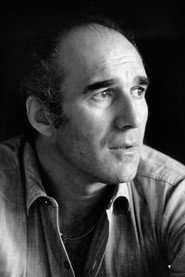 Michel PiccoliPaul Javal
 Jack PalanceJeremy Prokosch
 Giorgia MollFrancesca Vanini
 Fritz LangFritz Lang
 Raoul CoutardCameraman
 Jean-Luc GodardLang's Assistant Director
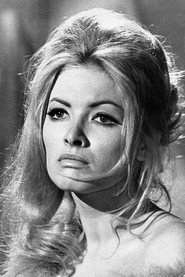 Linda VerasSirene
Directing
- Charles L. BitschAssistant Director
- Jean-Luc GodardDirector
- Suzanne SchiffmanScript Supervisor
Writing
- Alberto MoraviaNovel
- Jean-Luc GodardScreenplay
Production
- Carlo PontiProducer
- Georges de BeauregardProducer
- Joseph E. LevineProducer
- Carlo LastricatiProduction Manager
- Philippe DussartProduction Manager
- Annie ChauvetPublicist
- Bertrand TavernierPublicist
Recommended by
Swept Away, Pickpocket, The Boy Next Door, La Grande Bouffe, The Persecution and Assassination of Jean-Paul Marat as Performed by the Inmates of the Asylum of Charenton Under the Direction of the Marquis de Sade, A Summer's Tale, Untold Scandal, Scandal, Dangerous Love Affairs, State and Main, Masculin Féminin, Show People, Twentieth Century, My Best Fiend, Breathless, Nine 1/2 Weeks, Supernova, The Long, Hot Summer, Cold War, Helter Skelter, Opening Night, Appaloosa, The Stunt Man, Somewhere, The French Dispatch of the Liberty, Kansas Evening Sun, Pierrot le Fou, Mistress America, Hollywood, The Interpreter, Love in the Afternoon, Pillow Talk, The Housemaid, Babylon, JCVD, Head-On, Official Competition, Bullets Over Broadway, Chloe, The Passenger, Performance., My Night at Maud's, Il Sorpasso, Detective Story, The Trial of Joan of Arc, The Doors, Factotum, Cruel Story of Youth, Madonna: Truth or Dare, Winning, The Racers, Vicky Cristina Barcelona, Band of Outsiders, The Invisible Man, Gunfight at the O.K. Corral, Swimming Pool, La Notte, La Dolce Vita, Phantom of the Paradise, Two Weeks in Another Town, A Touch of Sin, Carnal Knowledge, A Decade Under the Influence, Two Women, A Bigger Splash, Bed and Board, The Way of the Dragon, Red Desert, That Man from Rio, Eisenstein in Guanajuato, Scenes from a Marriage, Omar, Darling, Confessions of a Window Cleaner, À propos de Nice, The Eyes of Orson Welles, Nénette, Pull My Daisy, Dead Men Don't Wear Plaid, The Great Rock 'n' Roll Swindle, They Won't Forget, Symbiopsychotaxiplasm: Take One, Film Socialisme, Salt and Fire, Eros, Weekend, Play It Again, Sam, Cameraman: The Life and Work of Jack Cardiff, The Girlfriend Experience, Intimacy, Testament of Orpheus, Madame Bovary, Stardust, Salon Kitty, Tout Va Bien, Lola, 2 or 3 Things I Know About Her, La Belle Noiseuse, Love in the Afternoon, The Fountainhead, Privilege, Jackie, Viva Maria!, Bergman Island, The French Lieutenant's Woman, Europa, Godard's Passion, A Question of Silence, Pasolini, All Rise, The Swindle, Murder in the First, Hooper, Breaker! Breaker!, Manon of the Spring, The Last Tycoon, Take the Money and Run, Made in U.S.A, Manson, Baal, Irma Vep, Sympathy for the Devil, A Woman Is a Woman, Common Law Cabin, Phaedra, Les Biches, Vivre Sa Vie, The Bitter Tears of Petra von Kant, The Eternal Husband, The Insult, First Name: Carmen, Vengeance Is Mine, The Soft Skin, When Evening Falls on Bucharest or Metabolism, Unfaithful, The Decameron, The Battle of the Sexes, King Lear, Every Man for Himself, Rise and Fall of a Small Film Company, Muriel, or the Time of Return, Irma Vep, The Married Woman, Clouds of Sils Maria, Two English Girls, Le Petit Soldat, Berlin Alexanderplatz, The Idiot, François Truffaut: Stolen Portraits, Tyrant, The Caiman, Marriage Italian Style, Mishima: A Life in Four Chapters, The Kreutzer Sonata, Madhouse, The Second Act, The Beaches of Agnès, Elegy, Check to the Queen, Final Analysis, An Ordinary Man, La Classe américaine, The Innocent, Identification of a Woman, Les Bonnes Femmes, Marked Woman, Blow Job, Thegidi, A New Leaf, The Hero, The Silence, The Five Obstructions, 24 Hour Psycho, 'Tis Pity She's a Whore, Jacquot, I Love You, Daddy, The Last Affair, Angels of Sex, Marie Curie, A Coffee in Berlin, The Trial: A Murder in the Family, Lawman, The Marriage of a Young Stockbroker, The Betsy, Stromboli, The Arrangement, Number Two, Divorce Italian Style, The Game, The Race, For Ever Mozart, Cecil B. Demented, Buffalo Bill and the Indians, or Sitting Bull's History Lesson, Will Success Spoil Rock Hunter?, The Stranger, A Place for Lovers, A Simple Story, Veruschka - Poetry of a Woman, Sentimental Education, Expresso Bongo, Europa '51, Young Mr. Lincoln, The Sleeping Car Murders, The Patsy, Drowning by Numbers, Camera Buff, L'Amour fou, Conversation Piece, The Aviator's Wife, Goodbye to Language, Investigation of a Citizen Above Suspicion, Last Night, Film About a Woman Who…, Don Giovanni, What's Up, Tiger Lily?, La Collectionneuse, Sri Siddhartha Gautama, What Just Happened, The Fan, Kara Para Aşk, Reckless, Yesterday, Today and Tomorrow, The Seduction of Mimi, The Mosquito Coast, Eros + Massacre, Zanzibar, Six Characters in Search of An Author, The Lickerish Quartet, The Inheritance, The State of Things, The Magnificent One, The Assassination of Trotsky, Jesus of Montreal, The Bitches, The Story of Piera, Once in a Lifetime, The Story of Sin, Mississippi Mermaid, Don Giovanni, The Woman Next Door, Nobody Else But You, Alex in Wonderland, Sweet Liberty, The Apparition, Indiscretion of an American Wife, WR: Mysteries of the Organism, Dead Pigeon on Beethoven Street, Stage Struck, Ten