
Film
The Stunt Man
A fugitive becomes a stunt man on a film set run by a charismatic, godlike director—a 1980 metafilm that plays with perception, reality, and the cost of artistic ambition. It's dizzying, playful, and deliberately slippery about what you're watching. For people who love cinema talking about itself.
If you liked this
Singin' in the Rain1952
The obvious DNA ancestor: a film about filmmaking that never stops dancing between cynicism and joy. Spectacle, romance, and the machinery of dreams all at once.
But The musical numbers run long, and the tone can feel lightweight if you're braced for something darker.

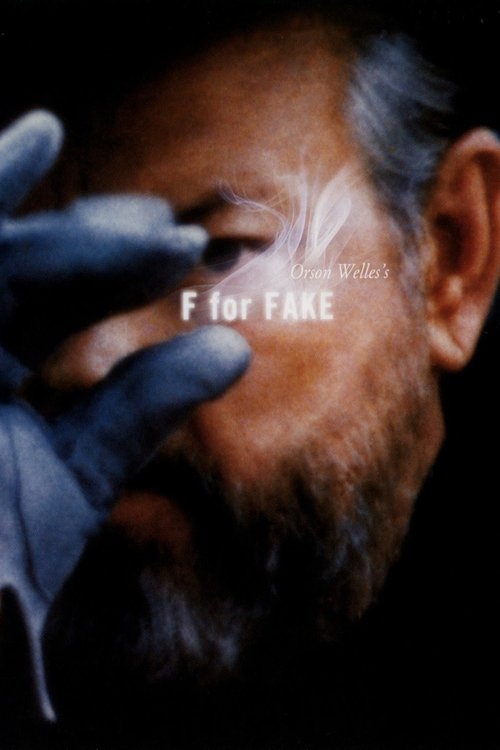
F for Fake1973
Welles' essay-film about deception and art mirrors *The Stunt Man*'s obsession with truth and illusion. Dazzling editing makes the medium itself the message; you leave dizzy.
But It's deliberately fragmented and won't explain itself. Requires active attention and tolerance for formal experimentation.
Contempt1963
Godard's film-within-a-film about a director's God complex and a marriage crumbling on set. Languid, philosophical, and gorgeously shot. The real subject is artistic vision destroying everything in its path.
But The pace is glacial and the dialogue can feel static. Not for viewers who need plot momentum.

Not sure tonight? Get a pick in a minute, starting from The Stunt Man
The wildcard
Something you would not have found on your own.
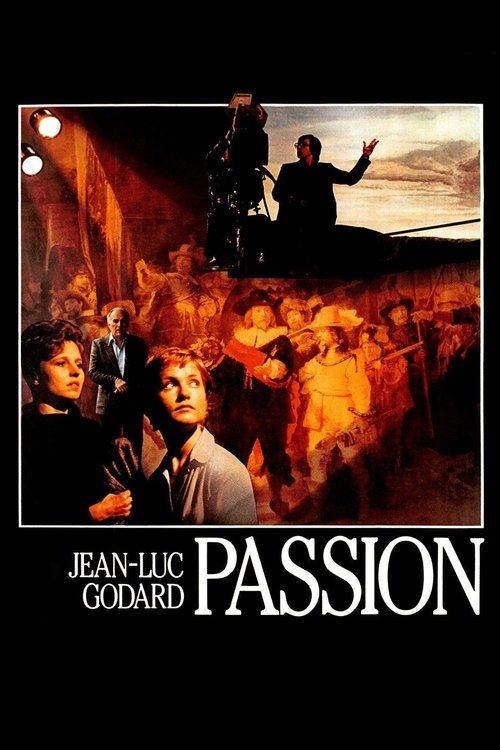
Godard's Passion1982
Both films make the director a godlike figure whose vision corrupts everyone around him; both are baroque meditations on the separation between art and reality.
Godard's most baroque film: a director recreates classical paintings while his own life fractures into jealousy and creative rage. Shot in lurid color, dizzying and strange. The connection: both films see cinema as a fever dream where the director is a demiurge destroying everything he touches.
But It's nearly incomprehensible on first viewing—narrative gives way to visual and sonic collage. The politics are opaque; the sensuality is overwhelming.
More like this (8)
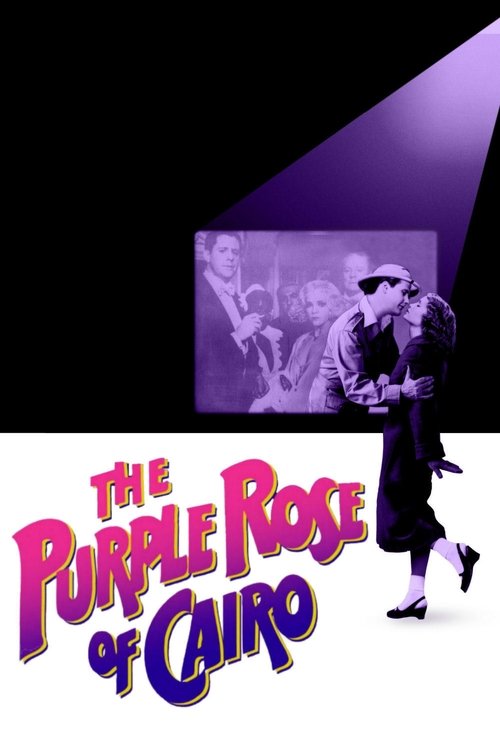
The Purple Rose of Cairo1985
Allen's meditation on cinema as escape and the dangerous hunger for it. A film character steps off the screen into reality—pure wish-fulfillment that curdles into something more complex.
But The whimsy might feel saccharine if you're not in the mood for romantic melancholy dressed up in pastels.
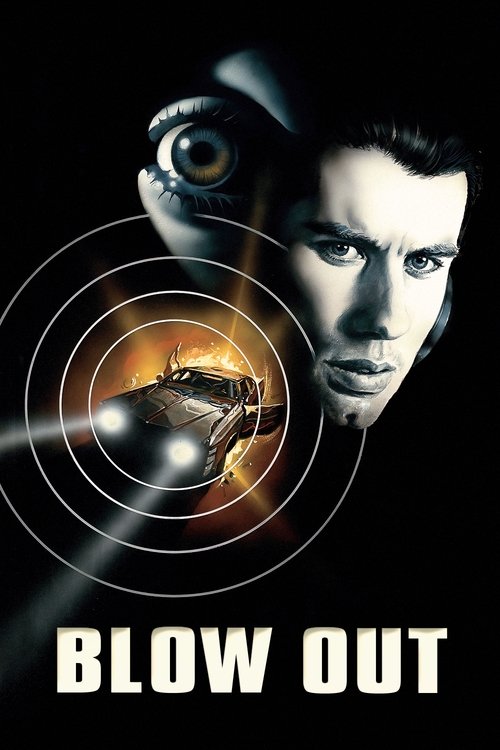
Blow Out1981
De Palma's paranoid thriller about a sound technician caught in a conspiracy. Technically dazzling, morally murky, and obsessed with what recording reveals versus obscures. A perfect paranoia companion piece.
But The plot mechanics can feel overstretched, and the violence toward women is unsettling in ways the film doesn't always earn.
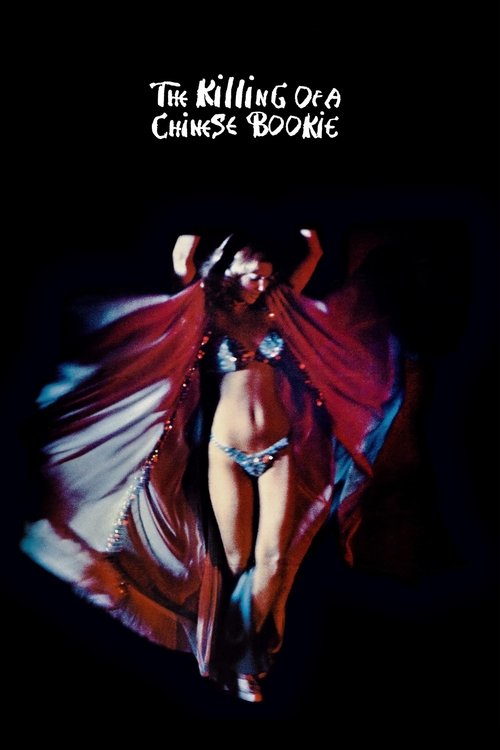
The Killing of a Chinese Bookie1976
Cassavetes' nocturnal fever dream about a strip-club owner sucked into debt and darkness. Improvisational, intimate, beautifully ugly. The atmosphere is intoxicating.
But The dialogue overlaps, the editing is fragmentary, and the narrative barely holds. Demands patience and surrender.
Inland Empire2006
Lynch's three-hour descent into the madness of performance and identity. Shots on video, non-linear, gorgeous and grotesque. A director at his most uncompromising about the cost of creation.
But It's punishingly long, repetitive, and deliberately resists meaning. Many people find it exhausting rather than transcendent.

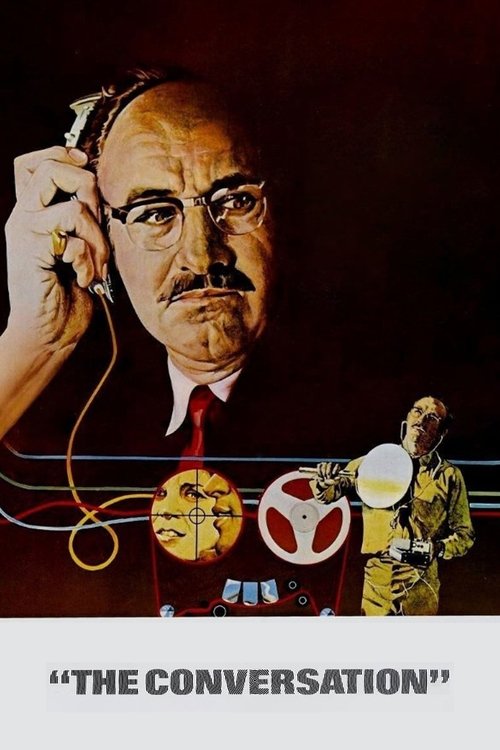
The Conversation1974
Coppola's thriller about a surveillance expert losing control of his creation. Paranoid, morally ambiguous, and quietly devastating. The perfect film about unintended consequences.
But It moves slowly, and the resolution is philosophically bleak in a way that leaves you unsettled rather than satisfied.
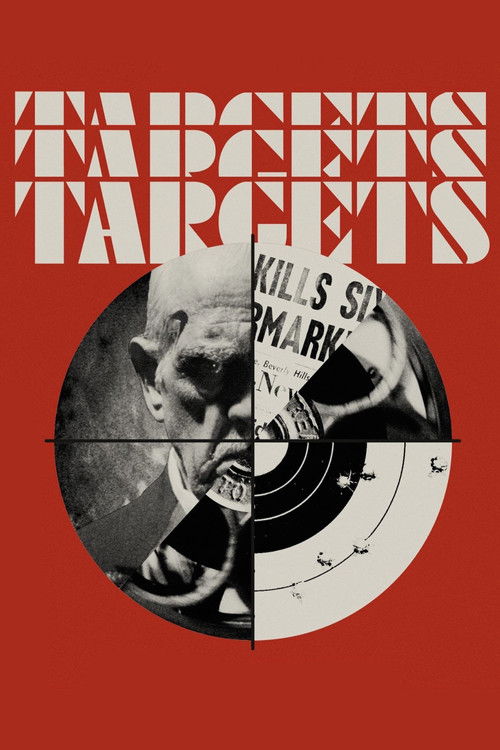
Targets1968
Bogdanovich's debut about a sniper and an aging horror star. Low-budget, ingenious, and genuinely tense. A formal exercise that doubles as a commentary on American violence and entertainment.
But The second half becomes an extended, real-time standoff that some find tedious rather than suspenseful.
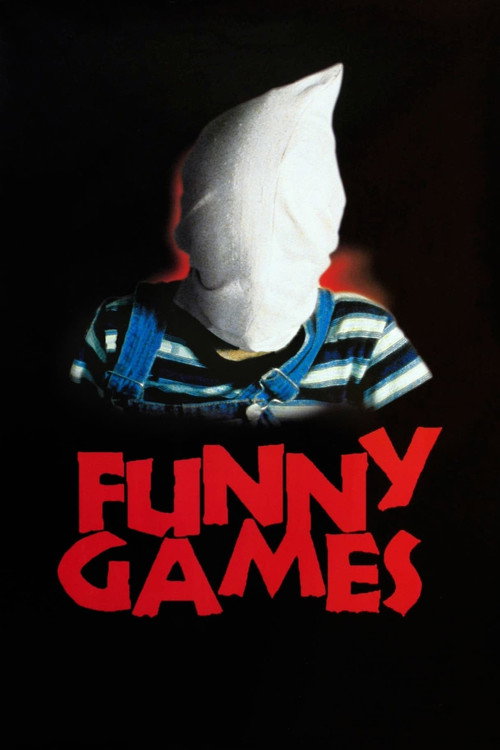
Funny Games1997
Like *The Stunt Man*, it weaponizes the audience's relationship to cinema itself, making us question what we're enjoying and why.
Haneke's home-invasion film that breaks the fourth wall and makes you complicit in the violence you're watching. A scathing attack on cinema's complicity in spectacle. Brilliant, cruel, unforgettable.
But The violence is graphic and sustained, and the film's self-awareness doesn't soften the brutality—it amplifies it. Some find it punishing rather than illuminating.
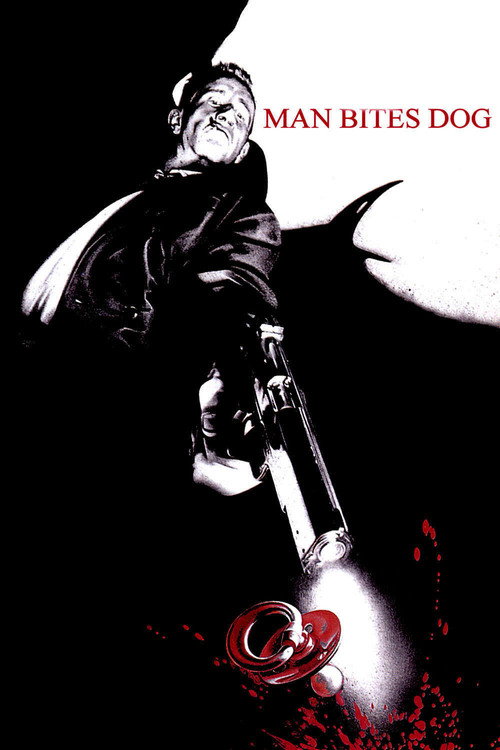
Man Bites Dog1992
All three films weaponize cinema's power to seduce and corrupt; all show crews and collaborators losing their moral footing in service to the image.
A Belgian mockumentary following a film crew documenting a serial killer. The crew becomes corrupted by proximity to horror; the camera implicates everyone. Blackly comic, formally ingenious, genuinely transgressive.
But It's shot on grainy video, the pace is scattered, and the violence—while satirical—is still violence. The satire lands harder if you already resent true crime.
People
Cast
 Peter O'TooleEli Cross
 Steve RailsbackCameron
 Barbara HersheyNina Franklin
 Alex RoccoJake
 Sharon FarrellDenise
 Adam RoarkeRaymond Bailey
 Philip BrunsAce
 Charles BailChuck Barton
 John GarwoodGabe / Eli's Cameraman
- Jim HessHenry / Eli's Camera Assistant
- John PearceGarage Guard
Directing
- Richard RushDirector
- Frank BeetsonFirst Assistant Director
- Terry TerrillScript Supervisor
- Paula MarcusSecond Assistant Director
Writing
- Richard RushAdaptation
- Paul BrodeurNovel
- Lawrence B. MarcusScreenplay
Production
- Paul LewisAssociate Producer
- Melvin SimonExecutive Producer
- Emile RazpopovPost Production Coordinator
- Richard RushProducer
- Susan TitleProduction Coordinator
- Frank BeetsonUnit Production Manager
Recommended by
8½, Two Weeks in Another Town, A Star Is Born, Hooper, Rise and Fall of a Small Film Company, Irma Vep, Hot Pants, Zanzibar, Valentino, Viva Knievel!, Once in a Lifetime