
Film
Rise and Fall of a Small Film Company
A 1986 French comedy about the friction between a struggling producer and an ambitious director trying to mount a film. Jean-Pierre Mocky's sardonic eye finds dark humor in the vanity and desperation that drive the film industry, tracing how egos, ambition, and sexual politics corrode a fragile deal. It's a insider's game played by people who know the rules too well.
If you liked this
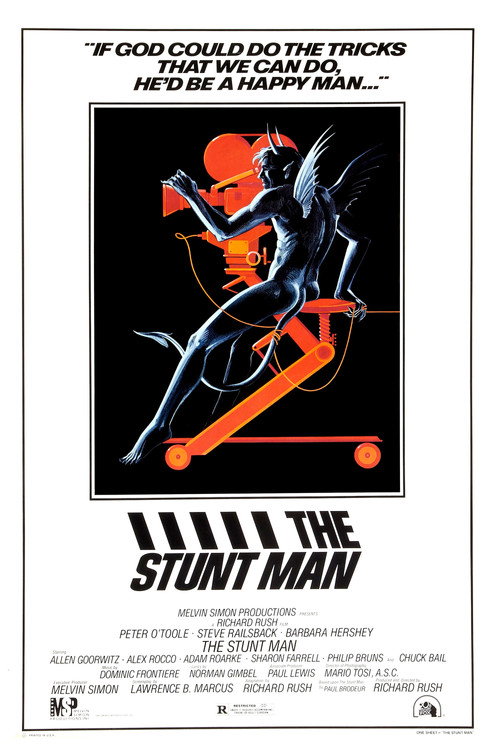
The Stunt Man1980
Peter O'Toole as a megalomaniac director orchestrating chaos on a film set, with layers of performance and manipulation that cut right to the heart of filmmaking as delusion and power play.
But The narrative gets tangled deliberately; some viewers find the meta-games exhausting rather than clever.
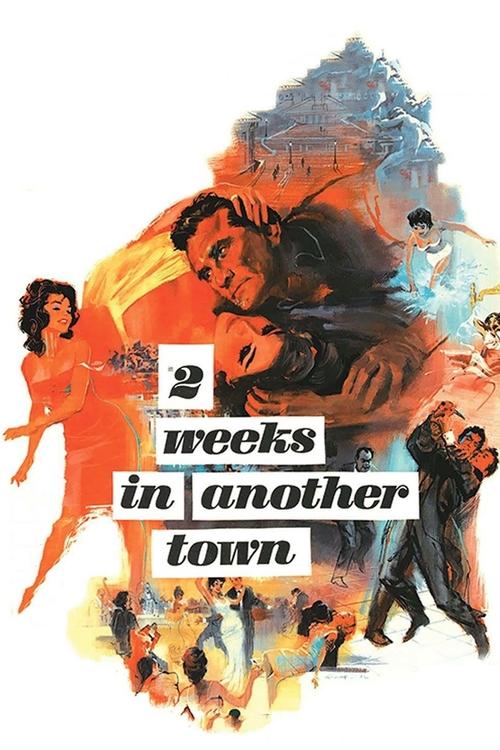
Two Weeks in Another Town1962
Kirk Douglas as a washed-up actor trying to rebuild his life in Rome while a famous director exploits his desperation. A sharper, nastier take on industry machinery and male ego in crisis.
But The pacing is slow and the emotional register is bleak; it doesn't offer easy catharsis.
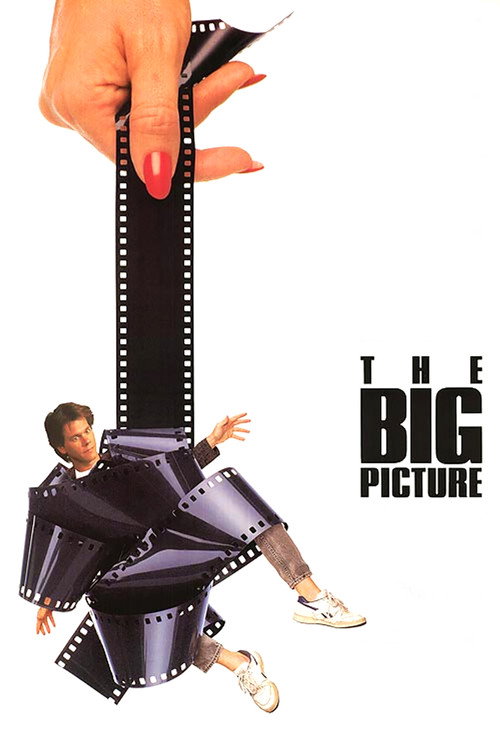
The Big Picture1989
Kevin Bacon as a film school graduate crushed by Hollywood's indifference and manipulation. Genuinely dark comedy about how the system chews up idealism and spits out compromise.
But It's more acidic than funny, and watching good people get ground down isn't everyone's idea of entertainment.
Not sure tonight? Get a pick in a minute, starting from Rise and Fall of a Small Film Company
The wildcard
Something you would not have found on your own.
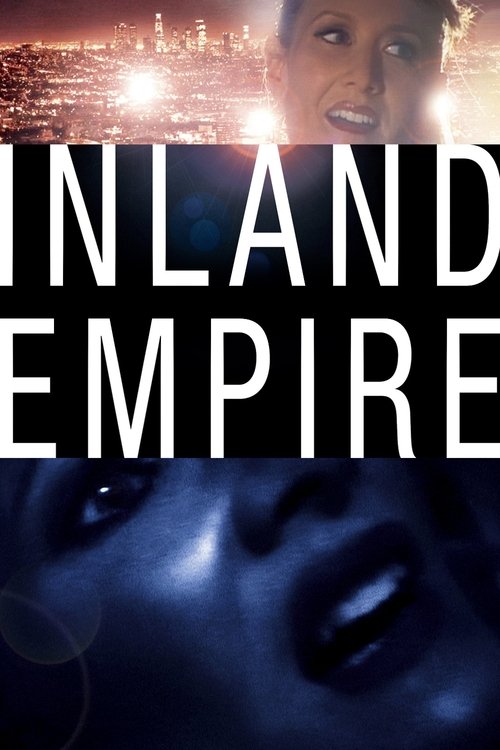
Inland Empire2006
Both films are about the destabilization that occurs when you try to create something that requires lying about yourself. Mocky watches from outside the fever; Lynch puts you inside it.
David Lynch's three-hour descent into an actress's fractured consciousness during a film shoot. It's about Hollywood as pure fever dream: the merging of self and role, the dissolving boundaries between life and performance.
But It's deliberately opaque, shot on digital video, and structure is nearly nonexistent. Patience and surrender are prerequisites.
More like this (6)
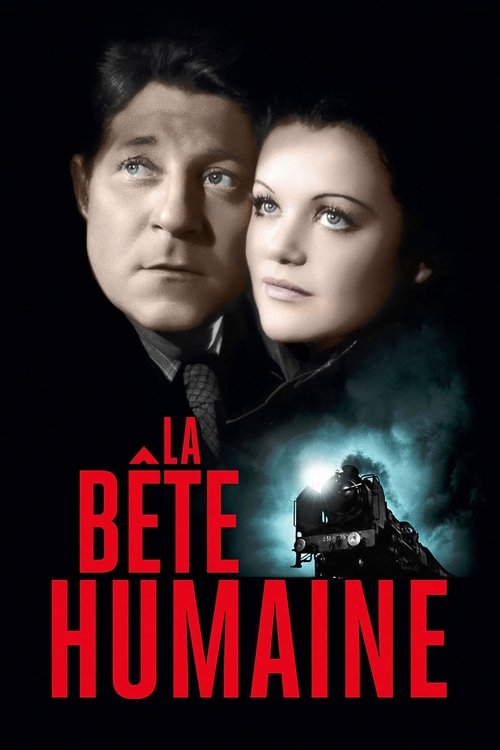
La Bête Humaine1938
Renoir's masterpiece about desire, murder, and the collision of grand passion with human weakness. The moral rot beneath beautiful surfaces is Mocky's inheritance from this tradition.
But It's 1938 cinema, which means patience with pacing and a willingness to read the subtext rather than see it spelled out.
Contempt1963
Godard's film about the breakdown of a marriage within a film production, shot in gorgeous color. The industry machinery is secondary; what matters is how proximity breeds contempt.
But Godard's approach is essayistic and digressive; viewers expecting plot momentum will be frustrated.

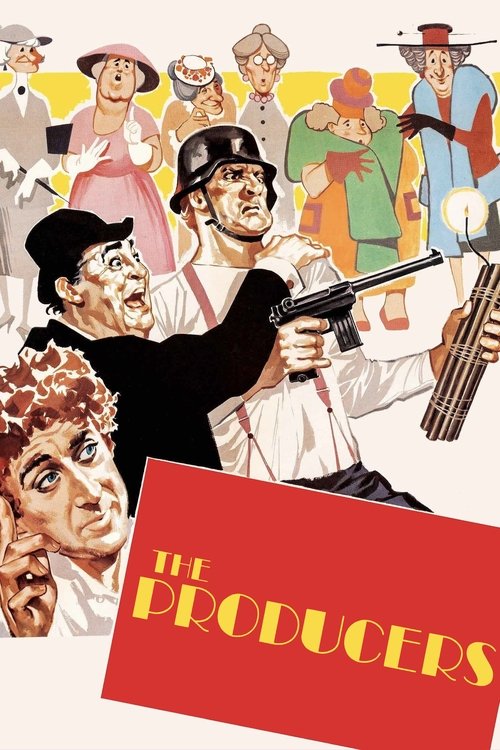
The Producers1968
Mel Brooks' blackly comic portrait of two con men trying to mount a Broadway show. The schemes, the desperation, the collapsing ethics—it's the DNA of every industry satire after it.
But The humor is broad and the satire wears its intentions on its sleeve; it lacks Mocky's observational cruelty.
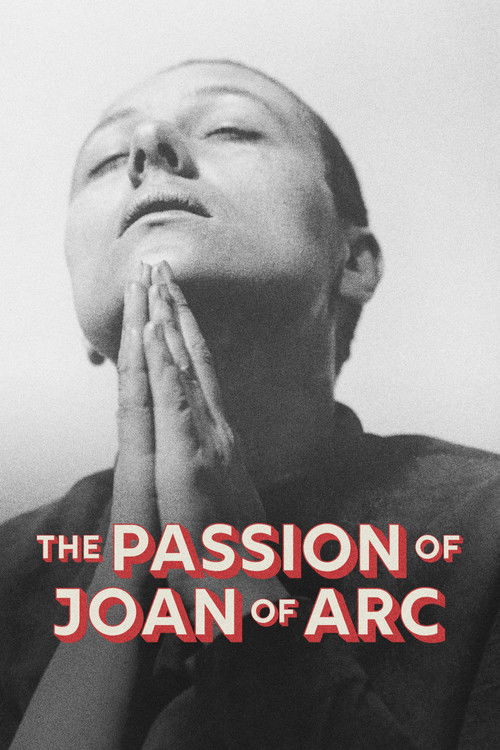
The Passion of Joan of Arc1928
Jean-Pierre Léaud (who appears in Mocky's film) in a different register entirely: Bresson's transcendent close-up study of faith tested. His face becomes the film.
But It's silent cinema at its most austere; the emotional register is martyrdom, not industry intrigue.
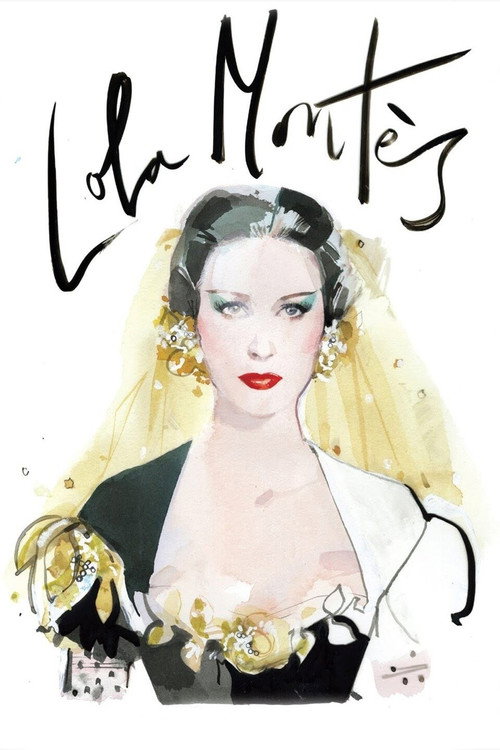
Lola Montès1955
Max Ophüls' baroque meditation on performance, fame, and the cost of being looked at. It's about the machinery that manufactures and destroys desire.
But It's a circus of a film, deliberately artificial and dense; some find it overwrought.
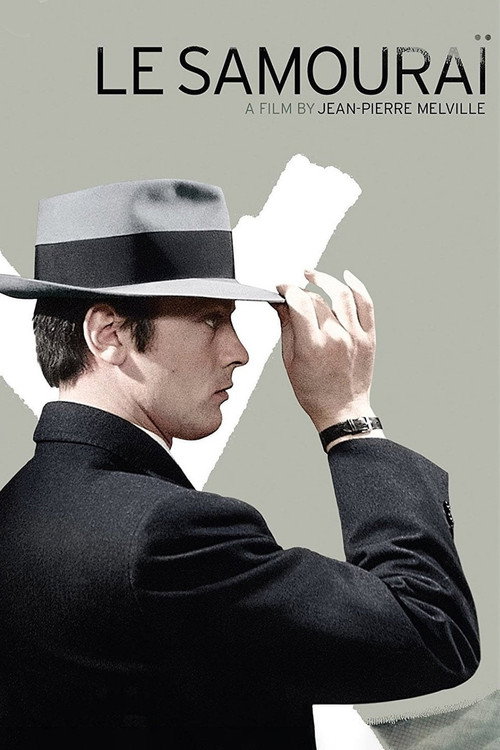
Le Samouraï1967
Both explore how people become vessels for other people's desires and scripts. One is explicit about the game; one pretends there's no game at all.
Jean-Pierre Melville's ice-cold portrait of a professional killer navigating Paris. It's about a man performing a role so completely that authenticity becomes impossible to locate—a mirror of the film industry's obsession with surfaces.
But It's spare to the point of minimalism; there's virtually no psychological interiority, only gesture and code.
People
Cast
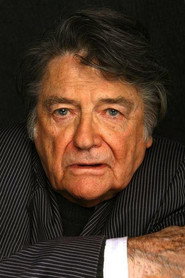 Jean-Pierre MockyJean Almereyda
- Marie ValeraEurydice
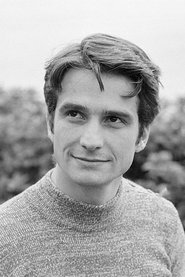 Jean-Pierre LéaudGaspard Bazin
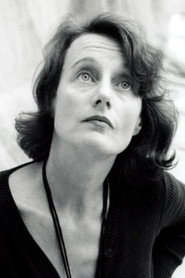 Caroline ChampetierCarol
 Nathalie RichardSelf
 Jean-Luc GodardSelf (uncredited)
Directing
- Marie-Christine BarrièreAssistant Director
- Reynald CalcagniAssistant Director
- Richard DebuisneAssistant Director
- Jean-Luc GodardDirector
Writing
- James Hadley ChaseNovel
- Jean-Luc GodardWriter
Production
- Claude de GivrayProducer
- Jean-Luc GodardProducer
- Pierre GrimblatProducer
- Raymond VouillamozProducer