
Film
La Bête Humaine
- Drama
- Very dark
Renoir's 1938 masterpiece traces desire and violence aboard and around a steam locomotive, where a troubled railwayman becomes entangled with a stationmaster's wife. Shot with documentary precision and shot through with fatalism, it's a tragedy that feels less plotted than observed. For anyone who believes cinema truly begins with the Europeans.
Should you watch it?
Watch it if you love doomed, smoldering romances where the atmosphere of railway yards, steam and dread does as much of the storytelling as the dialogue does.
Skip it if you want brisk plotting or a warm, lighter evening; this one lingers in moods and simmering tension, and its pace will feel slow to anyone expecting momentum.
What it asks of you: Runs about ninety-eight minutes and asks for patience with long, quiet stretches, then a tightening grip; you need to be willing to sit with unease rather than be rewarded at every turn.
Not sure? Find tonight's pick in a minute.
If you liked this
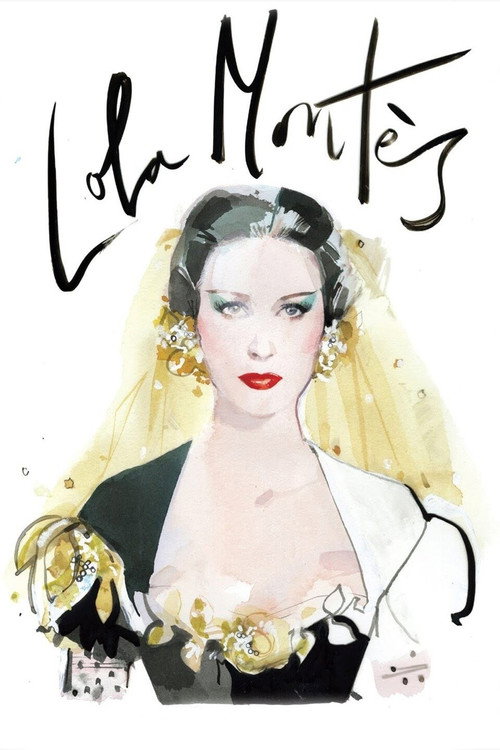
Lola Montès1955
Ophüls' final film is a dizzying, emotionally devastating carousel of beauty and humiliation. Like La Bête, it captures desire as a force that destroys the moment it's satisfied, and finds tragedy in performance itself.
But The frame-within-frame structure can feel mannered on first viewing. It's difficult in a way that demands your full attention.
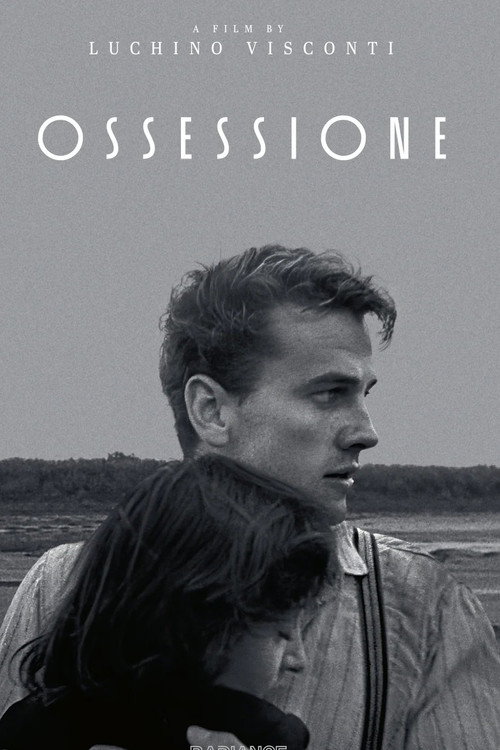
Obsession1943
Visconti's debut smuggles noir into Italian neorealism—working-class characters crushed by circumstance and sexual longing. The same engine as La Bête, running on a different fuel. Hypnotic and morally pitiless.
But The print quality can be grainy and worn. It's a film that feels like a ghost even when you're watching it.
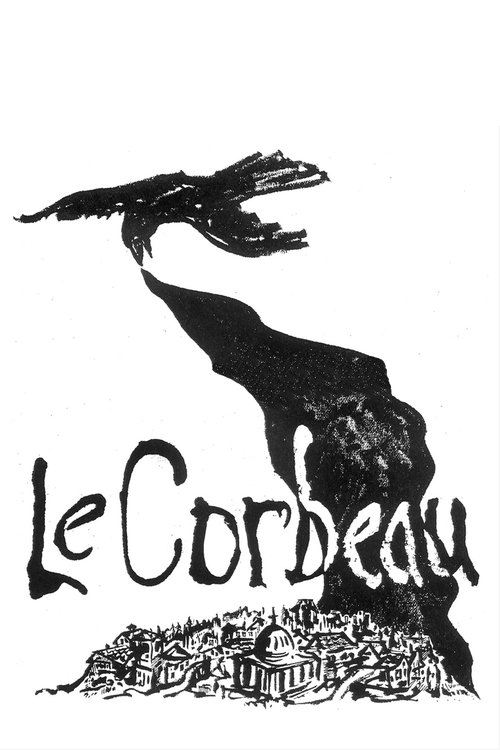
Le Corbeau1943
Clouzot's poison-pen thriller shares Renoir's fascination with small communities where desire and malice breed corruption. It's a masterclass in paranoia and the violence of secrets, rendered in beautiful, suffocating detail.
But The pacing is deliberate—this is not a film that rushes. Some will find the middle stretch slow.
Not sure tonight? Get a pick in a minute, starting from La Bête Humaine
The wildcard
Something you would not have found on your own.
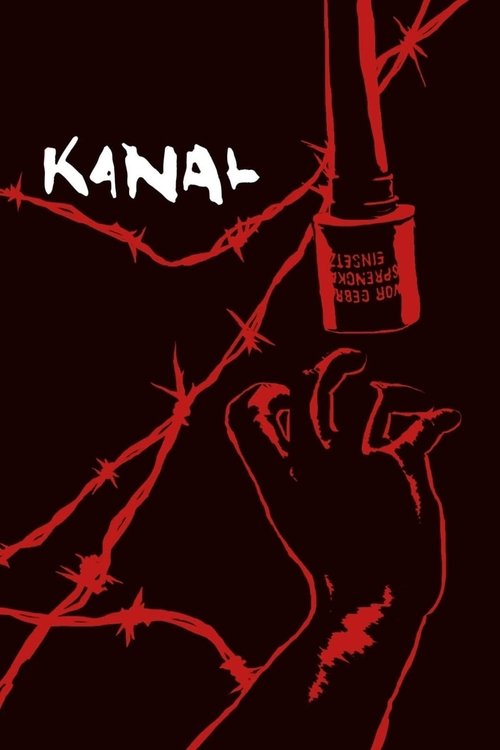
Kanal1957
Both are fatalist tragedies where the environment (locomotive/sewer) becomes inescapable; both suggest men are doomed by forces larger than choice or morality.
Wajda's Polish masterpiece about soldiers escaping through Warsaw's sewers is a descent into hell that's structured exactly like La Bête—a closed system where exit leads only deeper into death. Both are about being trapped in your own nature and your own era.
But It's graphically violent and nihilistic in ways that can feel punishing. Not a film that offers comfort or resolution.
More like this (5)
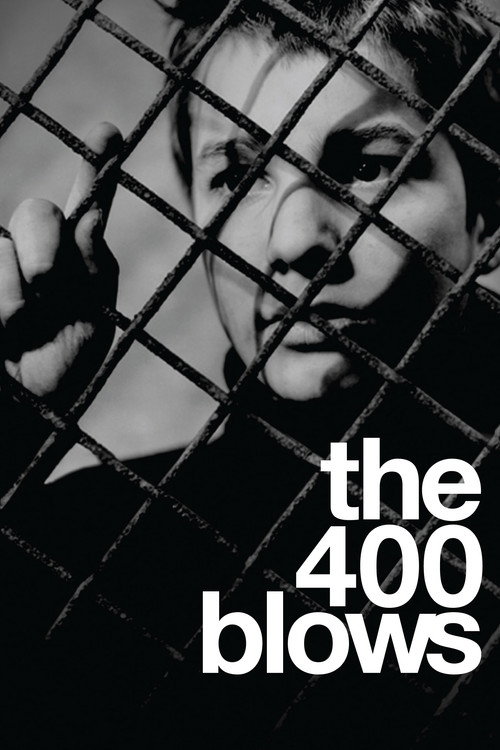
The 400 Blows1959
Truffaut's breakthrough captures childhood disintegration with the same poetic naturalism Renoir brought to adult tragedy. There's an ache to both films about how easily lives derail, and how little anyone can do about it.
But It's deeply sad. Not depressing, but you'll feel the weight of it for days afterward.
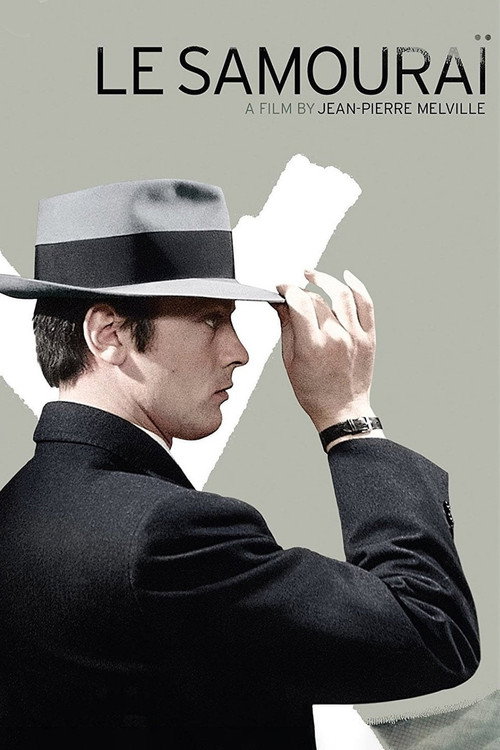
Le Samouraï1967
Melville strips the plot down to ritual and alienation. Like La Bête, it's about a man whose nature—compulsion, really—makes connection impossible. Hypnotic, economical, and utterly controlled.
But Minimal plot, minimal dialogue. If you need narrative momentum, this will feel glacial.
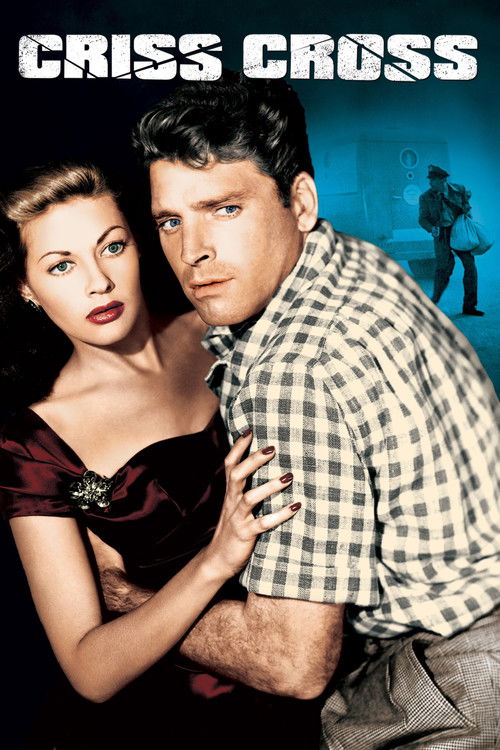
Criss Cross1949
Siodmak's noir recycles the obsession plot through American crime—a man undone by returning to a woman he should have left alone. It has La Bête's tragic inevitability, compressed into 85 noir-dark minutes.
But It's a Hollywood film, which means less ambiguity and more plot machinery than Renoir allows.
Hiroshima Mon Amour1959
Both use intimate relationships to explore how the past—personal or historical—makes the present unsustainable; both suggest desire is a form of haunting.
Resnais and Duras fold La Bête's obsession into memory and the impossibility of connection across trauma. It's experimental and austere, but the core is identical: passion as a force that destroys by its very nature.
But The fractured narrative and theoretical dialogue can feel more like an essay than a story. It asks you to meet it halfway.
Singin' in the Rain1952
Both explore people trapped by their circumstances and locked into performances (sexual, professional) they cannot escape; both have genuine darkness beneath their surfaces.
A seeming genre-flip that's actually a hidden cousin: Gene Kelly's tap-dancing stunt double is trapped by circumstance and ambition in the same way Lantier is trapped by his nature. It's a musical about coercion dressed in glitter, and it's as dark as La Bête under the production numbers.
But If you come looking for tragedy, the genre will work against you. It requires accepting that a musical can be saying something merciless.

People
Cast
 Jean GabinLantier
 Simone SimonSéverine
 Fernand LedouxRoubaud
 Julien CarettePecqueux
 Blanchette BrunoyFlore
 Gérard LandryDauvergne
 Jenny HéliaPhilomène
 Colette RégisVictoire
 Claire GérardVoyager
 Charlotte ClasisAunt Phasie
 Jacques BerliozGrandmorin
- Tony CorteggianiDabadie
Directing
- Claude Renoir Sr.Assistant Director
- Suzanne de TroeyeAssistant Director
- Jean RenoirDirector
Writing
- Émile ZolaNovel
- Jean RenoirScreenplay
Production
- Frédéric LiotierAdministration
- Raymond HakimProducer
- Robert HakimProducer
- Roland TualProduction Director
- Grégoire MetchikianProduction Manager
Recommended by
Double Indemnity, In the Company of Men, Zero Hour!, The Walking Dead: Daryl Dixon, The Poseidon Adventure, Outer Banks, The Fugitive Kind, Vanity Fair, Christy, Chappaquiddick, Ridicule, Runaway Train, Which Way Home, 20 Million Miles to Earth, Brute Force, A Place to Call Home, Ziegfeld Follies, The Secret in Their Eyes, Falling Skies, Port of Shadows, Rookie Blue, Seal Island, Brazilian Western, Penny Dreadful: City of Angels, Krakatoa, East of Java, City on Fire, Marseille, Luna Nera, Werewolf of London, The Lower Depths, The Unseen, The Wave, Rise and Fall of a Small Film Company, Mission Mangal, The Country Girl, Beloved Sisters, Survivors, Fire of Love, The Sadistic Baron Von Klaus, Somos., The Transcontinental Railroad, The Big Steal, The Unfaithful, The Secrets We Keep, The Devil's Violinist, Occupation: Rainfall, The Whistlers, Coup!, Blade: The Series