
Film
The Fugitive Kind
Marlon Brando as a drifter arrives in a dying Southern town and becomes entangled with a storekeeper's wife and the local wild-child. Sidney Lumet directs this steamy adaptation of Tennessee Williams with genuine sensuality and dread—less a plot than a pressure cooker where desire, shame, and mortality collide. For anyone drawn to lurid mid-century American melodrama with artistic ambition.
Should you watch it?
Watch it if you love Tennessee Williams-style Southern talk where desperate people circle each other in a sweltering general store, and you enjoy big, florid acting that wears its heart on its sleeve.
Skip it if you find stagy, overheated dialogue and melodrama hard going, since the emotions are pitched high and rarely let up, even when the story slows.
What it asks of you: It asks for patience with two hours of talk and simmering heat, a slow, intimate study of people rather than a brisk story moving forward.
Not sure? Find tonight's pick in a minute.
If you liked this
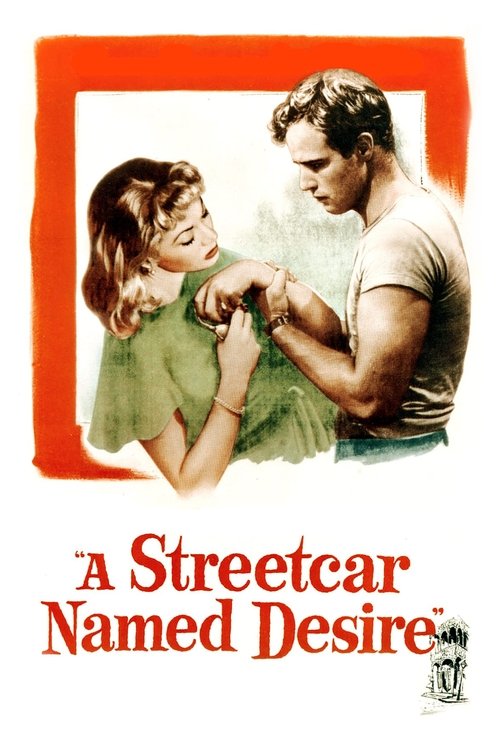
A Streetcar Named Desire1951
Vivien Leigh and Marlon Brando in another Tennessee Williams masterpiece about desire and class collision. Raw, electric, and operating in the same register of Southern Gothic passion and violence.
But The rape scene remains deeply disturbing, and the film's morality feels archaic—trauma functions as plot rather than being reckoned with honestly.
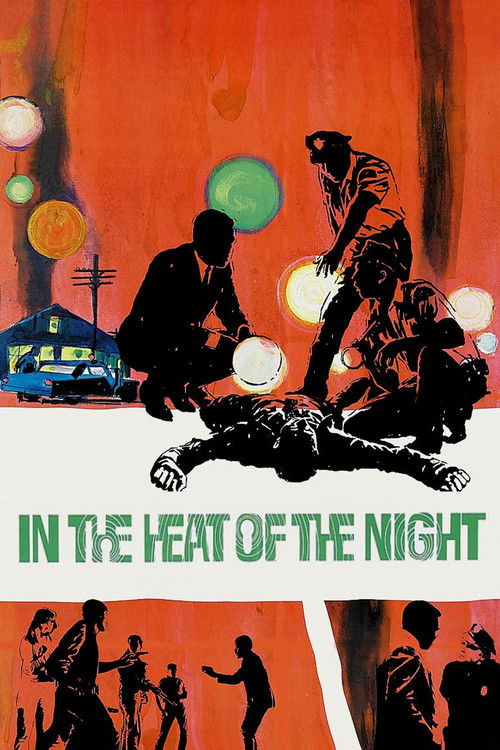
In the Heat of the Night1967
Sidney Poitier and Rod Steiger in a Southern town where racial and sexual tensions simmer beneath surface civility. Like The Fugitive Kind, it understands how small towns weaponize convention and gossip.
But The mystery plot sometimes feels secondary to the characters' friction, and the resolution can feel pat compared to the genuine unease it generates.
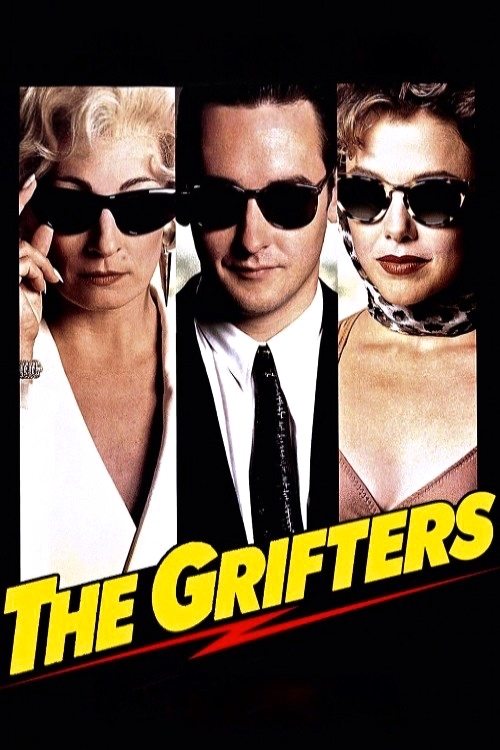
The Grifters1990
Con artists and small-time drifters circling each other with sex and money at stake. The same trap-like inevitability, the same sense of a protagonist whose magnetism is also his doom.
But It's cynical to the bone about desire and human nature. There's no redemption available, and the nihilism can feel exhausting rather than bracing.
Not sure tonight? Get a pick in a minute, starting from The Fugitive Kind
The wildcard
Something you would not have found on your own.
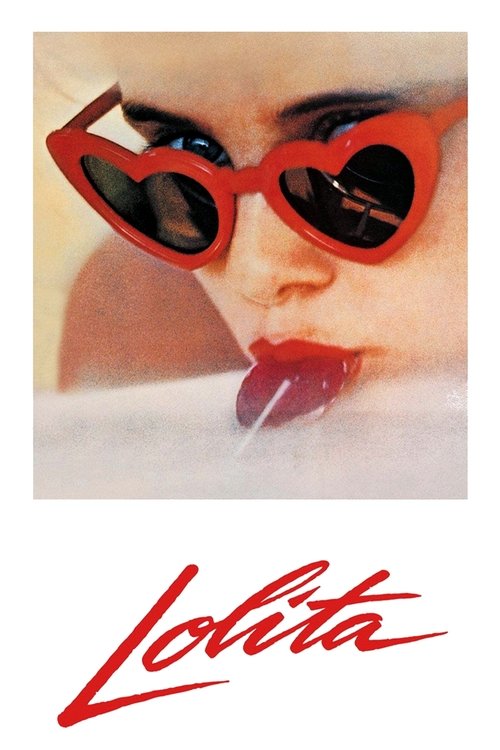
Lolita1962
Both films explore the gap between a man's surface magnetism and his actual nature, and both use provincial settings to expose how desire corrupts respectability.
Stanley Kubrick's adaptation of Nabokov, with James Mason as Humbert Humbert—a seductive, cultured man whose desire is monstrous. Like The Fugitive Kind, it examines a protagonist whose charm is complicit in his corruption, though here the moral reckoning is sharper.
But The film walks a tightrope with its subject matter and doesn't always land safely; some viewers experience it as either too sympathetic or too opaque about its own morality.
More like this (7)
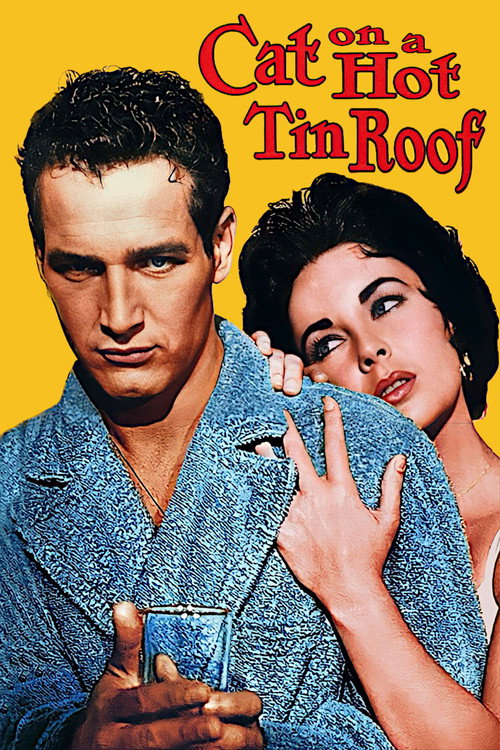
Cat on a Hot Tin Roof1958
Paul Newman and Elizabeth Taylor in another Williams adaptation about a marriage corroded by longing, infidelity, and unspoken resentment. The same stickiness and dread, slightly more accessible.
But The Hollywood ending waters down Williams' original despair, and the censorship-era compromises are visible—you can feel what was excised.
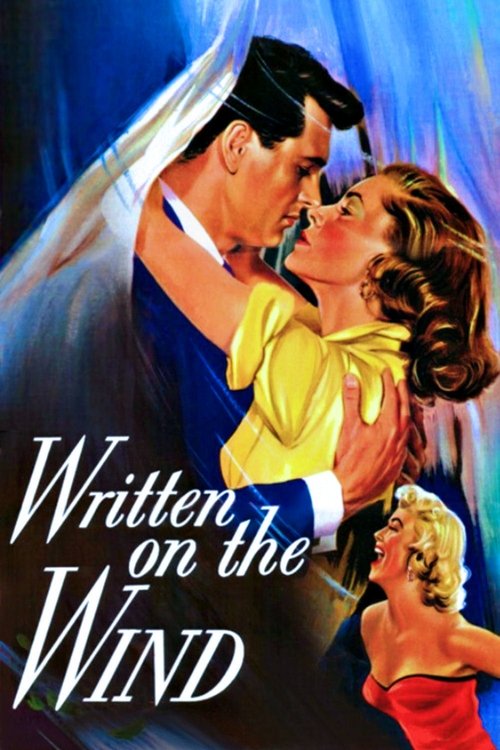
Written on the Wind1956
Rock Hudson and Lauren Bacall in a soap opera about desire and family pathology. Melodrama that earns its intensity through Technicolor intensity and genuine emotional damage beneath the surfaces.
But It's fully committed to being melodrama—if you need subtlety or restraint, the baroque emotional excess will exhaust you.
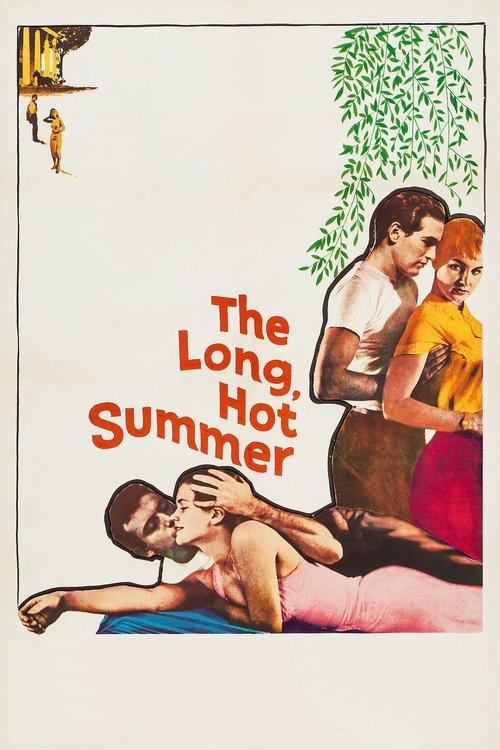
The Long, Hot Summer1958
Paul Newman again, this time as a drifter arrival in another Williams-adjacent Southern town. The same sexual tension, class dynamics, and small-town hypocrisy, slightly more plot-driven and less suffocating.
But It's more conventional and less genuinely unsettling than The Fugitive Kind—sometimes the safety of genre feels like a step down.
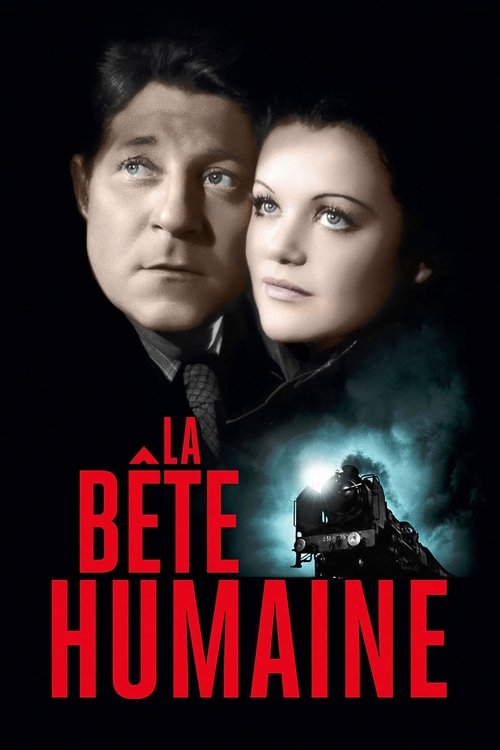
La Bête Humaine1938
Jean Renoir's Zola adaptation about a locomotive driver whose sexual jealousy destroys everyone around him. The same fatalistic engine, the same sense that desire is something destructive to have or to inspire.
But It's French cinema from 1938, and the pacing is leisurely by modern standards. Also, the fatalism can feel crushing if you're looking for hope.
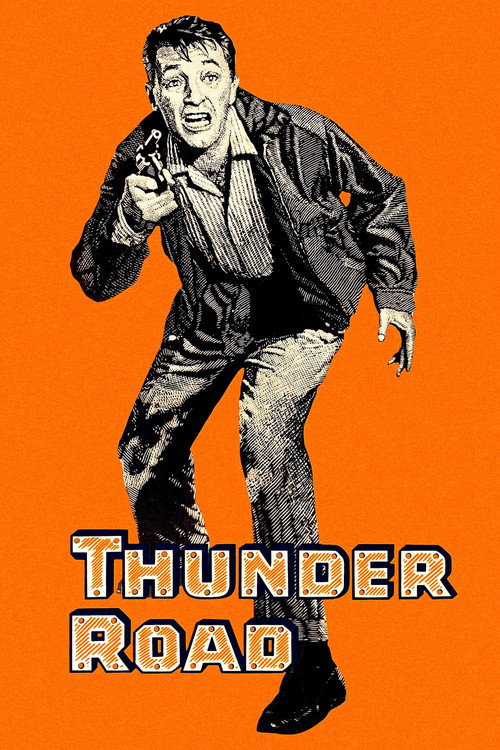
Thunder Road1958
Robert Mitchum as a doomed drifter-outsider in the American South, caught between family loyalty and self-destruction. The same mythic sense of a man whose charm can't save him from what he is.
But It's a low-budget B-picture that looks it, and the pacing is uneven. The mythology doesn't always transcend the modest production around it.
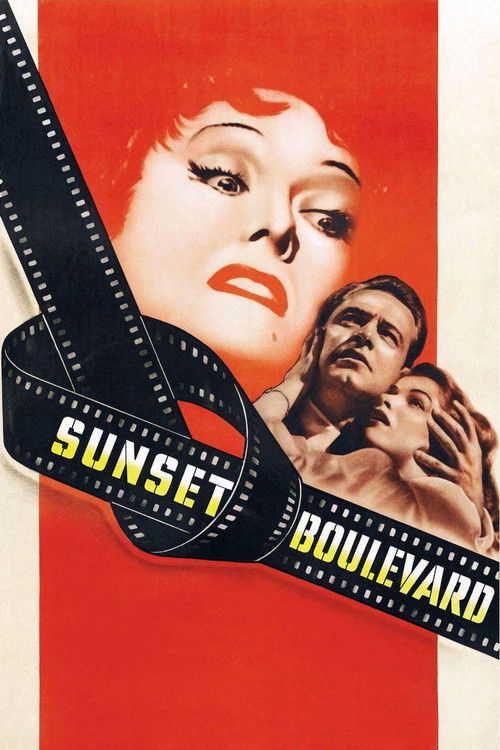
Sunset Boulevard1950
Both feature a magnetic outsider who becomes fatally entangled with a woman of means in a confined, decadent space. Both are about desire as a mutual trap, not a plot device.
Billy Wilder's noir about a drifter-screenwriter sucked into a wealthy woman's delusion. The same trap-like inevitability, the same sensuality mixed with dread, the same sense that the protagonist is complicit in his own destruction.
But It's pessimistic and glacially paced by modern standards. The Hollywood self-criticism, while sharp, can feel dated if you don't know the studio system.
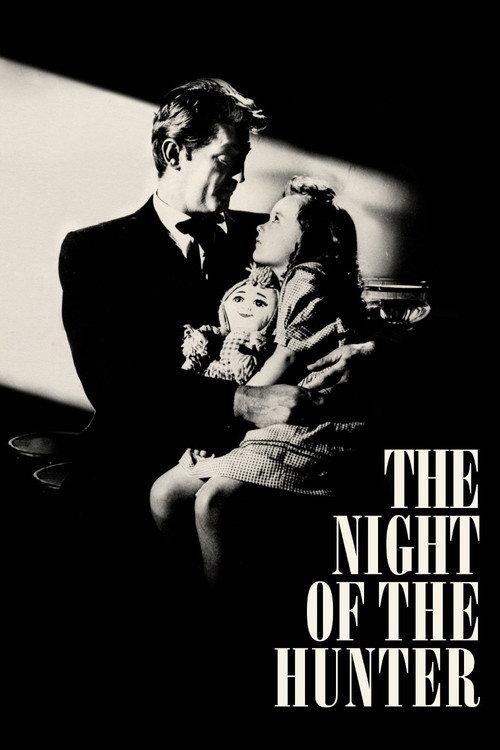
The Night of the Hunter1955
Both use the charisma of a morally damaged man as the central engine of the narrative, both embed American violence and hypocrisy in Southern Gothic style, and both suggest that charm is a weapon.
Charles Laughton directs this Gothic thriller about a charismatic con man preacher who pursues children. Gothic Americana in black and white, with a visual intensity and moral darkness that matches The Fugitive Kind's dread.
But It's a horror film thinly disguised as a thriller, and the artificiality of the sets and style isn't softened by naturalism. The menace is stylized rather than realistic.
People
Cast
 Marlon BrandoValentine 'Snakeskin' Xavier
 Anna MagnaniLady Torrance
 Joanne WoodwardCarol Cutrere
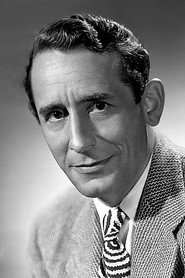 Victor JoryJabe Torrance
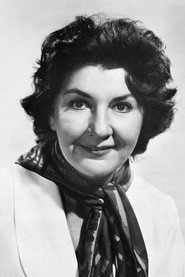 Maureen StapletonVee Talbot
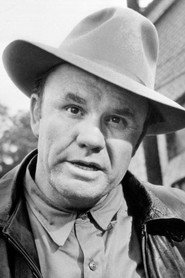 R.G. ArmstrongSheriff Jordan Talbott
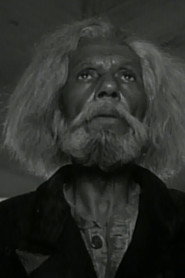 Emory RichardsonUncle Pleasant, the Conjure Man
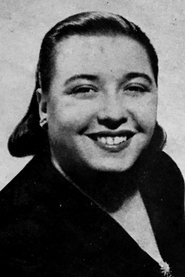 Madame SpivyRuby Lightfoot
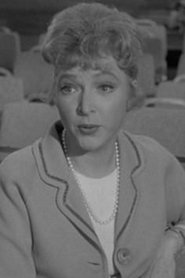 Sally GracieDolly Hamma
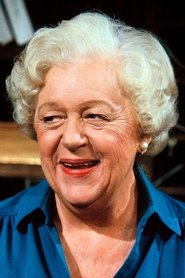 Lucille BensonBeulah Binnings
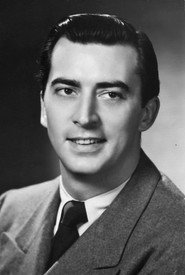 John BaragreyDavid Cutrere
- Virgilia ChewNurse Porter
Directing
- Charles H. MaguireAssistant Director
- Sidney LumetDirector
Writing
- Meade RobertsScreenplay
- Tennessee WilliamsScreenplay
- Tennessee WilliamsTheatre Play
Production
- George JustinAssociate Producer
- Martin JurowProducer
- Richard ShepherdProducer
- Steve BonoProduction Manager