
Film
Lolita
Kubrick's audacious 1962 adaptation transmutes Nabokov's unfilmable novel into something darker and stranger than you'd expect—a psychological thriller wrapped in deadpan satire. James Mason's Humbert is charming, articulate, and thoroughly repellent. It's a film about the seductive power of unreliable narration, about American excess, and about how plausibly monsters rationalize themselves. Not comfortable, but essential.
Should you watch it?
Watch it if you enjoy a sly, talky story where the narrator's self-justifying charm is the thing you're watching, and you don't mind being kept at a cool distance from everyone on screen.
Skip it if you need warmth or a clear moral line from the characters, since nearly everyone stays at arm's length and the mood stays clammy for most of its 154 minutes.
What it asks of you: Over two and a half hours at a deliberate pace, it asks you to sit with discomfort and to track the narration more closely than the events.
Not sure? Find tonight's pick in a minute.
If you liked this
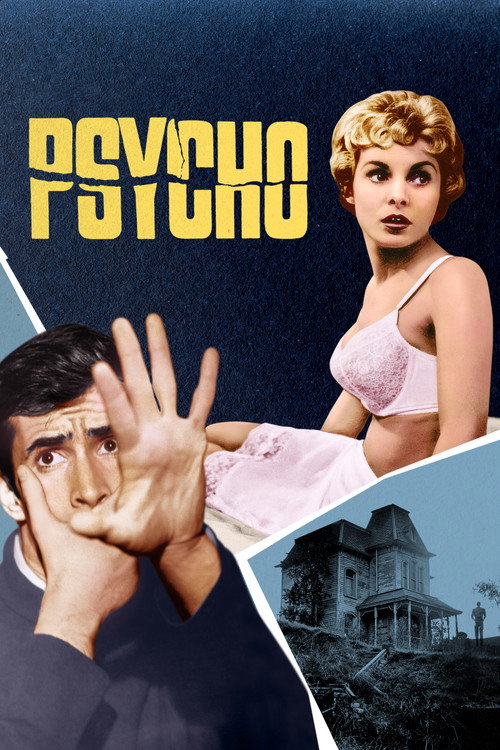
Psycho1960
Hitchcock's masterpiece of psychological horror uses unreliable perspective and audience manipulation to make you complicit in something unsettling. Like Lolita, it traps you in a protagonist's twisted worldview, then forces you to reckon with what you've been rooting for.
But The shower scene overshadows everything else about the film; many viewers fixate on that one scene rather than the larger moral architecture Hitchcock builds.
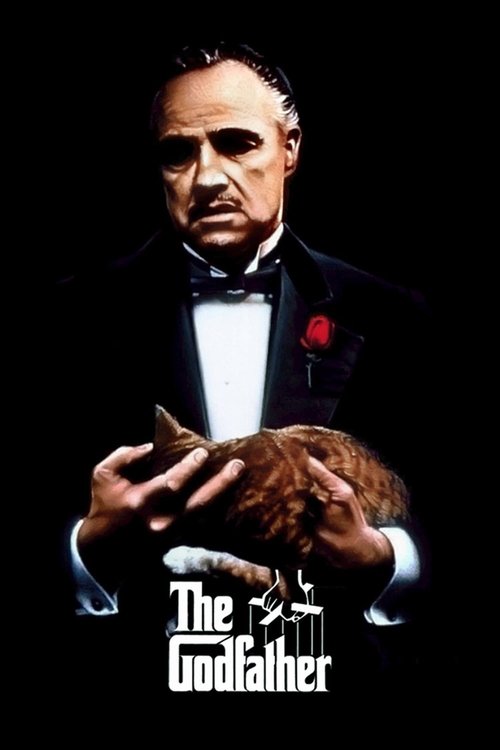
The Godfather1972
Coppola crafts a protagonist you're drawn into despite—or because of—his moral corruption. The film is seductive about power and family in ways that feel inevitable rather than judged. It shares Lolita's confidence in letting viewers feel complicit.
But Three and a half hours, and the middle section drags for some. The reverence around it can make the actual experience feel like homework.
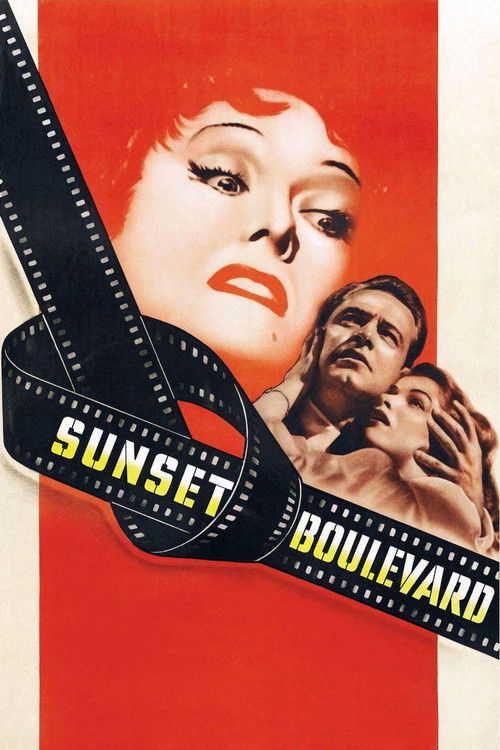
Sunset Boulevard1950
A Hollywood Gothic about parasitism and delusion, narrated by someone at the mercy of an older woman's fantasy. Billy Wilder understands how artfully people lie to themselves, and Gloria Swanson's performance is the dark mirror of every seduction in cinema.
But The tone is relentlessly bleak and cynical in ways that exhaust some viewers. There's no reprieve, no moment of warmth to break the suffocation.
Not sure tonight? Get a pick in a minute, starting from Lolita
The wildcard
Something you would not have found on your own.
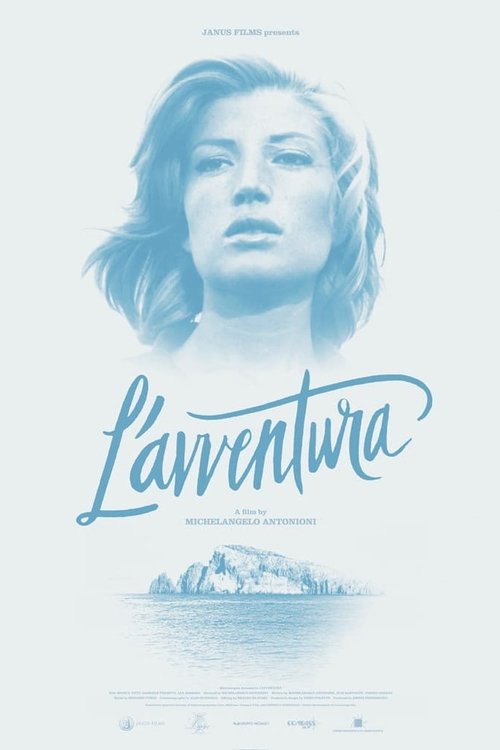
L'Avventura1960
Both films trust viewers to read moral absence through formal precision. Where Lolita uses comedy and performance, Antonioni uses negative space and impassivity—different languages for the same diagnosis of corruption masquerading as sophistication.
Antonioni's masterpiece about ennui and moral drift among the idle rich moves you through landscape and gesture the way Kubrick moves you through Humbert's rationalizations. Nothing is explained; intention is replaced by atmosphere. It's hypnotic, glacial, and requires surrender.
But There is almost no conventional plot. A woman disappears early on and everyone forgets about her. If you want narrative propulsion or emotional clarity, this will feel like watching someone's vacation footage.
More like this (7)
Rififi1955
Jules Dassin's heist masterpiece is lean, intelligent, and morally grey. It watches criminal men with the same unflinching eye Kubrick turns on Humbert—interested, unforgiving, never reassuring you that you should like anyone.
But It's very much a French noir from the 1950s; the pacing and sensibility won't feel immediate to viewers raised on faster cuts and clearer emotional cues.

In a Lonely Place1950
Bogart plays a volatile, possibly guilty man whose charm and talent make him seductive even as the film suggests something genuinely dangerous underneath. Ray's camera catches the small moments where the mask slips—the technique Kubrick uses on Mason.
But Gloria Grahame's character exists largely to reflect the male lead; she's secondary even by 1950 standards. The film's emotional climax hinges on her availability to forgive.

Rope1948
Hitchcock's most experimental thriller, shot in near real-time with virtuoso technical control, traps you in a room with two men who've committed murder and are lying about it with increasing desperation. It's all about what we choose to see and believe.
But The constraints that make it brilliant—single location, continuous time—can feel claustrophobic and airless. The theatricality reads as dated to some.

Sweet Smell of Success1957
Mackendrick's acid-dripped noir about a gossip columnist and the press agent who needs him. Every character is corrupt and complicit; the dialogue is venom dressed as charm. It understands predatory relationships with anatomical precision.
But The misogyny isn't incidental or of-its-era—it's structural. The film itself participates in what it shows. That's the point, but it won't feel cathartic.
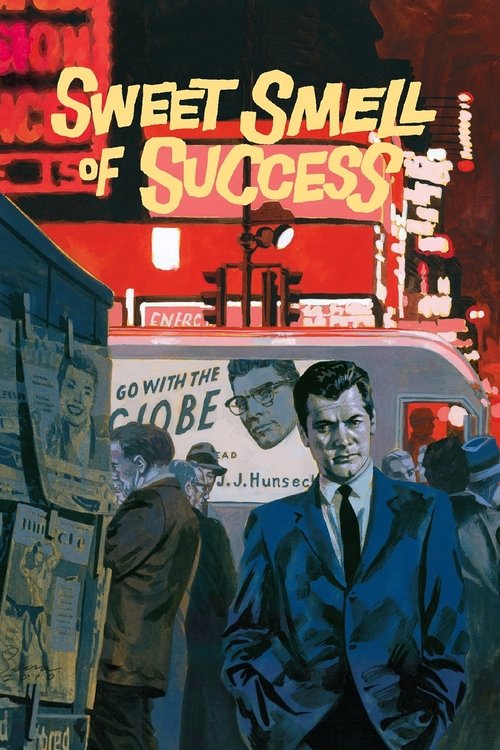
The Killing1956
Kubrick's breakthrough is all circling around a central crime, showing you the same moments from different angles, fragments of truth that never quite cohere. It shares Lolita's interest in unreliable perspective and the gap between what we want to believe and what's true.
But The narrative technique, brilliant as it is, can feel overcomplicated. Some viewers find themselves more focused on the structure than the story.

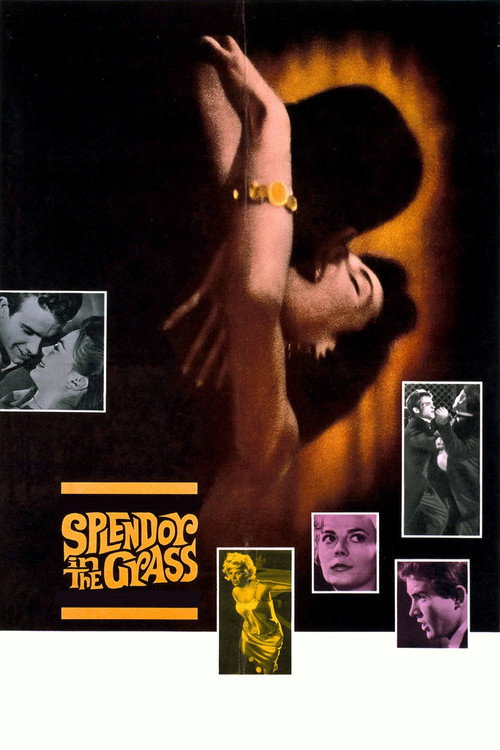
Splendor in the Grass1961
Kazan's melodrama about teenage sexuality and parental control has a rawness about desire and repression that makes it an unexpected companion to Lolita. It's exploring similar psychological terrain from the inside of a young person's experience rather than from the predator's warped perspective.
But The Freudian framework feels very much of its moment. Warren Beatty's performance is excellent, but the material often tells rather than shows.
Stalker1979
Both ask what we want so badly that we'll rationalize almost anything to get it. Where Lolita shows seduction as entertainment and horror, Stalker shows it as metaphysical tragedy. Same moral weight; completely different temperature.
Tarkovsky's sci-fi meditation on desire and the things we're willing to compromise to get them. A man guides two others through a mysterious zone toward a room that supposedly grants wishes. It's measured, philosophical, visually overwhelming—a complete tonal opposite to Lolita that explores the same machinery of seduction and self-deception.
But It's 163 minutes of slow cinema with minimal plot. Long takes of corridors and water. If you hate Tarkovsky, this will feel like waiting in an airport. The science fiction is pretense; it's really just watching people think.

People
Cast
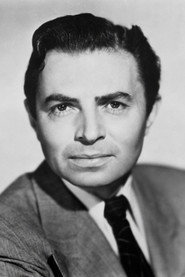 James MasonProf. Humbert Humbert
 Shelley WintersCharlotte Haze
 Sue LyonDolores "Lolita" Haze
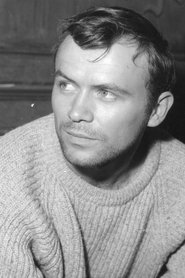 Gary CockrellRichard T. "Dick" Siller
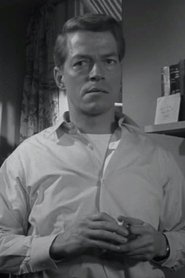 Jerry StovinJohn Farlow
 Diana DeckerJean Farlow
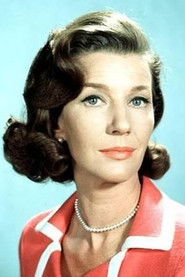 Lois MaxwellNurse Mary Lore
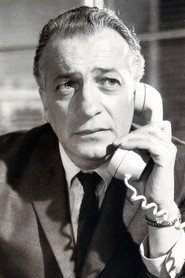 Cec LinderPhysician
- Bill GreeneGeorge Swine
 Shirley DouglasMrs. Starch
 Marianne StoneVivian Darkbloom
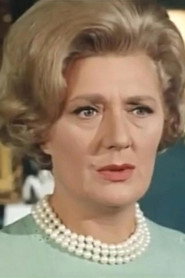 Marion MathieMiss Lebone
Directing
- John CromeAssistant Director
- René DupontAssistant Director
- Pamela DaviesContinuity
- Stanley KubrickDirector
- Roy MillichipSecond Assistant Director
- Dennis StockSecond Unit Director
- John DanischewskyThird Assistant Director
Writing
- Vladimir NabokovNovel
- Vladimir NabokovScreenplay
Production
- James LiggatCasting
- Eliot HymanExecutive Producer
- James B. HarrisProducer
- Robert SterneProduction Manager
- Raymond AnzarutProduction Supervisor
Recommended by
The Fugitive Kind, Damage, Baby Doll, What's New Pussycat?, Elegy, The Magic Christian, Pretty Baby, The Naked Truth, The Man Who Loved Women