
Film
Pretty Baby
- Drama
- Very dark
Louis Malle's 1978 exploration of childhood innocence colliding with exploitation in 1917 New Orleans. Shot with unflinching visual poetry, it's a film about the corruption of youth told without sentimentality or moral preaching. Challenging, deliberate, for viewers ready to sit with discomfort rather than look away from it.
Should you watch it?
Watch it if you are drawn to slow, observational period pieces where atmosphere and a painterly eye do the storytelling, and you can sit with uncomfortable subject matter without needing it resolved.
Skip it if the subject is a child's sexualised life in a brothel, and the film's unhurried, watchful distance can feel like it lingers on exactly what it should be condemning.
What it asks of you: Roughly 110 minutes at a languid pace, with long quiet stretches and little plot push; it asks you to watch closely and hold your judgement rather than be carried along.
Not sure? Find tonight's pick in a minute.
If you liked this
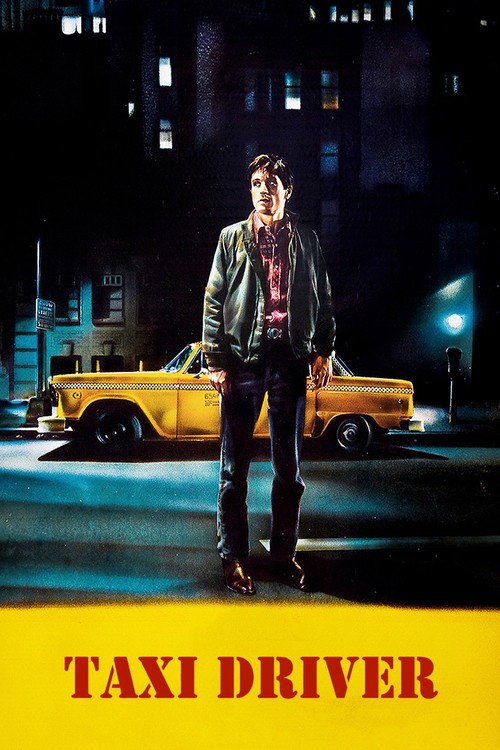
Taxi Driver1976
Scorsese's portrait of moral decay in a specific time and place, told through the eyes of someone unable to process the corruption around them. Similar unflinching gaze at urban degradation.
But Relentlessly bleak and violent. Travis Bickle's internal monologue can feel repetitive, and the film offers no comfort or resolution.
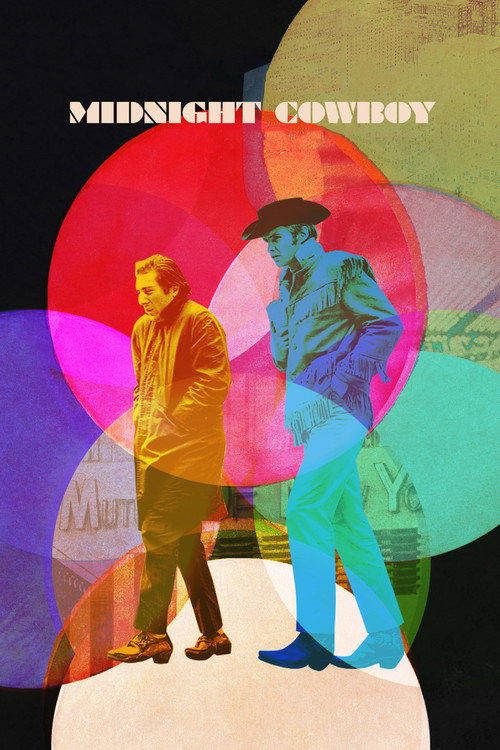
Midnight Cowboy1969
Jon Voight's Joe Buck arrives in New York with nothing, and the city unmakes him. Like Malle's work, it refuses to soften exploitation or turn suffering into spectacle.
But Dated in some visual choices and very grim. The sex work scenes are explicit enough to feel transgressive even now.
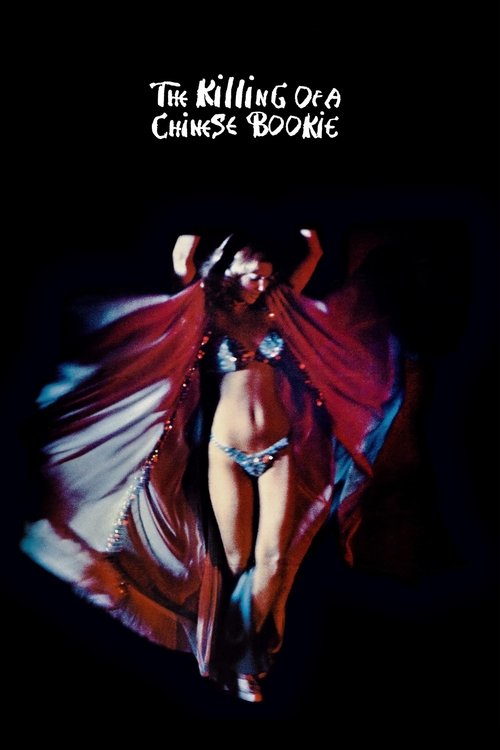
The Killing of a Chinese Bookie1976
Cassavetes' film about a strip-club owner caught in moral compromise. Similar interest in how survival in compromised spaces wears at the soul, told with hushed intensity.
But Deliberately paced and elliptical. If you want plot clarity or catharsis, you'll be frustrated.
Not sure tonight? Get a pick in a minute, starting from Pretty Baby
The wildcard
Something you would not have found on your own.
Chungking Express1994
Both are visual tone-poems about intimacy existing in compromised or corrupted spaces; both trust image and colour over exposition.
Wong Kar-wai's neon-lit Hong Kong romance seems a world away, but both films capture the texture of a moment—the light, the decay, the small human gestures that survive corruption. Pure cinema.
But If you're looking for plot or character clarity, this will feel like watching a mood rather than a story. The editing is intentionally disorienting.

More like this (8)
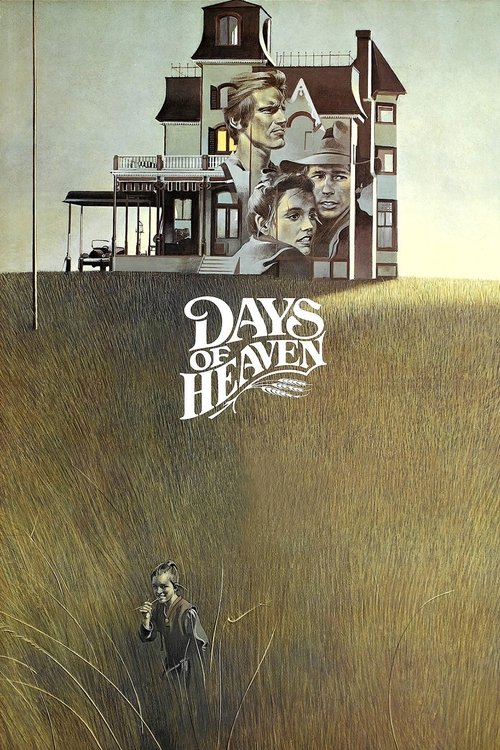
Days of Heaven1978
Malick's film about deception and desire in rural Texas uses voiceover and visual composition to suggest rather than explain. Shares Malle's belief that images can mean more than words.
But Glacially paced. The narrative is slight and the film is asking you to feel rather than follow.
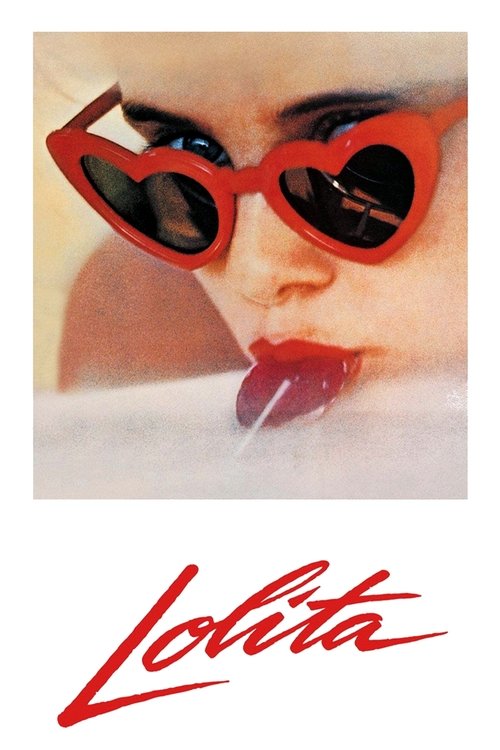
Lolita1962
Kubrick's adaptation confronts an unspeakable subject with formal elegance rather than exploitation. Both films trust the viewer's discomfort more than they pander to it.
But The novel's obsessive unreliability is easier on film, making some moments feel more ambiguous than intended.
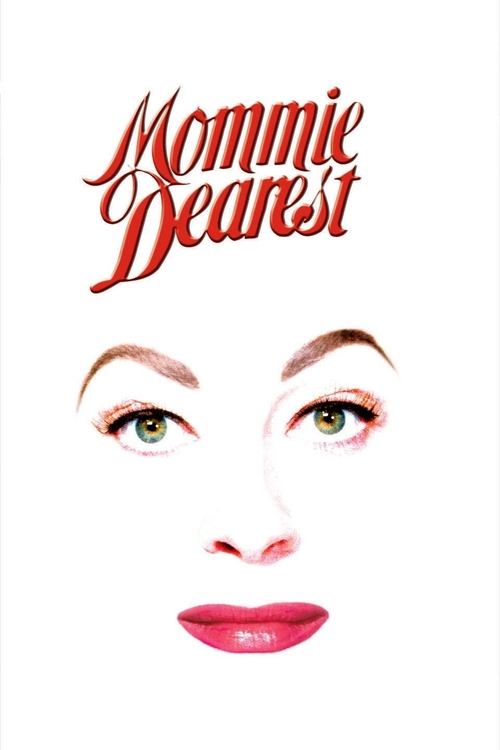
Mommie Dearest1981
Another film about a child's survival in a toxic household, told with operatic intensity. Joan Crawford's abuse is shown plainly, and the film doesn't flinch from its damage.
But Veers into camp and melodrama in ways that undercut its own gravity. The tonal shifts can feel unintentional.
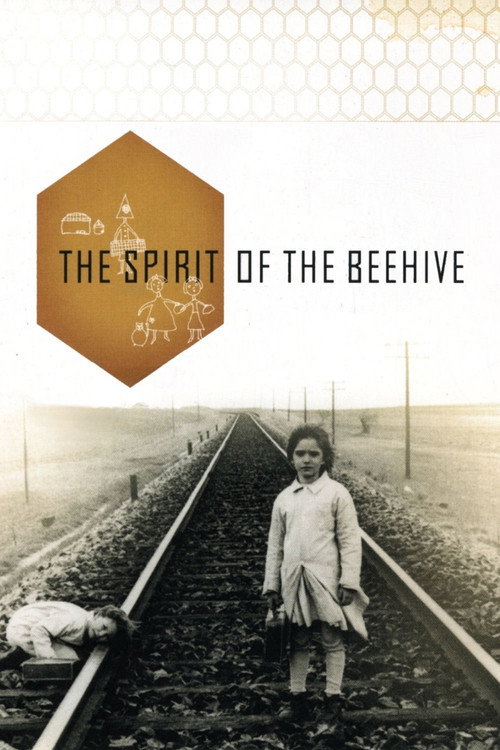
The Spirit of the Beehive1973
Víctor Erice's film about a child's interior world during Franco's Spain. Like Malle, he's interested in how children process the moral corruption of the adult world around them.
But Extremely quiet and meditative. Nothing happens in a plot sense, and it demands patience most viewers won't have.
Requiem for a Dream2000
Aronofsky's film about addiction and self-destruction in America. Both films are interested in how systems corrupt and consume the vulnerable without moral hand-wringing.
But Visually and sonically punishing. The repetition and speed can feel manipulative, and the despair is total.

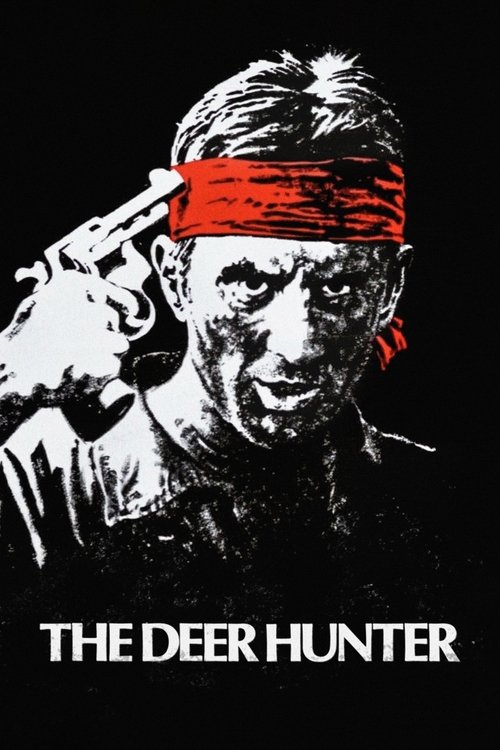
The Deer Hunter1978
Cimino's epic about working-class men destroyed by Vietnam uses long takes and naturalistic dialogue to build moral weight. Released the same year, a different kind of American reckoning.
But Three-and-a-half hours, and the back half loses narrative momentum. Some choices haven't aged well.
Come and See1985
Both films document the destruction of childhood without flinching, using cinema's formal power to make the viewer complicit in witnessing.
Elem Klimov's film about a child conscripted into the Soviet Army during WWII is perhaps cinema's most terrifying portrait of innocence destroyed. The formal mastery and moral clarity are absolute.
But Genuinely hard to watch. This isn't an evening; it's a reckoning. The violence and suffering are presented without mediation.

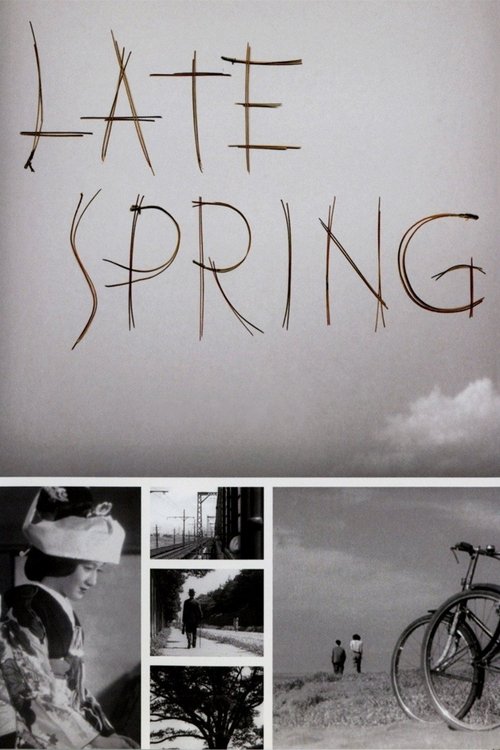
Late Spring1949
Both examine the bond between parent and child as inherently compromised, beautiful and suffocating at once; both trust restraint over revelation.
Ozu's gentle film about a widower and his daughter seems impossibly far from Malle, until you realize both are about the terrible nature of care—how love can become a form of possession.
But Nothing happens. It's a film about the texture of daily life, and if that sounds boring to you, you're probably right to skip it.
People
Cast
 Brooke ShieldsViolet
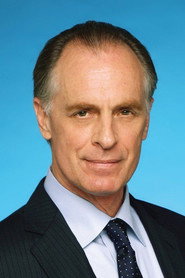 Keith CarradineBellocq
 Susan SarandonHattie
 Frances FayeNell
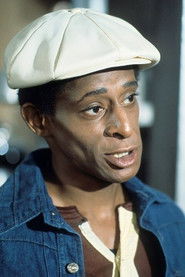 Antonio FargasProfessor
 Matthew AntonRed Top
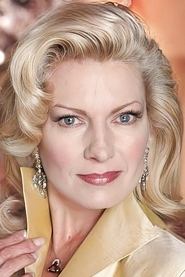 Diana ScarwidFrieda
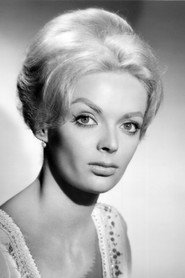 Barbara SteeleJosephine
 Gerrit GrahamHighpockets
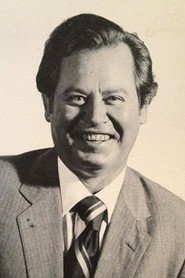 Don HoodAlfred Fuller
 Seret ScottFlora
- Cheryl MarkowitzGussie
Directing
- Donald HeitzerAssistant Director
- John M. PoerAssistant Director
- Louis MalleDirector
- Alan GreedyScript Supervisor
- Toby LovalloSecond Assistant Director
Writing
- Polly PlattScreenplay
- Louis MalleStory
- Polly PlattStory
Production
- Polly PlattAssociate Producer
- Juliet TaylorCasting
- Gary ChasonCasting Director
- Louis MalleProducer
- Lindsley Parsons Jr.Production Manager
- Al RoseResearcher
- Tony WadeUnit Production Manager