
Film
The Spirit of the Beehive
Víctor Erice's hushed, elliptical portrait of childhood in the silence after Franco's victory, seen almost entirely through the eyes of a solemn six-year-old. Little happens and everything matters — light through shutters, a father's bees, a monster glimpsed at the cinema. Patient, painterly, nearly wordless. For those who trust atmosphere over plot, and a child's dread as much as any adult's.
If you liked this
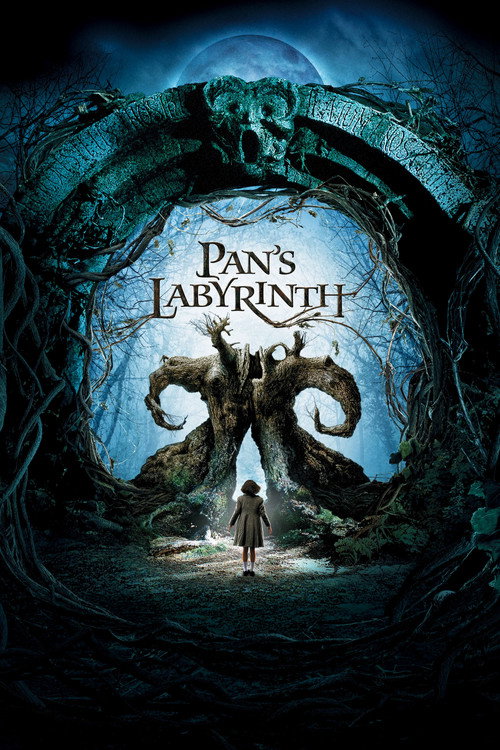
Pan's Labyrinth2006
Del Toro's own war-orphaned girl slips into a brutal fairytale to survive Franco's Spain — same historical wound, same faith in a child's imagination as escape and warning, just louder about it.
But Far more violent and explicit than Erice's restraint; the fantasy here is vivid and gory rather than ambiguous and quiet.
The Devil's Backbone2001
Del Toro again, earlier and rawer — an orphanage haunted during the Civil War, where a ghost story becomes a way of confronting a nation's buried atrocities. Gothic where Erice is austere.
But More conventional ghost-story scares and plotting; less interested in ambiguity than in delivering dread.
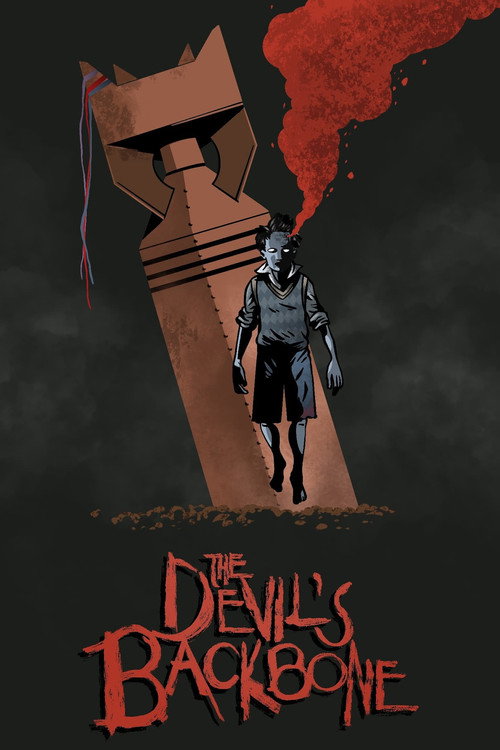
Cria!1976no page yet
Ana Torrent again, three years later, still watching adults with that same unreadable gravity, in Saura's coded portrait of a family — and a country — living under dictatorship. Essential companion piece.
But Even more oblique and interior than Spirit of the Beehive; demands real patience with silence and suggestion.
The wildcard
Something you would not have found on your own.
The Curse of the Cat People1944no page yet
Both are about a solitary, imaginative girl who conjures a spirit as private refuge from an unhappy home — one through arthouse silence, the other through a Hollywood sequel nobody expects to be this tender.
A B-movie horror sequel that quietly abandons horror to become one of cinema's gentlest studies of a misunderstood, lonely child inventing a spectral friend to survive her parents' coldness.
But Cheaply made with dated dialogue and a wandering plot; some will find its sentimentality at odds with Erice's cooler precision.
More like this (8)
The White Ribbon2009
Haneke's austere black-and-white village drama watches children absorb the moral rot of the adults around them just before WWI, with the same trust that a child's gaze can indict a whole society.
But Colder and crueler in intent; Haneke wants to implicate you, not console you.
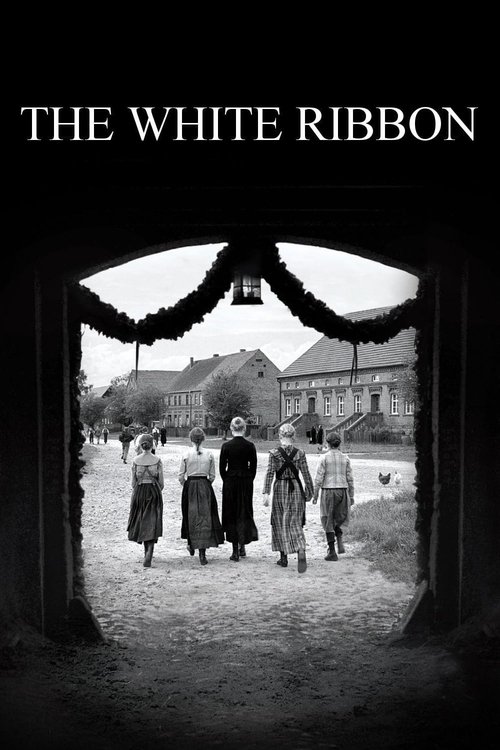
Forbidden Games1952
Two children invent a private ritual to cope with death in wartime rural France — an early, tender ancestor of Erice's idea that a child's fantasy life can carry unbearable adult grief.
But Sentimental in places where Erice stays dry-eyed; the ending reaches for a gut-punch rather than an ambiguity.
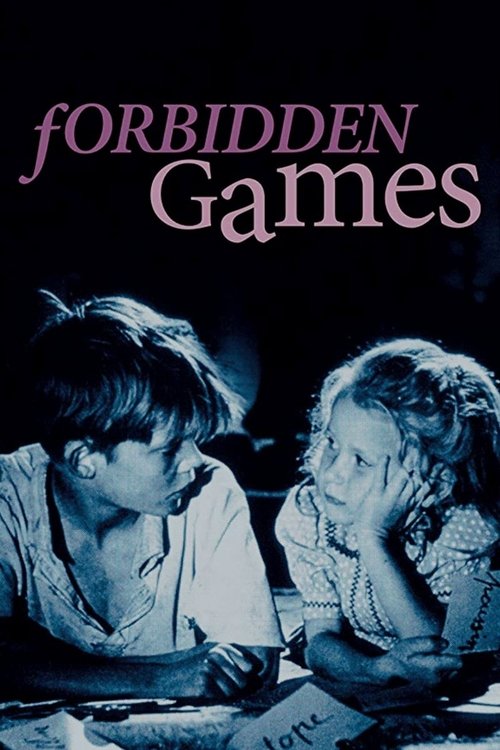
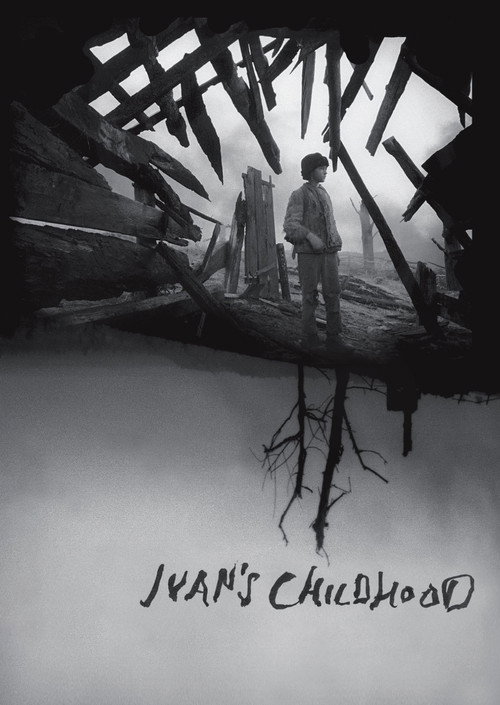
Ivan's Childhood1962
Tarkovsky's debut follows a boy hollowed out by war, drifting between memory, dream and reconnaissance missions — poetic and elliptical, just as convinced that a child's inner life is the real battlefield.
But Bleaker and more surreal; less domestic intimacy, more war-film structure underneath the lyricism.
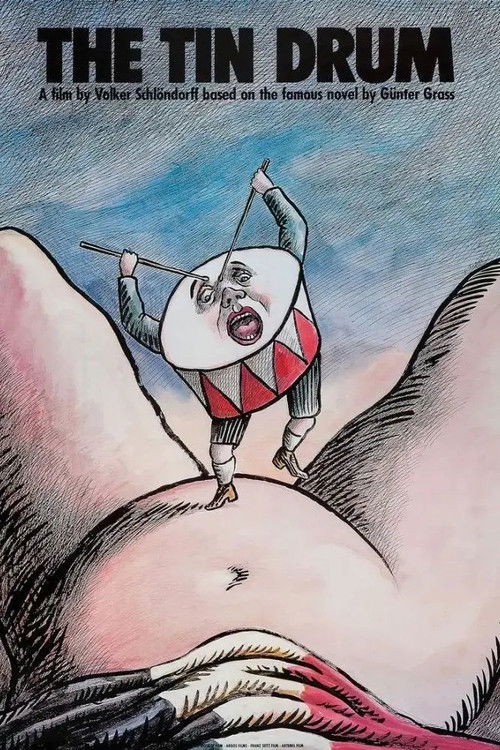
The Tin Drum1979
A child narrator refuses to grow, watching Nazi-era Germany curdle around him — fantastical and grotesque, using a child's perspective as satire rather than pure feeling.
But Broader, weirder, occasionally comic in a way Erice never is; contains a notorious scene that startles.
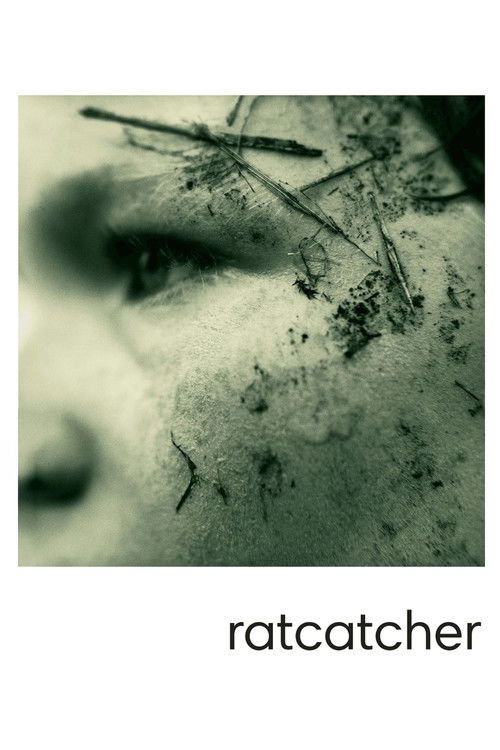
Ratcatcher1999
Lynne Ramsay's working-class Glasgow, seen at a child's eye level, full of small cruelties and stray moments of transcendence — the same patient camera, the same trust that childhood dread needs no explaining.
But Grittier and more contemporary; less overtly historical or allegorical than Erice's film.
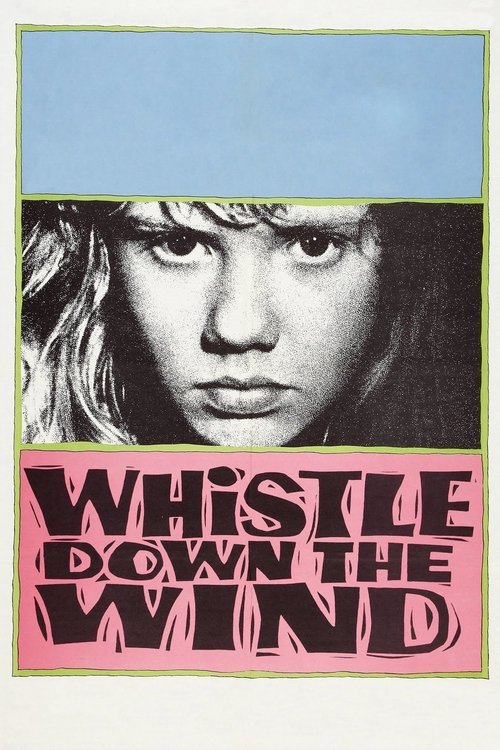
Whistle Down the Wind1961
Rural English children mistake a fugitive for Christ, and the film takes their belief completely seriously — an earlier, gentler study of children processing a frightening adult world through myth.
But Softer and more sentimental in tone; lacks the political undercurrent that gives Erice's film its weight.
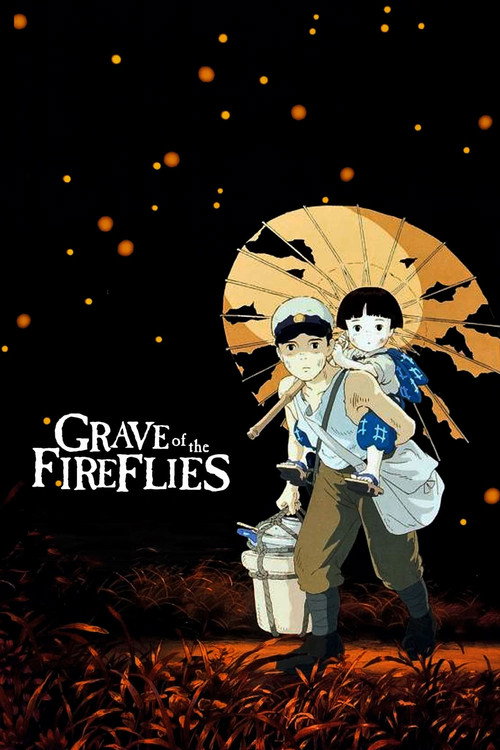
Grave of the Fireflies1988
Same premise transposed: children left to make sense of a war they didn't start, watched with unflinching clarity — animation instead of live action, Japan's firebombing instead of Spain's civil war.
A devastating animated masterpiece about siblings surviving WWII's aftermath, proving that children processing catastrophe doesn't need live actors or ambiguity to hit with full, unbearable force.
But Unrelentingly sad with no fantasy relief or ambiguity; a genuinely hard, sometimes unbearable watch.
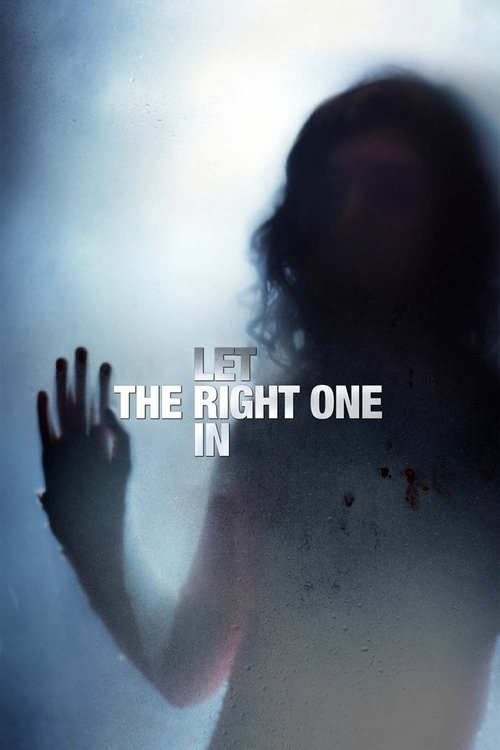
Let the Right One In2008
A withdrawn child bonds with a literal monster as escape from an indifferent adult world — the same blurred line between innocence and menace that fascinates Ana about Frankenstein's creature, here played as genre horror instead of folk-memory.
A wintry Swedish vampire film that uses genre horror to tell a story about childhood isolation and the seductive pull of monstrousness, with the same visual patience and quiet dread as Erice.
But Contains real violence and unsettling content that Erice only implies; colder, more explicit, less allegorical.
People
Cast
 Ana TorrentAna
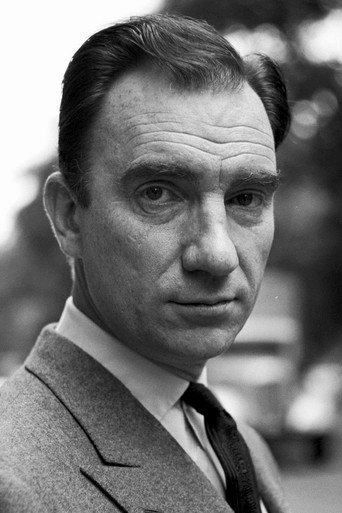 Fernando Fernán GómezFernando
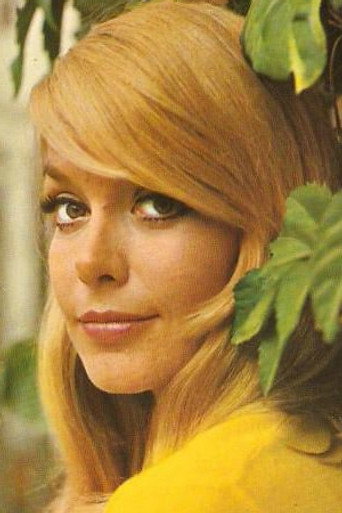 Teresa GimperaTeresa
- Isabel TelleríaIsabel
 Laly SoldevilaDoña Lucía
 Miguel PicazoMédico
 José VillasanteFrankenstein
 Juan MargalloFugitivo
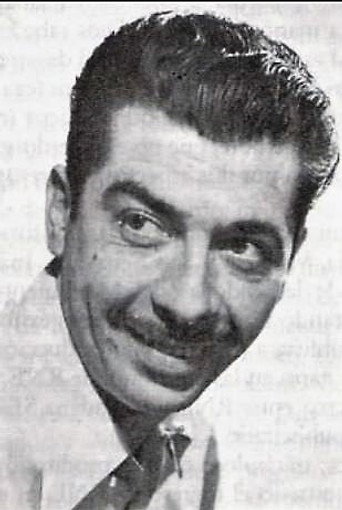 Estanis GonzálezGuardia civil
- Ketty de la CámaraMilagros, la criada
Directing
- Paco LucioAssistant Director
- Víctor EriceDirector
- José Luis Ruiz MarcosFirst Assistant Director
- Francisco J. QuerejetaScript Supervisor
Writing
- Ángel Fernández SantosScreenplay
- Víctor EriceWriter
Production
- Pedro Esteban Samu AdamKey Production Assistant
- Elías QuerejetaProducer
- Primitivo ÁlvaroUnit Production Manager
Recommended by
The Night of the Hunter, The Devil's Backbone, Forbidden Games