
Film
Whistle Down the Wind
Black-and-white British drama built on a startling premise: three farm children find an injured fugitive in the barn and, mishearing him, decide he's Christ returned. Hayley Mills carries it with unnerving conviction. Tender, plain-spoken and unsentimental about how faith takes root in the young, it's a small, serious film about belief mistaken for truth — moving rather than whimsical, and not really for children despite its cast.
If you liked this
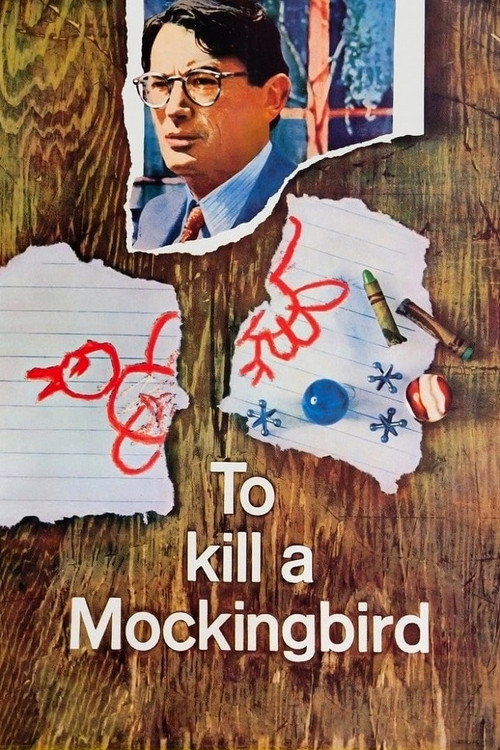
To Kill a Mockingbird1962
Another child's-eye view of adults behaving badly and well, shot in the same austere black-and-white, with Scout's narration doing what Kathy's faith does — filtering injustice through innocence until it becomes unbearable and clarifying.
But Slower and more courtroom-bound than you might expect; its moral lessons are stated plainly rather than left to unfold.
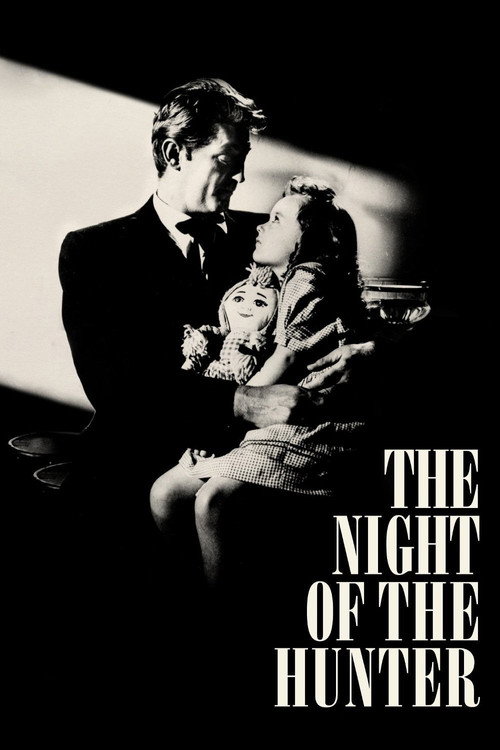
The Night of the Hunter1955
A preacher with LOVE and HATE tattooed on his knuckles stalks two children downriver in this expressionist nightmare — the same collision of childhood faith and adult menace, pushed toward outright horror.
But Robert Mitchum's villain is so operatically frightening it tips the film toward horror rather than the quiet ache of the original.
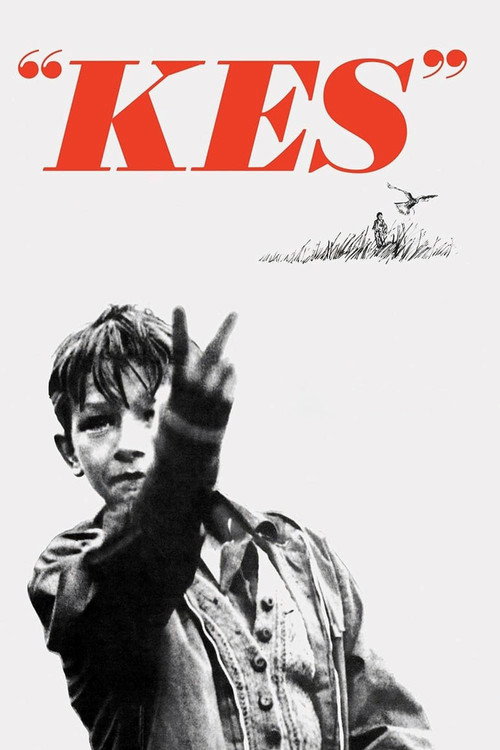
Kes1970
Ken Loach's Yorkshire boy and his kestrel share the same unvarnished Northern light and class texture as the Bostock farm, with a hard, unsentimental tenderness for a childhood starved of wonder elsewhere.
But Broad Barnsley dialect and a bleak, deliberately unresolved ending make it a tougher, less comforting watch.
The wildcard
Something you would not have found on your own.
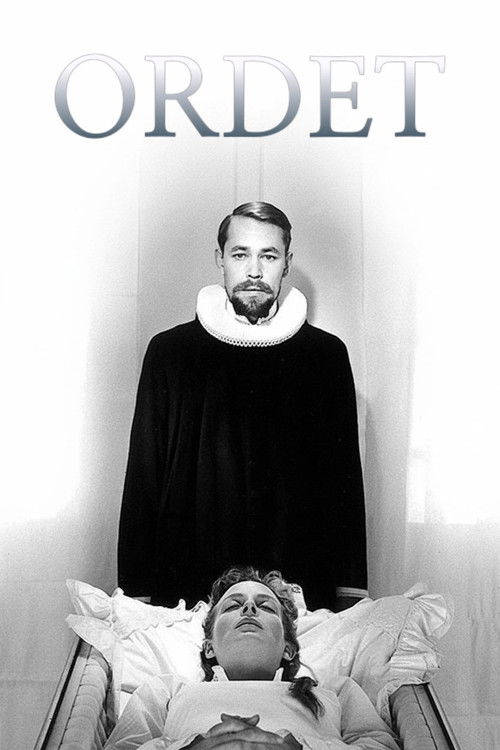
Ordet1955
Both films refuse to tell you whether faith is delusion or truth, and both let a plain rural setting carry that question instead of spectacle.
Dreyer's Danish drama asks, without a flicker of irony, whether a man who believes himself Christ might actually work a miracle — the same question asked by adults instead of children, and answered with terrifying sincerity.
But Long, austere, and subtitled, with a formal stillness that demands more patience than most 1961 audiences ever had to give.
More like this (8)
The Go-Between1971no page yet
A child messenger in Edwardian England is used and betrayed by adults he can't fully understand — the same ache of innocence enlisted into a story too big and dangerous for it.
But Lush and elegiac rather than plain-spoken; its heartbreak arrives slowly, through memory, not incident.
Millions2005no page yet
Danny Boyle's warmer, funnier cousin to this idea: two boys find a bag of money and believe saints are visiting them, treating childhood faith as wonder rather than tragedy.
But Its whimsy and bright visual style are about as far from Whistle Down the Wind's grey severity as you can get.
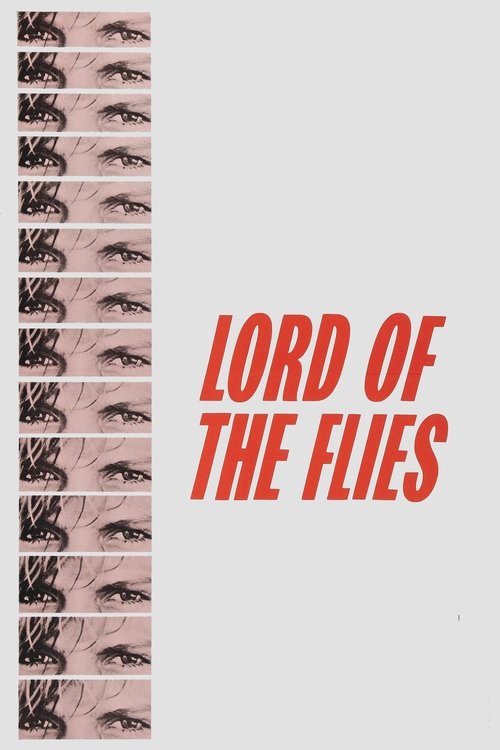
Lord of the Flies1963
Strip away every adult and watch children build their own morality and myth from scratch — the same interest in how the young construct belief, taken to its most brutal extreme.
But Grainier and more violent, with none of the tenderness that keeps Whistle Down the Wind's darkness bearable.
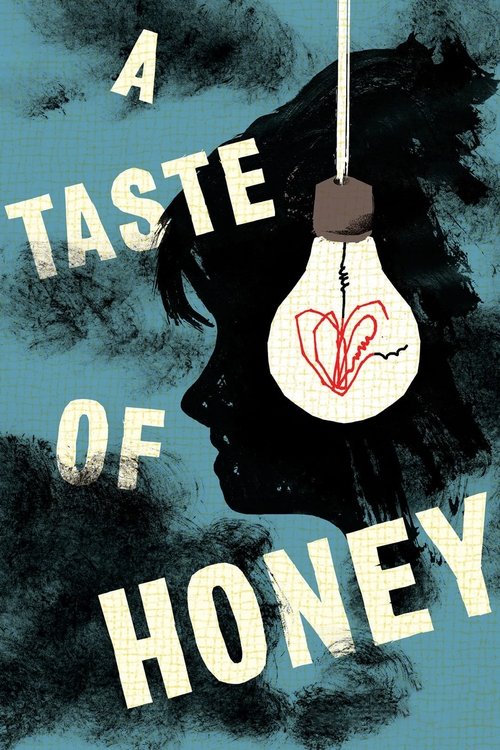
A Taste of Honey1961
A contemporary of Whistle Down the Wind, this kitchen-sink drama shares its plain Northern settings and unsentimental sympathy for a young girl navigating an adult world stacked against her.
But No mistaken-messiah plot here — it's a quieter, more conventional coming-of-age story about pregnancy and friendship.
Tess1979no page yet
Roman Polanski's adaptation of Hardy shares the rural English landscape and the sense of a young woman crushed slowly by forces — fate, class, men — she never fully controls.
But Two and a half hours long and far more tragic in scope; this is a grand tragedy, not a small parable.
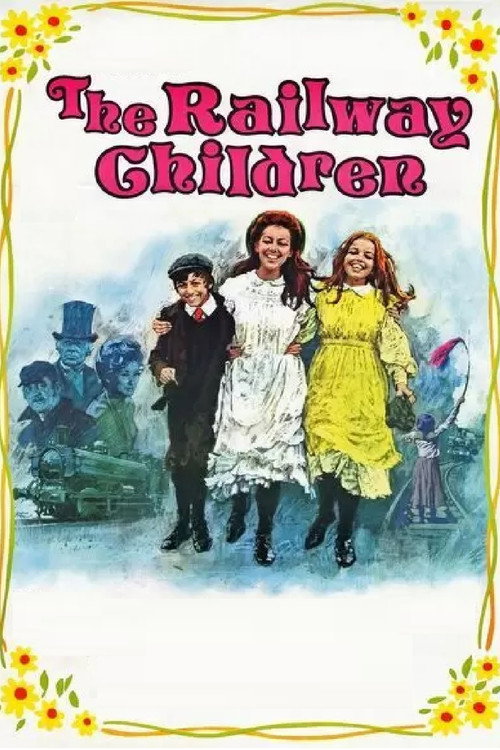
The Railway Children1970
For the gentler end of the shelf: British children, a rural setting, and a stranger who turns out to matter enormously — but here kindness is rewarded rather than complicated.
But Warm and reassuring where Whistle Down the Wind is unsettled; it resolves every question the other film leaves open.
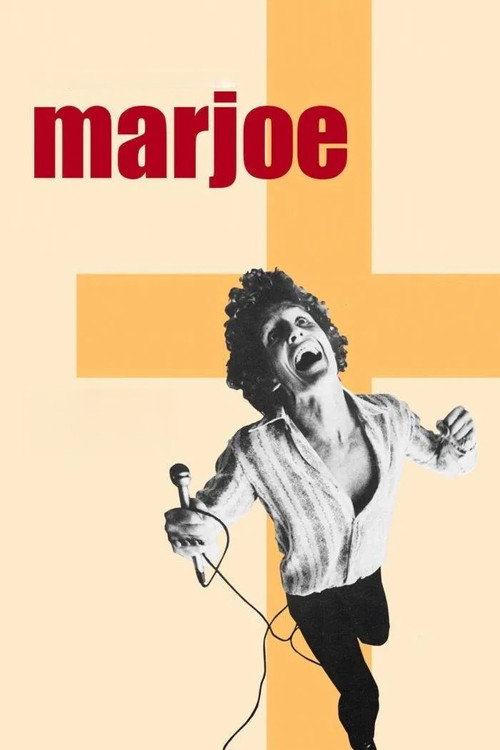
Marjoe1972
Where Whistle Down the Wind imagines a fugitive mistaken for the divine by accident, Marjoe shows the same dynamic engineered on purpose, on camera, for money.
A real-life child evangelist, raised inside Pentecostal revival tents, performs miracles he privately doesn't believe in — a documentary record of exactly the gap between a child's absolute faith and an adult's exploitation of it.
But Cynical and clinical where the original is tender; it's more interested in exposing manipulation than in mourning innocence.
Frailty2002no page yet
Both hinge on children caught between a trusted adult's claim to divine purpose and their own dawning doubt — one plays it as parable, the other as nightmare.
A father convinces his sons that God has ordered him to hunt demons among ordinary neighbours — the same premise turned into full American horror, with the children forced to decide whether to believe or resist.
But Considerably more violent and grim; there's none of the pastoral softness that makes the original bearable to watch.
People
Cast
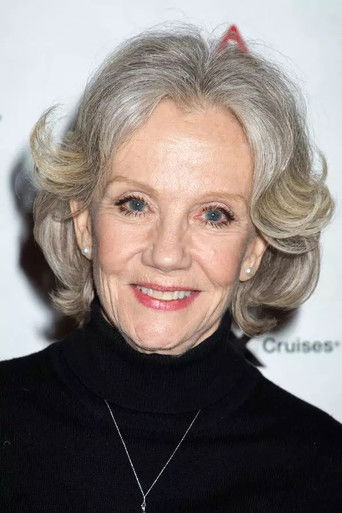 Hayley MillsKathy Bostock
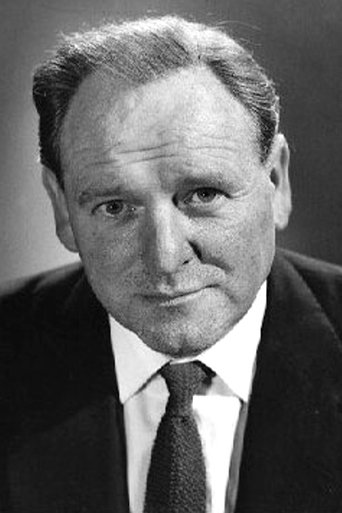 Bernard LeeMr. Bostock
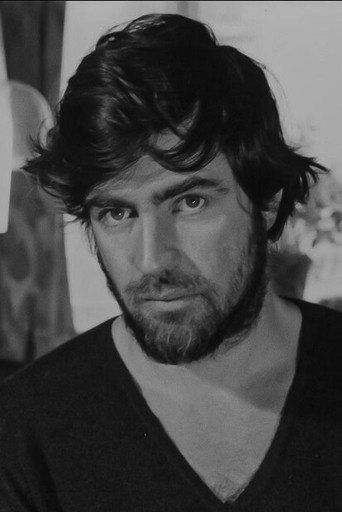 Alan BatesThe Man, Arthur Alan Blakey
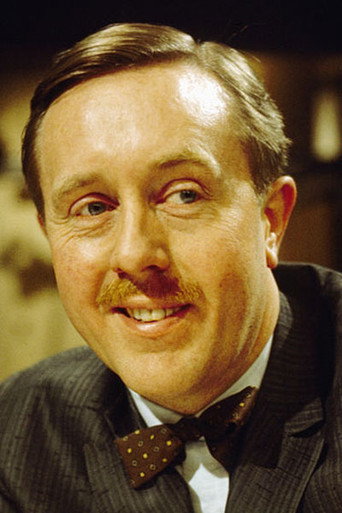 Norman BirdEddie
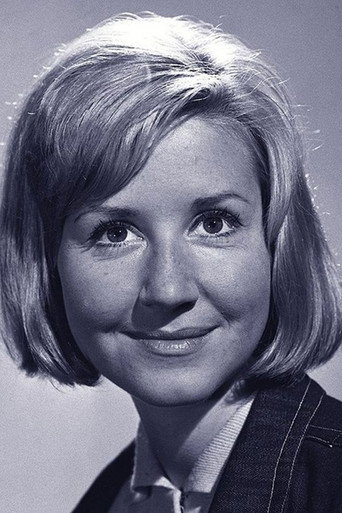 Diane ClareSunday School Teacher, Miss Lodge
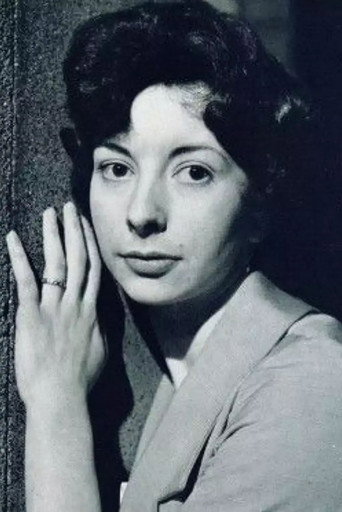 Patricia HeneghanSalvation Army Girl
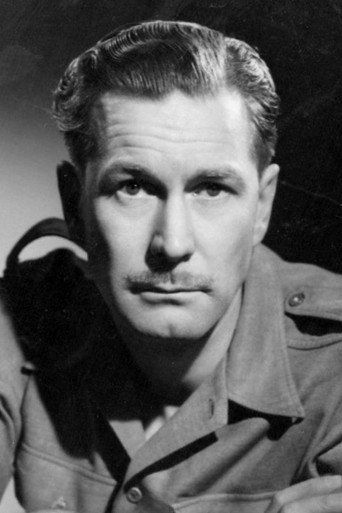 John ArnattSupt. Teesdale
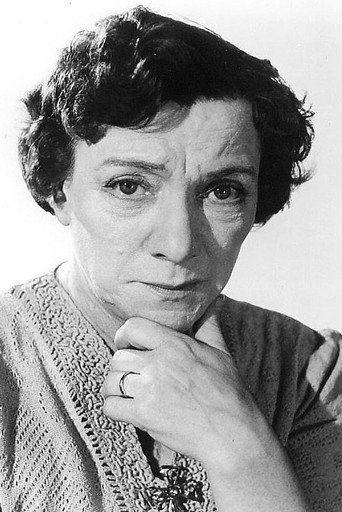 Elsie WagstaffAuntie Dorothy
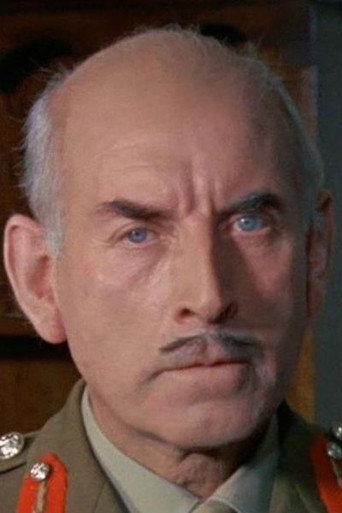 Hamilton DyceThe Vicar
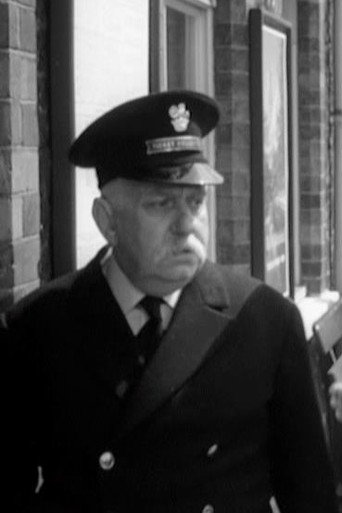 Howard DouglasThe Vet, Dr. Weaver
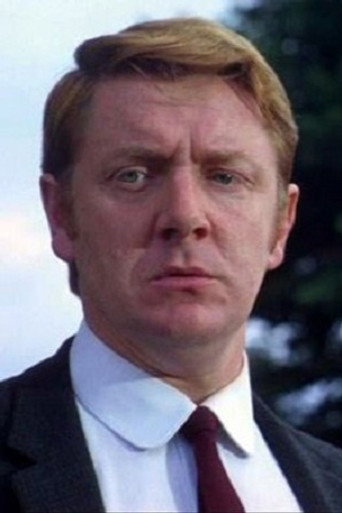 Ronald HinesPC Thurstow
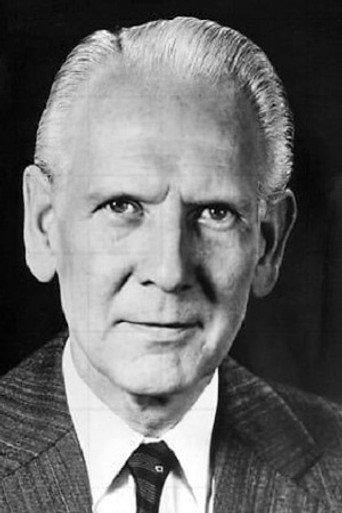 Gerald SimDetective
Directing
- Basil RayburnAssistant Director
- Bryan ForbesDirector
- Charles BlairSecond Assistant Director
Writing
- Mary Hayley BellNovel
- Keith WaterhouseScreenplay
- Willis HallScreenplay
Production
- Maureen GoldnerCasting
- Richard AttenboroughProducer
- Diana HawkinsPublicist
Recommended by
The Spirit of the Beehive, Swallows and Amazons, The Village