
Film
Millions
A grief-stricken boy finds a bag of stolen money days before Britain switches to the Euro. Danny Boyle crafts something rare: a film that treats childhood with full seriousness while remaining genuinely funny. It's magical-realist, moral without preaching, and deeply felt. For anyone who remembers feeling small in a big, confusing world.
Should you watch it?
Watch it if you like a fable told through a child's eyes, where faith, money and grief sit side by side and the jokes land because the sadness is real.
Skip it if you need a brisk plot, since it meanders through its own whimsy and lingers on small moments, with a pace that can feel loose at times.
What it asks of you: Ninety-eight minutes, lightly paced, with the mood shifting between giggles and a lump in the throat; it wants you to stay patient with small moments.
Not sure? Find tonight's pick in a minute.
If you liked this
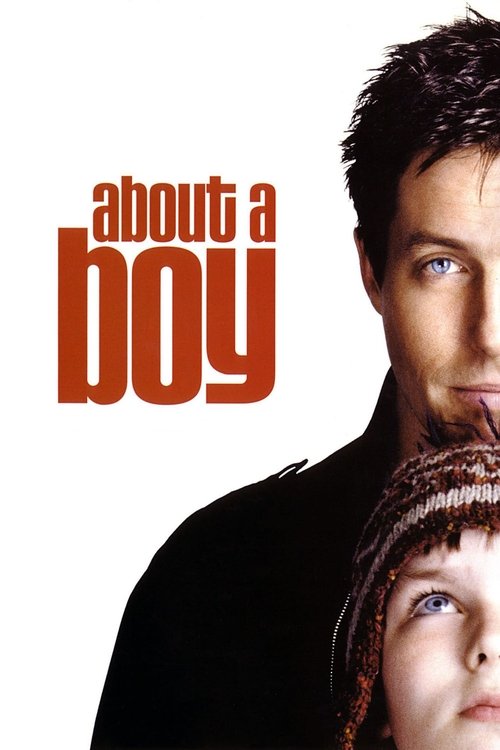
About a Boy2002
A boy and man help each other through loneliness with warmth and humour. Like Millions, it finds the comedy in real emotional damage and refuses to condescend to either its young or damaged characters.
But The soundtrack is aggressively early-2000s. Some of the jokes land softer now than they did on release.
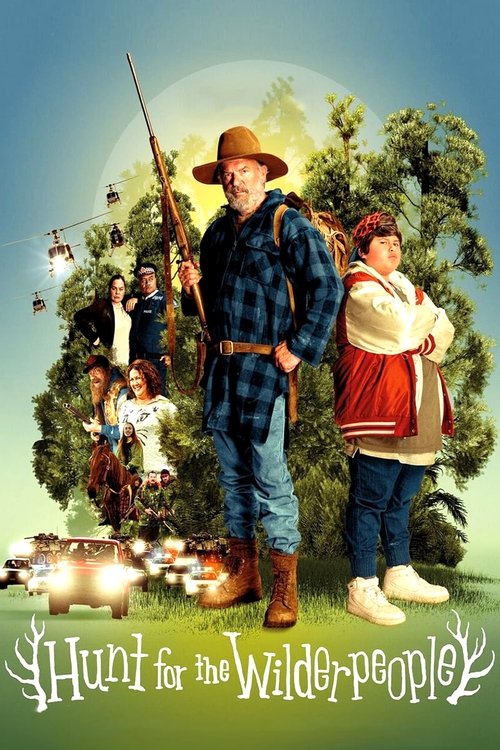
Hunt for the Wilderpeople2016
A gruff old man and a foster kid on the run develop a genuine bond while pursued by authorities. Same tonal balance—funny and moving without ever winking at the audience about which it's being.
But The New Zealand setting and deadpan comedy may feel quite far from Millions' particular flavour. Slower to build.
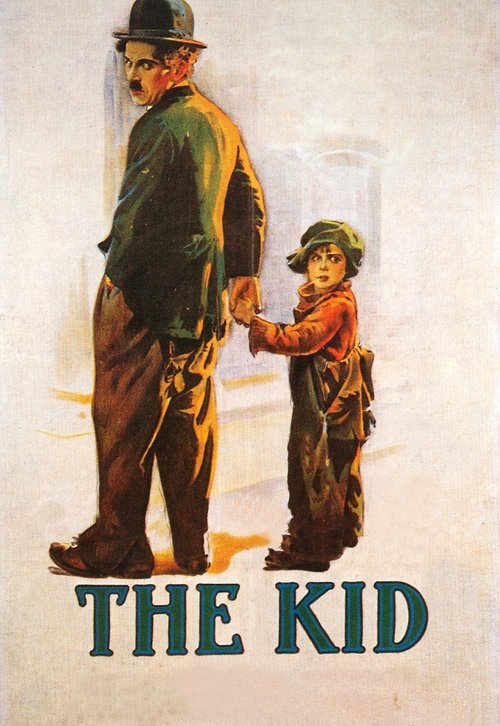
The Kid1921
Chaplin's masterpiece about an abandoned child and a drifter navigates comedy and heartbreak in ways that feel foundational to what Boyle is doing. A reminder that this tonal balance has always been available to cinema.
But It's silent and over a century old. The sentimentality, however earned, sits differently now.
Not sure tonight? Get a pick in a minute, starting from Millions
The wildcard
Something you would not have found on your own.
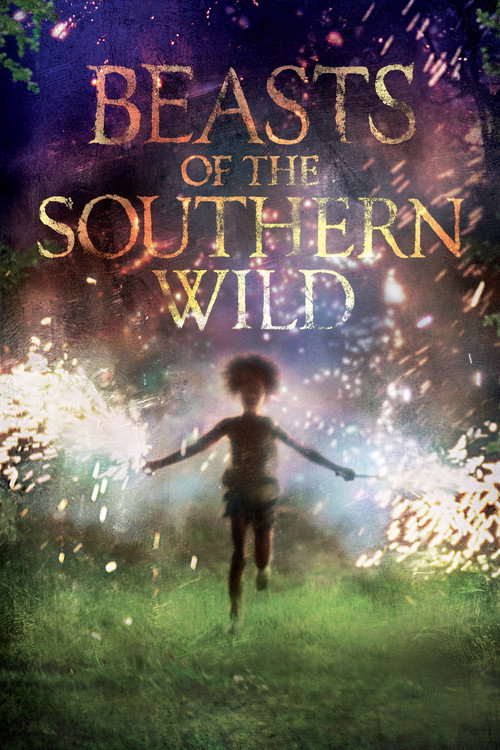
Beasts of the Southern Wild2012
Both use the magical and surreal as genuine expressions of how children process economic precarity and adult failure. Neither film patronises its young protagonist.
A girl in a Louisiana bayou faces climate collapse and her father's mortality. Like Millions, it uses magical realism not as escape but as the actual texture of how a child's mind works. Both films insist the interior life of a poor child is as rich and complex as anyone's.
But Allegorical and dreamlike in ways that frustrate people wanting plot clarity. The accents and dialect are challenging for some.
More like this (8)
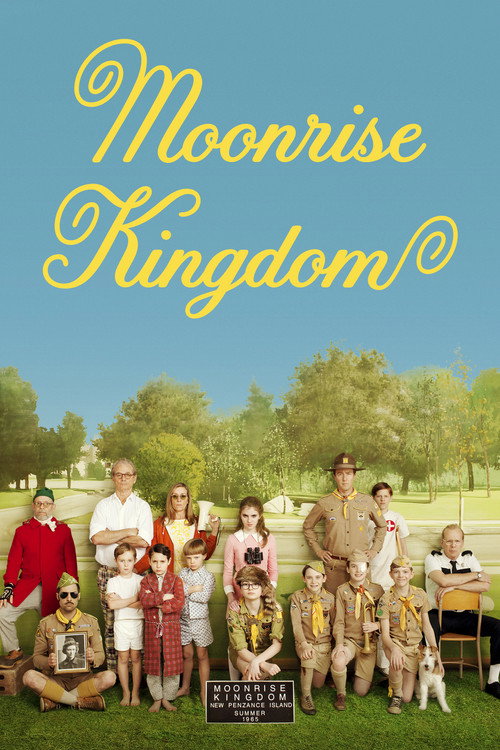
Moonrise Kingdom2012
Wes Anderson finds deep sadness and genuine stakes in the lives of children. The whimsy is never a disguise for avoiding real pain. Both films trust kids to carry meaning.
But Anderson's symmetrical visual style is so pronounced it becomes a distraction for some. Tonally very different—more fanciful than grounded.
Kes1970
A working-class boy finds freedom and purpose through a hawk. Kitchen's film respects childhood as a complete inner world, and treats class and economic hardship without sentiment. Spiritual ancestor to Millions.
But Brutally bleak at times. The school sequences are genuinely difficult. No magic here, only realism and cruelty.

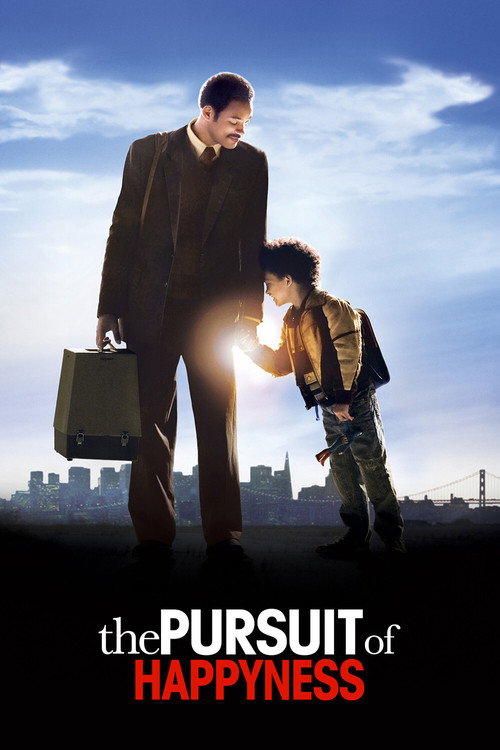
The Pursuit of Happyness2006
A father and son face homelessness and economic catastrophe. Will Smith gives his least performance-y work; the focus stays on protecting childhood against circumstances designed to destroy it.
But Veers toward inspirational messaging in the final act. Some find the poverty-to-success narrative too tidy given the lived reality.
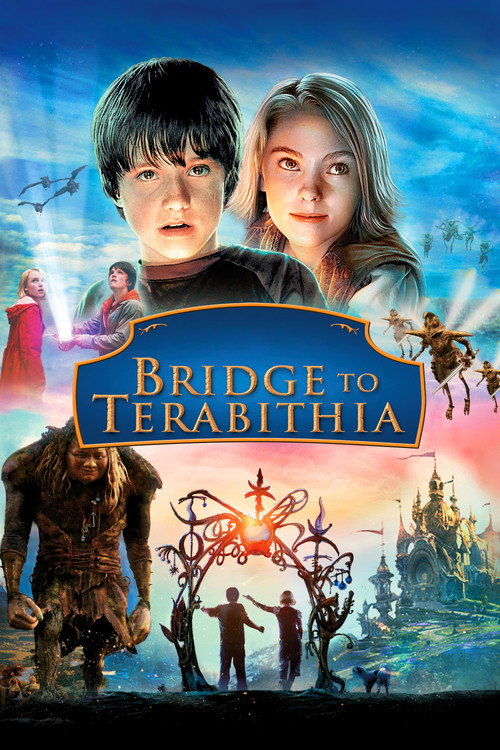
Bridge to Terabithia2007
Childhood imagination as genuine refuge and genuine loss. The film moves between the magical and the devastatingly real with the same fluidity as Millions, built around how children process grief.
But The fantasy sequences may read as too whimsical if you're in a realistic mood. CGI has aged noticeably.
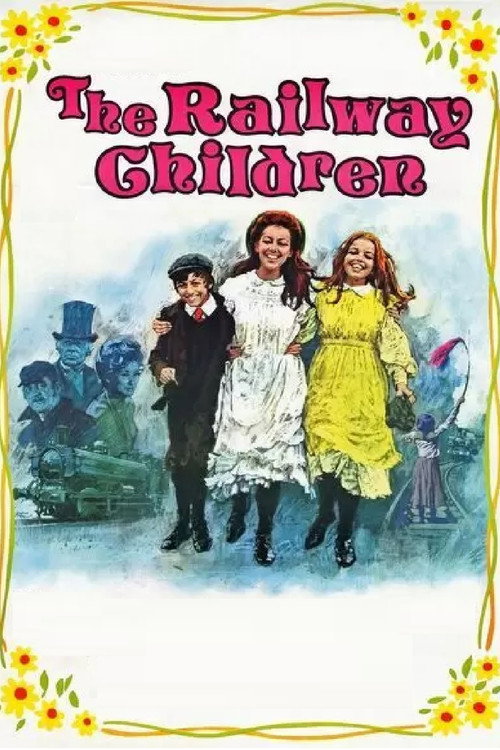
The Railway Children1970
Three children separated from their father during economic hardship band together. A gentler film than Millions but rooted in the same conviction that childhood has genuine stakes and genuine nobility.
But Very much a product of British cinema of its era. The pacing is deliberate in ways modern audiences sometimes find slack.
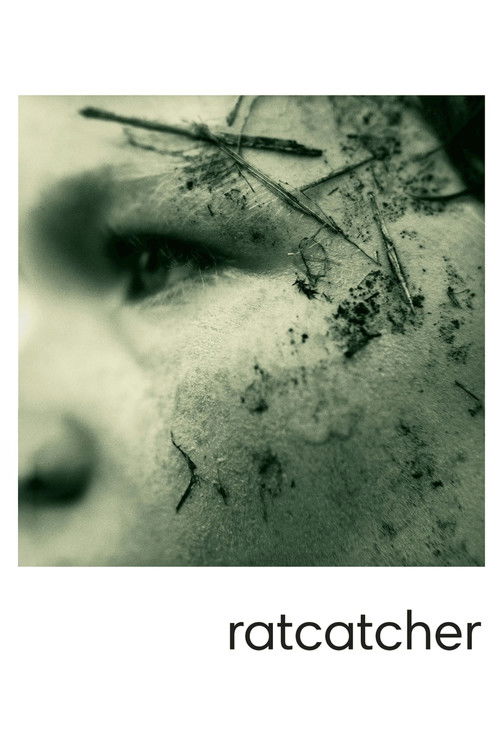
Ratcatcher1999
Lynn Ramsay's debut follows a boy in post-industrial Glasgow with the same visual poetry and moral weight Boyle brings to his premise. Both films see childhood in deprived circumstances as containing real depth.
But Bleak, challenging, and quite slow. A tragic accident involving a child is central to the narrative. Not comforting viewing.
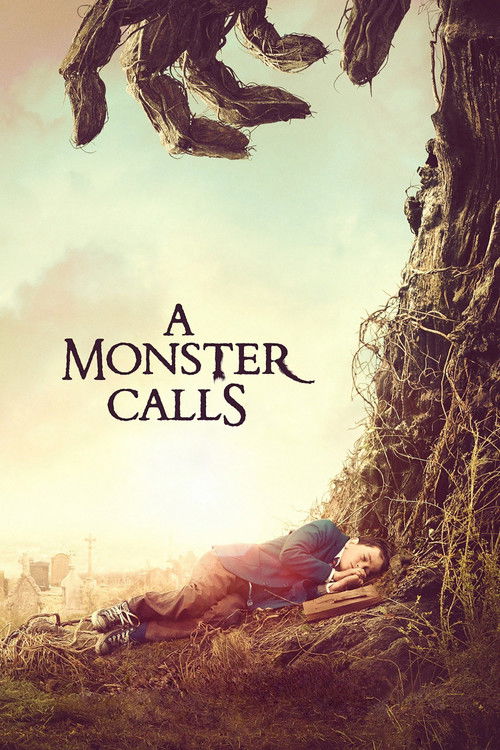
A Monster Calls2016
Both films centre a child's grief as the real story. Both use their premises not to avoid that grief but to illuminate it. Both refuse easy resolution.
A boy grieving his mother's terminal illness is visited by a tree monster. Entirely about processing loss, it's Millions' deepest emotional cousin—same attention to the internal world of a grieving child, but stripped of all else.
But Relentlessly focused on one emotional register. No crime plot, no comedy, no distraction. Some find it punishing rather than cathartic.
The Ballad of Little Jo1993
Both films are genuinely interested in how people—children, women, the dispossessed—survive systems not designed for them. Neither offers comfortable answers about legality or morality when survival is at stake.
A woman in the Old West survives by disguising herself as a man. It's a completely different genre and era, but shares Millions' interest in moral ambiguity—the right choice in the wrong circumstances, and what children (or society) learn from watching adults navigate impossible choices.
But A slow, strange film about survival that feels remote from contemporary narrative. Maggie Greenwald's vision is wilfully unmarketable. Some see it as minor; it isn't.

People
Cast
 Alex EtelDamian
- Lewis McGibbonAnthony
 James NesbittRonnie
 Daisy DonovanDorothy
 Christopher FulfordThe Man
 Enzo CilentiSt Francis
 Alun ArmstrongSaint Peter
- Jane HogarthMaureen
 Pearce QuigleyCommunity Policeman
 Nasser MemarziaSaint Joseph
 Kathryn PogsonSt Clare of Assisi
- Harry KirkhamSaint Nicholas
Directing
- Danny BoyleDirector
- Michael ElliottFirst Assistant Director
Writing
- Frank Cottrell BoyceWriter
Production
- Katie GoodsonAssociate Producer
- Beverley KeoghCasting
- Gail StevensCasting
- Tracey SeawardCo-Producer
- Cameron McCrackenExecutive Producer
- David M. ThompsonExecutive Producer
- Duncan ReidExecutive Producer
- François IvernelExecutive Producer
- Andrew HauptmanProducer
- Damian JonesProducer
- Graham BroadbentProducer
Recommended by
The Red Balloon, Whistle Down the Wind, Because of Winn-Dixie, Samurai Gourmet, Three Men in a Boat, Salmon Fishing in the Yemen