
Film
Ordet
Ordet ("The Word") is Carl Theodor Dreyer's 1955 chamber drama about a Danish farming family split by belief: one son doubts, one is devout, one thinks he's Christ returned. Shot in Dreyer's severe, long-take style, it moves at a farmhouse pace toward one of cinema's most argued-over endings. Watch it for the debate about faith it forces on you, not for comfort.
If you liked this
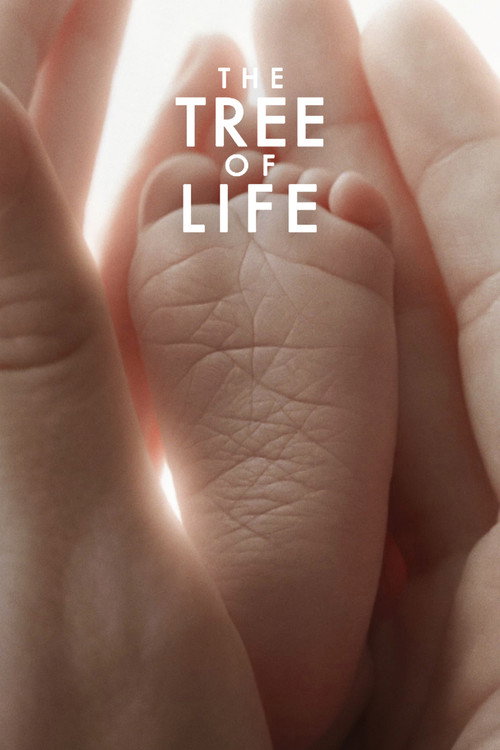
The Tree of Life2011
Malick's cosmic family elegy asks the same question Ordet does — can grief be answered by grace — but scales it from a Texas childhood to the birth of the universe itself.
But Almost no plot, fractured chronology, and a runtime that tests patience even for fans of slow cinema.
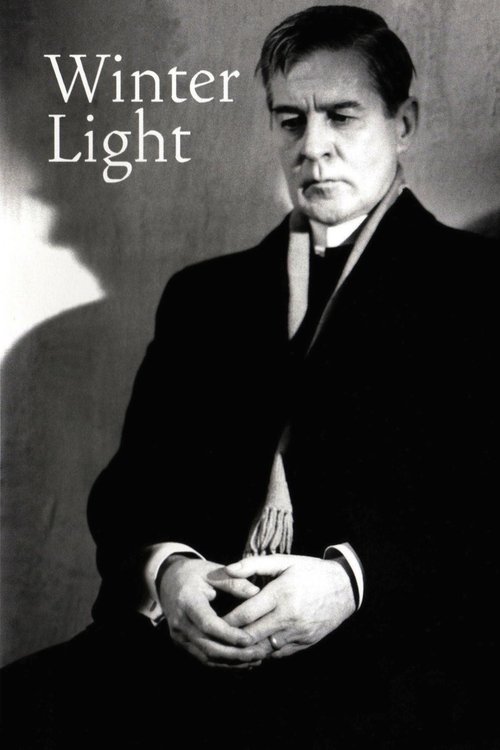
Winter Light1963
Bergman's coldest, tightest film follows a pastor who's lost his faith through a single grey Sunday — the same austere, theological intensity as Ordet, minus the miracle.
But Deliberately joyless and claustrophobic; there's no warmth here to soften the doubt.
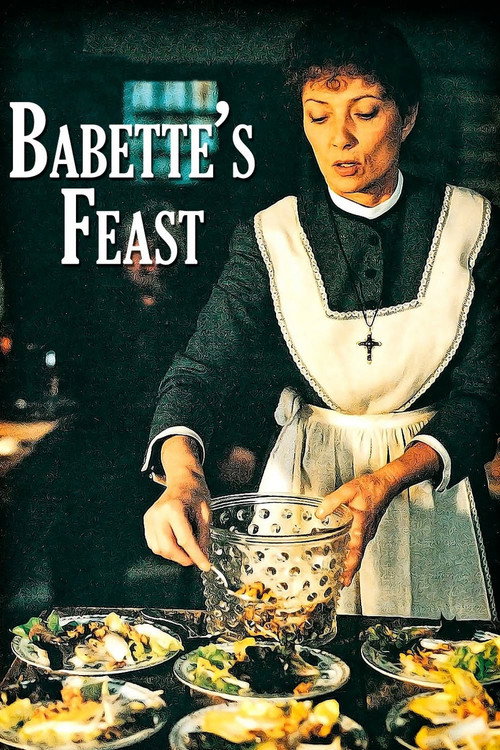
Babette's Feast1987
A gentler Danish cousin to Ordet — devout sisters, a stern religious community, and an act of grace that arrives through food instead of resurrection.
But Slow build with a payoff that's more sensory than dramatic; little conflict until the final act.
The wildcard
Something you would not have found on your own.
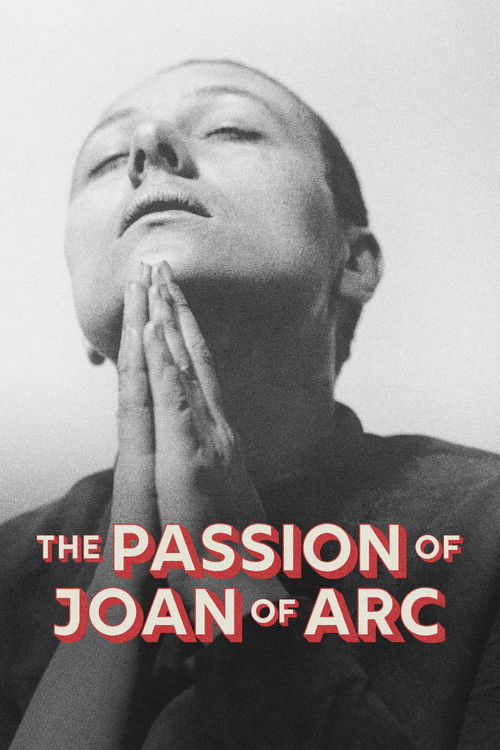
The Passion of Joan of Arc1928
Same director, same obsession with faith under interrogation, and the extreme facial close-up technique Dreyer would refine decades later for Ordet's deathbed and resurrection scenes.
Dreyer's own earlier masterpiece, made nearly thirty years before Ordet, is a silent film built almost entirely from close-ups of Renée Falconetti's face as Joan is tried for claiming to hear God.
But Silent, intertitle-driven, and the intensity of all those close-ups can feel relentless for anyone new to the format.
More like this (8)
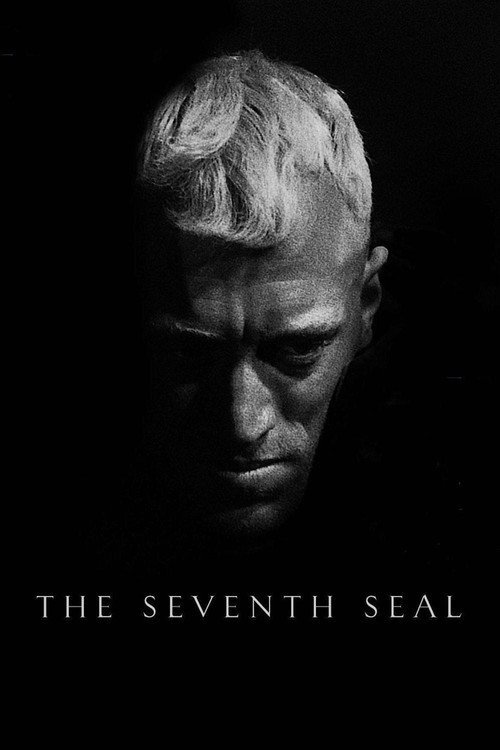
The Seventh Seal1957
Bergman's knight interrogates Death directly instead of God through family, but it's the same medieval-farmhouse seriousness about whether belief means anything in the face of mortality.
But Heavier allegory, and the chess-with-Death imagery some now find overfamiliar through parody.
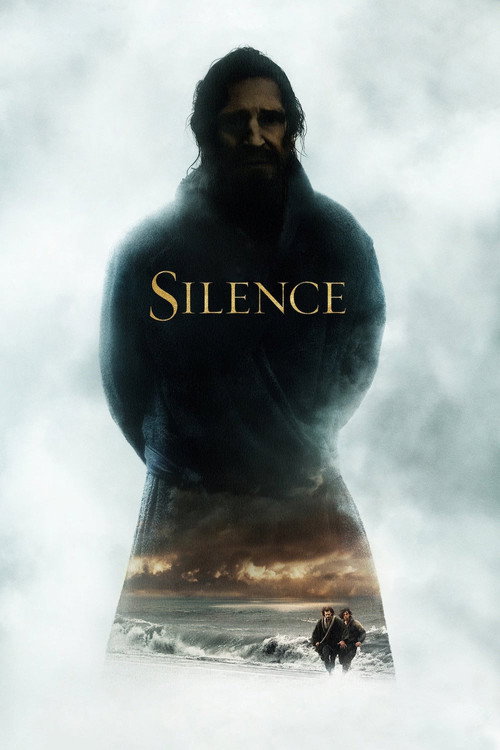
Silence2016
Scorsese's Jesuit epic pushes Ordet's question to its most brutal extreme — what does faith cost when it's tested by real suffering rather than a sickbed.
But Nearly three hours of grinding persecution; punishing rather than consoling.
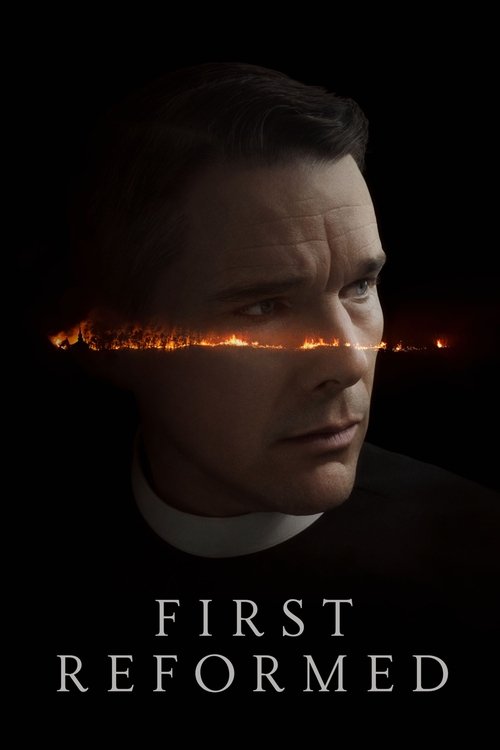
First Reformed2018
A dying rural pastor's crisis of belief updated to the age of ecological despair — same austere camera, same refusal to comfort you.
But Ends somewhere far stranger and angrier than Ordet ever goes; not for those wanting resolution.
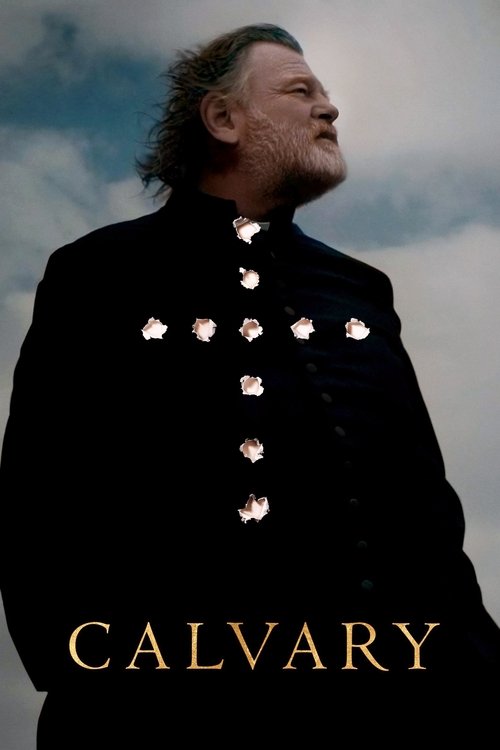
Calvary2014
An Irish priest given a week to live confronts a village that's lost all faith in him or God — Ordet's questions with black comedy stitched through the grief.
But The humour is bitter and the ending grim; some will find the tonal mix uncomfortable.
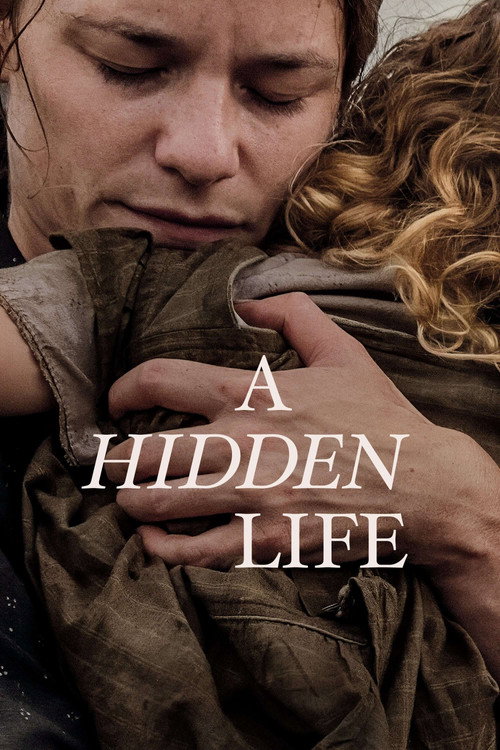
A Hidden Life2019
Malick again, this time an Austrian farmer's quiet, stubborn faith against the Nazi state — the same rural devotion and family stakes as Ordet, filmed with the same reverence for landscape.
But Nearly three hours of unhurried suffering with little plot momentum.
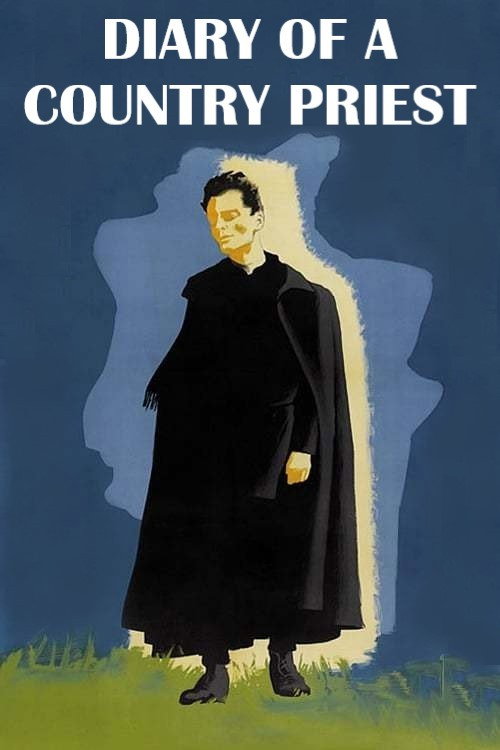
Diary of a Country Priest1951
Bresson's austere study of a dying priest's crumbling faith is Ordet's closest cousin — same stillness, same refusal to explain a mystery away.
But Extremely spare and interior; almost nothing happens on screen by design.
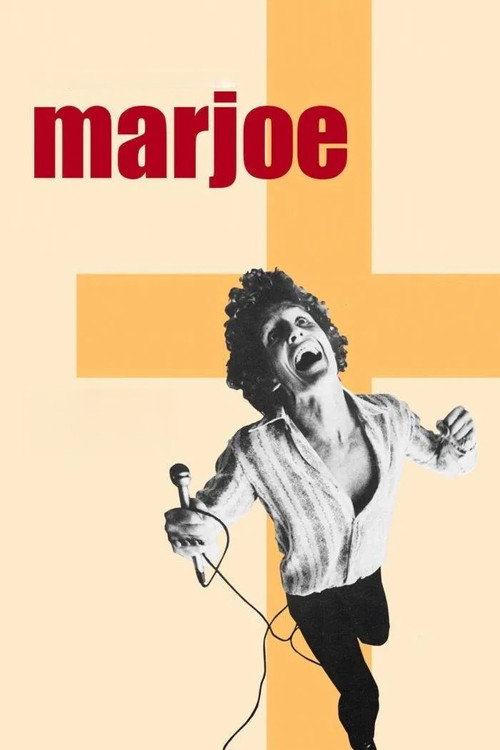
Marjoe1972
Interrogates the exact question Ordet poses about faith — is a miracle real or performed — except with a hidden camera instead of a parable, and a con man instead of a believer.
An Oscar-winning documentary following child evangelist Marjoe Gortner as he exposes, from the inside, how Pentecostal revival meetings are staged for maximum emotional and financial effect.
But Cynical and sometimes squirm-inducing; it's the opposite of Ordet's sincerity, which some may find deflating.
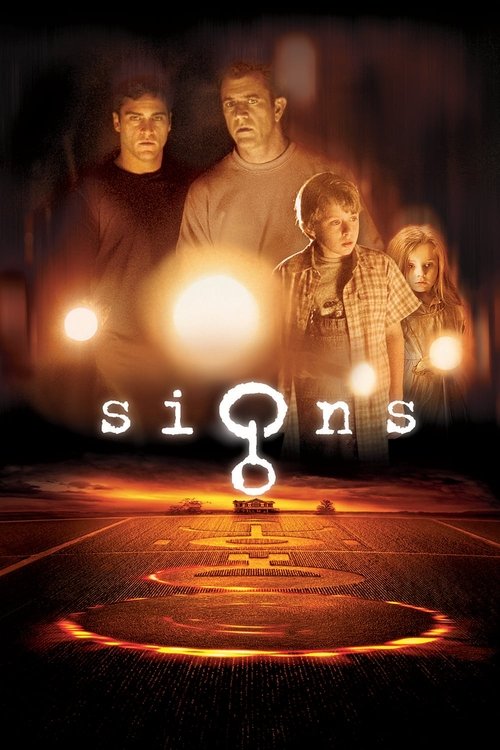
Signs2002
Same shape as Ordet: a grieving household, a lapsed believer, and a climactic event that either proves faith right or is pure coincidence, left for the audience to decide.
A widowed former priest and his family face crop circles and possible invasion in this Shyamalan thriller that's secretly a small, tense drama about whether the universe means anything at all.
But Genre trappings — jump scares, aliens, a twist — sit oddly against its serious questions; some find it corny rather than profound.
People
Cast
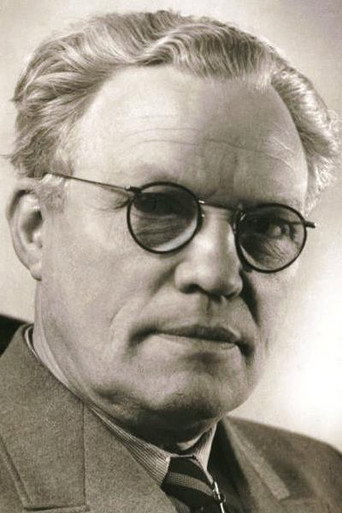 Henrik MalbergMorten Borgen (uncredited)
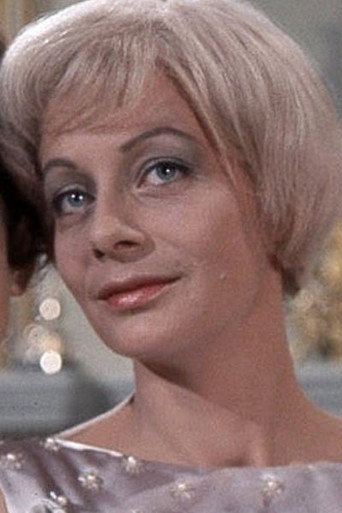 Birgitte FederspielInger Borgen (uncredited)
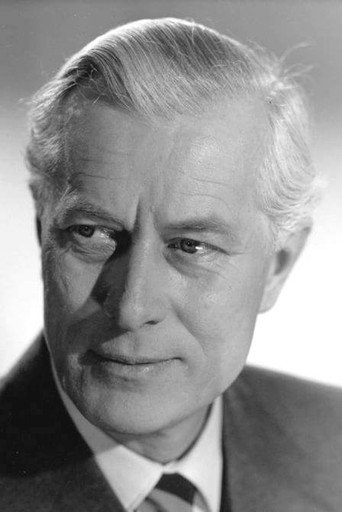 Emil Hass ChristensenMikkel Borgen (uncredited)
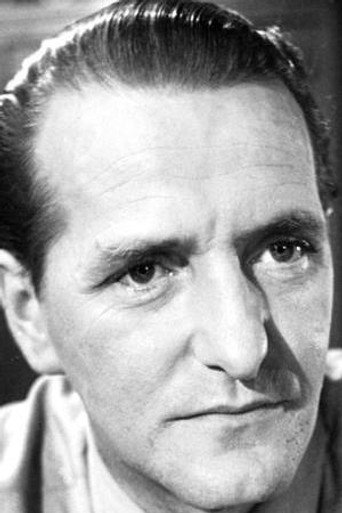 Preben Lerdorff RyeJohannes Borgen (uncredited)
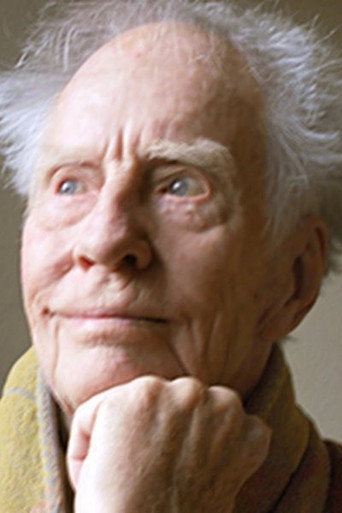 Cay KristiansenAnders Borgen (uncredited)
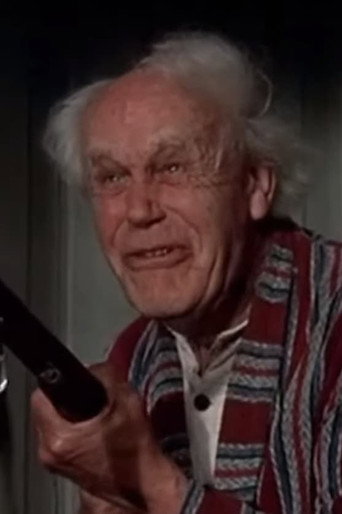 Ejner FederspielPeter Petersen (uncredited)
- Gerda NielsenAnne Petersen (uncredited)
- Sylvia EckhausenKirstin Petersen (uncredited)
- Ann Elisabeth GrothMaren Borgen (uncredited)
- Susanne RudLilleinger Borgen (uncredited)
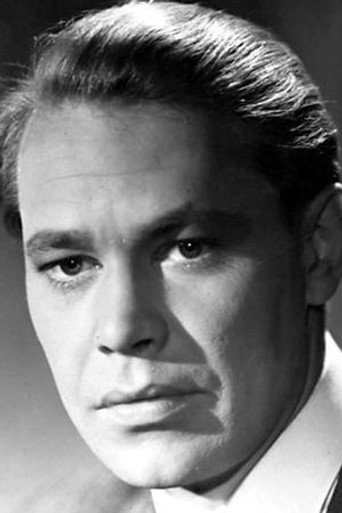 Ove RudPastor (uncredited)
- Henry SkjærThe Doctor (uncredited)
Directing
- Jesper GottschalchAssistant Director
- Karen PetersenAssistant Director
- Carl Theodor DreyerDirector
- Sven PoulsenScript Supervisor
Writing
- Carl Theodor DreyerScreenplay
- Kaj MunkStory
Production
- Carl Theodor DreyerProducer
- Erik NielsenProducer
- Tage NielsenProducer
Recommended by
Babette's Feast, The OA, Whistle Down the Wind, Signs, Diary of a Country Priest, Silence