
Film
The Bible: In the Beginning...
John Huston's 1966 epic adapts Genesis as a series of grand tableaux: Eden's innocence, Cain's rage, Noah's deluge, Abraham's trial. Nearly three hours of widescreen spectacle with major actors playing biblical titans. It's reverent without being dull, ambitious in scope, and genuinely strange in ways only '60s religious epics could be. For those who love old Hollywood audacity and don't mind leisurely pacing.
Should you watch it?
Watch it if you like sweeping, old-fashioned Hollywood spectacle where Genesis unfolds as a string of grand tableaux, and you don't mind a stately pace that treats each story as a set piece.
Skip it if you want one continuous story, because this is a loose run of separate episodes with big gaps between them, and its earnest solemnity can feel stiff and dated.
What it asks of you: Nearly three hours of unhurried storytelling, with long, deliberate stretches between the set pieces, so it rewards settling in for an evening rather than dipping in.
Not sure? Find tonight's pick in a minute.
If you liked this
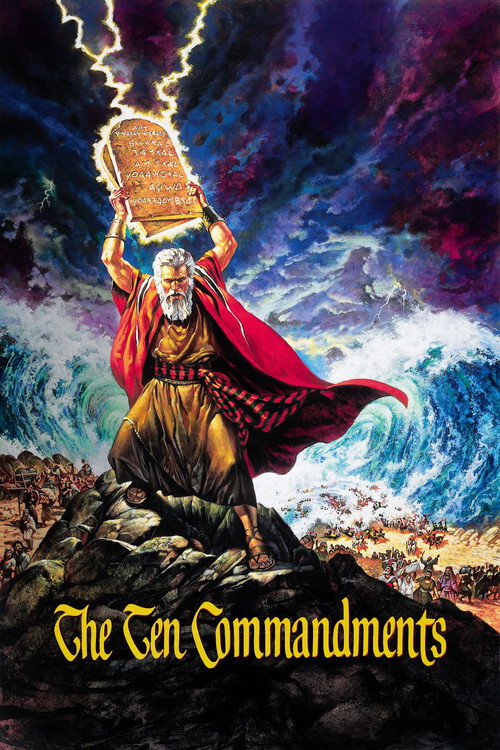
The Ten Commandments1956
DeMille's earlier biblical epic with comparable scale, famous sequences, and that same commitment to rendering scripture as blockbuster. A natural companion piece in the same vein.
But Runs 220 minutes and moves even more slowly. The 1950s effects work hasn't aged as gracefully as you might hope.
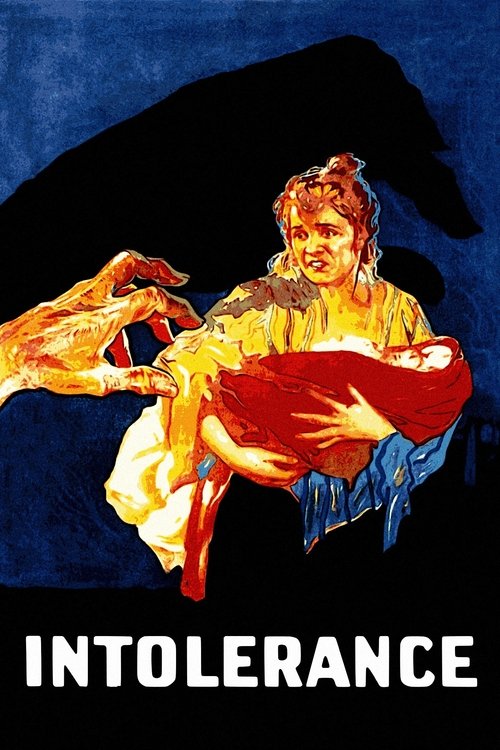
Intolerance: Love's Struggle Throughout the Ages1916
D.W. Griffith's monumental, visionary predecessor. Four historical periods in parallel; revolutionary editing and ambition that influenced everything after. The DNA of what Huston was attempting.
But Silent, and structurally demanding. Some viewers find the parallel narrative confusing. It's a commitment, even at a theater.
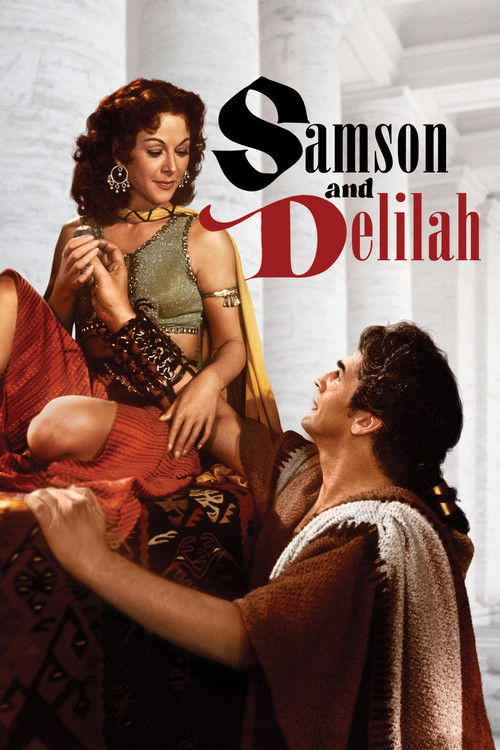
Samson and Delilah1949
Cecil B. DeMille's colorful, unapologetic biblical adventure. Victor Mature and Hedy Lamarr in Technicolor excess. Pure entertainment dressed in scripture—the exact frequency Huston was working at.
But The acting is broad. If you're allergic to camp and sincerity in the same frame, this will test your tolerance.
Not sure tonight? Get a pick in a minute, starting from The Bible: In the Beginning...
The wildcard
Something you would not have found on your own.
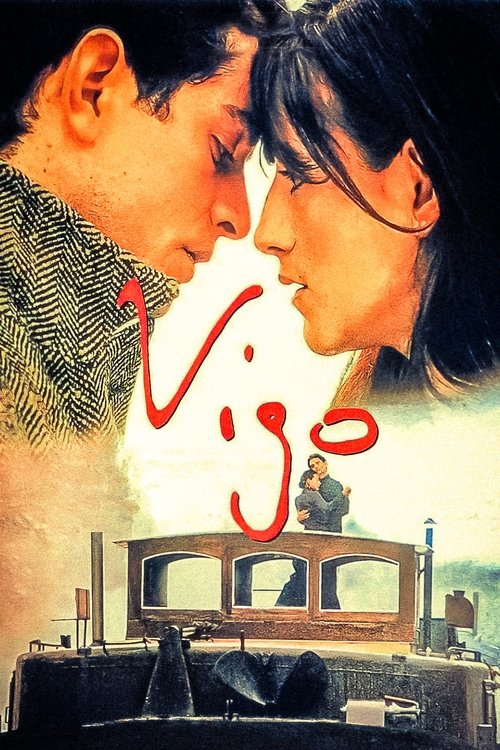
Vigo1998
Both films believe in the power of images to convey meaning beyond dialogue. Both are constructed as a series of carefully composed tableaux rather than conventional scenes. Vigo's visual language informed how Huston would later frame biblical grandeur.
Vigo's final work: a young boy in a boarding school, poetic and anarchic, formal and intimate. Visually it's ancestor to everything Huston learned about composition and movement. Completely different subject, same genius of frame.
But Only 41 minutes, a fragment really, and black-and-white, and French. If you want scope this won't satisfy that appetite, but it's the DNA.
More like this (8)
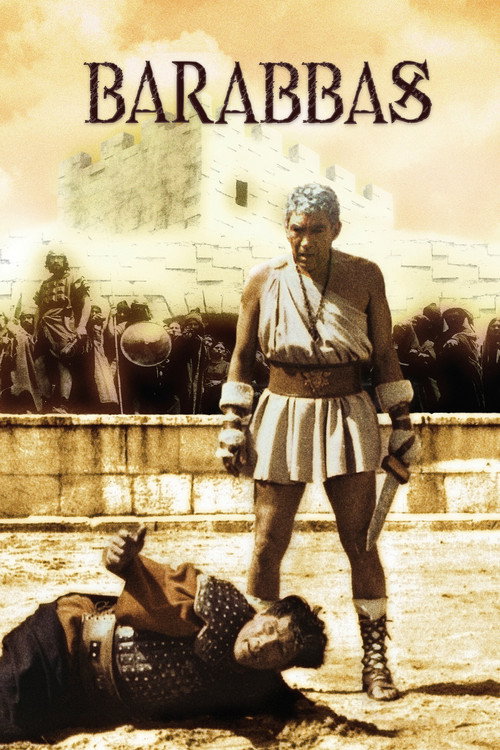
Barabbas1961
Anthony Quinn leading an adaptation of Pär Lagerkvist's novel about the man released instead of Jesus. Darker and more philosophically complicated than most biblical epics, with genuine moral weight.
But Slower and more austere than you'd expect from the era. Less spectacle than introspection, which can feel subdued if you wanted action.
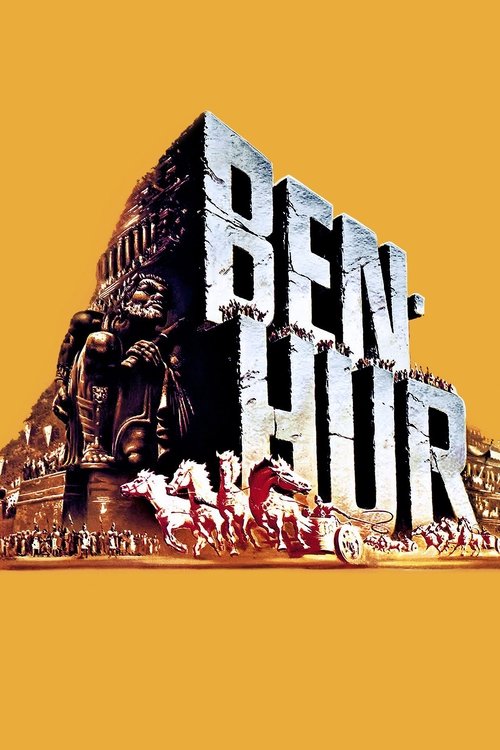
Ben-Hur1959
The gold standard of biblical-era epics. Charlton Heston, that chariot race, Miklos Rozsa's score. If you liked Huston's ambition but want tighter plotting and more overt drama, this is essential.
But Three hours forty minutes, and it can drag if you're not invested in Heston's revenge arc. Dated in places, particularly the romantic subplot.
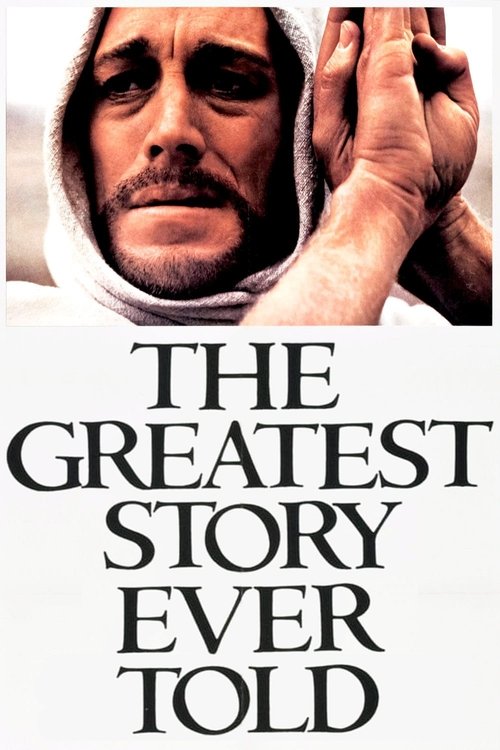
The Greatest Story Ever Told1965
George Stevens' Christ epic, released the year before Huston's Genesis. Sprawling, star-studded, earnest. A fascinating companion to see how two major directors approached scripture at the same moment.
But Often cited as overwrought and dramatically inert. The star cameos can feel distracting rather than elevating.
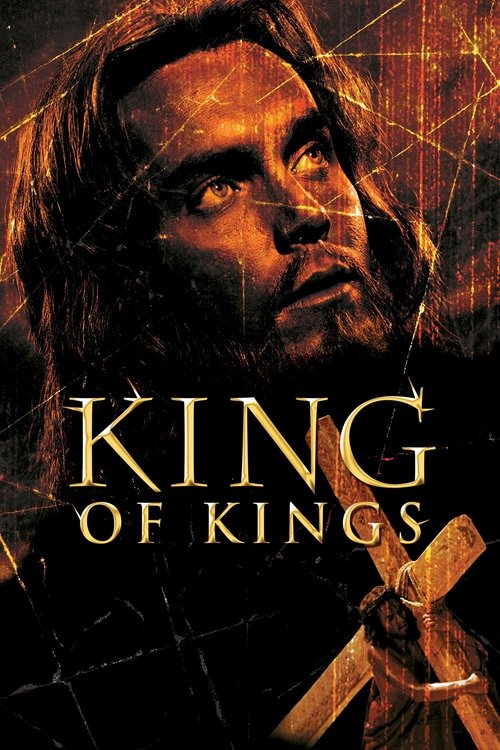
King of Kings1961
Nicholas Ray's unexpectedly painterly life of Christ. Less about spectacle than mood and visual composition. A different temperature from Huston but same-era reverence for the material.
But Very slow, very meditative. If you want plot momentum or conventional drama, the pacing will frustrate you.
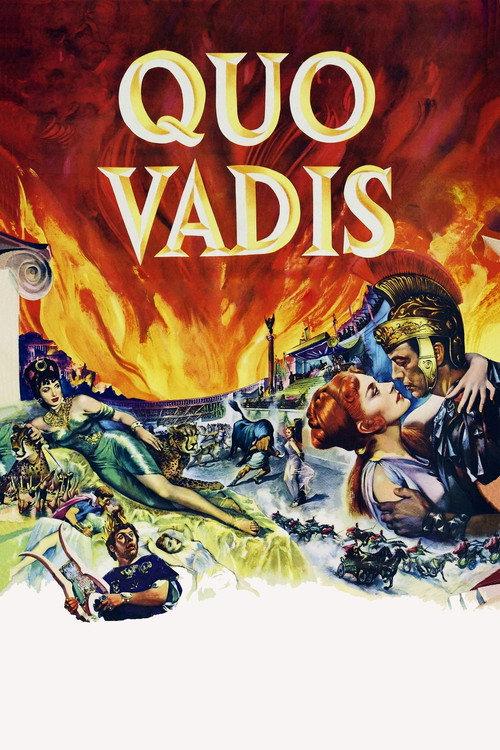
Quo Vadis1951
Robert Taylor in ancient Rome during Nero's reign. Mervyn LeRoy's epic sprawl with action, romance, and that Technicolor grandeur. More kinetic than Huston's work but same appetite for scope.
But Nearly three hours of plot meandering. The love story undercuts the historical stakes if you're not charmed by mid-century romance.
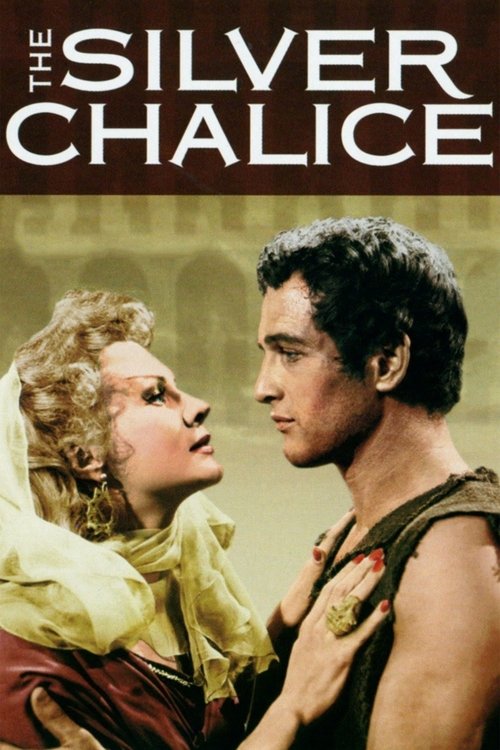
The Silver Chalice1954
Virginia Mayo and Jack Palance in a pre-Christ epic about the cup itself. Deeply strange in places, visually ambitious for its budget, with an earnestness that's either moving or unintentionally funny depending on your mood.
But Widely mocked on release. The dialogue can be wooden, and the pacing is indulgent even by '50s standards. Requires patience and goodwill.
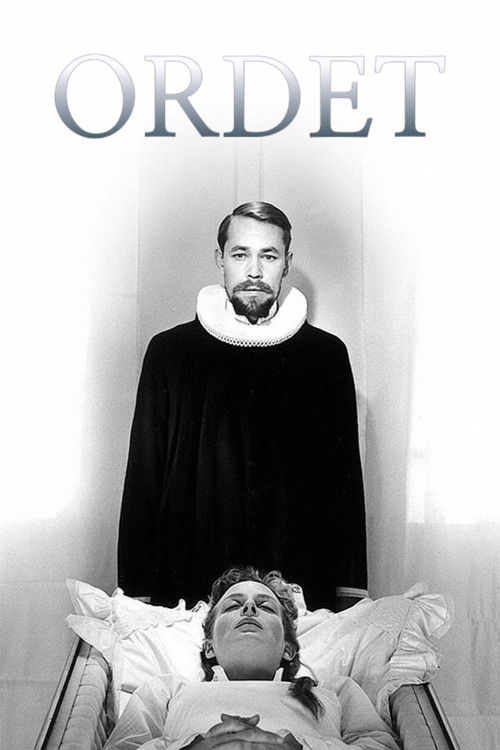
Ordet1955
Both interrogate what faith looks like on screen. Huston renders it as epic tableaux; Dreyer renders it as silence and faces. Opposite approaches to the same question: How do you show the invisible?
Carl Theodor Dreyer's Danish masterpiece about faith, doubt, and grace in a rural family. Sparse, profound, absolutely still. A meditation on belief that feels more true than any spectacle. Sublimely acted and shot.
But Nearly silent in places. Minimal plot. If you watched Huston for action or scale, this is its opposite. Some find it slow to the point of glacial; others weep.
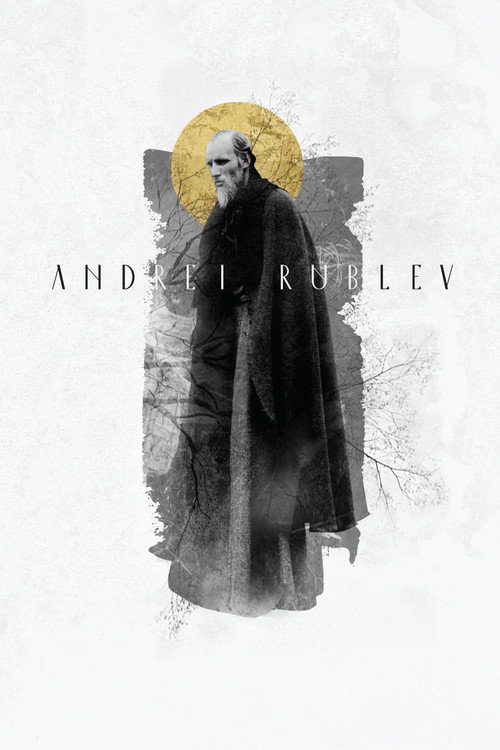
Andrei Rublev1966
Both films attempt to capture the sacred through image and duration. Both see art-making as a spiritual act. Where Huston uses size and color, Tarkovsky uses duration and texture—but both believe cinema can touch something transcendent.
Tarkovsky's monumental film about the Russian icon painter, made the same year as Huston's Genesis. Long, visionary, tactile, spiritual without being pious. The flood sequence is unforgettable. A work of genuine artistic struggle.
But Three hours twenty minutes and deliberately paced. Black-and-white. The narrative is loose, the philosophy dense. Demands active attention; rewards patience lavishly or exhausts the impatient.
People
Cast
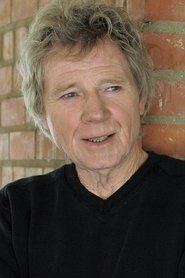 Michael ParksAdam
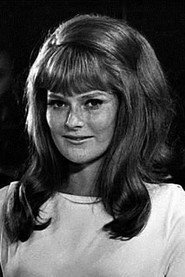 Ulla BergrydEve
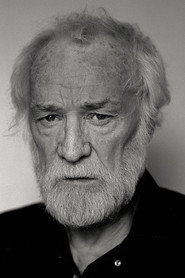 Richard HarrisCain
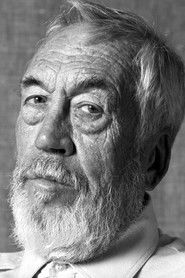 John HustonNoah
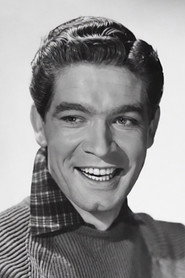 Stephen BoydNimrod
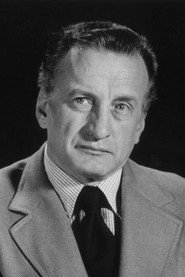 George C. ScottAbraham
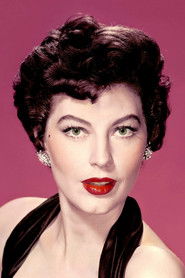 Ava GardnerSarah
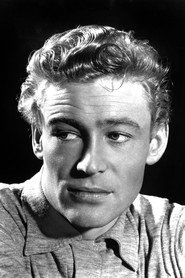 Peter O'TooleThe Three Angels
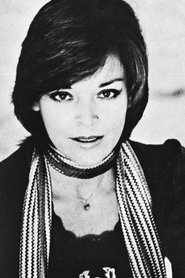 Zoe SallisHagar
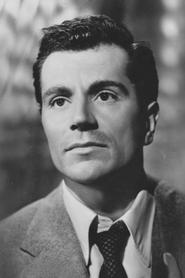
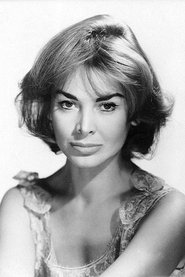 Eleonora Rossi DragoLot's wife
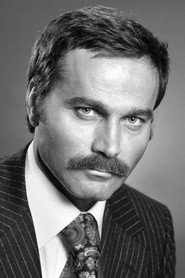 Franco NeroAbel
Directing
- Ottavio OppoAssistant Director
- Vana CarusoAssistant Director
- Gladys HillAssistant Director Trainee
- John HustonDirector
- Ernst HaasSecond Unit Director
Writing
- Orson WellesScenario Writer
- Christopher FryScreenplay
- Yvonne AxeworthyScript Editor
- Ivo PerilliWriters' Assistant
- Jonathan GriffinWriters' Assistant
- Vittorio BonicelliWriters' Assistant
Production
- Luigi LuraschiAssociate Producer
- Guidarino GuidiCasting
- Angelo LombardiConsulting Producer
- Salvatore GarofaloConsulting Producer
- W.M. MerchantConsulting Producer
- Dino De LaurentiisProducer
- Fred SidewaterProducer's Assistant
- Ralph B. SerpeProducer's Assistant
- Giorgio MorraProduction Assistant
- Bruno TodiniProduction Manager
- Piero De LucaProduction Manager