
Film
Barabbas
A sweeping 1961 Italian epic about the thief Barabbas, pardoned instead of Jesus, who staggers through a life of slavery, gladiatorial combat, and spiritual reckoning. Anthony Quinn carries the film with volcanic intensity, and the scope is genuinely grand—desert vistas, amphitheatres, moral vertigo. It's a thinking person's Biblical spectacle: less about pageantry than about the psychological wreck of a man living in the shadow of grace.
Should you watch it?
Watch it if you like sweeping 1960s biblical epics driven by a single restless antihero, where faith is wrestled with in the sand and sawdust of the arena rather than preached.
Skip it if you want a lean, fast-moving story, since at a little over two hours this one lingers over its ordeals and its grand, earnest set pieces.
What it asks of you: A long, deliberate sitting of about two hours and seventeen minutes, with brooding stretches, a solemn tone and few quick cuts.
Not sure? Find tonight's pick in a minute.
If you liked this
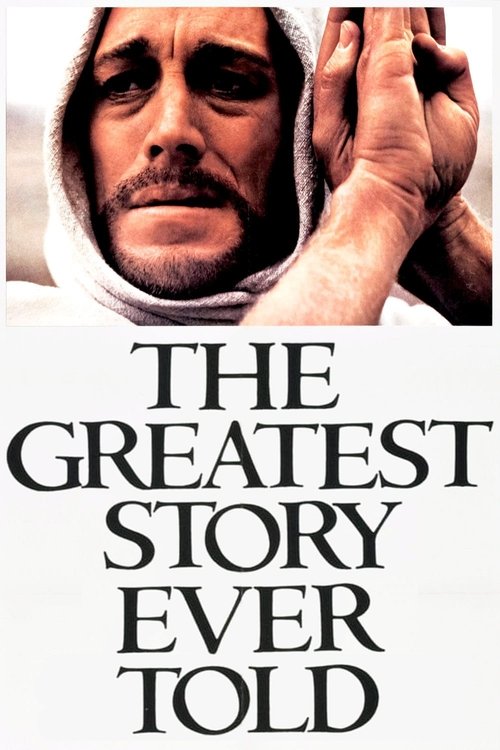
The Greatest Story Ever Told1965
Another Sixties Biblical epic with genuine ambition, built on similar theological questions about faith, doubt, and redemption. Sprawling, sincere, and visually ambitious in ways modern religious cinema rarely attempts.
But Three and a half hours long, slower than you'd expect, and the earnestness can tip toward stiffness. Some of the star-studded casting feels more distracting than immersive.
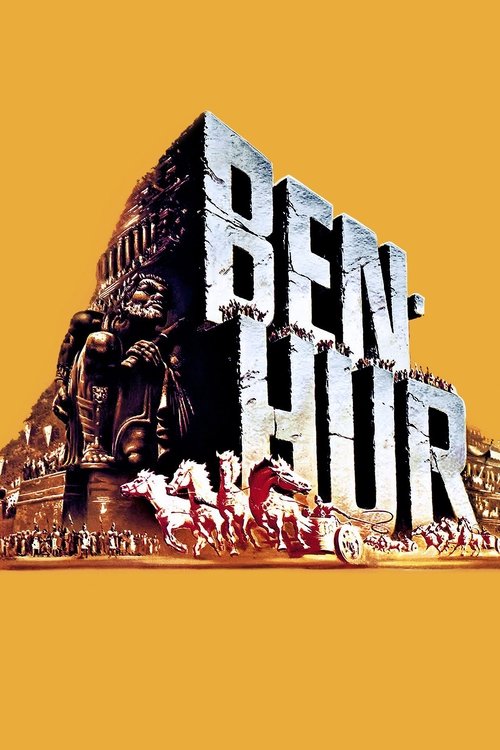
Ben-Hur1959
The gold standard of Biblical epics: colossal sets, a legendary chariot race, and Charlton Heston at full operatic power. It asks similar questions about faith and vengeance through a life transformed by encounter with Jesus.
But Monumental but glacial in places. The pacing assumes you're settling in for an experience, not entertainment. Some will find it dated, others sacred.
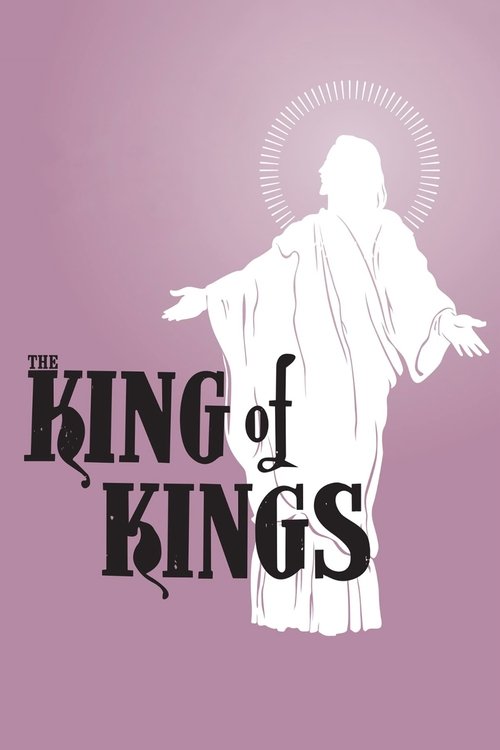
The King of Kings1927
Cecil B. DeMille's silent Biblical spectacle, made forty years before Barabbas but with the same hunger for scale and moral seriousness. Visually astounding and surprisingly intimate about faith and doubt.
But Silent film demands patience; no score to distract from the story. The acting style is era-specific and may feel mannered to modern eyes.
Not sure tonight? Get a pick in a minute, starting from Barabbas
The wildcard
Something you would not have found on your own.
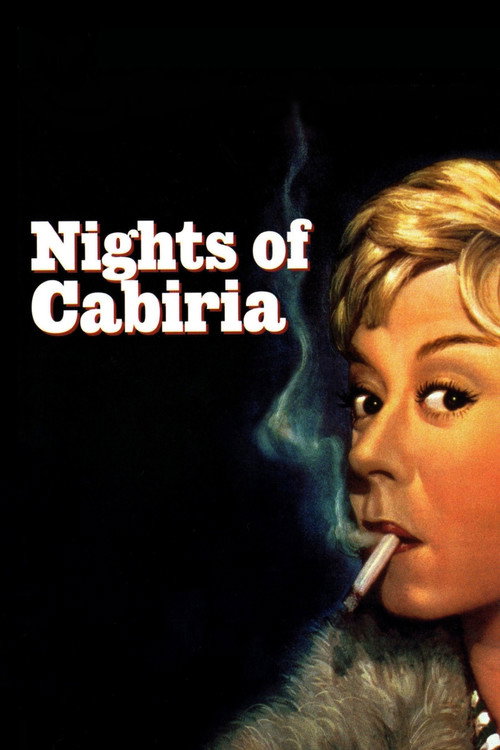
Nights of Cabiria1957
Both track a soul's reckoning with grace through suffering and humiliation. Both refuse easy redemption; they insist that transformation is harder, stranger, and more human than conversion narratives usually admit.
Fellini's about spiritual transformation in a fallen world—a woman repeatedly humbled and reborn through encounters that strip away illusions. Like Barabbas, it's about grace descending on the undeserving, but rendered in gritty, poetic neorealism. Giulietta Masina is unforgettable.
But It's small, intimate, Italian-language cinema, not spectacle. The spirituality is implicit, not explicit. And it ends in a place of ambiguous tenderness that offers no reassurance.
More like this (8)
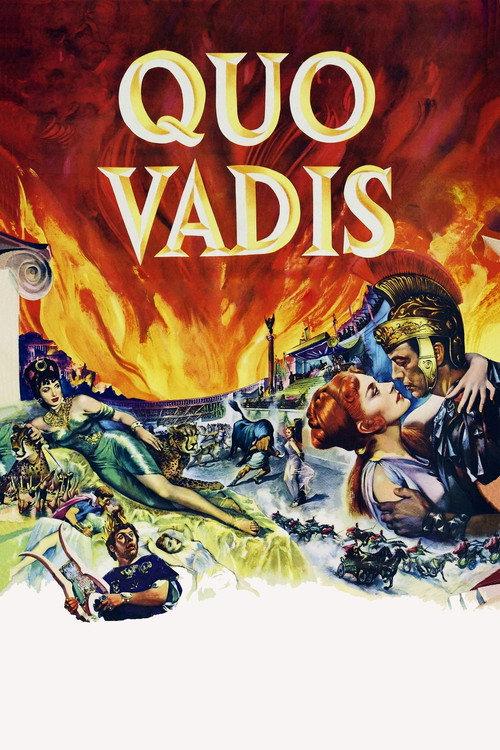
Quo Vadis1951
Epic Roman drama where Christianity and paganism collide, built on the same sets of gladiatorial spectacle and spiritual transformation. Robert Taylor and Ava Gardner anchor it with real star power and psychological depth.
But Nearly three hours and the melodrama is thick. Feels like a product of Hollywood's golden age in ways that can seem overwrought now.
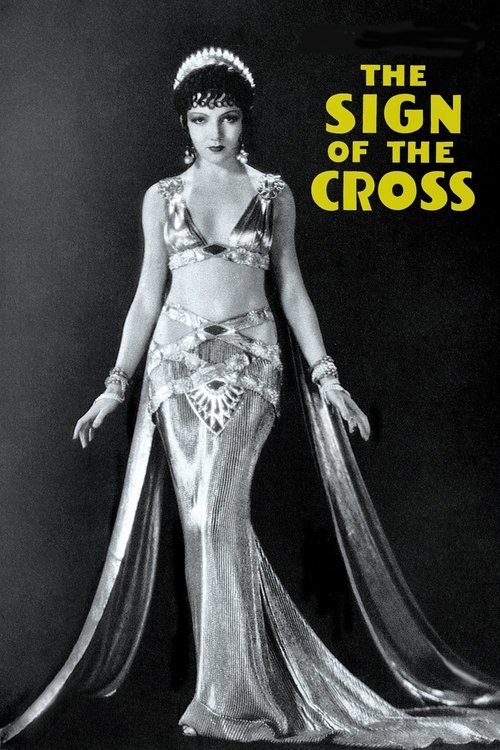
The Sign of the Cross1932
An earlier, rawer DeMille on similar themes—persecution, faith tested by fire, the collision of Empire and spirit. Fredric March gives a fascinating performance caught between worlds.
But Pre-Code morality and pacing; it's brisk but also strange, with tonal shifts that don't quite cohere by modern standards. The prints available vary wildly in quality.
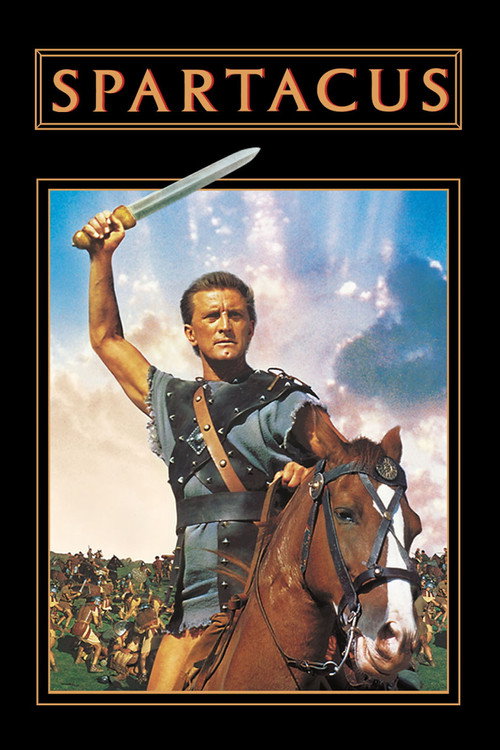
Spartacus1960
Not a Biblical epic but fundamentally about the same thing: a rebel, slavery, the gladiatorial arena, and the possibility of redemption through moral choice. Kirk Douglas burns through it with extraordinary charisma.
But Nearly four hours. The dialogue can be on-the-nose. Stanley Kubrick's later reputation sometimes makes people expect something other than what it is—a passionate, somewhat earnest humanist epic.
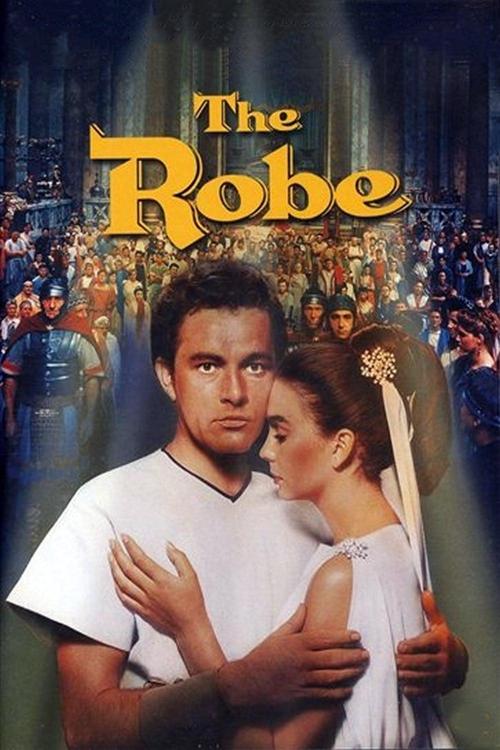
The Robe1953
CinemaScope Biblical drama about a Roman officer confronting faith and conscience. It has genuine warmth alongside the spectacle, and the theological questions are movingly rendered rather than preached.
But Earnestness without irony can feel dated. It's also a studio product with all the glossiness that entails—sometimes reads as Sunday school rather than lived struggle.
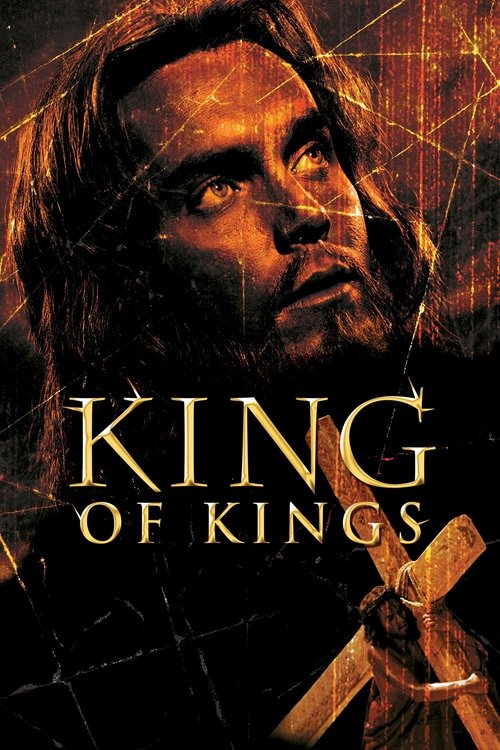
King of Kings1961
Released the same year as Barabbas, this is Ray's Christ story from the perspective of faith rather than doubt. Shot in Spain with extraordinary landscape photography; sincere without being cloying.
But Jeffrey Hunter's Jesus is serene rather than challenging; the film's reverence can feel static. And at 168 minutes, it requires real commitment.
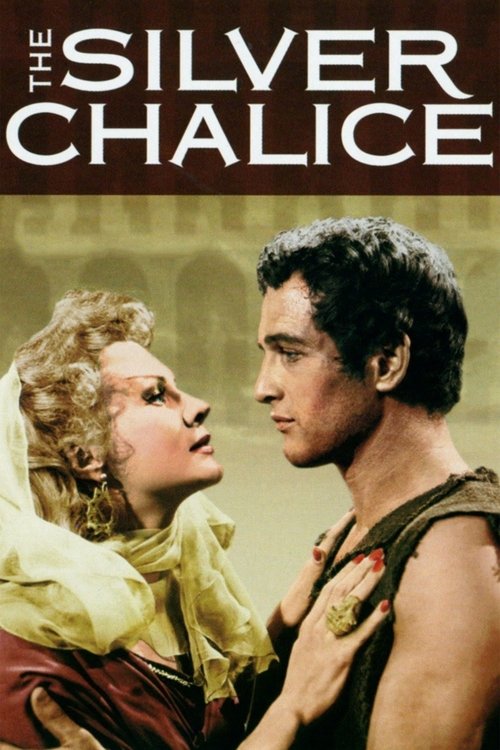
The Silver Chalice1954
Post-Crucifixion adventure story about a craftsman building a chalice, mixing spectacle with intimate faith questions. Paul Newman in his early, raw-nerved phase; the sincerity is compelling.
But Deeply uneven in tone and pacing. Newman himself disowned it. The theological arguments are interesting but the script sometimes bludgeons you with them.
Stalker1979
Both examine whether redemption is possible, what it costs, and whether we're even equipped to recognize it when it arrives. Both are skeptical of easy answers while remaining haunted by the question.
Tarkovsky's science-fiction meditation on faith, desire, and the meaning of salvation. A spiritual guide leading seekers through a forbidden zone toward a room that grants wishes—but asks whether we know what we actually want. Slow, hypnotic, theologically profound.
But It's the opposite of action. Ten minutes can pass with minimal dialogue. You must surrender to its rhythm or you'll hate it. Also: 163 minutes, and it does not hurry.

A Prophet2009
Both track a man remade by incarceration and proximity to something sacred. Both suggest that redemption, if it comes at all, arrives through suffering rather than escape from it. And both refuse to sentimentalize the process.
A young Arab man imprisoned in France undergoes spiritual and criminal transformation in the prison system. It's Barabbas relocated to the modern carceral state—the same architecture of degradation, power, and the possibility of transcendence. Brilliantly acted, morally complex, and genuinely gripping.
But It's grim and violent; the spirituality emerges through brutality, not despite it. It's also French, subtitled, and operates in a register of psychological realism far from Sixties epic register. The ending offers no comfort.

People
Cast
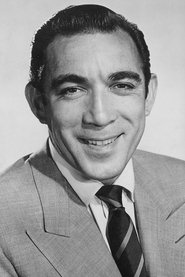 Anthony QuinnBarabbas
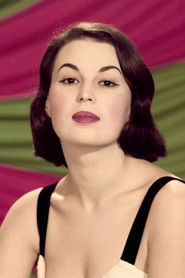 Silvana ManganoRachel
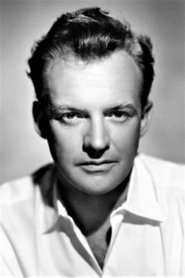 Arthur KennedyPontius Pilate
 Katy JuradoSara
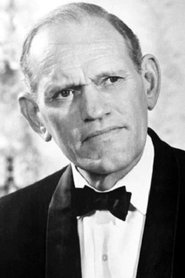 Harry AndrewsPeter
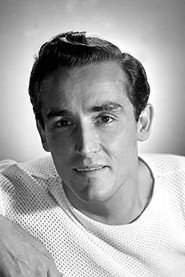 Vittorio GassmanSahak
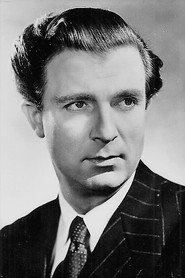 Norman WoolandRufio
 Valentina CorteseJulia
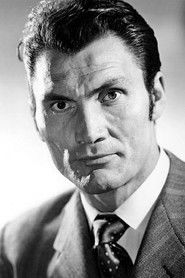 Jack PalanceTorvald
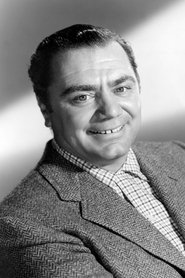 Ernest BorgnineLucius
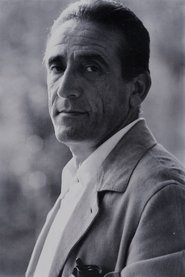 Arnoldo FoàJoseph of Arimathea
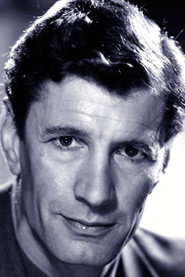 Michael GwynnLazarus
Directing
- Richard FleischerDirector
Writing
- Pär LagerkvistNovel
- Christopher FryWriter
- Diego FabbriWriter
- Ivo PerilliWriter
- Nigel BalchinWriter
- Salvatore QuasimodoWriter
Production
- Dino De LaurentiisProducer
- Mario ChiariProduction Designer
Recommended by
The Robe, The Bible: In the Beginning..., Samson and Delilah, King of Kings, The Sign of the Cross, The Greatest Story Ever Told, A.D. The Bible Continues, Pontius Pilate, The Silver Chalice, Sodom and Gomorrah, Ben-Hur, Demetrius and the Gladiators, The Sword and the Cross, Morgan, the Pirate, Salome