
Film
The Sword and the Cross
A 1958 Italian Biblical drama where Yvonne De Carlo's Mary Magdalene confronts her past as a woman of ill repute, caught between her brother's moral disapproval and the possibility of redemption. Earnest, theatrically mounted, and visibly made on a modest budget, it's sincere about spiritual transformation even when the dialogue clangs. Designed for viewers drawn to vintage religious cinema who don't mind creaky production values.
If you liked this
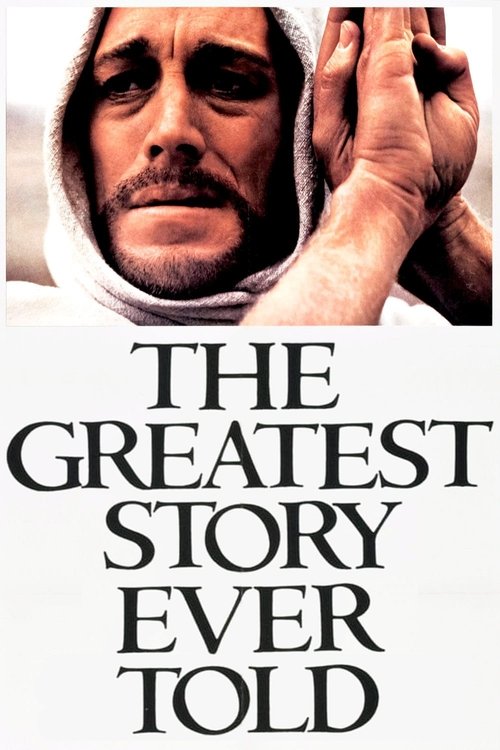
The Greatest Story Ever Told1965
A sprawling, reverent epic with an all-star cast treating Christ's life as cinema's grandest subject. The scale and sincerity match what you're looking for, and the supporting cast work hard to elevate the material.
But At nearly four hours, it's glacially paced, and the dialogue often sounds like it was written for a Sunday school pageant rather than human beings.
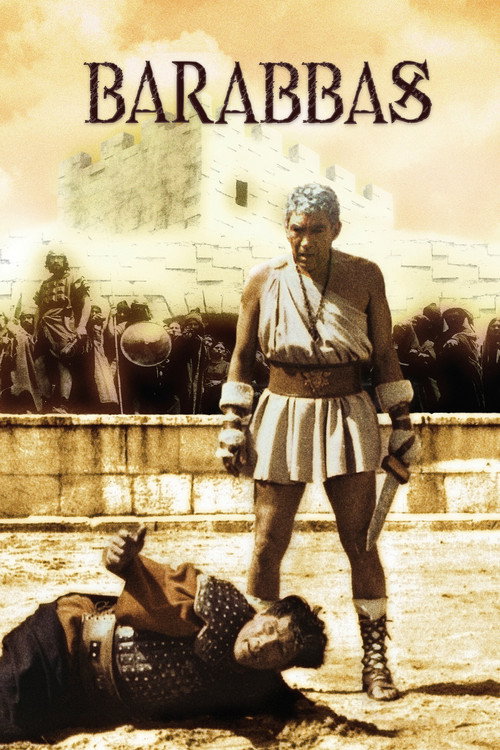
Barabbas1961
Anthony Quinn as the title criminal released instead of Christ, wrestling with grace and damnation. It shares the 1950s Italian-made religious epic DNA and actually understands moral complexity better than most films of its era.
But The torture sequences are cruel even by period standards, and the philosophical wrestling can feel heavy-handed.
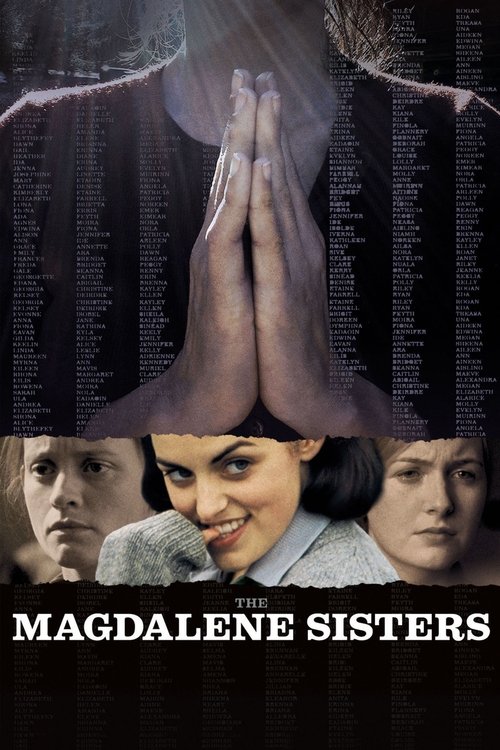
The Magdalene Sisters2002
A brutally honest film about magdalene laundries where women were imprisoned for sexual "transgression." It takes the Mary Magdalene mythology and strips away the piety to show the real cruelty it enabled.
But It's genuinely upsetting—systemic abuse, humiliation, no cathartic redemption arc. Not a comfort watch, and some will find it didactic.
Not sure tonight? Get a pick in a minute, starting from The Sword and the Cross
The wildcard
Something you would not have found on your own.
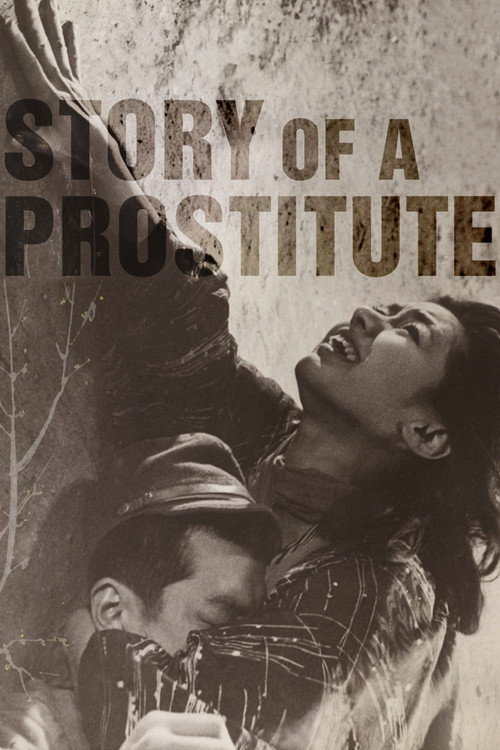
Story of a Prostitute1965
Both examine the mythology of 'fallen women' redemption, but this one interrogates it rather than affirms it. Where one offers grace, the other offers only the dignity of surviving.
Masaki Kobayashi's devastating Japanese film following a sex worker through the Pacific War, finding brutality not redemption. It asks the same question as *Sword and the Cross*—what becomes of women marked by sexual transgression—and answers with unflinching darkness.
But It's explicit, bleak, and determined to dismantle any comforting myth of spiritual transcendence. Watching it is a commitment to enduring human ugliness.
More like this (7)
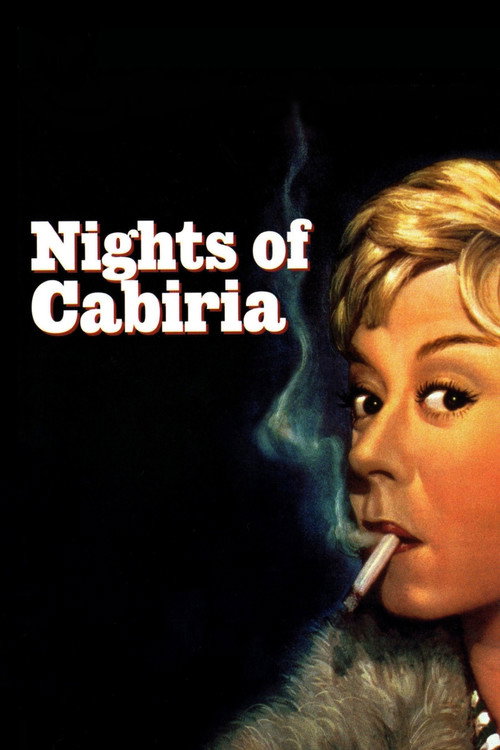
Nights of Cabiria1957
Fellini's portrait of a sex worker in Rome seeking love and dignity. Heartbreaking, funny, and visually sumptuous in ways *The Sword and the Cross* aspires to but never achieves.
But It's more interested in melancholy and ambiguity than redemption, which might feel like a betrayal if you want a moral resolution.
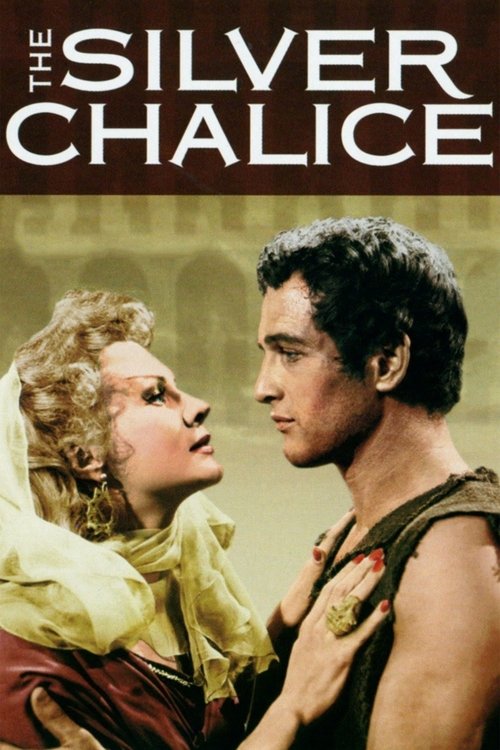
The Silver Chalice1954
A Byzantine Biblical epic about crafting the chalice of Christ, with lush Technicolor and earnest faith. Peak 1950s Hollywood-style reverence, complete with the theatrical acting style you're watching for.
But The pacing is sedative and the romance subplot is aggressively dull. Also: notorious for the scene where Jesus appears in a vision that's genuinely awkward.
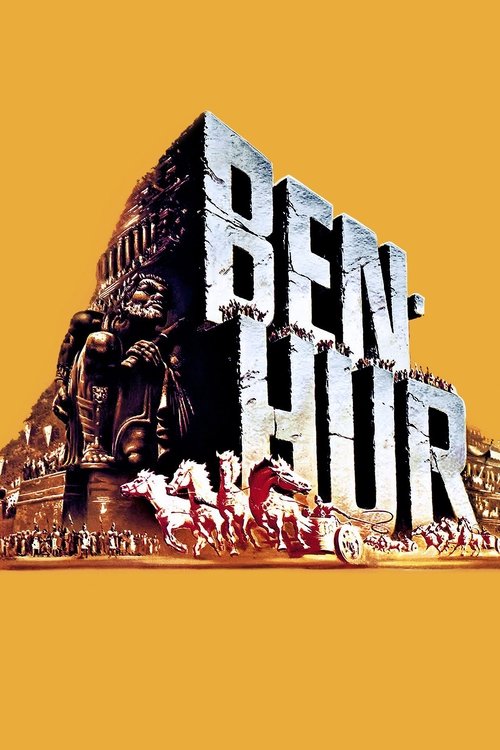
Ben-Hur1959
The gold standard of 1950s Biblical epics: a man wronged seeking vengeance, with a massive chariot race and Heston at peak intensity. Technically masterful and genuinely exciting.
But It's three and a half hours of grandeur, and if you're not won over by the first forty minutes of setup, you'll feel it. Also quite sanitized about its own brutality.
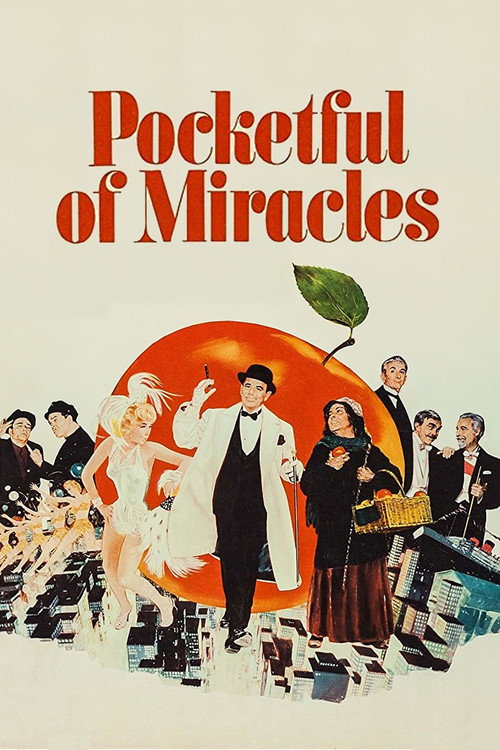
Pocketful of Miracles1961
Capra's sentimental comedy about an old fruit seller masquerading as a wealthy woman. It shares *Sword and the Cross*'s interest in spiritual transformation and fallen women finding grace, but through warmth rather than melodrama.
But It's treacly and calculated, and the whimsy can curdle fast if you're not in the mood to be emotionally manipulated by a master.
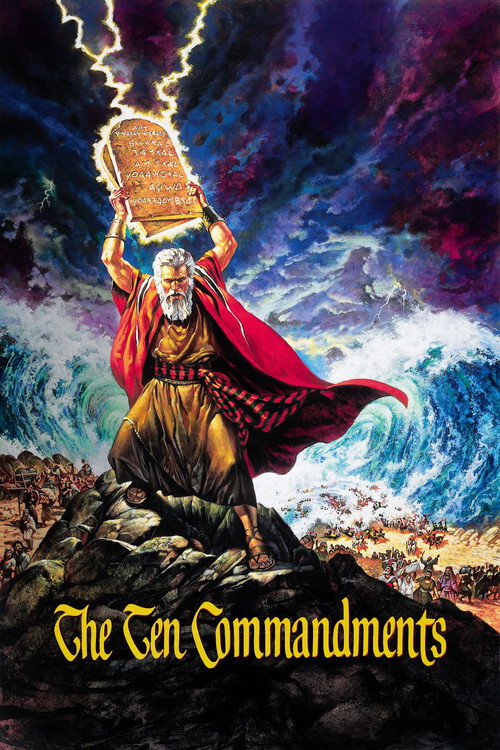
The Ten Commandments1956
DeMille at his most extravagant: Charlton Heston, parted seas, thousands of extras. Pure spectacle in service of Biblical authority, and undeniably watchable even when it's preposterous.
But At 3 hours 40 minutes, it's exhausting. The dialogue is stiff, the moral complexities are flattened, and you may find the pageantry unintentionally funny.
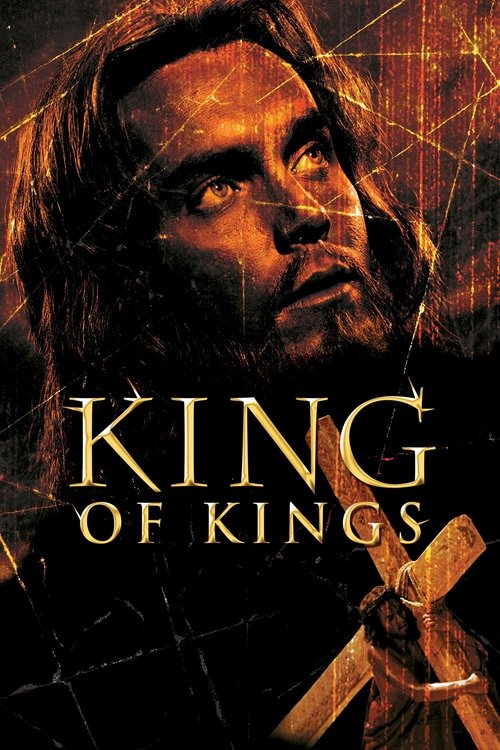
King of Kings1961
Ray's sober, visually striking account of Christ's life with Jeffrey Hunter in the title role. Less florid than contemporary epics and genuinely interested in the political dimensions of his ministry.
But It's austere and slow, and the casting of a conventionally handsome American actor as Jesus may feel wrongheaded rather than reverent.
The Seventh Seal1957
Both grapple with 1950s cinema's great question: can grace survive contact with the material world? One finds redemption; the other finds it irrelevant. A direct aesthetic and spiritual argument.
Bergman's medieval knight playing chess with Death. It's the art film that *The Sword and the Cross* is instinctively trying to be: visually ravishing, philosophically serious, obsessed with faith versus doubt, and utterly assured in its moral atmosphere.
But It's bleak, ambiguous, and offers no comfort. And Bergman's pace can feel glacial if you're accustomed to narrative momentum. Not a crowd-pleaser.

People
Cast
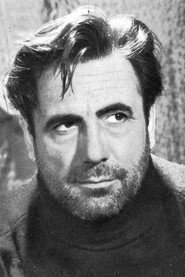
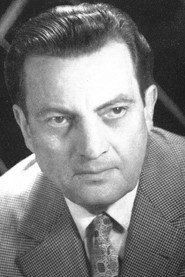
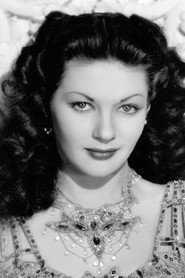 Yvonne De CarloMaria Maddalena
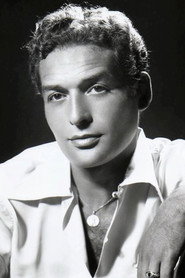 Jorge MistralCaio Marcello
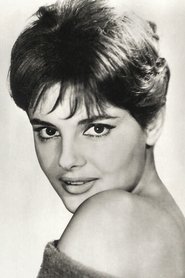 Rossana PodestàMarta
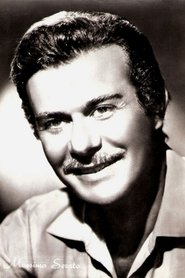 Massimo SeratoAnan
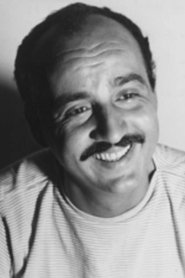 Andrea AureliBarabba
 Terence HillLazzaro
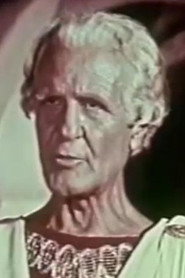 Nando TamberlaniCaifa
 Philippe HersentPonzio Pilato
 Rossana RoryClaudia
Directing
- Carlo Ludovico BragagliaDirector
- Paolo TavianiFirst Assistant Director
- Juli PoggiScript Supervisor
- Liliana FugagnolloSecond Assistant Director
Writing
- Sandro ContinenzaScreenplay
- Ottavio PoggiStory
Production
- Ottavio PoggiLine Producer
- Tito LiturriProduction Secretary
- Nino BattiferriUnit Manager
- Renato De PasqualisUnit Manager