
Film
The Magdalene Sisters
- Period drama
- Very dark
Peter Mullan's unflinching 2002 drama documents the brutal institutional cruelty inside Ireland's Magdalene laundries, where unmarried mothers and 'fallen women' were imprisoned and exploited by nuns. It's angry, precise, and humanizing without sentimentality. Essential viewing and difficult testimony.
Should you watch it?
Watch it if you want an unflinching, character-driven account of institutional cruelty, where the quiet solidarity between three women matters more than any dramatic machinery.
Skip it if you need some breathing room, since the film offers little respite and its anger is pointed rather than subtle.
What it asks of you: runs just under two hours and moves patiently through long stretches of humiliation and routine cruelty, so it demands steady emotional stamina more than close attention.
Not sure? Find tonight's pick in a minute.
If you liked this
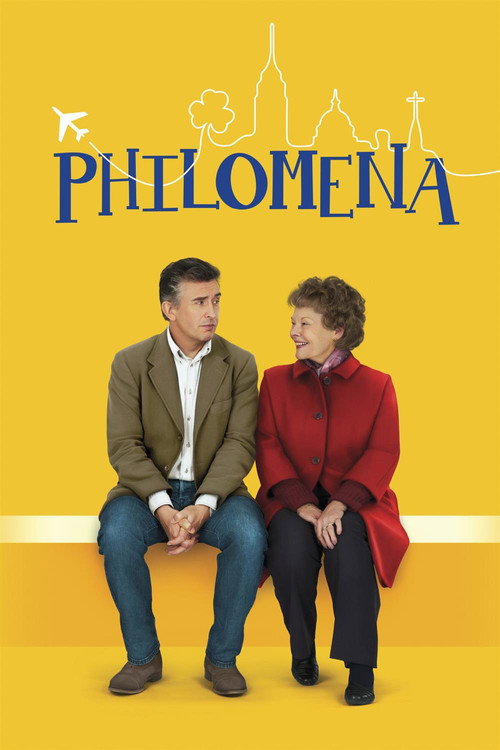
Philomena2013
Meryl Streep and Steve Coogan investigate the Irish church's forced adoption scandal with wit and sorrow. It reaches similar institutional darkness but frames the story as a present-day detective mystery, making it more digestible without losing moral weight.
But The lighter tone and detective-story structure might feel like it's softening the subject matter compared to Mullan's rawer approach.
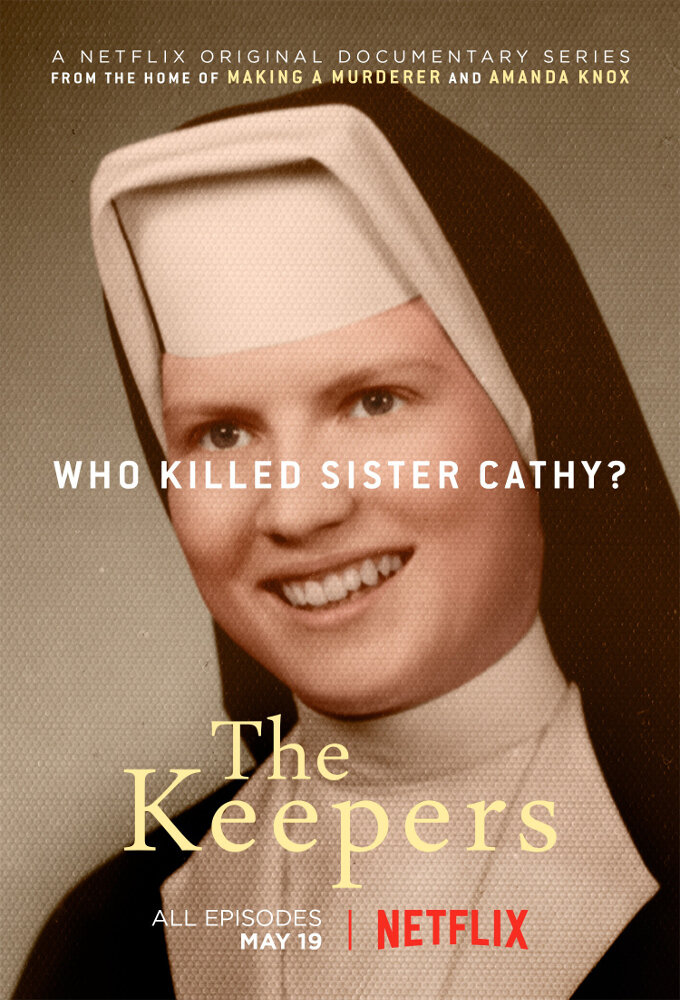
The Keepers2017
A Netflix documentary about a nun murdered in Baltimore in 1969, with survivor testimony that builds to a reckoning with abuse and cover-up. Real voices, real names, real families seeking answers. Methodical and haunting.
But Being documentary rather than drama, it lacks the immediacy of performance and can feel slower in sections.
Spotlight2015
Boston journalists methodically uncover decades of child abuse by Catholic priests and systemic cover-up. Ensemble cast, procedural clarity, moral clarity. A film about institutions harbouring secrets and the work required to expose them.
But The investigative structure is somewhat detached; you're watching journalism unfold rather than experiencing suffering from inside it.

Not sure tonight? Get a pick in a minute, starting from The Magdalene Sisters
The wildcard
Something you would not have found on your own.
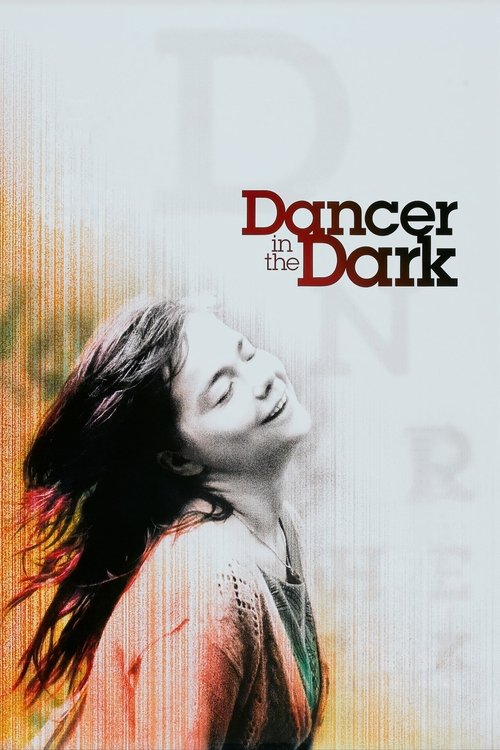
Dancer in the Dark2000
Both films use institutional or social systems to trap women in inescapable circumstances. Both refuse the comfort of false redemption. Both are about dignity under conditions designed to erase it.
Lars von Trier's film follows a factory worker in 1960s America slowly destroyed by poverty and circumstance. Björk is extraordinary. It uses musical theatre as a counterweight to despair—dream sequences of dance against a grinding, punishing reality. A howl.
But It's relentlessly bleak, formally audacious in ways that can feel punishing, and the ending is devastating in a way the film warns you about but doesn't soften.
More like this (8)
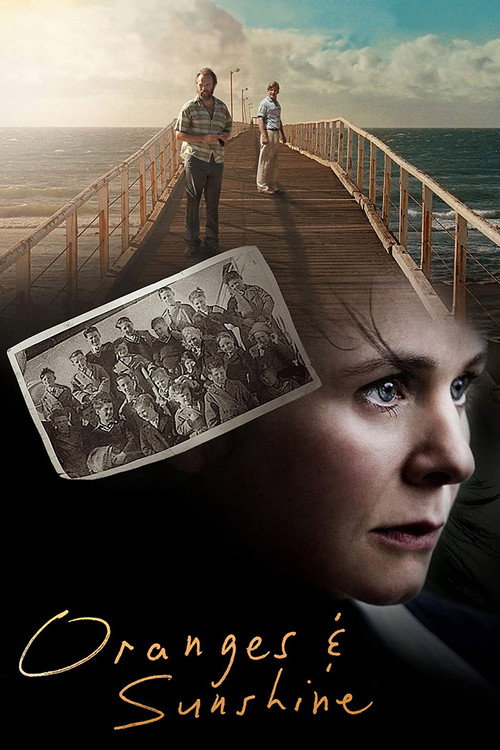
Oranges and Sunshine2010
Margaret Humphreys, a social worker, discovers that thousands of British children were deported to Australian institutions and abused for decades. Redemptive without being false. Emily Watson carries it with quiet, accumulating rage.
But More hopeful in tone—this is a rescue story—so it won't hit you with the same trapped despair as The Magdalene Sisters.
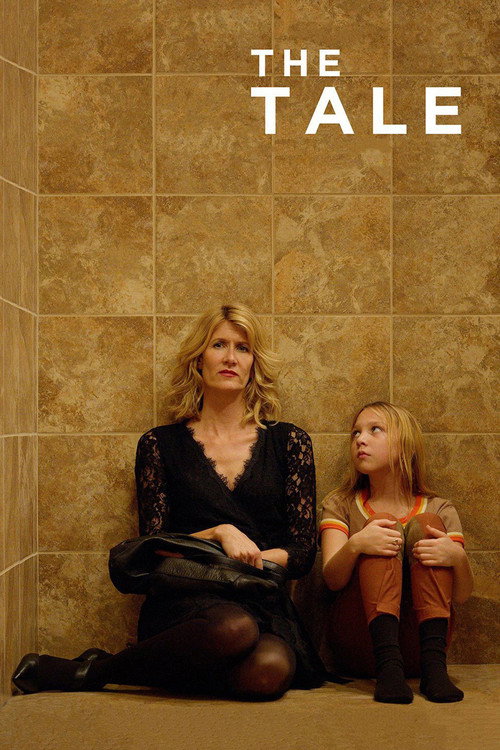
The Tale2018
Jennifer Fox's autobiographical film examines a sexual relationship from her childhood that she'd reframed as consensual. Formal inventiveness (split-screen, timeline juggling) serves a complex psychological inquiry into how we construct memory and self-exoneration.
But The experimental form might feel distancing, and the personal voice is so specific it doesn't generalize the way institutional critique does.
Nine Queens2000
Actually, this is a heist film with no institutional critique at all—it's here as a palate-cleanser. Two con artists in Buenos Aires pull off an intricate grift. Clever, twisty, Argentinian cinema at its best. Pure craft.
But It's a complete tonal break and thematic departure. Sometimes you need to watch something that has nothing to do with institutional trauma.

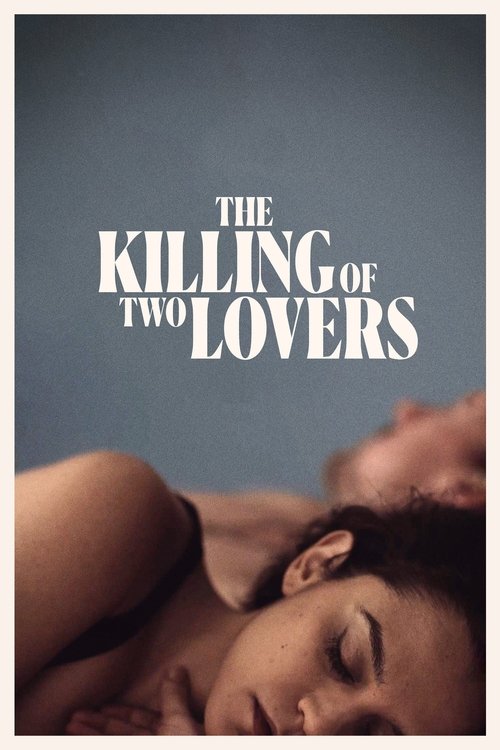
The Killing of Two Lovers2021
Robert Machoian's intimate film about a man in a conservative religious community trying to understand his marriage and desire. Quietly heartbreaking. It captures spiritual and emotional suffocation without screaming about it.
But Slower, more interior. No plot mechanics. Demands patience and sympathy for someone you might initially judge.
Under the Skin2014
Scarlett Johansson in a science fiction film that's less about narrative than texture—loneliness, predation, the city as maze. Its alienation and formal strangeness create an odd, unsettling power. Experimental but hypnotic.
But The plot is intentionally obscure, and long stretches offer no dialogue or explanation. Can feel pretentious if you're expecting conventional storytelling.

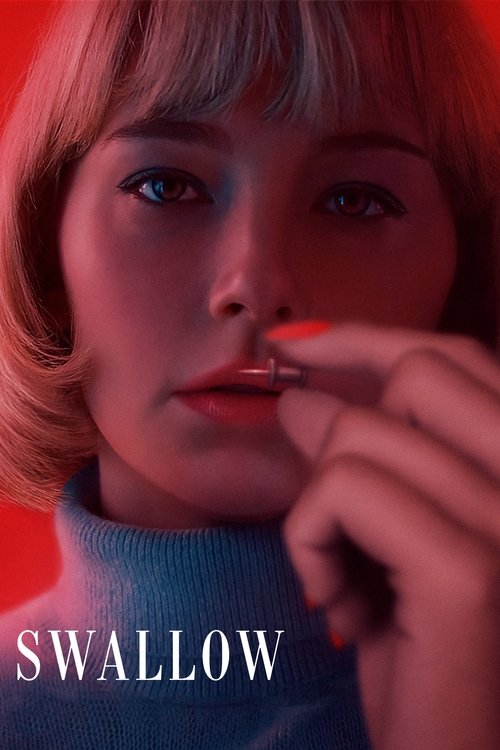
Swallow2020
A pregnant woman develops pica (compulsive eating of non-food objects) as her autonomy erodes in a controlling marriage. Surreal, precise, and absolutely devastating about female bodily autonomy and invisible coercion. Seriously worth your time.
But The central compulsion is graphically depicted and deeply uncomfortable—not for anyone squeamish about bodies or self-harm.
Requiem for a Dream2000
Like The Magdalene Sisters, it watches people systematically broken down by forces (institutional or chemical) beyond their control. Both are portraits of powerlessness rendered with artistic precision rather than melodrama.
Four people's addictions (drug, diet pills, television, heroin) spiral in parallel. Darren Aronofsky's visual obsessiveness—split screens, speed-ramped sequences, the editing itself becomes frantic—creates a nightmarish formal perfection. It's about how systems consume people.
But The stylistic intensity is relentless and exhausting. Some find it overwrought. The depiction of addiction and institutional failure is bleak without any relief.

A Prophet2009
Both explore how closed institutions—prison and religious asylum—dehumanize and reshape their inhabitants. Both refuse easy judgments. Both understand that surviving these places requires transformation, not innocence.
Jacques Audiard's masterpiece: a young man enters prison as a nobody and emerges as a power. It's formally brilliant—long takes, muted colours, faces—and asks how institutions shape identity. A prison film that's also a coming-of-age film. Absolutely gripping.
But It's in French, subtitled, and slow. The protagonist does terrible things; moral clarity isn't the point. Some find Audiard's pacing patience-testing.

People
Cast
 Anne-Marie DuffMargaret
 Nora-Jane NooneBernadette
 Dorothy DuffyRose
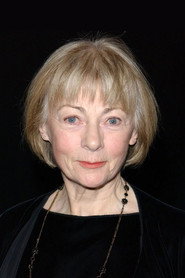 Geraldine McEwanSister Bridget
 Eileen WalshCrispina
 Mary MurrayUna
 Eamonn OwensEamonn
- Britta SmithKaty
 Peter MullanMr O'Connor
- Eithne McGuinnessSister Clementine
- Frances HealySister Jude
 Phyllis MacMahonSister Augusta
Directing
- Peter MullanDirector
Writing
- Peter MullanScreenplay
Production
- Andrew LoweBusiness Affairs Coordinator
- Lenny MullanCasting
- Andrea OcchipintiExecutive Producer
- Ed GuineyExecutive Producer
- Paul TrijbitsExecutive Producer
- Rod StonemanExecutive Producer
- Paddy HigsonLine Producer
- Alan J. WandsProducer
- Frances HigsonProducer
Recommended by
Doubt, Vera Drake, Philomena, The Whistleblower, The Devil's Doorway, The Wind That Shakes the Barley, The Quiet Girl, Oranges and Sunshine, A Question of Silence, Desert Flower, The Chocolate War, The Prosecutor, the Defender, the Father and his Son, Ascendancy, Shadow Dancer, Killing Hope, A Lesson in Love, The Country Girls, The Weak and the Wicked, Scrubbers, The Sword and the Cross, Waterloo Bridge