
Film
A Question of Silence
A Dutch feminist landmark about three unrelated women who collectively kill a man in broad daylight. It's a courtroom mystery that becomes something sharper: an investigation into shared rage, complicity, and what silence means. Provocative, lean, and genuinely unsettling—less about *why* they did it than about why we understand.
Should you watch it?
Watch it if you are drawn to slow, unsettling dramas where the crime is the starting point and the real question is how strangers come to share a single act, told with a cool, observant eye.
Skip it if you want a plot that moves briskly toward answers, since this film stays patient and withholding, and its quiet, deliberate pacing can feel frustrating if you expect a conventional courtroom or detective rhythm.
What it asks of you: Ninety-two minutes of measured, mostly restrained scenes that ask you to sit with silence and discomfort, watching people rather than waiting for a payoff.
Not sure? Find tonight's pick in a minute.
If you liked this
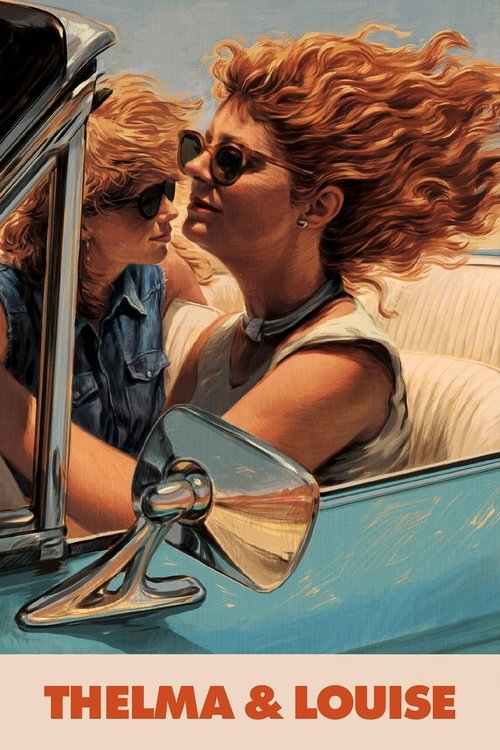
Thelma & Louise1991
Two women refuse to apologize for their lives. It's the American spiritual cousin to this film—operatic where *Silence* is clinical, but asking the same question about justice and solidarity between women.
But The ending is famous and divisive. Some find it cathartic; others find it a cop-out from the real legal and moral complexity.
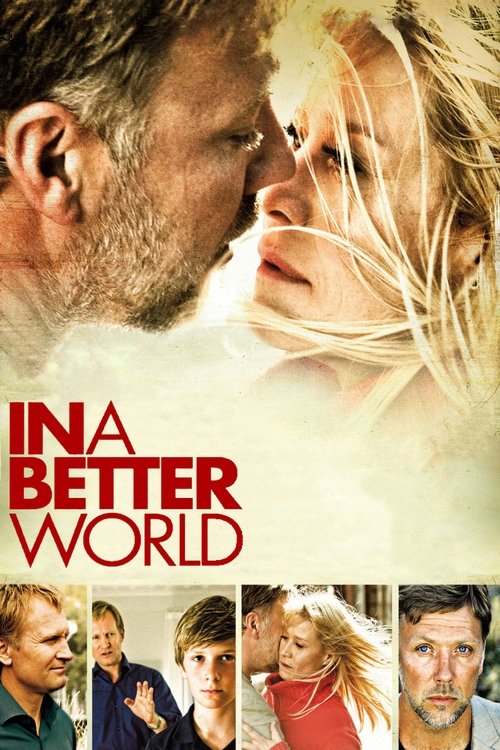
In a Better World2010
A Danish drama about violence, revenge, and the men and women who commit it. Asks whether understanding violence excuses it—the exact moral knot *A Question of Silence* ties in a different key.
But Slower and more diffuse. It's less a locked puzzle and more a meditation, which feels baggy if you're looking for the tight control of the original.
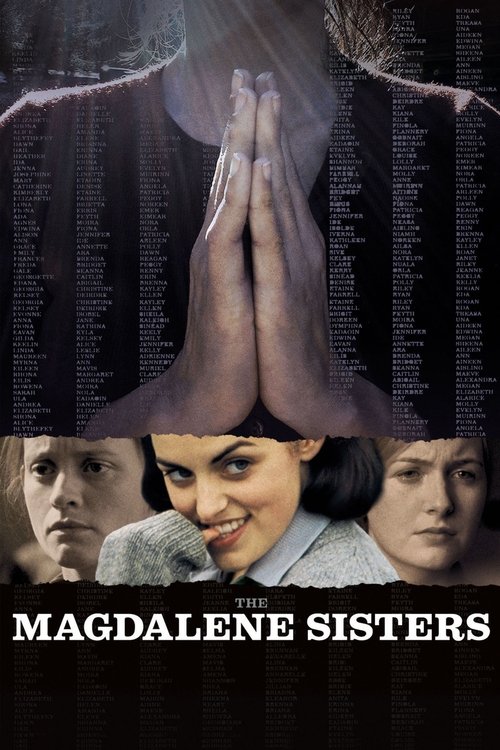
The Magdalene Sisters2002
Three women confined and abused in an Irish laundry find solidarity. It's about institutional cruelty and female rage—the systematic version of what *Silence* explores in one violent act.
But Bleak and very graphic. The abuse is not spared, and the mood never lifts. It can feel like suffering for its own sake.
Not sure tonight? Get a pick in a minute, starting from A Question of Silence
The wildcard
Something you would not have found on your own.
Venom1981
Both are 1980s European films about confinement, collective action, and the thin line between civility and violence. Both have an almost clinical interest in how groups behave under pressure.
A hostage thriller set in a London townhouse during a snake escape. It has nothing to do with feminist rage, but it shares *Silence's* claustrophobia and the peculiar power of ordinary people in a room together suddenly becoming dangerous to each other.
But It's a B-picture thriller, played mostly straight. If you're seeking feminist intent, you'll be disappointed—this is genre entertainment, not manifesto.

More like this (7)
Cléo from 5 to 71962
Agnès Varda follows a woman through two hours of Paris, waiting for test results. Like *Silence*, it's about the texture of female experience—boredom, surveillance, small humiliations—told with real attention.
But Nothing happens in the plot sense. If you want momentum and resolution, this is essentially a wait.

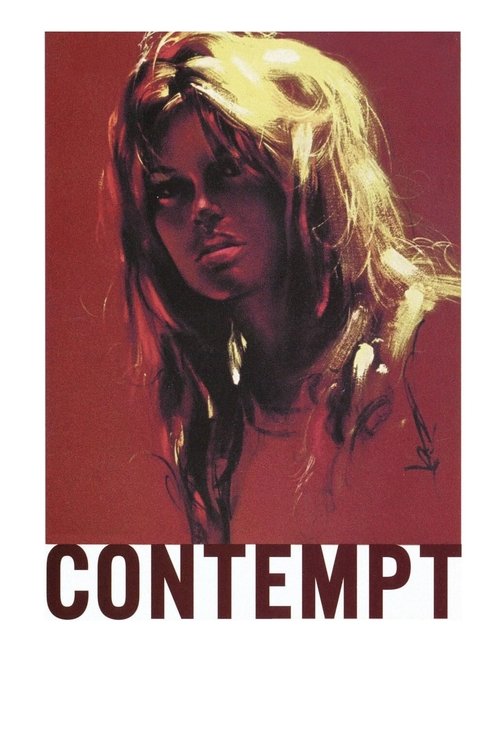
Contempt1963
Godard's marriage in crisis. Like *Silence*, it's about the unspoken violence between people—what accumulates in silence, what erupts. The mood is similar: cold, fractured, furious.
But Extremely slow and fractious. Godard's style is not for everyone, and the film's contempt can feel exhausting rather than illuminating.
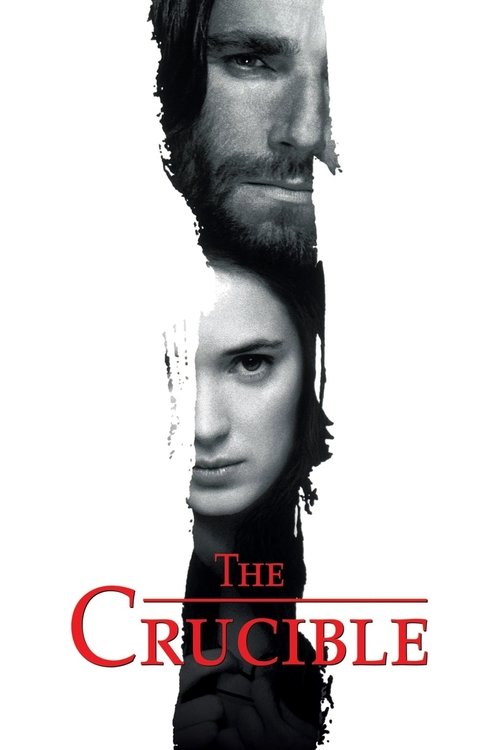
The Crucible1996
Arthur Miller's Salem witch trials adapted by Nicholas Hytner. It's about mass accusation, hysteria, and whether the powerless are guilty or right. Structurally the inverse of *Silence*.
But The witch-trial setup can feel overwrought as a metaphor. Some see it as heavy-handed moral instruction.
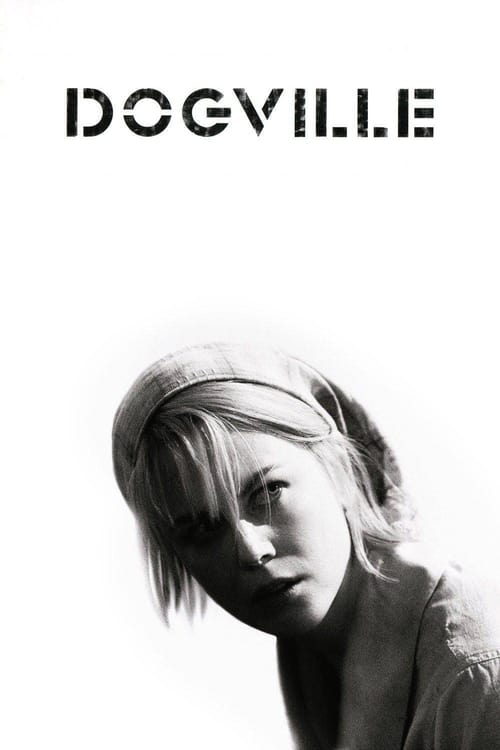
Dogville2003
Lars von Trier's experimental anti-American fable about a fugitive woman in a small town. Like *Silence*, it's about collective male violence against a woman and what happens when she stops apologizing.
But Visually austere (minimalist stage sets), deliberately punishing, and ends with a moral choice that many find repugnant rather than just.
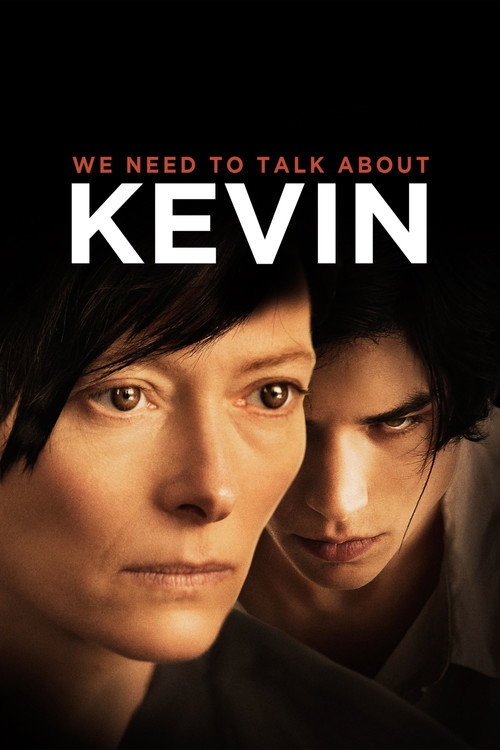
We Need to Talk About Kevin2011
A mother tries to understand her son after he commits violence. It's the psychoanalytic version of *Silence*—less about collective female rage, more about how we rationalize monstrous acts.
But Unrelentingly grim and fragmented. The non-linear structure obscures as much as it clarifies, and there's no catharsis or resolution.
Stalker1979
Both use genre (crime drama, sci-fi) as a container for moral philosophy. Both trust silence and implication over explanation. Both are more interested in what the characters *don't* articulate than what they do.
Tarkovsky's philosophical science-fiction film about a man leading two visitors through a mysterious zone. Completely different in every way, but like *Silence*, it's about the unspoken—what people *don't* say about their desires and fears.
But Nearly three hours of long takes and silences. If you're impatient with meditative cinema, this will feel like a test rather than a film.

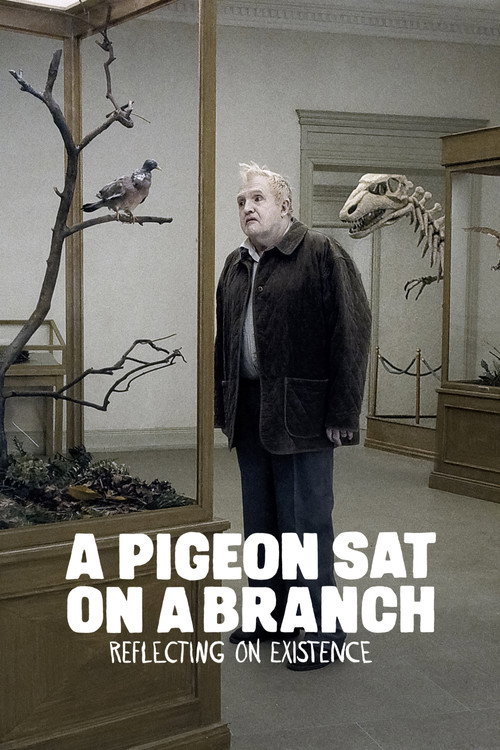
A Pigeon Sat on a Branch Reflecting on Existence2014
Both observe group behavior with clinical attention. Both suggest that violence—or silence about violence—emerges not from aberration but from the ordinary texture of how people treat each other. Both are Nordic, deadpan, and ask you to sit with discomfort rather than resolve it.
Roy Andersson's deadpan Swedish comedy about two men selling novelty items, intercut with scenes of collective human behavior—violence, indifference, small cruelties. Like *Silence*, it's about accumulated damage and what people don't say.
But It's a puzzle box of surrealism and repetition. The humor is austere and glacial. If you don't like patience and ambiguity, you'll find it baffling or pretentious.
People
Cast
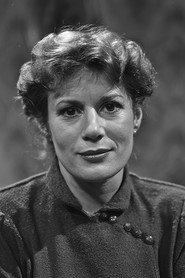 Edda BarendsChristine M.
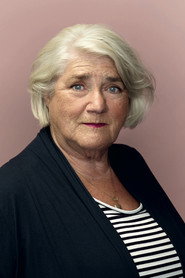 Nelly FrijdaAnnie
 Henriëtte TolAndrea
 Cox HabbemaJanine van den Bos
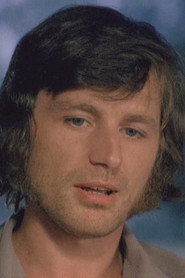 Eddie BrugmanRuud van den Bos (as Eddy Brugman)
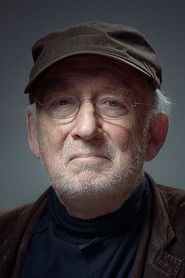 Hans CroisetJudge
- Erik PlooyerProsecutor
- Kees CoolenInspector
Directing
- Conny BrakAssistant Director
- Ben VerbongContinuity
- Frans BrometContinuity
- Marleen GorrisContinuity
- Marleen GorrisDirector
Writing
- Marleen GorrisScreenplay
Production
- Harry SteenAssistant Production Manager
- Rob Van GroningenAssistant Production Manager
- Roel Sixma van YpmaAssistant Production Manager
- Frank KromExtras Casting
- Matthijs van HeijningenProducer
- Kees GroenewegenProduction Manager
- Pauline DurlacherProduction Secretary