
Film
Adoption
- Drama
- Slow-burning
Márta Mészáros's spare, searching portrait of a middle-aged woman whose hunger for motherhood becomes inseparable from her awakening to herself. Kata's affair with a married man and her bond with a troubled teenager form the edges of a film about desire, complicity, and the stories women tell themselves. Quietly devastating.
If you liked this
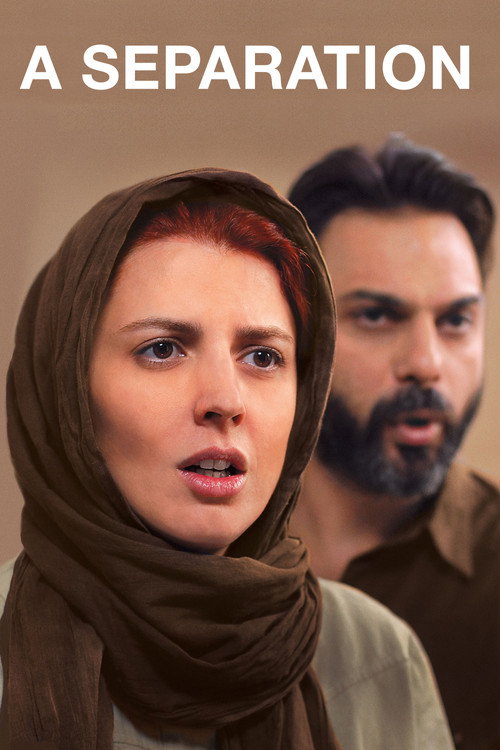
A Separation2011
Like Adoption, this Iranian masterpiece finds profound moral complexity in domestic rupture. It refuses easy sides, layering duty, love, and self-deception until you can't untangle them. Exacting and humane.
But The emotional weight is relentless and the ending offers no comfort. If you need resolution, this will frustrate you.
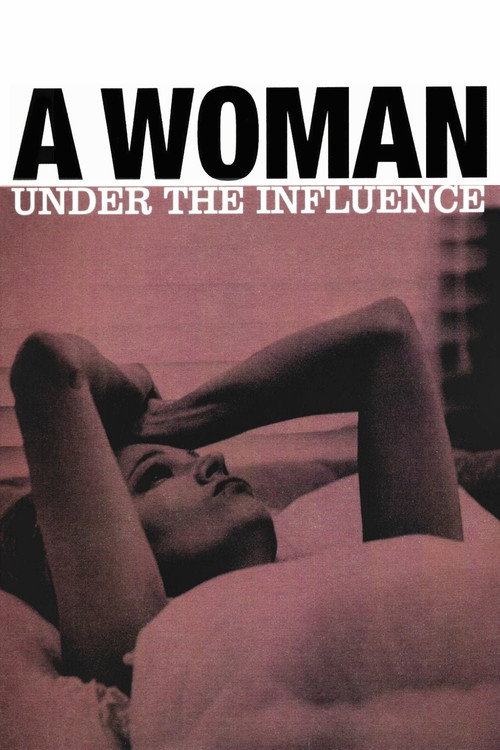
A Woman Under the Influence1974
Cassavetes and Rowlands excavate a marriage from the inside, watching a woman's fragility become indistinguishable from her strength. Raw, intimate, and generous toward its characters' contradictions in the way Adoption is.
But It's nearly two and a half hours of close observation with minimal plot. The intensity can feel claustrophobic if you're not ready for it.
Jeanne Dielman, 23, quai du Commerce, 1080 Bruxelles1976
Chantal Akerman's three-hour meditation on routine, desire, and a woman's interior life shares Adoption's radical attention to what goes unsaid. Both films trust silence and repetition to reveal character.
But It's deliberately slow—almost sculptural. Three hours of a woman doing housework will test your patience if you're seeking conventional narrative momentum.

Not sure tonight? Get a pick in a minute, starting from Adoption
The wildcard
Something you would not have found on your own.
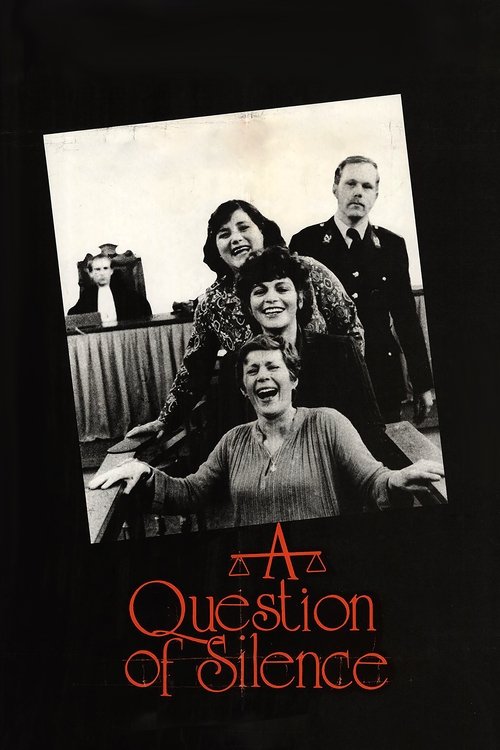
A Question of Silence1982
Both are 1970s/80s films about the violence of women's circumscribed lives, told through the lens of female subjectivity rather than male judgment. Both trust their female protagonists' interiority more than external justification.
Marleen Gorris's Dutch film, about three unrelated women who murder a man and refuse to explain themselves, uses female silence as a weapon and a confession. Like Adoption, it's a film about female consciousness turning in on itself, but where Adoption is intimate, this is savage. It makes visible the rage that Kata's world keeps invisible.
But It's a brutally confrontational political statement disguised as a thriller. If you see it as an endorsement of violence rather than an indictment of invisibility, you'll hate it.
More like this (7)
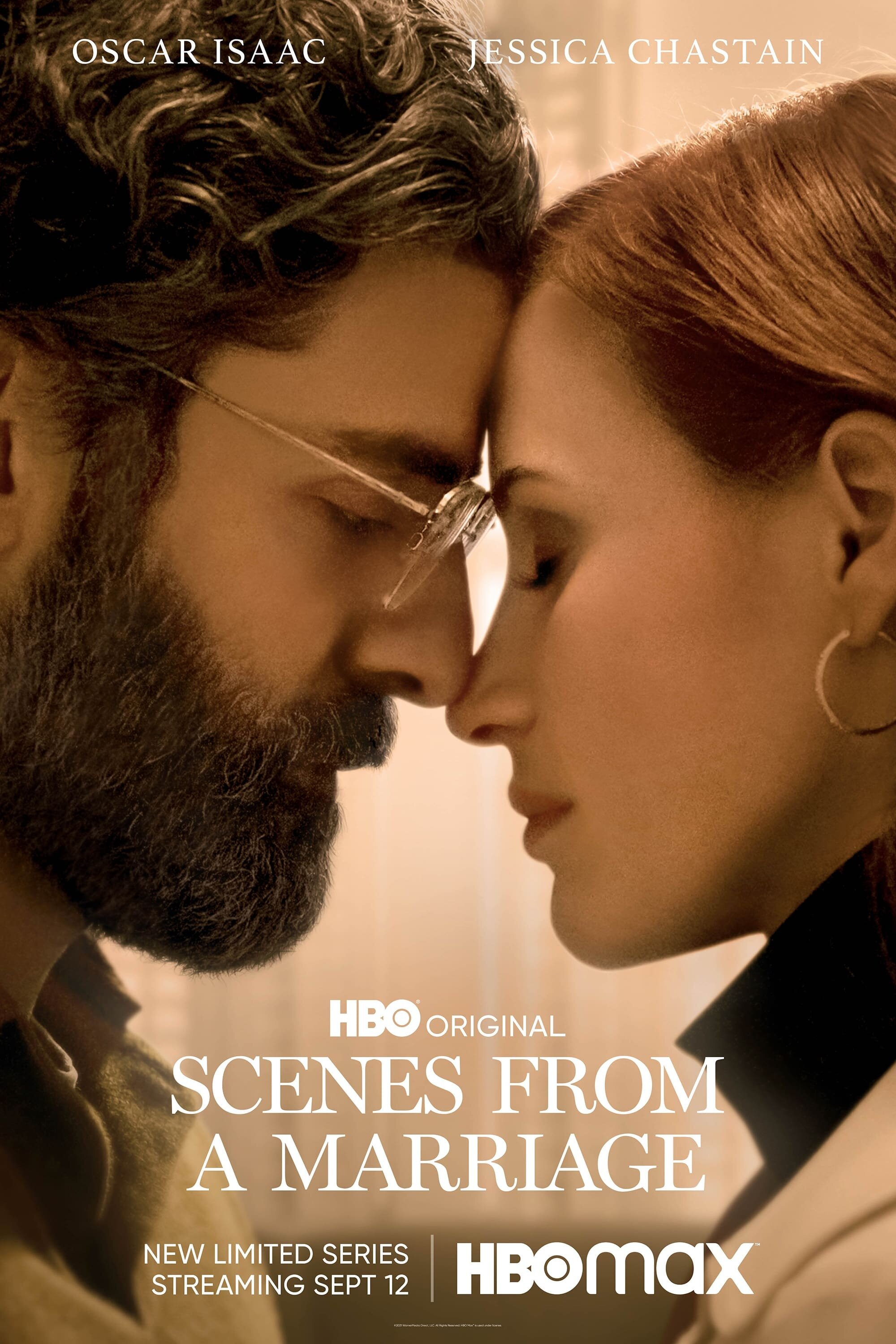
Scenes from a Marriage2021
Bergman's six-episode dissection of intimacy and distance has the same surgical precision as Adoption. Both films understand that the most devastating wounds are inflicted by people we love, quietly.
But It's bleak and glacial. The Swedish cool can feel distant, and watching a relationship fracture across six hours demands emotional stamina.
Stalker1979
Tarkovsky's philosophical patience—the way he lets scenes breathe and characters reveal themselves through inaction—mirrors Adoption's contemplative approach. Both are about interior journeys disguised as external ones.
But It's 163 minutes of metaphysical drift with minimal plot. If you're looking for forward momentum, you'll find only stasis.

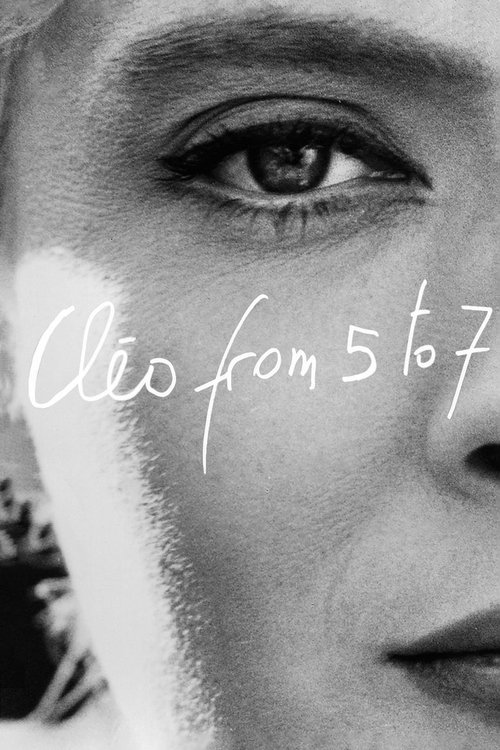
Cléo from 5 to 71962
Agnès Varda follows a woman for ninety minutes as she moves through Paris, her thoughts and anxieties visible in the smallest gestures. Like Adoption, it treats the female interior life as cinema's rightful subject.
But Almost nothing happens. The entire film is a walk and a conversation, which means it hinges entirely on your willingness to inhabit one woman's consciousness.
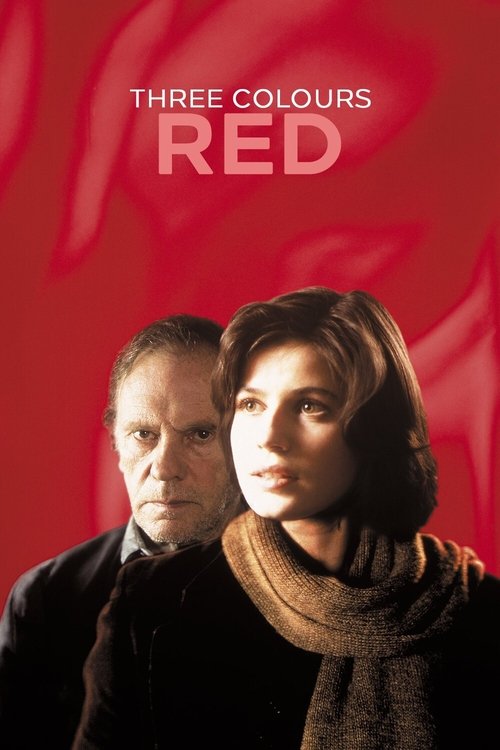
Three Colors: Red1994
Kieślowski's final masterpiece weaves multiple lives into a meditation on fate and connection. It shares Adoption's belief that ordinary people contain oceans, and that proximity to another person changes everything.
But The structure is deliberately fractured, and the metaphysical dimension won't resonate if you're not patient with ambiguity and coincidence.
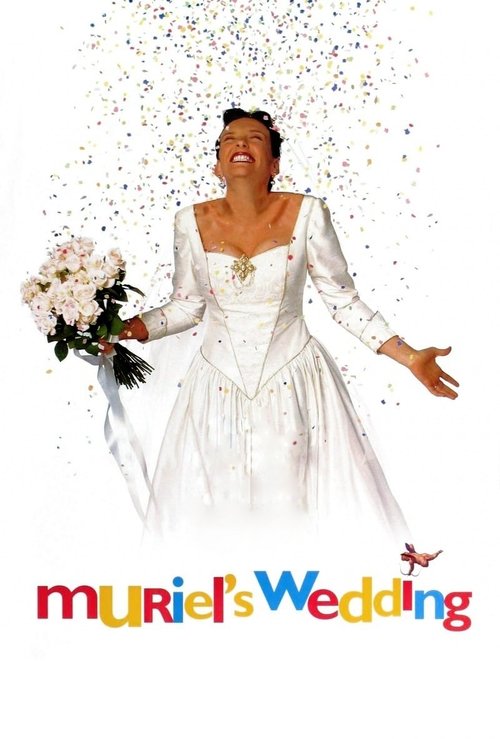
Muriel's Wedding1994
An Australian film about a woman inventing herself through delusion and friendship. Like Adoption, it understands that self-deception and growth are often the same thing, and that female bonds can save and destroy simultaneously.
But The tonal shifts can feel jarring—it moves between comedy and devastation, which some find tonally muddled rather than sophisticated.
Tokyo Story1953
Both films locate tragedy in the quotidian, in the space between what characters say and what they feel. Both understand that some griefs are too ordinary to be spoken aloud.
Ozu's Japanese masterpiece moves at Adoption's tempo, finding depths in the smallest domestic interactions. An elderly couple visits their son's home, and nearly nothing happens—yet the film excavates loneliness, duty, and the gap between what we want and what we're permitted. It's about desire thwarted by circumstance, held in place by grace.
But It's nearly a century old, shot in muted colors, and its pace makes Adoption feel like a thriller. If you need plot, you'll find yourself screaming at the screen.

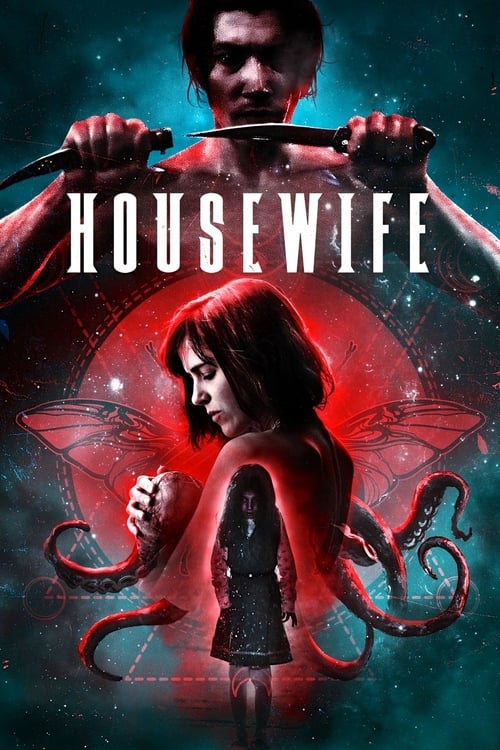
Housewife2017
Both examine the interior lives of women in systems designed to contain them—whether patriarchy or authoritarianism. Both use restraint and silence to convey what cannot be said. Both are, finally, about the self trying to exist in a world that prefers it doesn't.
This North Korean film—smuggled out and distributed by anthropologists—follows a woman in Pyongyang as she navigates domesticity under total surveillance. It's Adoption reimagined as horror: the same questions about female desire and self-erasure, but where Adoption finds melancholy, this finds suffocation. Unsettling and revelatory.
But It's difficult to source, its provenance is complicated, and it depicts a totalitarian regime with such normalcy that some find it more anthropological than emotional.
People
Cast
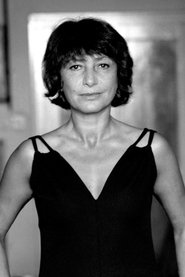 Katalin BerekKata Csentes
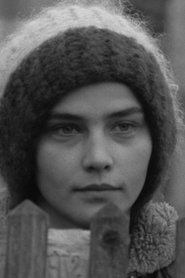 Gyöngyvér VighAnna Bálint
- Péter FriedSanyi
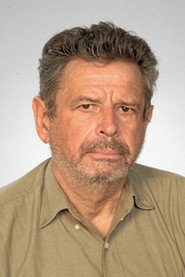 Szabó LászlóJóska
- Flóra KádárErzsi, Jóska's wife
- Janos BorossAnna's father
- Erzsi VargaAnna's mother
- István KaszásHead of the Institute
Directing
- Márta MészárosDirector
Writing
- Ferenc GrunwalskyWriter
- Gyula HernádiWriter
- Márta MészárosWriter
Production
- György RózsásiProduction Manager
- Judith CsernaiUnit Production Manager