
Film
A Woman Under the Influence
Cassavetes' ferocious study of a marriage buckling under mental illness, shot almost entirely in unbroken, handheld close-up. Gena Rowlands gives one of cinema's great performances as Mabel, whose need for love curdles into something nobody around her can name or fix. It's exhausting, tender, and deliberately unresolved — 155 minutes of two people failing each other with real love intact.
If you liked this
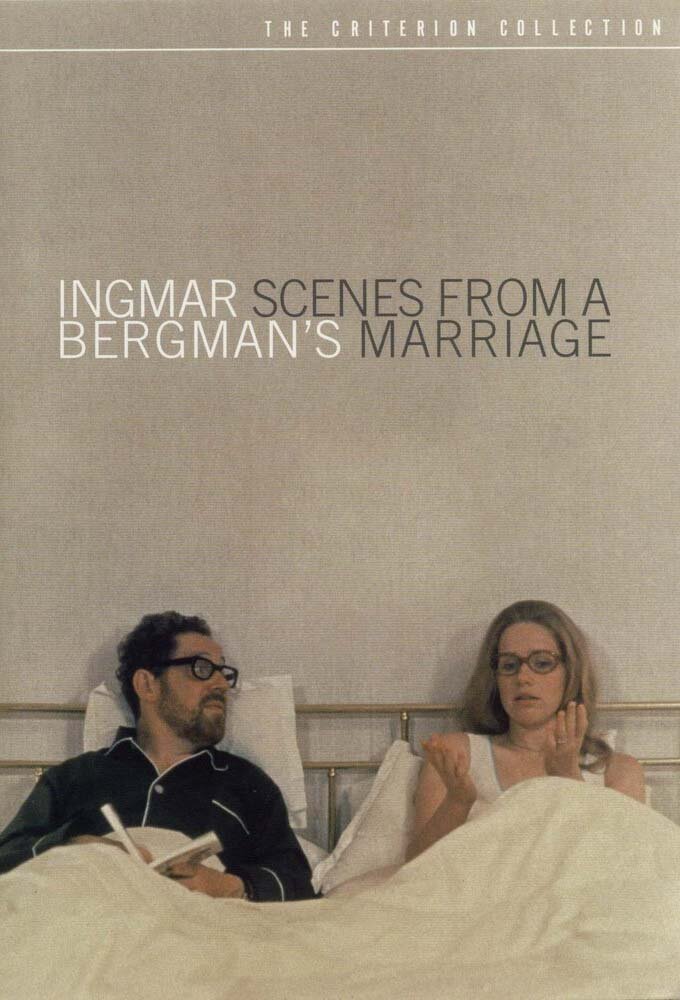
Scener ur ett äktenskap1973
Bergman's six-part dissection of a marriage's slow unraveling matches Cassavetes for unflinching intimacy — close, talky, and merciless about what two people do to each other over years.
But It's stagier and more articulate than Cassavetes' chaos — everyone here talks their feelings out loud, which some find less true to life.
Faces1968no page yet
The film that got Cassavetes noticed — same handheld intimacy, same appetite for uncomfortable laughter inside a marriage falling apart, just rougher and even more improvisatory.
But Grainier, cheaper-looking, and structurally looser — it can feel like watching rehearsal footage rather than a finished film.
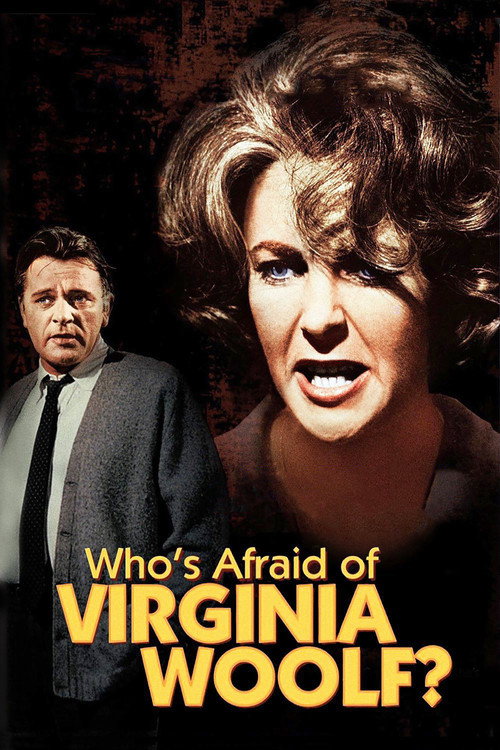
Who's Afraid of Virginia Woolf?1966
Taylor and Burton go nuclear as a couple who've turned cruelty into intimacy — theatrical where Cassavetes is raw, but just as merciless about what love can curdle into.
But It's stagebound and verbally vicious rather than emotionally raw — more knife-fight than breakdown.
The wildcard
Something you would not have found on your own.
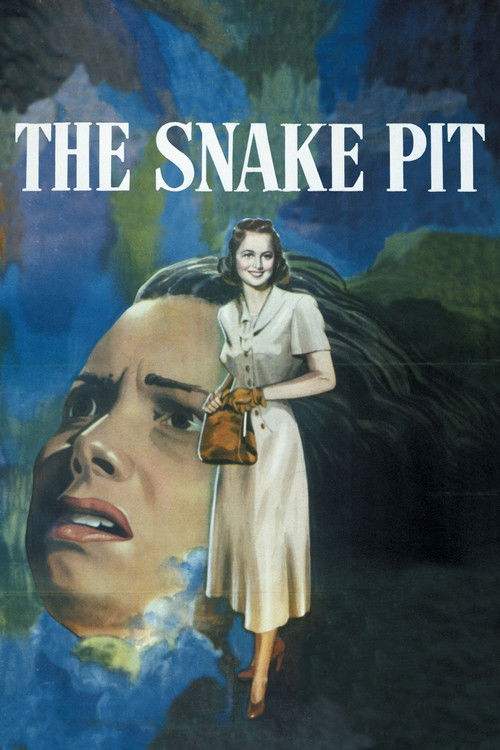
The Snake Pit1948
It's the film that first put a woman's psychiatric institutionalization on screen from inside her own disordered point of view — the direct ancestor of Mabel's six months away.
Olivia de Havilland is riveting as a woman lost inside a state asylum, the camera tilting and warping to mimic her confusion — a studio-era film oddly ahead of its time about how institutions treat unwell women.
But It's a 1948 studio picture with all that implies — tidy structure, a redemptive ending, and none of Cassavetes' mess or ambiguity.
More like this (8)
Opening Night1977no page yet
Rowlands again, this time as an actress unraveling on stage — Cassavetes turns his camera on performance itself, blurring where the breakdown ends and the acting begins.
But More abstract in its subject than Mabel's story — some find it colder and harder to enter despite Rowlands' heat.
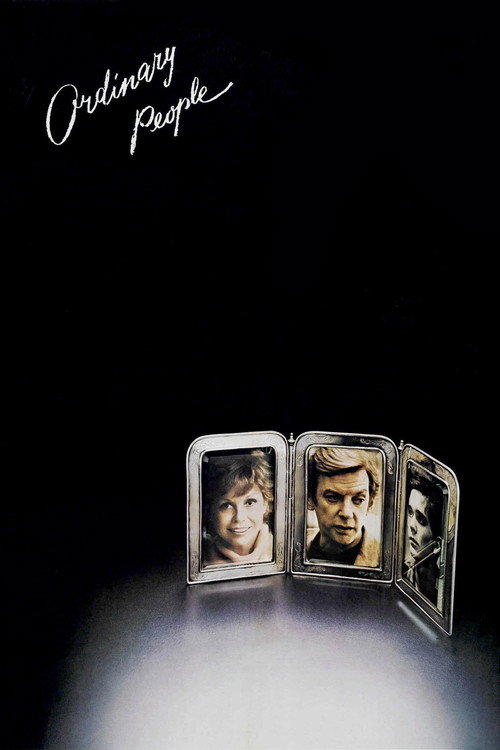
Ordinary People1980
A quieter, more polished American family drama about grief and the impossibility of really seeing each other — the therapy-era answer to Mabel's untreated crisis.
But Much more restrained and conventionally shot — none of Cassavetes' claustrophobic camera or improvisational mess.
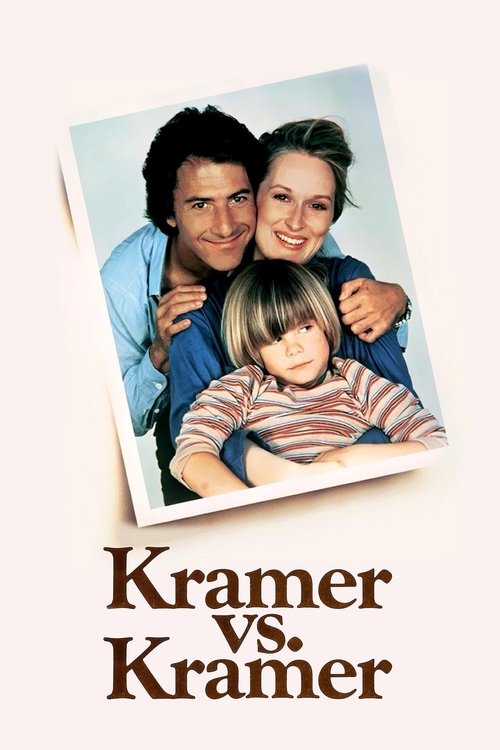
Kramer vs. Kramer1979
A marriage's collapse told from the fallout — custody, guilt, a father learning to parent alone — with the same interest in ordinary people cracking under pressure.
But Slicker and more legally procedural than emotionally raw; it resolves things Cassavetes would leave open.
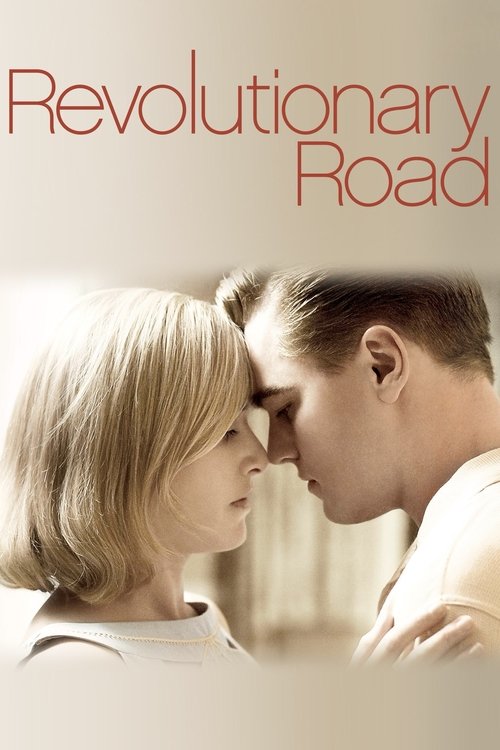
Revolutionary Road2008
DiCaprio and Winslet play a suburban couple suffocating inside a marriage that looks fine from outside — the same dread of a woman not being allowed to be unwell.
But Glossier and more symbolic in its despair — polished production design where Cassavetes gives you sweat and bad lighting.
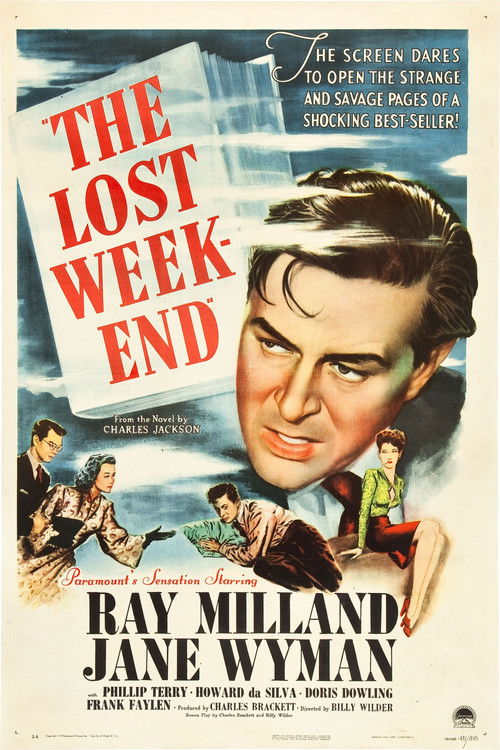
The Lost Weekend1945
An earlier Hollywood attempt at depicting a mind coming apart — alcoholism instead of mental illness, but the same commitment to sitting with someone's collapse without flinching.
But Dated by studio-era conventions and a tidier moral arc than Cassavetes would ever allow.
Frances1982no page yet
A true story of institutionalization and a family deciding a woman is too much to handle — brutal about how 'help' can become punishment.
But Heavier and bleaker with less warmth than Cassavetes allows Mabel and Nick — a tougher, more punishing watch.
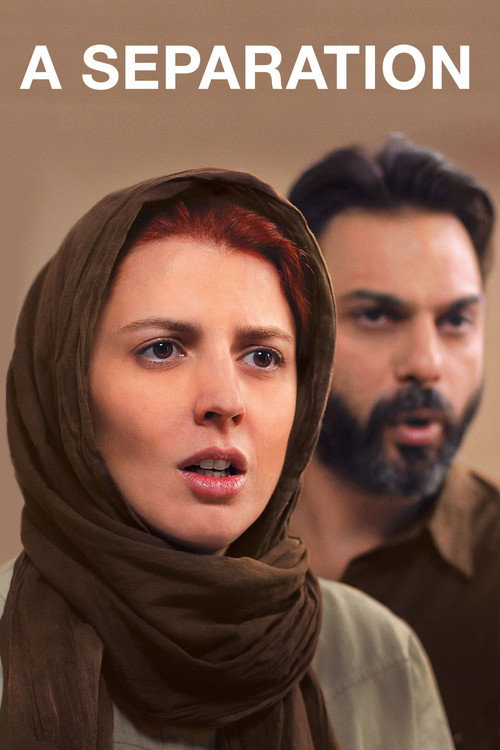
A Separation2011
Same engine — a marriage grinding apart under the impossible weight of caring for someone who can't be cared for — but told through Iranian courtroom procedure instead of American chaos.
Asghar Farhadi's quietly devastating drama watches a marriage fracture under the strain of an aging parent's illness, with the same refusal to hand you a villain or a clean answer.
But It's subtitled, formally controlled, and almost procedural in structure — the opposite of Cassavetes' loose, handheld intimacy.
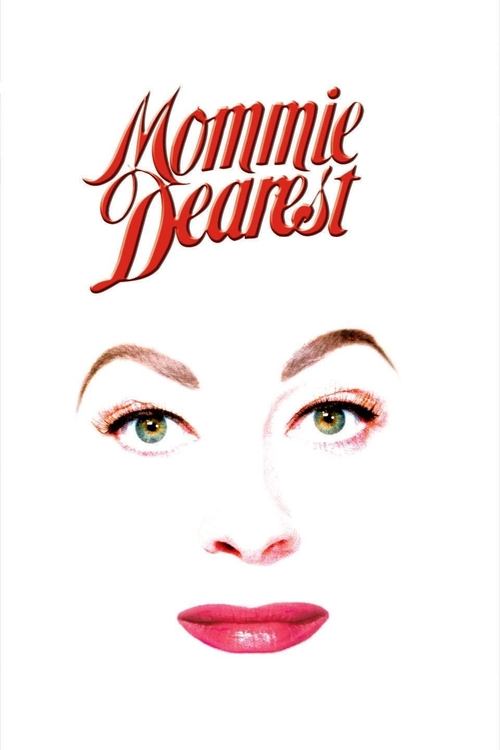
Mommie Dearest1981
Both are about a mother whose love for her children tips into something frightening no one can control — one plays it as tragedy, the other, unintentionally, as high camp.
Faye Dunaway's legendarily unhinged performance as Joan Crawford is so far over the top it's become a camp classic — a trashy, gasp-inducing mirror of the same maternal instability Cassavetes treats with such tenderness.
But It's so campy it plays as comedy now — anyone wanting a serious take on the same subject will find it more punchline than portrait.
People
Cast
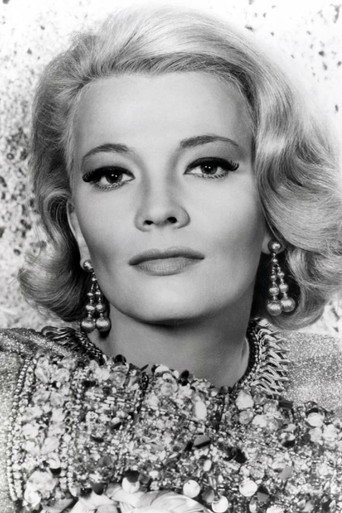 Gena RowlandsMabel Longhetti
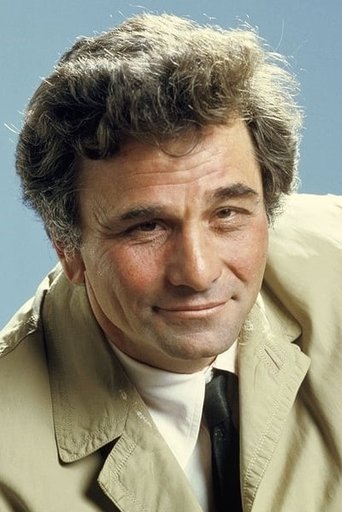 Peter FalkNick Longhetti
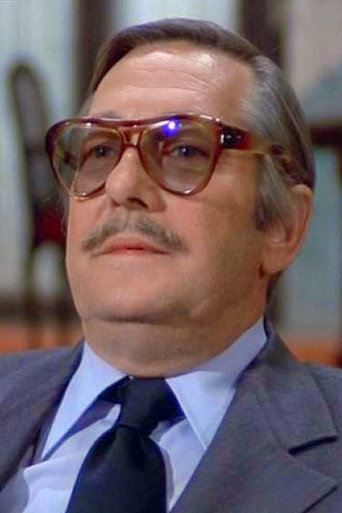 Fred DraperGeorge Mortensen
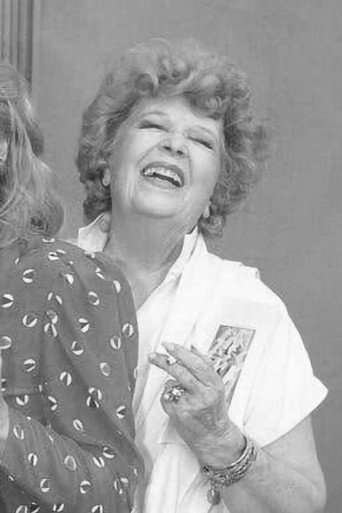 Lady RowlandsMartha Mortensen
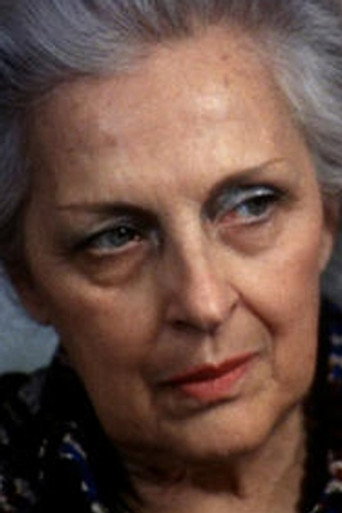 Katherine CassavetesMargaret Longhetti
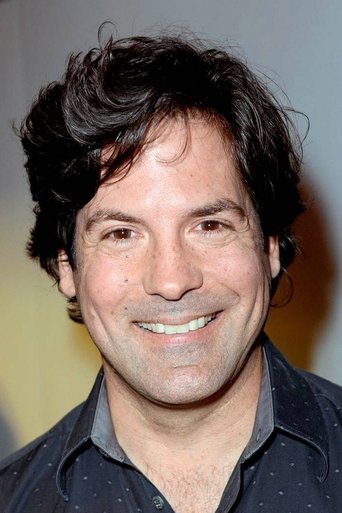 Matthew LabyorteauxAngelo Longhetti
- Matthew CasselTony Longhetti
- Christina GrisantiMaria Longhetti
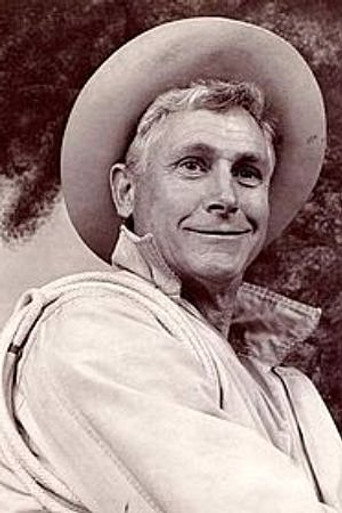 George DunnGarson Cross
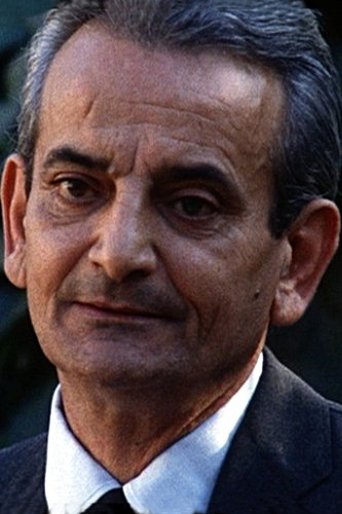 Mario GalloHarold Jensen
- Eddie ShawDr. Zepp
 Angelo GrisantiVito Grimaldi
Directing
- Elaine KaganContinuity
- John CassavetesDirector
- Jack CorrickFirst Assistant Director
- Roger SlagerSecond Assistant Director
- Gary GraverSecond Unit Director
Writing
- John CassavetesWriter
Production
- Robert HeffernanExecutive In Charge Of Post Production
- Sam ShawProducer
- Carole K. SmithProduction Secretary
Recommended by
Still Alice, Cries and Whispers, The Hours, Ordinary People, Rachel Getting Married, Maude, Silver Linings Playbook, Raging Bull, An Unmarried Woman, Nil by Mouth, This Way Up, Long Day's Journey Into Night, Moonstruck, Tully, New York, New York, Naked, The Lost Daughter, Scenes from a Marriage