
Film
Music Box
- Mystery
- Strange
- Slow-burning
Music Box is a taut twenty-five-minute surrealist nightmare about a woman trapped in an interrogation room with a man whose intentions remain fatally unclear. As she searches for answers about why she's there, reality fractures. It's the kind of film that stays with you—brief but suffocating, more interested in dread than explanation.
Should you watch it?
Watch it if you enjoy dreamlike films that leave you in an unsettling room with unanswered questions, where unease builds through small wrong details and you're happy to do the work of piecing it together.
Skip it if you want a story that explains itself, since this one trades plot for mood and offers little to hold onto if its strange logic doesn't grip you early.
What it asks of you: Runs about twenty-five minutes, so the time cost is small; the pace is deliberate and the dread builds slowly and cumulatively rather than in jolts.
Not sure? Find tonight's pick in a minute.
If you liked this
Mulholland Drive2001
Nabokov-level narrative puzzle where reality collapses and reassembles. If you want surrealist cinema that respects your intelligence while unsettling you completely, this is the blueprint.
But At 147 minutes it's a commitment, and the fragmented structure frustrates some viewers looking for conventional narrative closure.

Under the Skin2014
Slow-burn science fiction that trusts silence and ambiguity. Scarlett Johansson in an enigmatic role surrounded by the uncanny. Hypnotic and deeply disturbing.
But Virtually no dialogue or plot explanation. If you need things spelled out, this will feel like punishment rather than cinema.

Synecdoche, New York2008
Reality warps around a director's obsession and grief. Kaufman's masterwork about the impossibility of knowing what's real. Mesmerizing and genuinely unsettling.
But Deliberately confusing and emotionally exhausting. Some find it self-indulgent rather than profound. Nearly two and a half hours of purposeful opacity.

Not sure tonight? Get a pick in a minute, starting from Music Box
The wildcard
Something you would not have found on your own.
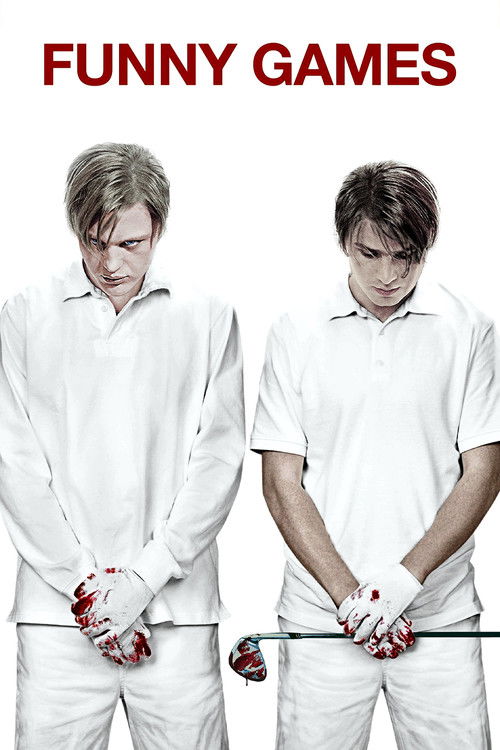
Funny Games2008
Both trap a viewer in a room with uncertainty and control. Both use confined spaces and an antagonist whose intentions remain opaque. Both ask what happens when you can't leave.
Two men torment a family in a house. Haneke's direct confrontation with audience complicity in watching violence. The tension is unbearable because he refuses to let you off the hook.
But Unrelenting psychological cruelty with no mercy for the viewer. The commentary on media consumption can feel hectoring. Some find the formal games more important than the suffering.
More like this (8)
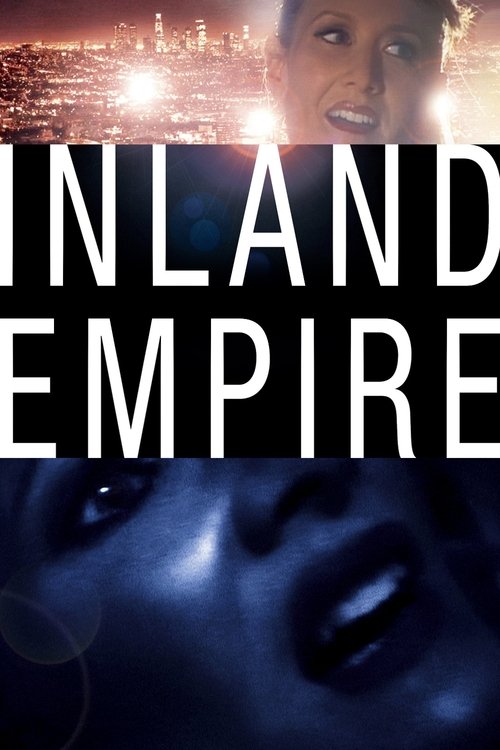
Inland Empire2006
Lynch's three-hour descent into narrative disintegration. A film, a Polish woman's story, or a fever dream—the ambiguity is the point. Hypnotic in its refusal to make sense.
But Digital video, non-linear structure, intentional incoherence. If you want plot or visual polish, this will seem like pretentious punishment.
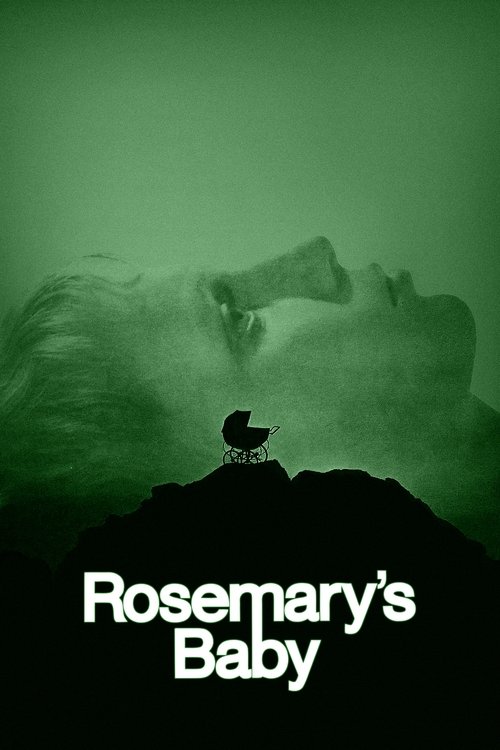
Rosemary's Baby1968
Paranoia built on ambiguity: is the threat real or imagined? Mia Farrow's unravelling performance carries you into genuine dread. Polanski's masterwork of psychological horror.
But Slow by modern standards, and the themes feel dated to some. Also genuinely misogynistic in ways that can distract from the craft.
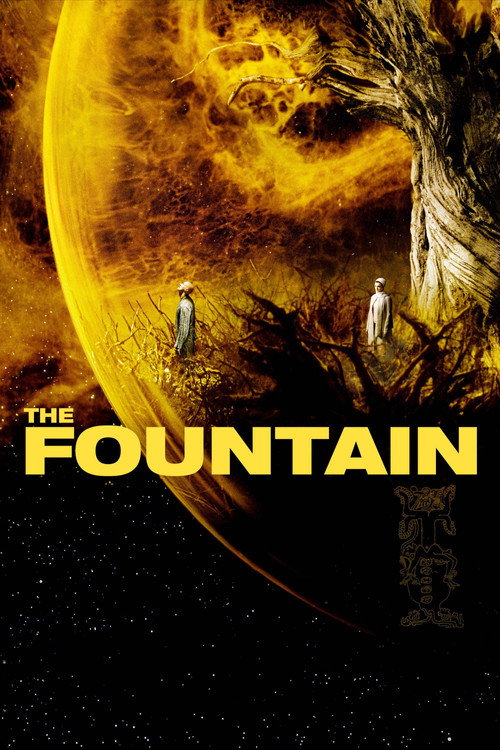
The Fountain2006
Three timelines, one love, and absolute commitment to visual poetry over narrative clarity. Aronofsky at his most ambitious—gorgeous and strange and sincere.
But Narratively opaque and emotionally demanding. Willow trees and philosophy instead of plot. Many viewers find it pretentious or simply maddening.
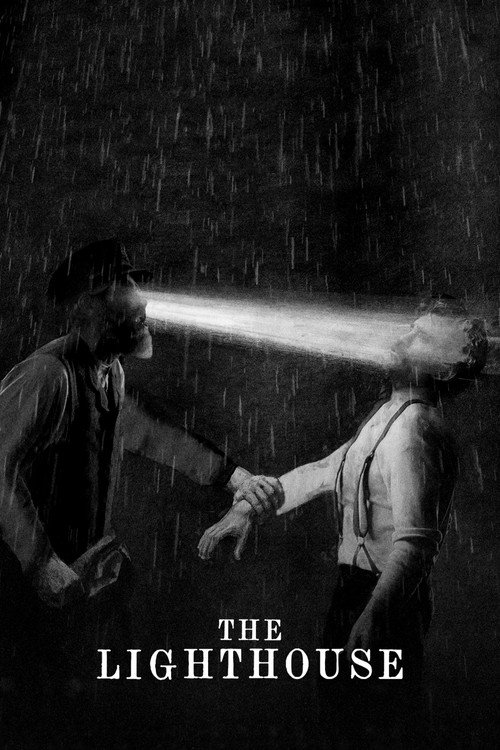
The Lighthouse2019
Two men, one tower, mounting psychological horror. Dafoe and Pattinson locked together as reality corrodes. Visually stunning and genuinely creepy.
But Black and white, 4:3 aspect ratio, dialogue thick with period nautical slang. Deliberately claustrophobic and testing of patience.
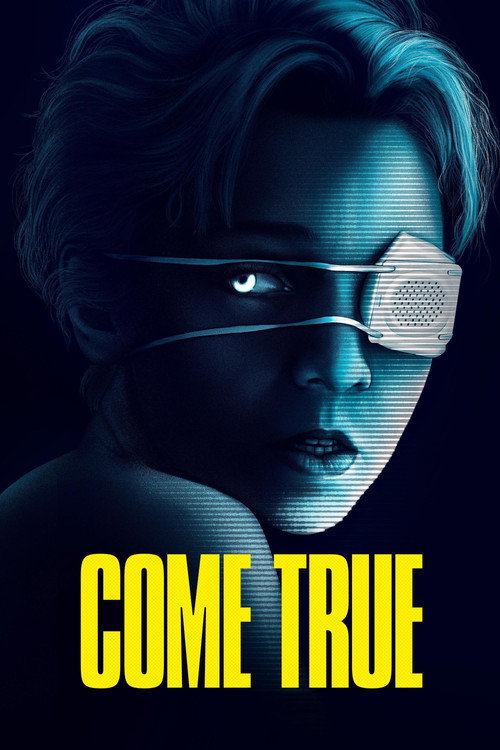
Come True2020
A teenager volunteers for a sleep study and enters something far stranger. Sci-fi horror that prioritizes atmosphere and visual dread. Deeply hypnotic and unsettling.
But Deliberately vague about plot and purpose. Budget constraints show in places. If you want science fiction that explains itself, this won't oblige.
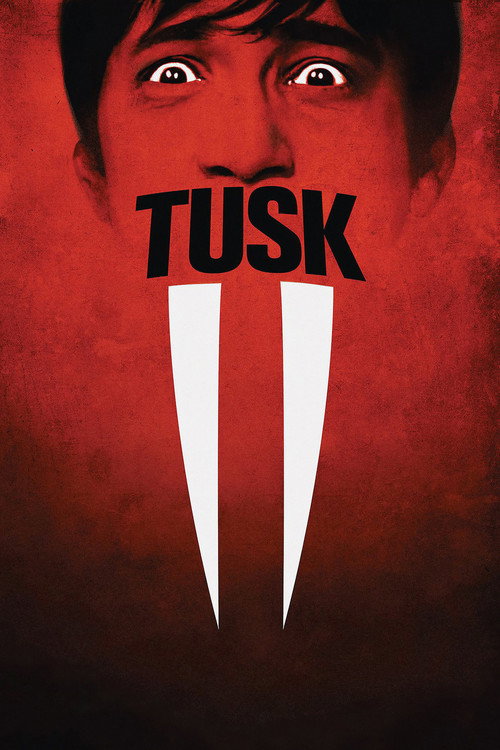
Tusk2014
Body horror premise with psychological underpinnings. Smith's fascination with transformation and captivity, executed with genuine weirdness. Disturbing in ways that linger.
But Deeply grotesque and frequently absurd. Some find it silly rather than scary. Justin Long's performance gets a lot of skepticism from audiences.
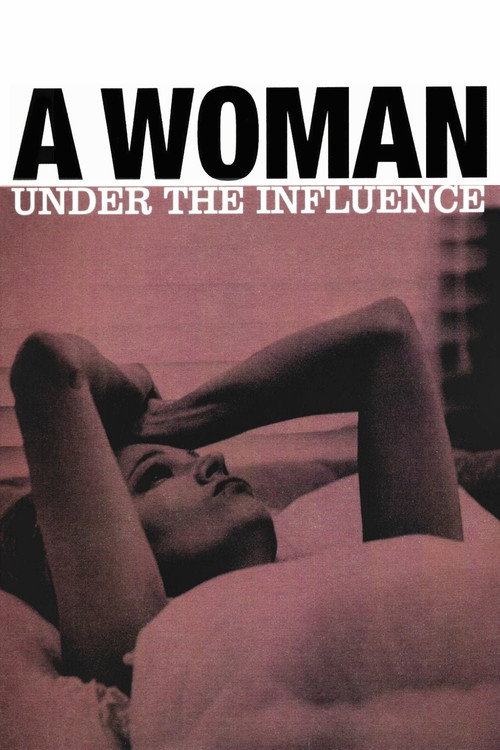
A Woman Under the Influence1974
Both center on a woman in an impossible situation with a man she cannot read. Both use confined spaces—room or household—as pressure cookers. Both let ambiguity about mental state drive the dread.
Cassavetes' three-hour excavation of a woman's psychological unraveling. Gena Rowlands in a performance of raw vulnerability. Cinema as intimate horror.
But Extremely long, improvised, structurally messy. Rowlands' character is difficult and often abusive. Shot on a minuscule budget in grainy 16mm. Feels more like documentary suffering than film.
Possession1981
Both are short, intense encounters in confined spaces where psychological reality fractures. Both feature a man and woman in a power dynamic that's never fully clear. Both use surrealism to externalize internal states.
A marriage dissolves into nightmare in divided Berlin. Body horror, surrealism, and emotional devastation collide. Zulawski's singular vision—genuinely alien and unforgettable.
But Graphic sexual violence and body mutation. Incomprehensibly plotted. Shot on video at times. The allegory about Cold War division can obscure rather than clarify. Exhausting to watch.

People
Cast
 Rachel AugustMolly
- Samuel BossmanThe Man / Stewart?
- Neville CannMr. Nudz
Directing
- Simon RichardsDirector
Production
- Antonio AzzurroProducer