
Film
Possession
Żuławski's berserk 1981 divorce drama detonates the genre from the inside: Isabelle Adjani unravels in a performance so violent it needed a doppelganger and real vomiting, while Sam Neill spirals into obsessive rage. Set against divided Cold War Berlin, it fuses body horror with marital collapse until metaphor and monster become indistinguishable. Not scary so much as overwhelming — for anyone who wants cinema pushed past the edge of sense.
If you liked this
The Brood1979
Cronenberg turned his own divorce into a literal monster movie — rage given a body, children given claws. It's the clearest bloodline to Possession's idea that separation can birth something monstrous.
But Colder and slower than Possession's fever pitch; the horror here is clinical rather than operatic, which some find inert.
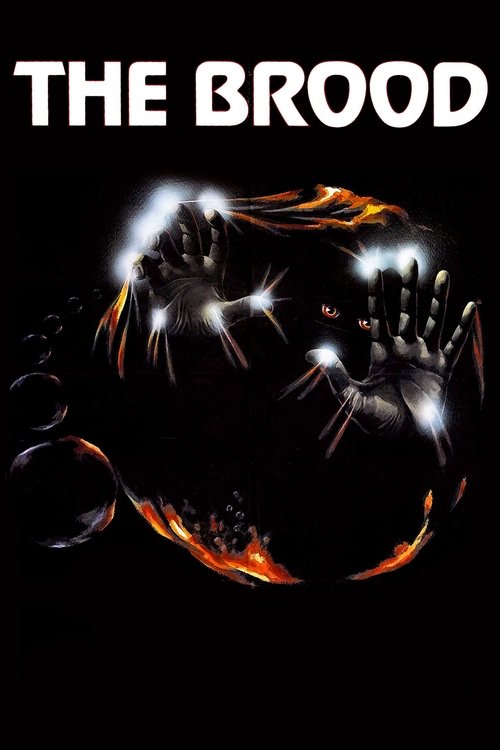
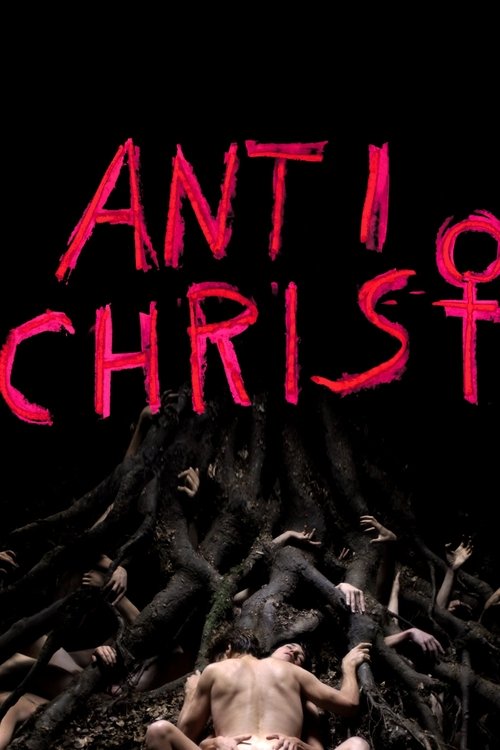
Antichrist2009
Von Trier's grief-horror drags a collapsing marriage into the woods and lets nature turn hostile. Same escalating dread, same sense that psychological pain has become physically dangerous, with visuals just as extreme.
But Explicit and punishing in ways that go further than Possession does; several scenes are genuinely hard to sit through.
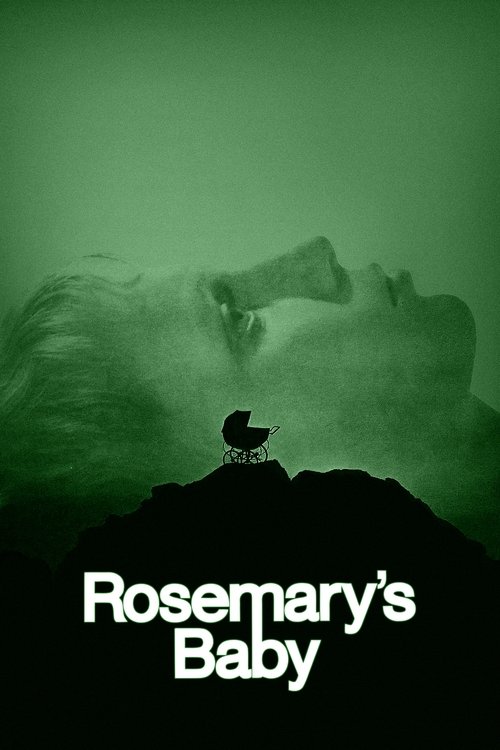
Rosemary's Baby1968
The original marriage-as-conspiracy horror — a wife isolated, gaslit, and slowly convinced her own body and home have turned against her. Possession's paranoia has deep roots here.
But Much quieter and more restrained; if you're after Adjani-level hysteria, this will feel almost polite by comparison.
The wildcard
Something you would not have found on your own.
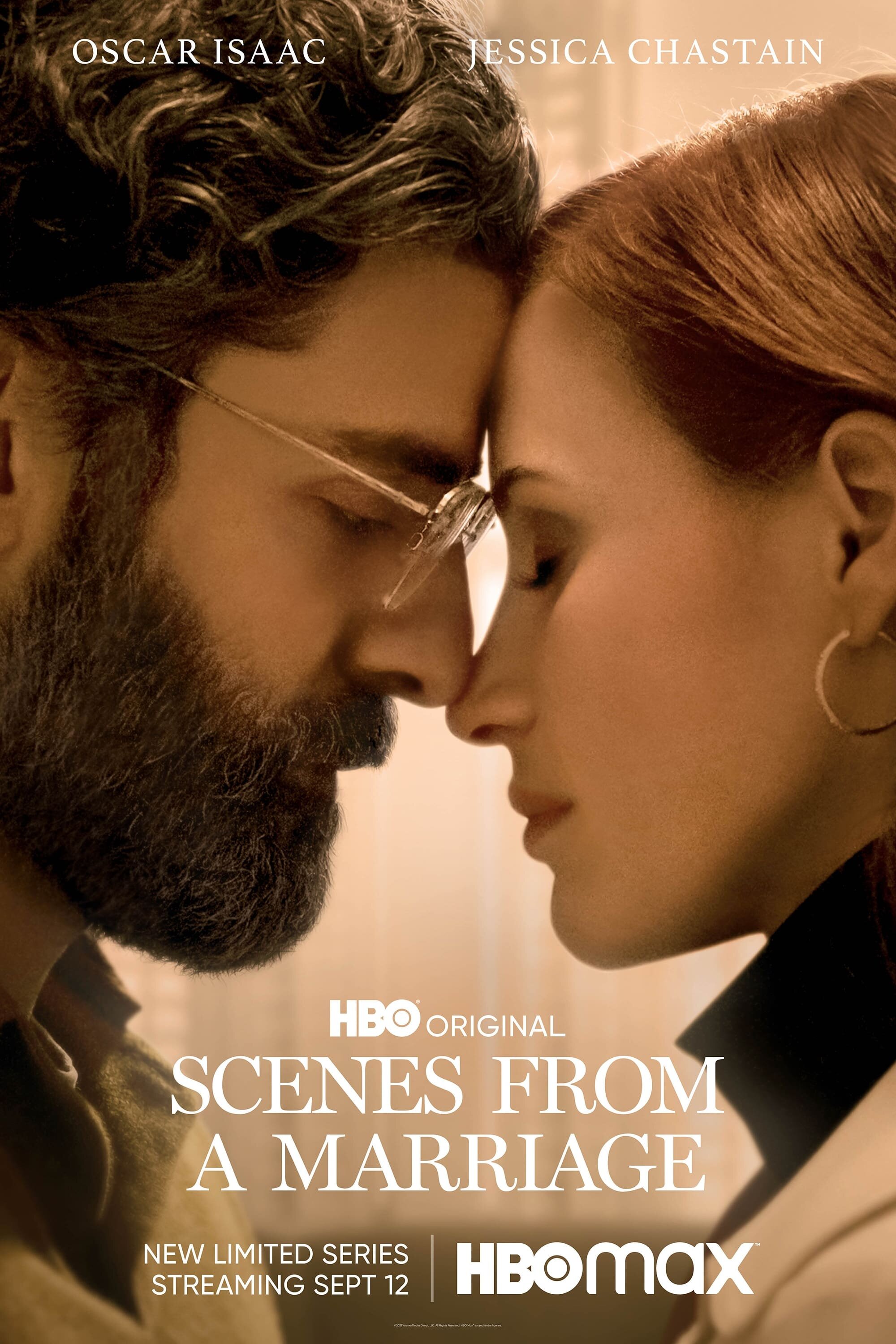
Scenes from a Marriage2021
Possession is what divorce looks like if you let the metaphor become a literal monster; Bergman's miniseries is what it looks like if you strip every metaphor away and just watch two people talk. Same wound, opposite register.
Six unbearably intimate episodes of a marriage ending in conversation, not carnage — the rawest, most devastating portrait of separation ever filmed, without a single drop of blood.
But No horror, no spectacle — just two people talking for hours. If you came for the monsters, this will feel like an entirely different genre.
More like this (8)
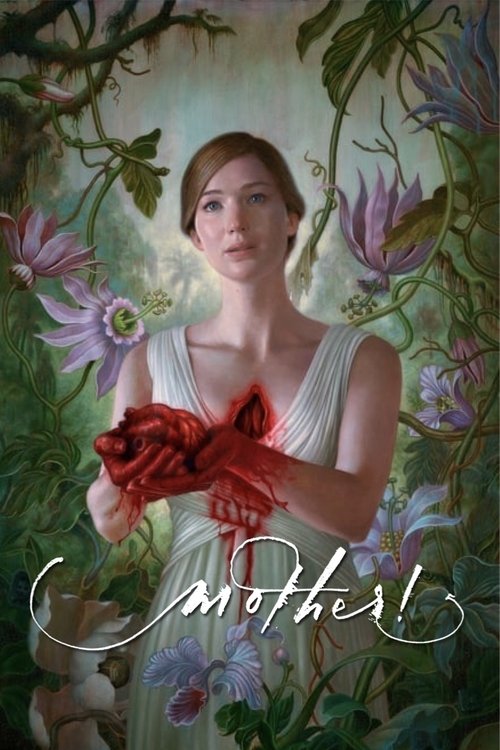
mother!2017
Aronofsky's biblical fever dream turns a crumbling home into a pressure cooker of dread and bodily horror, building to a finale as unhinged as anything Żuławski ever shot.
But Heavy-handed symbolism divides people hard; some find it profound, others find it exhausting and self-important.
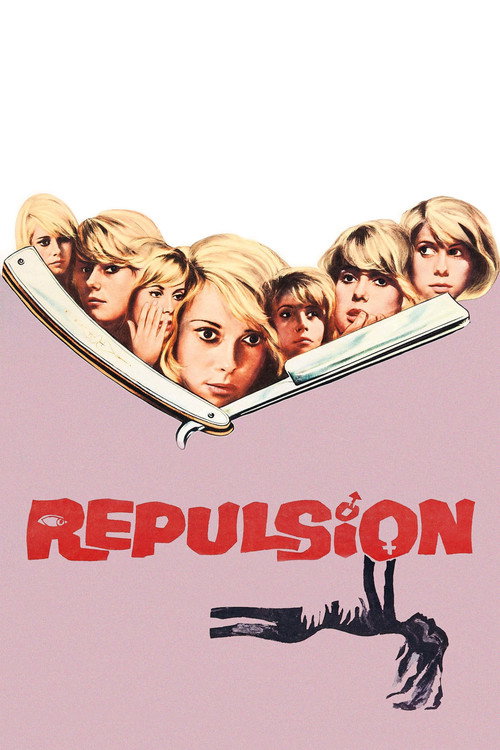
Repulsion1965
Polanski's claustrophobic study of a woman disintegrating alone in her flat is Adjani's meltdown a decade early — the same commitment to psychological collapse as pure spectacle.
But Black-and-white and slow-burn; the horror is interior and quiet, a world away from Possession's screaming set pieces.
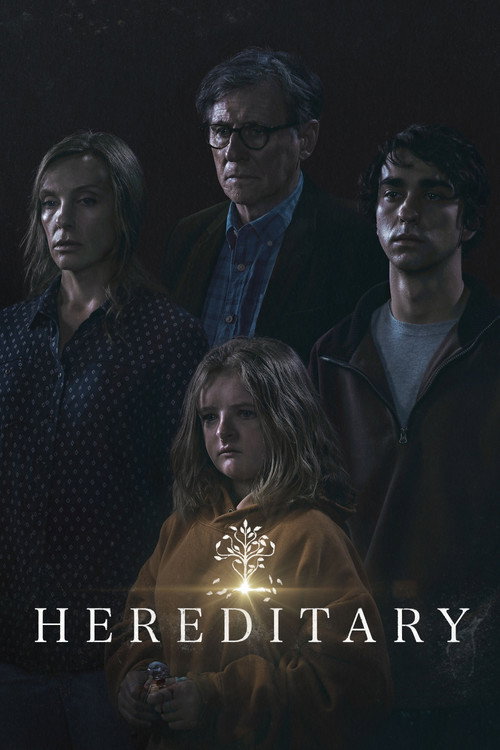
Hereditary2018
Grief curdles into something ancient and awful in a family already fracturing. Toni Collette's performance has the same fearless, operatic quality as Adjani's — horror as full-body breakdown.
But More patient pacing until the last act; the slow build Possession never bothers with may test you.
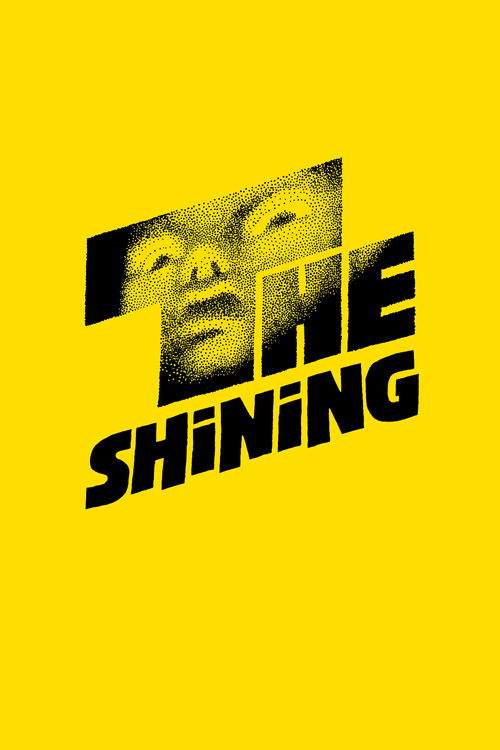
The Shining1980
Isolation, marital breakdown, and a mind fracturing in real time — Kubrick's control is the opposite of Żuławski's chaos, but the dread of a family destroying itself is identical.
But Cold and meticulous where Possession is feverish; if you want raw emotional excess, this will feel too composed.
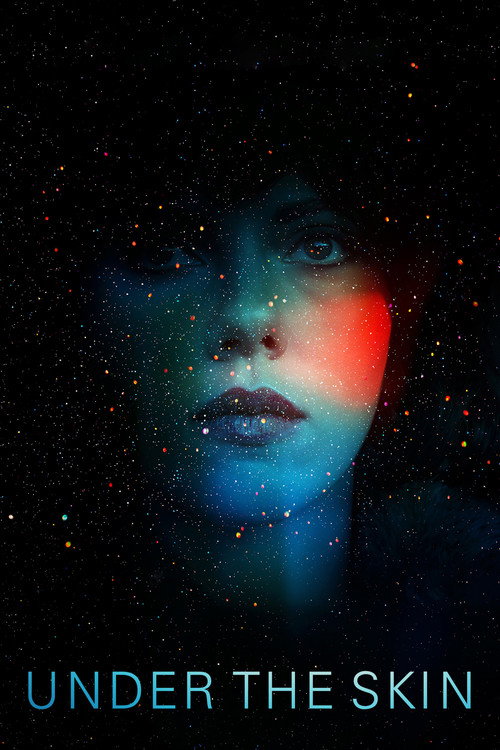
Under the Skin2014
An alien wears a human body and slowly loses the plot of what a body is for — the uncanny dislocation echoes Possession's doppelganger horror and bodily confusion.
But Glacially paced and largely wordless; it demands a patience Possession never asks for.
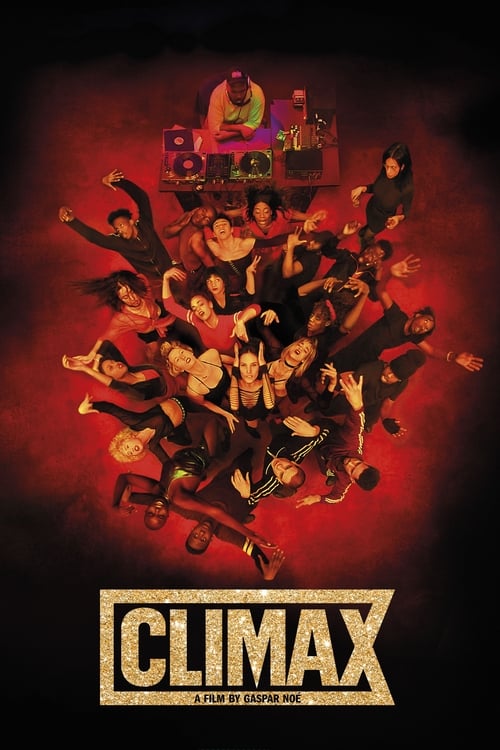
Climax2018
Gaspar Noé's dance party turned nightmare has the same total commitment to chaos and bodies breaking down — starts controlled, ends screaming, much like Possession itself.
But Strobe-lit and punishing, with little narrative scaffolding; it's more sensory assault than story.
Perfect Blue1998
Both films split their heroine into two selves and dare you to say which one is real; Possession does it with body horror, Perfect Blue does it with animation and stolen identity.
A pop idol's sense of self dissolves into paranoia and violence in this landmark psychological anime — doppelgangers, mirrors, and a creeping sense that reality itself is lying to you.
But Animation might feel like an odd fit for this kind of horror if you've only seen anime used for action or comedy.

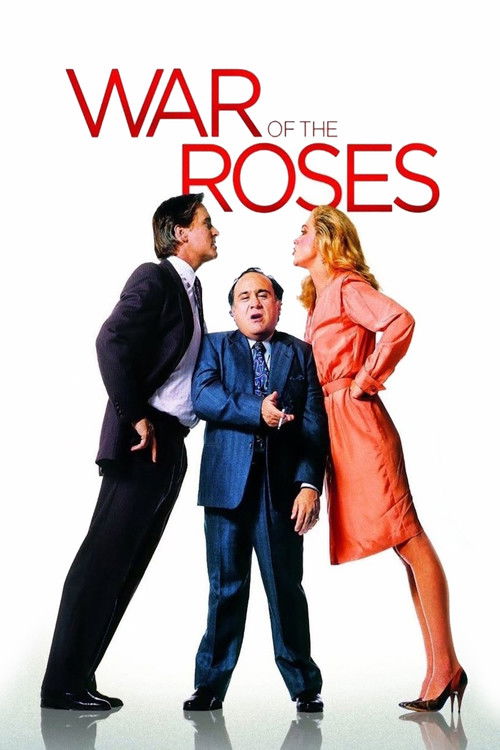
The War of the Roses1989
Same engine — a marriage curdling into total, escalating war — run through pitch-black comedy instead of horror. It's the same scream, just laughing this time.
Danny DeVito directs Michael Douglas and Kathleen Turner destroying their marriage and each other with slapstick savagery — divorce as blood sport, played for huge, uncomfortable laughs.
But Broad studio-comedy tone is a hard swing from Possession's dead seriousness; some will feel the laughs undercut the darkness.
People
Cast
 Isabelle AdjaniAnna / Helen
 Sam NeillMark
 Margit CarstensenMargit Gluckmeister
 Heinz BennentHeinrich
 Johanna HoferHeinrich's Mother
 Carl DueringPrivate Detective
 Shaun LawtonZimmermann
- Maximilian RüthleinMan with Pink Socks
- Thomas FreyPink Sock's Acolyte
 Leslie MaltonSara
- Gerd NeubertSubway Drunk
Directing
- Eva-Maria SchöneckerAssistant Director
- Christiane HelleContinuity
- Andrzej ŻuławskiDirector
Writing
- Andrzej ŻuławskiAdaptation
- Frederic TutenAdaptation
- Frederic TutenDialogue
- Andrzej ŻuławskiScreenplay
Production
- Henry DutrannoyAccountant
- Jürgen HolzheiderAccountant
- Marie-Laure ReyreProducer
- Jean-José RicherProduction Manager
- Klaus-Michael KuehnProduction Manager
- Axel BehrUnit Manager
- Harald MuchametowUnit Manager
- Heinz-Jürgen SchmidtUnit Manager
- Knut WinklerUnit Manager
Recommended by
Suspiria, Cold War, Persona, Doctor Strange in the Multiverse of Madness, Tetsuo: The Iron Man, Antichrist, The Brood