
Film
The Ninth Configuration
William Peter Blatty's sole directorial effort is a wildly tonal collision—exorcism-adjacent body horror colliding with barracks comedy, wrapped in a psychiatric mystery about faith and madness. It's a film that refuses to stay in one genre or mood, jarring and somehow transfixing. For viewers who want something that feels alive with possibility and risk.
Should you watch it?
Watch it if you enjoy talky, slightly unhinged stories about faith and sanity, where the best scenes are two men arguing over who is actually broken.
Skip it if you want a tidy plot or a steady build; this lingers in long monologues and loose set-pieces, and its tonal swings can feel deliberate rather than satisfying.
What it asks of you: Nearly two hours of mostly static rooms, an unhurried pace, and humour that arrives sideways, so patience counts for more than plot tracking.
Not sure? Find tonight's pick in a minute.
If you liked this
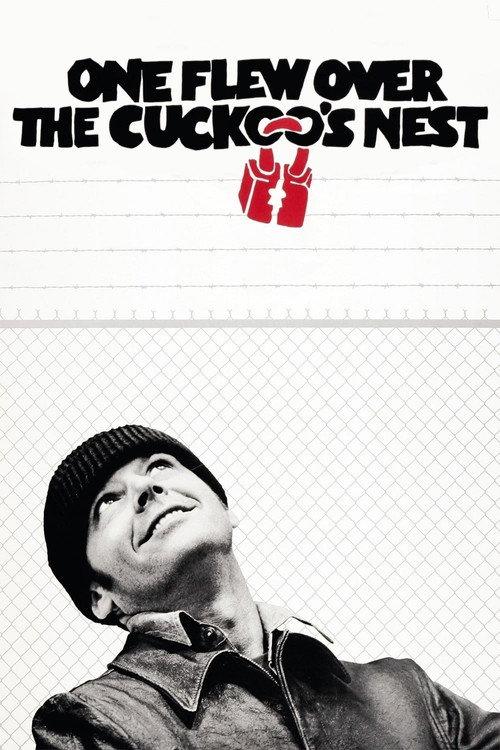
One Flew Over the Cuckoo's Nest1975
Both use psychiatric institutions as pressure cookers where authority, sanity and rebellion collide. Milos Forman finds humanity in chaos; Blatty mines chaos for metaphysics. Essential foundation for understanding asylum narratives.
But It's a canonical classic that everyone knows. If you're looking for something fresh, this is comfortingly familiar territory.
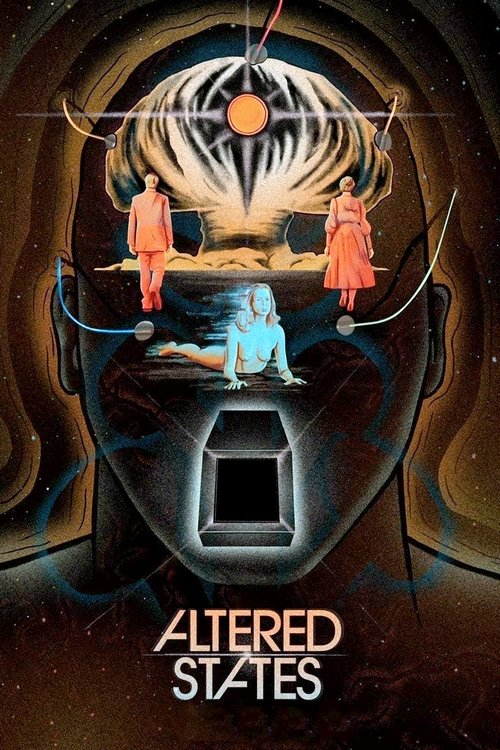
Altered States1980
Ken Russell's baroque sensory onslaught about consciousness, faith and the body feels like a spiritual sibling—both films believe reality itself is malleable and unstable. Same year, same fever-dream intensity, wildly ambitious.
But It's deliberately hallucinatory and abstract. Long stretches ask you to sit with discomfort rather than explaining what's happening.
Synecdoche, New York2008
Charlie Kaufman's labyrinth about a man's fractured mind creating art that swallows reality whole. Like Blatty's film, it trusts you to piece together what's literal and what's psychological, and both collapse the boundary between them.
But It's densely layered and requires active mental work. Some viewers find it exhausting rather than rewarding.

Not sure tonight? Get a pick in a minute, starting from The Ninth Configuration
The wildcard
Something you would not have found on your own.
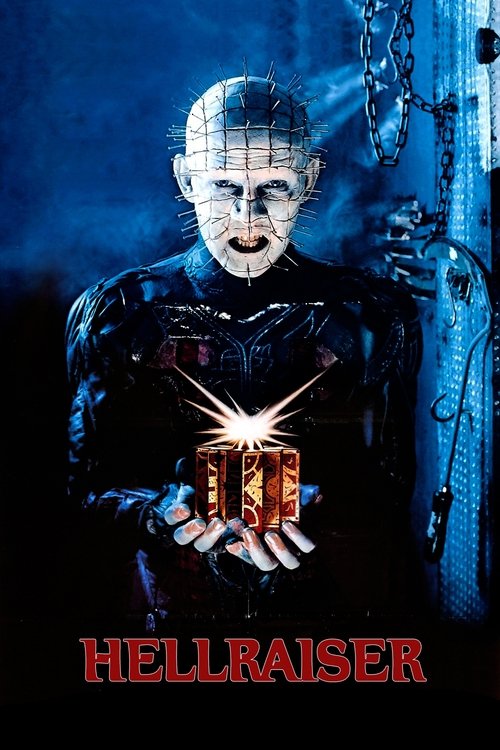
Hellraiser1987
Both filmmakers believe that the supernatural isn't a special effect but a language for talking about desire, faith, and the body's betrayal of the self. Both films trust that metaphor can be more honest than realism.
Clive Barker's directorial debut is equally committed to the idea that pleasure and pain, the sacred and the obscene, are not opposites but adjacent rooms. Both directors believe that transgression might be spiritually honest. A film that, like Blatty's, makes you feel unsettled in ways you can't quite defend.
But It's graphically sexual and violent in ways The Ninth Configuration only implies. If you found Blatty's bodily horror troubling, Barker turns it into geometry.
More like this (7)
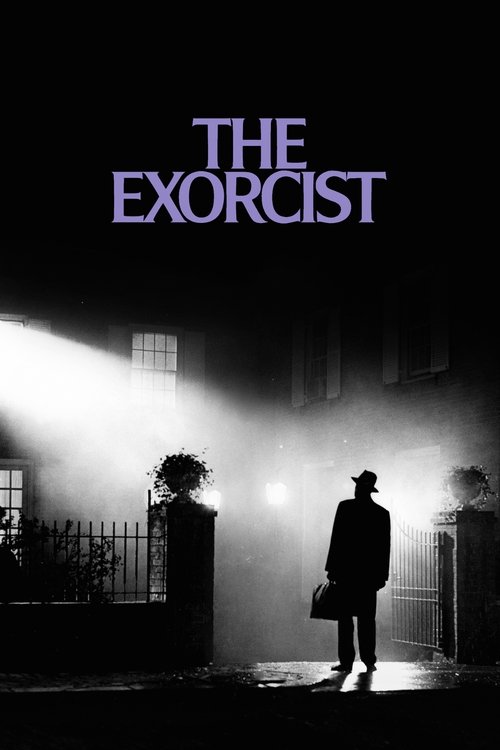
The Exorcist1973
Blatty wrote it; this film is his answer to it. Where Friedkin's film asks if faith can save you, The Ninth Configuration asks if faith might already be broken. Essential context for understanding what Blatty was really exploring.
But If you've seen it a hundred times, watching the author's own thematic response might feel like he's explaining his homework.
M*A*S*H1970
Altman's gallows-humor masterpiece finds absurdist comedy in institutional life and trauma. Both films believe that laughter and horror aren't opposites—they're survival mechanisms pressed together until they feel the same.
But The tonal shifts can feel jarring. Not every viewer embraces comedy that sits this close to genuine darkness.

Come and See1985
Elem Klimov's devastating anti-war film lives in similar territory: psychological disintegration, the obscenity of authority, and the soul's fragmentation through force. Both films treat trauma as metaphysical as well as physical.
But It's one of the most harrowing films ever made. Blatty's film is playful by comparison, but this shares its refusal to make suffering pretty or comprehensible.

Possession1981
Andrzej Żuławski's baroque marital nightmare uses supernatural imagery to explore psychological collapse. Both films embrace baroque excess and nonsensical logic because the mind doesn't work in straight lines—especially when breaking.
But It's genuinely difficult to follow. The incoherence is intentional, but that doesn't make it easy to sit through.

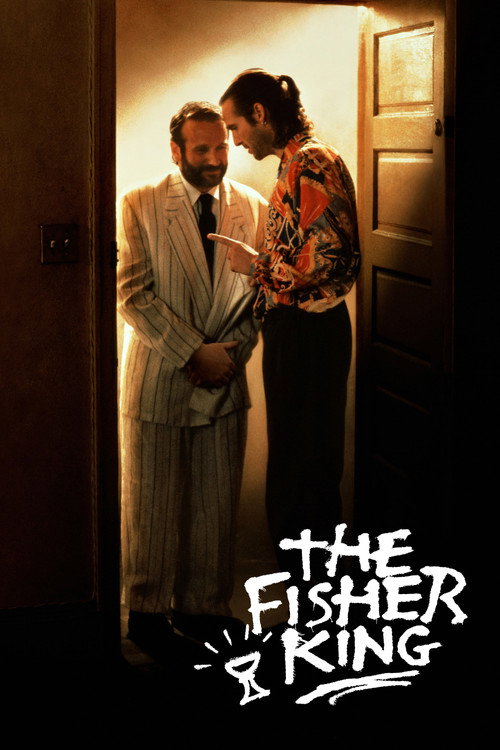
The Fisher King1991
Terry Gilliam's collision of New York grit, Arthurian myth and homeless mysticism. Both films believe mental illness might contain truth rather than just lies, and both refuse to mock the mad or the eccentric.
But It's sentimental in ways The Ninth Configuration isn't. If you want genuine uncertainty about whether anyone is well, this offers more comfort than Blatty does.
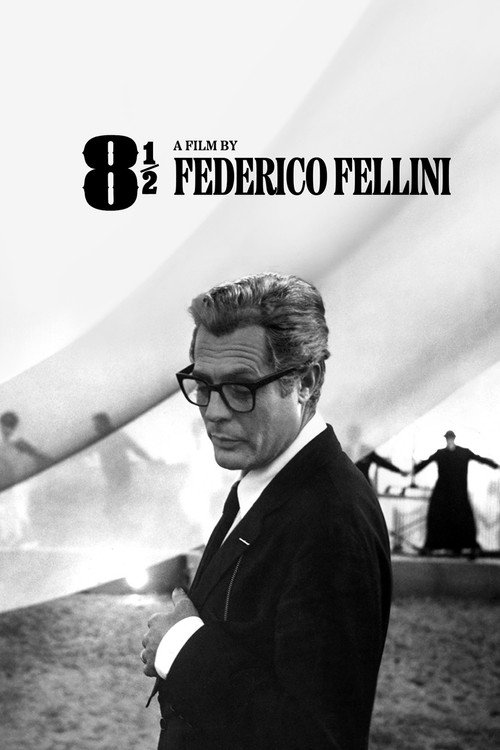
8½1963
Both films trust the audience to navigate incoherence without explanation. Both suggest that the mind's illogic might be its most truthful state. Both collapse the boundary between the director's vision and the character's fractured reality.
Fellini's masterpiece about a film director losing his grip on coherence as art and life collapse together. Like Blatty, Fellini treats mental fragmentation not as pathology but as heightened perception—madness as artistry. Shot in black and white, it feels like a dream you're remembering wrong.
But It's deliberate, slow, and abstract. There's no plot to hold onto, only images and feelings. If you need narrative momentum, this will feel like sitting in someone else's therapy session.
Come True2020
Both films use the institutional and clinical as a facade for exploring something metaphysical and broken at the center of human consciousness. Both trust that the scariest thing isn't jump scares but the slow recognition that something's wrong with how the world is ordered.
A fever-dream about sleep studies and consciousness that starts as near-realism and gradually becomes something haunted and metaphysical. Like The Ninth Configuration, it's uncertain about the line between psychology and the supernatural, and it keeps that ambiguity alive. Gorgeous, unsettling, understated where Blatty is baroque.
But It builds slowly and offers no climactic payoff. If you want resolution, it won't satisfy you. The scariness is cumulative and subtle rather than explicit.

People
Cast
 Stacy KeachCol. Hudson Kane
 Scott WilsonCapt. Billy Cutshaw
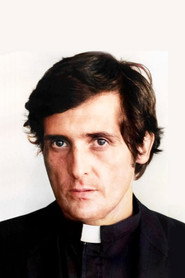 Jason MillerLt. Frankie Reno
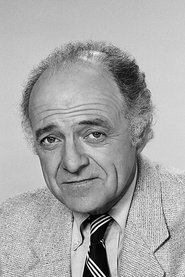 Ed FlandersCol. Richard Fell
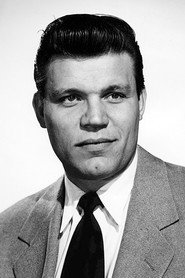 Neville BrandMaj. Marvin Groper
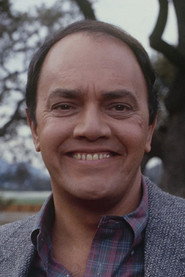 George DiCenzoCapt. Fairbanks
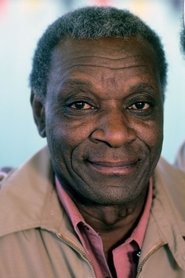 Moses GunnMaj. Nammack
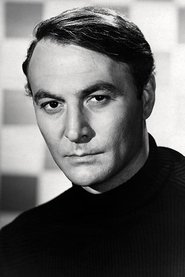 Robert LoggiaLt. Bennish
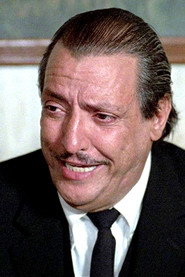 Joe SpinellLt. Spinell
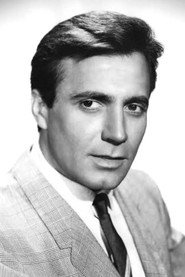 Alejandro ReyLt. Gomez
 Tom AtkinsSgt. Krebs
 Steve Sandor1st Cyclist
Directing
- William Peter BlattyDirector
- John FrancoScript Supervisor
Writing
- William Peter BlattyNovel
- William Peter BlattyScreenplay
Production
- Tom ShawAssociate Producer
- Jack BaurCasting Consultant
- William PaulExecutive Producer
- William Peter BlattyProducer
- Gordon K. KeeProduction Accountant
- Anne ShawProduction Coordinator
Recommended by
Beyond Tomorrow, Valerian and the City of a Thousand Planets, Mark of the Devil, The Survivor, An Actor Prepares, The Mummy, Kaboom