
Film
Mark of the Devil
- Period drama
- Very dark
A 1970 Austrian horror-thriller set in 18th-century Europe, following a young witch-hunter's apprentice as he's confronted with the moral horror of the Inquisition itself. Brutal, uncompromising, and genuinely disturbing—a film that uses genre machinery to interrogate institutional cruelty rather than exploit it. For viewers who want discomfort with a conscience.
Should you watch it?
Watch it if you want a grim, unflinching look at how witch hunts ran as bureaucracy and bloodshed, and you can sit with a moral conscience that slowly wears thin under the weight of what it sees.
Skip it if you want fantasy or a gleeful genre thrill, since this is a sober, nasty slice of history with stretches that are hard to watch.
What it asks of you: It takes its 96 minutes slowly, with long, dour interrogation scenes that demand patience and a strong stomach more than they reward you with quick scares.
Not sure? Find tonight's pick in a minute.
If you liked this
Häxan1922
A Swedish silent documentary-fantasy hybrid that anatomises witchcraft hysteria with the same moral clarity, using archival horror and cinematic invention to show how systems of belief manufacture atrocity.
But Silent film moves slowly, and its theatrical staging can feel dated; the witch-hunts footage is deeply disturbing in ways that may linger.

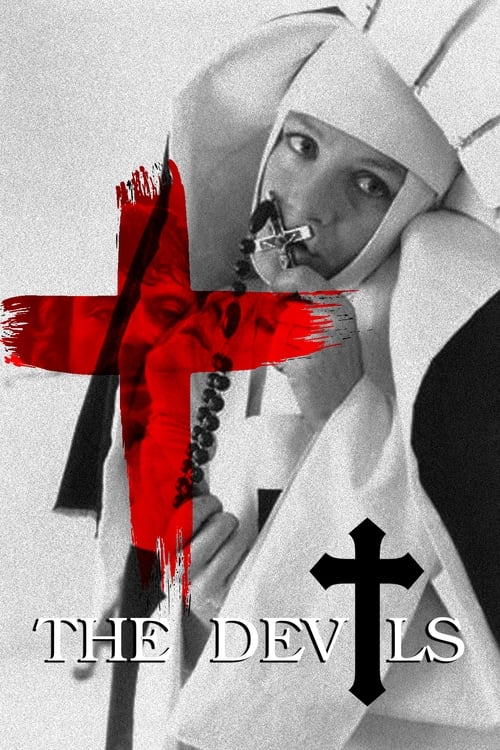
The Devils1971
Ken Russell's equally unsparing take on institutionalised violence in the Inquisition, using sexual and physical extremity to ask identical questions about power, doubt, and the machinery of persecution.
But Russell's style is maximalist and visually overwhelming; the film is banned in several countries for its treatment of religious imagery and violence.
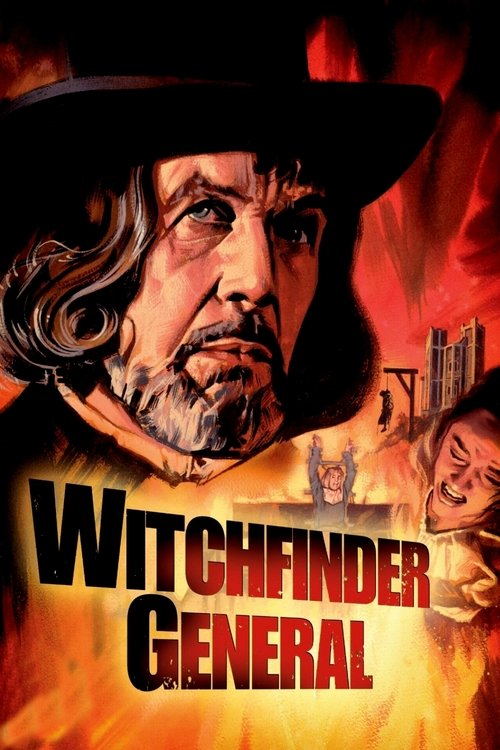
Witchfinder General1968
Vincent Price as a real historical figure who weaponises witch-hunts for sadistic personal gain. Lean, terrifying, and morally lucid about how ideology becomes a licence for cruelty.
But Made as a revenge thriller rather than thoughtful drama; the violence is shocking and the pacing relentless, which some may find exploitative.
Not sure tonight? Get a pick in a minute, starting from Mark of the Devil
The wildcard
Something you would not have found on your own.
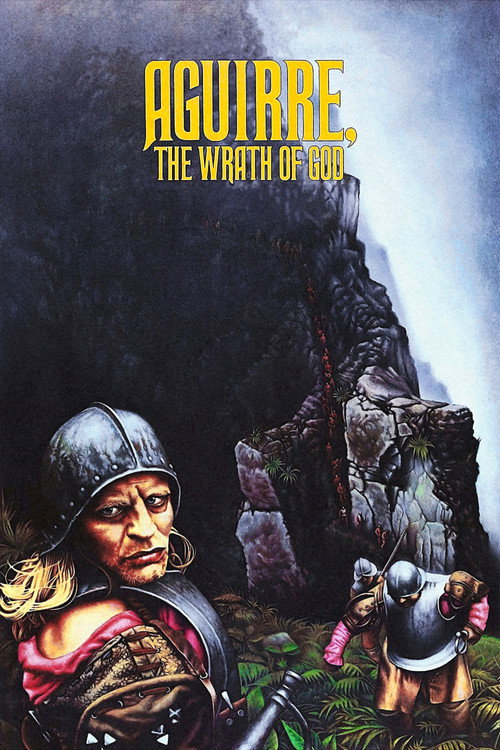
Aguirre, the Wrath of God1972
Both films use historical settings to expose the psychology of institutional violence and the allure of absolute conviction; both pit individual doubt against systematic cruelty.
Herzog's Spanish Conquest epic, where ideological certainty leads conquistadors into the jungle and madness. Like Mark of the Devil, it shows how belief systems—religious, political, personal—become instruments of mass harm.
But Deliberately experimental and difficult; many viewers find the pacing incomprehensible and the narrative almost plotless.
More like this (8)
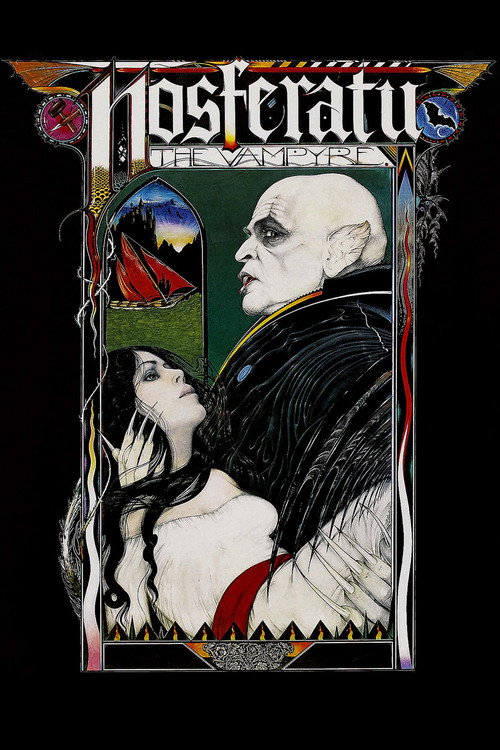
Nosferatu the Vampyre1979
Herzog's remake of the 1922 silent film is haunted and dreamlike, using historical horror to explore plague, superstition, and how communities scapegoat the vulnerable. Deliberately paced and profoundly melancholic.
But Very slow; Herzog's style privileges atmosphere over narrative momentum, and the film requires patience from viewers accustomed to conventional horror.
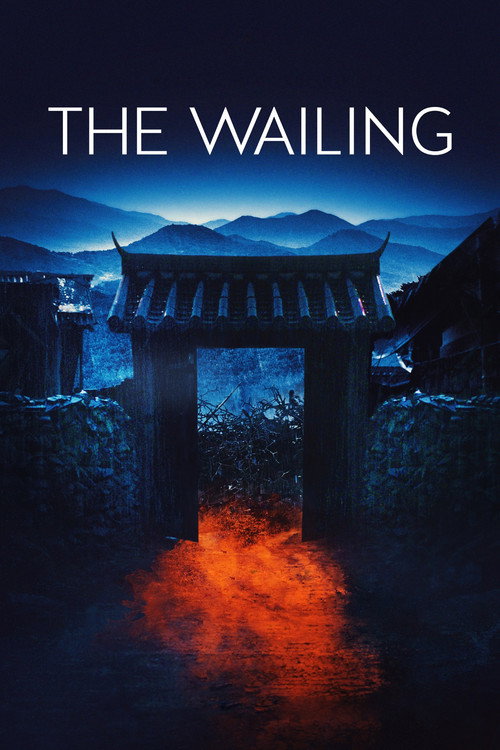
The Wailing2016
A South Korean horror-thriller that builds similar moral vertigo—as an outsider investigates a village crisis, every explanation fractures. Brilliantly constructed to make you question what you've been told.
But Over two and a half hours; the narrative deliberately resists resolution, which frustrates viewers seeking clear answers.
Venom1981
Piers Haggard's brutal medieval revenge epic, where cycles of torture and murder trap characters in escalating moral compromise. Visceral and philosophically unflinching about the costs of cruelty.
But Extremely violent and grim; there is almost no relief or redemption, and the film offers no catharsis.

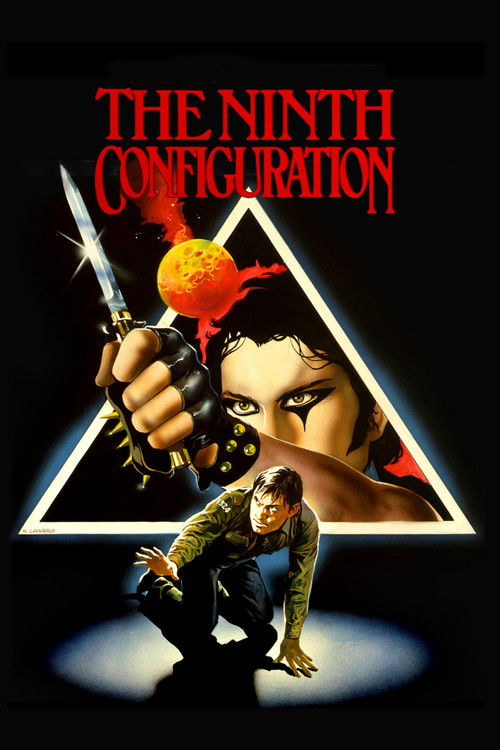
The Ninth Configuration1980
William Peter Blatty's baroque war-trauma thriller set in an asylum, where sanity itself becomes a question of institutional authority. Stranger and funnier than Mark of the Devil, but asking the same questions.
But Tonally messy and very long; it shifts between horror, comedy, and psychological drama in ways that can feel shapeless.
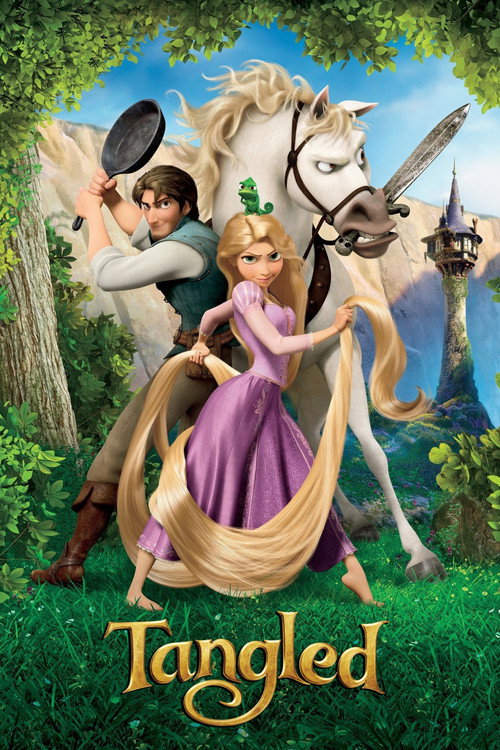
Tangled2010
An Indian film about a widow accused of witchcraft in a village bound by superstition. Quietly devastating, shot with documentary-like precision. A different register, same thematic centre.
But Slow and undramatic by Western standards; regional cinema often challenges pacing expectations, and this offers no conventional climax.
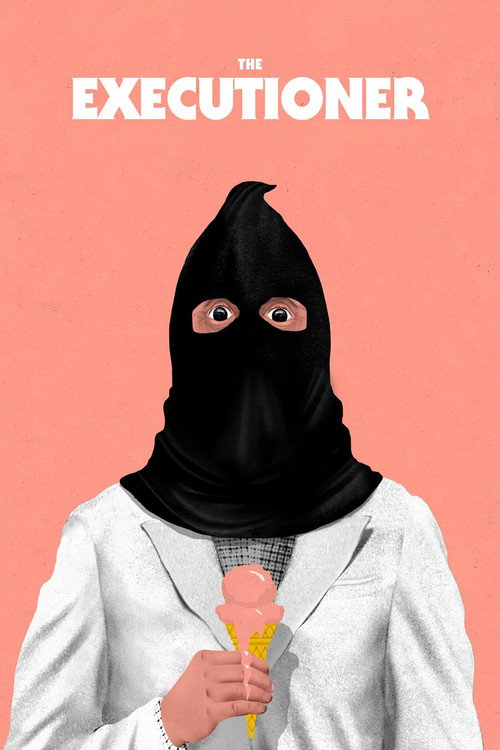
The Executioner1963
A Spanish court drama where an executioner confronts the moral weight of his office—spare, intelligent, and small-scale. A precursor to the themes Mark of the Devil pursues with more brutality.
But Very austere; the film is philosophically dense and offers minimal plot or emotional peaks.
A Prophet2009
Both follow a young apprentice becoming entangled in an institution's violent logic, forced to choose between survival and conscience. Both ask whether escape is possible once you've crossed certain thresholds.
Jacques Audiard's prison thriller where a young man is initiated into systems of power and complicity. It mirrors the apprenticeship structure of Mark of the Devil but transplants it to modern incarceration—a radically different genre that asks whether complicity is inescapable.
But French dialogue; French prison cinema is often bleak and lengthy. This is a slow character study, not a thriller in the conventional sense.

Come and See1985
Both are historical horror-dramas about initiates witnessing the true nature of institutions they've been taught to trust, culminating in a moment of irrevocable moral rupture.
Elem Klimov's Belarusian war film follows a boy's initiation into mass atrocity during WWII. Raw, non-stop, and almost unwatchable—but structurally it's the same story: idealism colliding with the machinery of state violence, told unflinchingly.
But Genuinely one of the most difficult films ever made. The violence is relentless and psychologically devastating; many viewers cannot finish it.

People
Cast
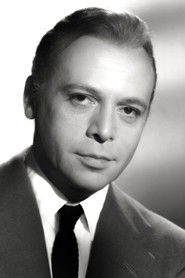 Herbert LomLord Cumberland
 Udo KierCount Christian von Meruh
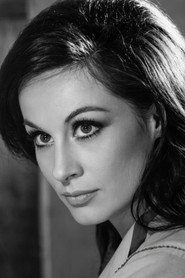 Olivera KatarinaVanessa Benedikt
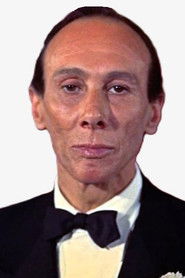 Reggie NalderAlbino
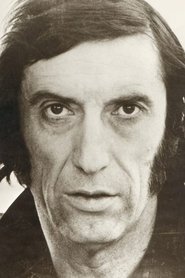 Herbert FuxJeff Wilkens - Executioner
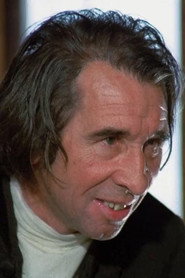 Johannes BuzalskiAdvocato
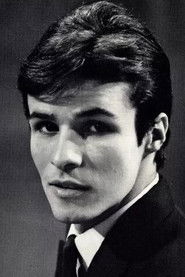 Michael MaienBaron Daumer
 Gaby FuchsDeidre von Bergenstein
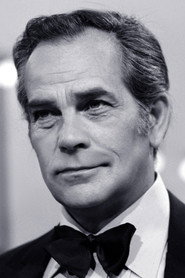 Adrian HovenNobleman
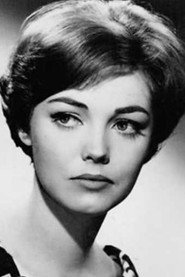 Ingeborg SchönerNobleman's Wife
- Percy HovenBlond Child
 Günter ClemensFriedrich
Directing
- Michael ArmstrongDirector
Writing
- Adrian HovenWriter
- Michael ArmstrongWriter
Production
- Adrian HovenProducer