
Film
The Executioner
A Spanish dark comedy about a meek undertaker who marries an executioner's daughter and inherits her father's job—a position he finds morally repellent. Nino Manfredi gives a beautifully pitiful performance as a man trapped between love and conscience, slowly crushed by complicity. It's blackly funny and genuinely unsettling.
Should you watch it?
Watch it if you enjoy bleak satire that saves its sharpest jokes for institutions and small-town vanity, and you don't mind laughing at something uncomfortable.
Skip it if you need comedy light and brisk, since this one is slow to build, talky, and its humor rests on a grim premise you may struggle to laugh along with.
What it asks of you: Patient and unhurried across about ninety minutes, it lets its unease build through long pauses and dry looks, so it rewards steady attention more than quick laughs.
Not sure? Find tonight's pick in a minute.
If you liked this
Ikiru1952
Kurosawa's masterpiece about a dying bureaucrat finding meaning in a small act of creation. Both films are about men trapped in systems, slowly waking to what they've become, with that same devastating quiet grace.
But It's a film about mortality and it does not look away. Prepare for emotional devastation in the final act.

The Third Man1949
Carol Reed's Vienna-set thriller uses shadows, moral ambiguity, and a casual chat about cuckoo clocks to expose how ordinary corruption really is. Same wry tone, same disgust beneath the surface courtesy.
But It's a spy film first, so if you're after something as intimate as *The Executioner*, the scale and intrigue might feel wide of the mark.

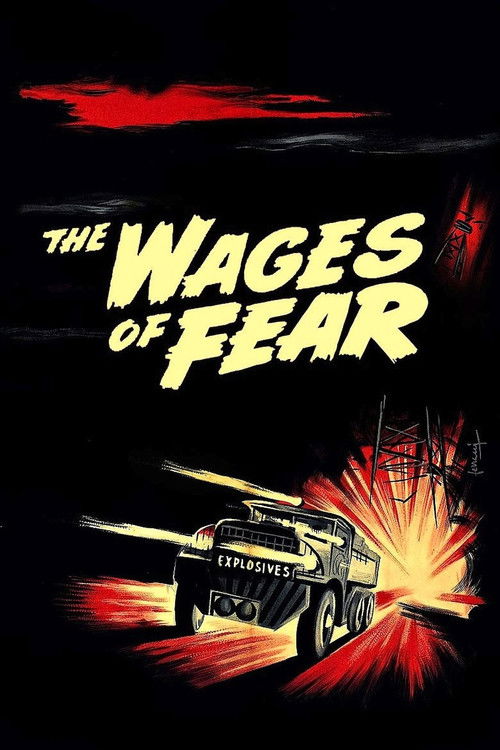
The Wages of Fear1953
Clouzot's French masterpiece traps men in an impossible situation—drive trucks full of explosives or starve—forcing them to become complicit in their own degradation. The same slow moral suffocation.
But It's a suspense film, so the intensity is relentless. Some find the misanthropy exhausting rather than clarifying.
Not sure tonight? Get a pick in a minute, starting from The Executioner
The wildcard
Something you would not have found on your own.
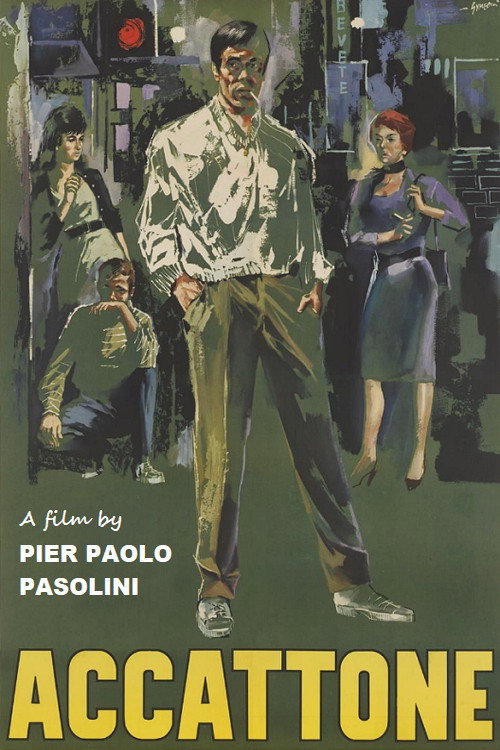
Accattone1961
Both are about men defined by professions they cannot escape, told with maximum poetic restraint and zero sentimentality. Both use the ordinary world to explore moral complicity.
Pasolini's debut follows a Roman pimp as he tries to escape his life but keeps sliding back. It's shot like a documentary and sounds like poetry. The same moral gravity, the same trapped man, but from the absolute margins of society.
But It's in Italian, poorly subtitled in most versions, and Pasolini refuses to judge or explain. The world on screen is so far from the viewer's that empathy requires work.
More like this (7)
Bicycle Thieves1948
An Italian neorealist heartbreaker about a man whose bicycle is stolen and what he becomes while searching for it. Simple on the surface, devastating in its portrait of how desperation shapes us.
But It requires patience with ambiguity and rejection of narrative resolution. The ending will sit with you uncomfortably.

A Prophet2009
A young man enters prison and is forced into a life he never chose, learning to survive by becoming someone else entirely. Same theme of institutional trapping and the death of the self.
But It's a French prison drama, so it's violent, uncompromising, and three hours long. Not a comfortable watch.

The Killing1956
Kubrick's debut uses fractured chronology to show how ordinary people become criminals through circumstance. Dark, witty, and fascinated by how little it takes to tip someone into complicity.
But It's a heist film from the fifties, so the pacing feels stagy and the plot mechanics matter less than they should.

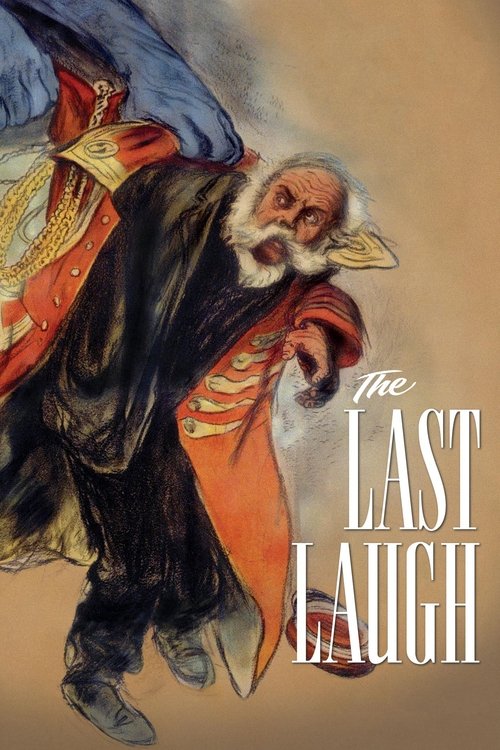
The Last Laugh1924
Murnau's silent masterpiece about an aging hotel doorman stripped of his uniform and dignity, watching his world collapse. Pure visual storytelling about status, shame, and institutional humiliation.
But It's silent and German Expressionist. If you need dialogue and modern filmmaking, this will feel remote.
Kes1970
Loach's film about a working-class boy and a hawk is deceptively gentle about how systems fail the young. Same eye for how institutions crush the spirit, told with love rather than bitterness.
But It's a British regional drama from the sixties. The emotional payoff requires patience with British restraint.

Come and See1985
Both explore complicity and institutional dehumanization, but *Come and See* shows what happens when the trap tightens completely. It's the dark ending *The Executioner* barely avoids.
Elem Klimov's Belarusian war film shows a boy conscripted into horror. Like *The Executioner*, it's about a good person forced into a role that destroys their soul, but it does so with overwhelming, immersive brutality rather than dark comedy.
But It's one of the most harrowing films ever made. Genuinely difficult to watch. This is not entertainment.

The Passion of Joan of Arc1928
Both films use their medium to show moral collapse—Manfredi through gesture and resignation, Falconetti through raw, exposed pain. Both are about systems that require their victims to collaborate in their own destruction.
Dreyer's silent film is a close-up portrait of a woman interrogated, judged, and condemned by a system that calls itself righteous. Renée Jeanne Falconetti's performance is pure anguish. Same theme of individual conscience versus institutional machinery.
But It's silent, very long in the close-up shots, and emotionally exhausting. The repetition of the questioning is intentional, not a flaw.

People
Cast
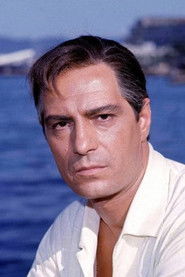 Nino ManfrediJosé Luis Rodríguez, el enterrador
 Emma PenellaCarmen, la hija de Amadeo
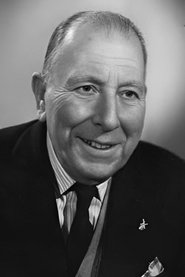 José IsbertAmadeo, el verdugo
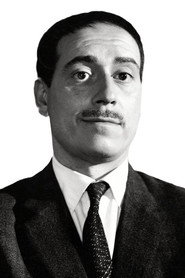 José Luis López VázquezAntonio Rodríguez, el hermano mayor de José Luis
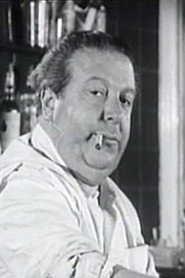 Ángel ÁlvarezÁlvarez, el enterrador
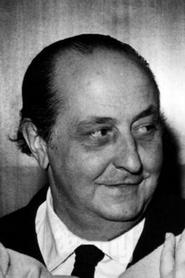 Guido AlbertiDirector de la prisión
 Julia Caba AlbaMujer visitante de la obra nº 2
- María Luisa PonteEstefanía, esposa de Antonio
 María IsbertIgnacia, esposa de Álvarez
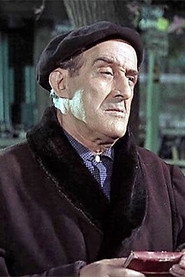 Erasmo PascualSan Martín
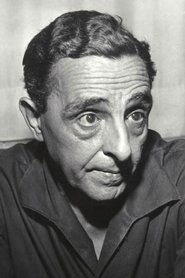 Xan das BolasGuarda de la obra
 José OrjasMarqués
Directing
- Ricardo Muñoz SuayAssistant Director
- Luis García BerlangaDirector
Writing
- Ennio FlaianoScreenplay
- Luis García BerlangaScreenplay
- Rafael AzconaScreenplay
Production
- Nazario BelmarExecutive Producer
- Moris ErgasProducer
- José Manuel M. HerreroUnit Production Manager
Recommended by
A Short Film About Killing, Mark of the Devil, The Sparring Partner