
Film
A Short Film About Killing
Kieślowski's expansion of Dekalog V follows two killings shot in the same suffocating yellow-green light: one committed by a drifter, one carried out by the state. It's less thriller than moral trial with no verdict delivered — patient, cold, and quietly devastating. For anyone who wants cinema that argues rather than entertains.
If you liked this
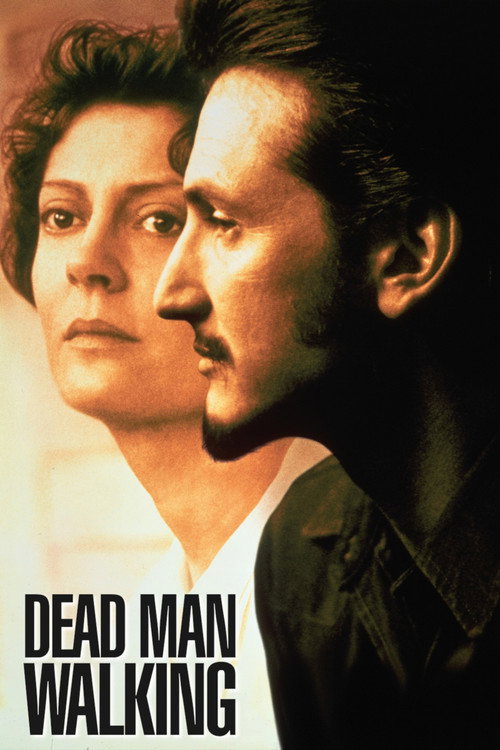
Dead Man Walking1995
Sarandon and Penn turn the question Kieślowski stages wordlessly — what do we owe a man before we kill him — into a devastating, explicit two-hander. Same argument, warmer, louder.
But It's openly persuasive where Kieślowski refuses to be — a film that wants to change your mind, not just show you the machinery.
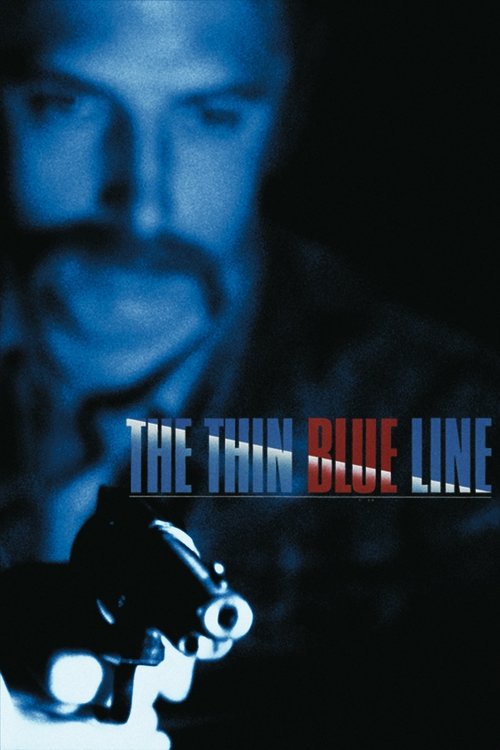
The Thin Blue Line1988
Errol Morris reconstructs a murder and a wrongful death sentence with the same procedural coldness Kieślowski brings to fiction — and it actually helped free an innocent man.
But Its stylised reenactments and hypnotic Philip Glass score can feel like an art installation rather than a plain-spoken true-crime film.
In Cold Blood1967
Richard Brooks' black-and-white classic tracks two drifters toward a killing and its punishment with the same clinical distance, refusing easy horror or easy sympathy along the way.
But It's talkier and more literary than Kieślowski's stripped-down style — closer to a novel filmed than a fable told in images.
The wildcard
Something you would not have found on your own.
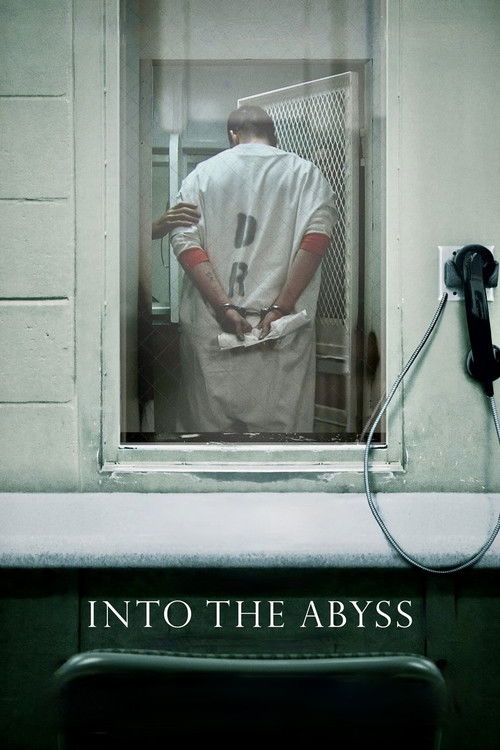
Into the Abyss2011
Both films stage capital punishment as an unresolved moral trial rather than a resolved plot point; Herzog just does it with real people instead of actors, decades and continents from Kieślowski's Warsaw.
Herzog interviews a death row inmate days before his execution, and the families his crime destroyed, asking the same unanswerable questions about killing and the state's right to kill in return.
But It's a real documentary with real grief on screen — nothing here has the aesthetic distance of fiction to soften it.
More like this (8)
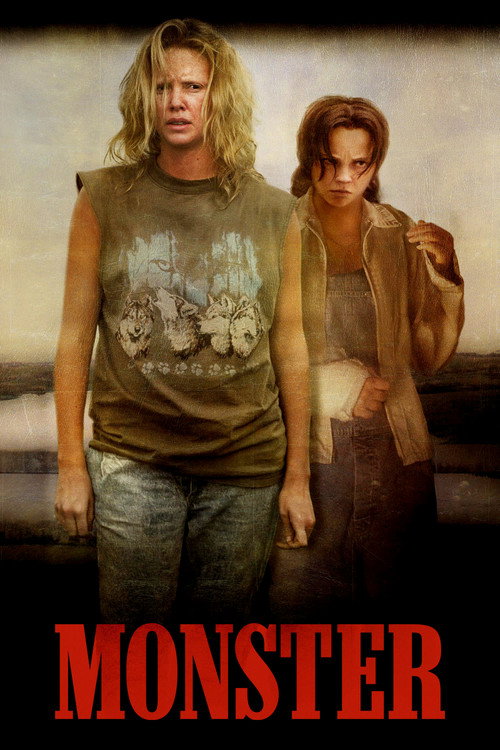
Monster2003
Charlize Theron's transformation into Aileen Wuornos asks the same unbearable question Kieślowski does — can you understand a killer without excusing them — from inside the killer's own head.
But It's a star performance built for award season, which pulls focus toward acting-as-spectacle in a way Kieślowski's plain-faced cast never does.
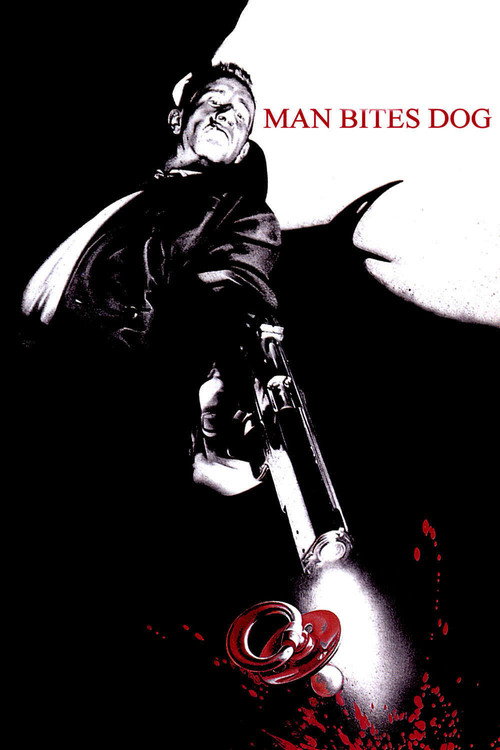
Man Bites Dog1992
This Belgian mockumentary about a film crew trailing a serial killer curdles Kieślowski's detachment into pitch-black satire, implicating the audience for watching as much as the killer for killing.
But It's gleefully transgressive and mean where Kieślowski is grave — a much nastier, funnier kind of provocation entirely.
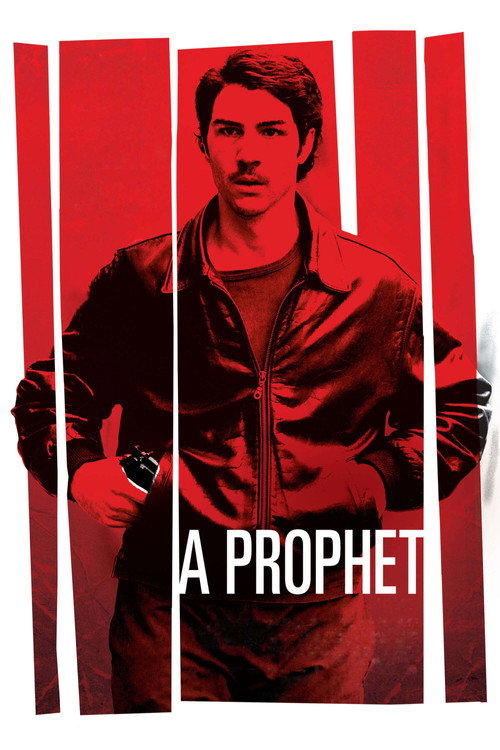
A Prophet2009
Audiard's prison drama shares Kieślowski's fascination with how systems manufacture violence, tracking a young man's slow corruption inside an institution supposedly built to reform him.
But It's a longer, more novelistic criminal saga with a rise-and-fall arc — an education, not a single tight moral argument.
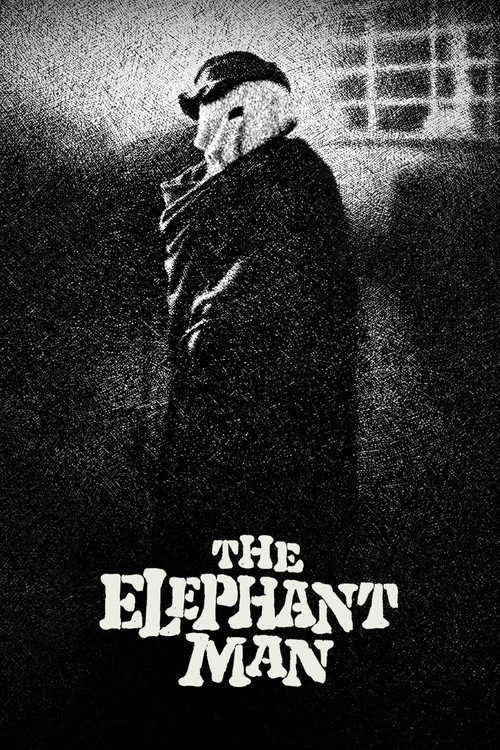
The Elephant Man1980
Van Sant's Palme d'Or winner drifts through a school shooting with the same refusal to explain that makes Kieślowski's killing so unbearable — cause and effect simply won't resolve.
But Its wandering, real-time structure and non-actors can feel maddeningly withholding if you want any explanation by the end.
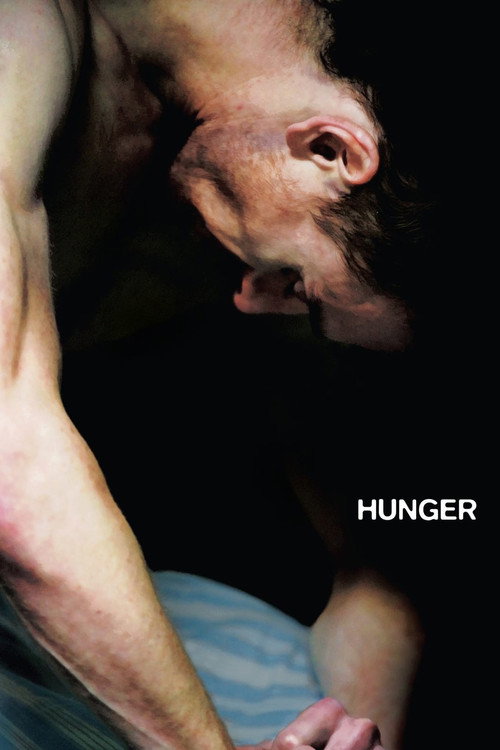
Hunger2008
McQueen's near-silent account of Bobby Sands' hunger strike shares Kieślowski's interest in the state's power over a single body, told with the same austere, unsentimental camera.
But It's even slower and more physically punishing, with long stretches of near-silence and very little conventional narrative to hold onto.
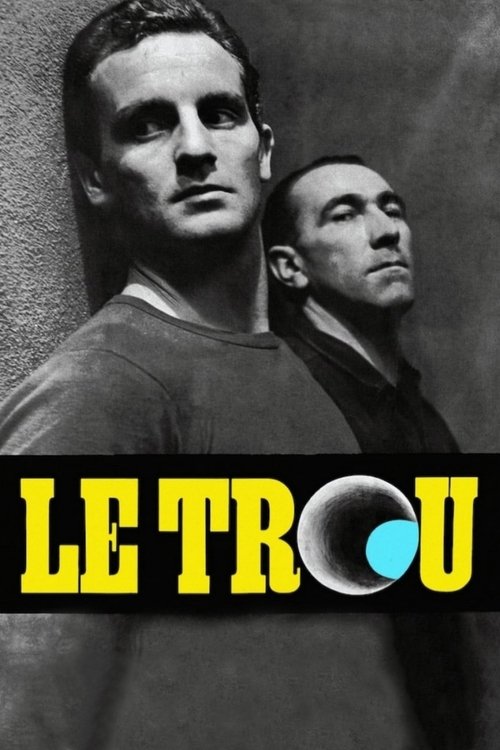
Le Trou1960
This patient prison-escape drama shares Kieślowski's fascination with process over psychology — every action shown in full, nothing skipped, nothing explained away.
But It's a heist-adjacent thriller at heart, gentler and less morally confrontational than the film that brought you here.
The Executioner1963no page yet
Both films dwell on the mechanics — ropes, forms, procedure — that turn killing into paperwork; Berlanga just finds the machinery absurd where Kieślowski finds it monstrous.
A Spanish black comedy about a man who reluctantly inherits his father-in-law's job as state executioner, exposing the same bureaucratic horror of capital punishment Kieślowski shows — played as absurdist farce instead of tragedy.
But It's a comedy, and a very dry one from Franco-era Spain — the tonal leap from Kieślowski's austerity might jar rather than illuminate.
I Want to Live!1958no page yet
It's the same argument — that state execution is its own kind of murder — made in an entirely different era and idiom, proof the question was already being asked loudly in mainstream cinema decades earlier.
Susan Hayward won an Oscar as a real woman on death row in this 1958 Hollywood drama, arguing against capital punishment three decades before Kieślowski, in the glossy grammar of studio filmmaking.
But Its Hollywood polish, jazz score and star performance make for a far more conventional, emotionally manipulative watch than Kieślowski's clinical realism.
People
Cast
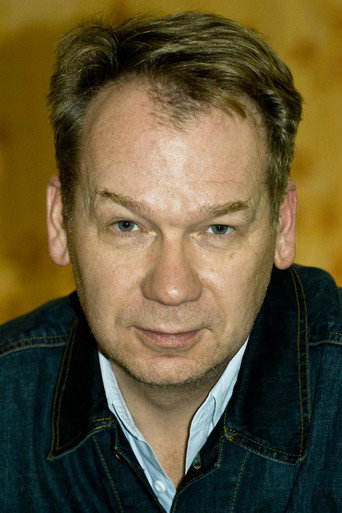 Mirosław BakaJacek Łazar
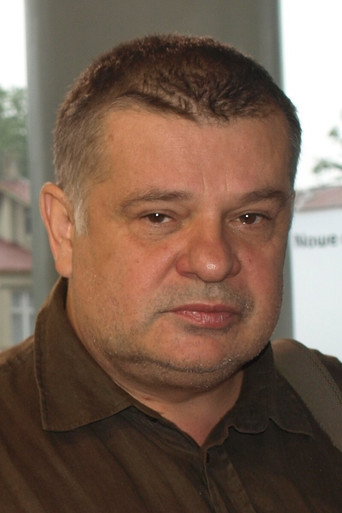 Krzysztof GlobiszPiotr Balicki
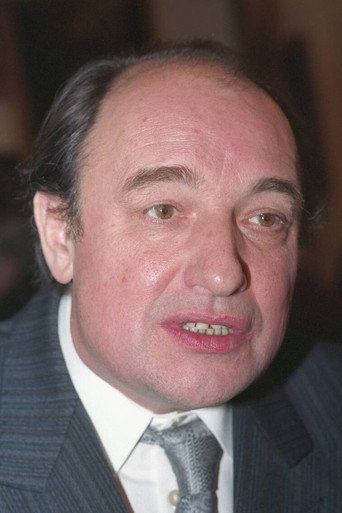 Jan TesarzWaldemar Rekowski
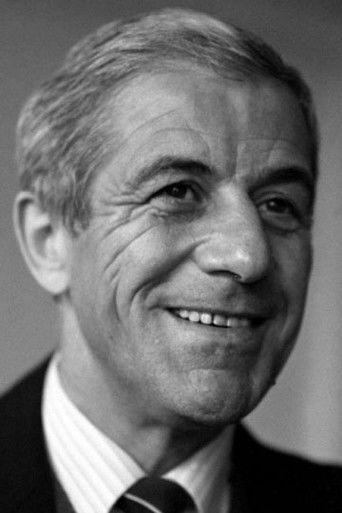 Zbigniew ZapasiewiczCommittee Chairman
 Barbara DziekanCashier
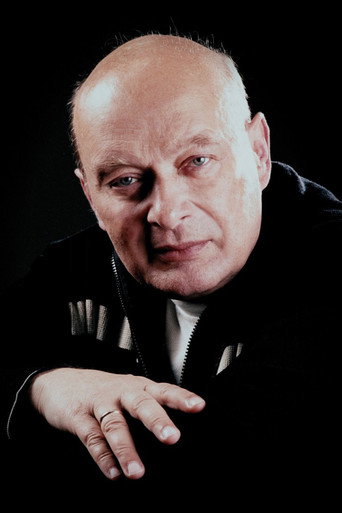 Aleksander BednarzThe Executioner
 Jerzy ZassPolice Commander
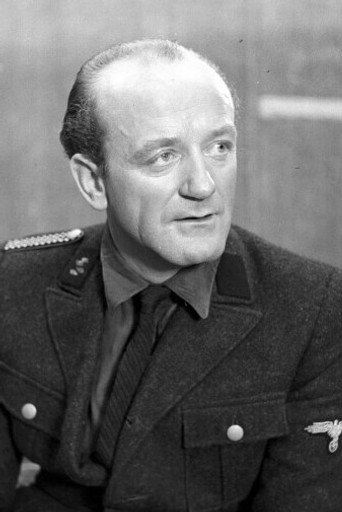 Zdzisław TobiaszJudge
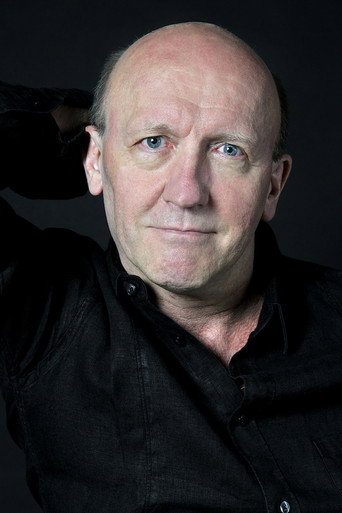 Artur BarciśYoung Man
 Krystyna JandaDorota
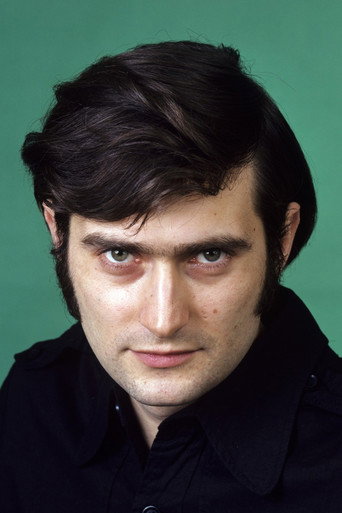 Olgierd ŁukaszewiczAndrzej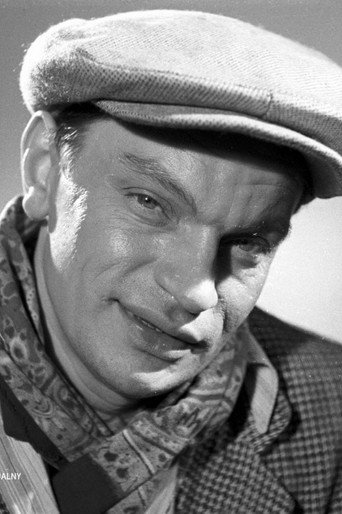
Directing
- Krzysztof KieślowskiDirector
- Miroslawa SerafinScript Supervisor
Writing
- Krzysztof KieślowskiScreenplay
- Krzysztof PiesiewiczScreenplay
Production
- Ryszard ChutkowskiProducer