
Film
Under the Volcano
- Period drama
- Very dark
- Slow-burning
Albert Finney as a dissolving British consul in 1930s Mexico, drinking himself toward oblivion on the Day of the Dead. John Huston's visually rich adaptation of Malcolm Lowry's novel is hypnotic and bleak—less plot than atmosphere, less hope than drift. For those drawn to character studies of damage and dissolution, and to cinema that makes ruin look beautiful.
Should you watch it?
Watch it if you love slow, talky literary films where a ruined man's inner torment unspools in long, boozy monologues and the setting feels like a character, much as John Huston's own Mexico-set melodramas do.
Skip it if you need plot momentum or a clear sense of where things are going, since the film lingers in heat, conversation and drink, and its dread builds through atmosphere rather than incident.
What it asks of you: Roughly two hours of patient attention, with a single day stretched across the runtime, long conversations, and a mood that stays heavy and sweaty rather than lightening up.
Not sure? Find tonight's pick in a minute.
If you liked this
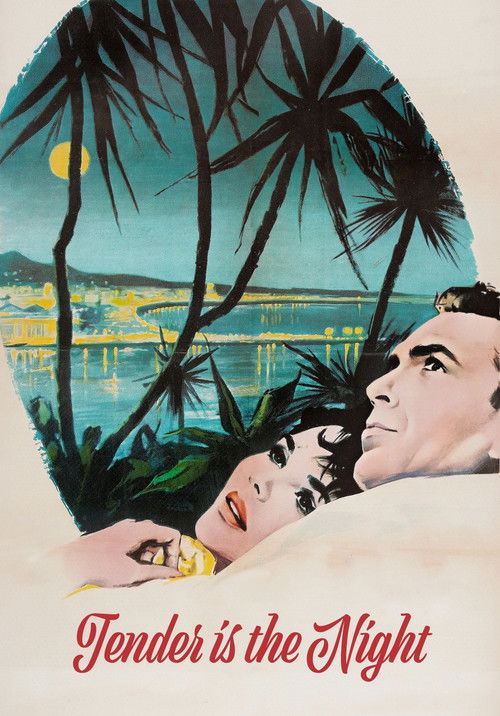
Tender Is the Night1962
F. Scott Fitzgerald's portrait of a man unraveling in Europe, with similar grace notes of jazz-age glamour curdling into despair. Jason Robards carries the weight of decline with quiet devastation.
But It moves at a measured pace and expects patience with a character who doesn't want saving. The film is as mournful as Finney's is—not everyone wants that much sadness.
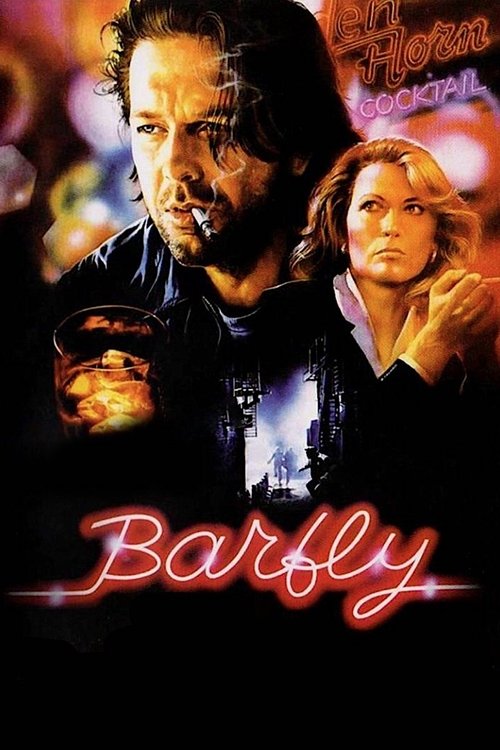
Barfly1987
Mickey Rourke and Faye Dunaway as downtown drunks in Los Angeles, written by Charles Bukowski. It finds dark comedy in the same terrain of self-destruction, but with more tenderness and less apocalyptic dread.
But The romanticism of the skid-row lifestyle doesn't sit well with everyone. It can feel like it's glamorizing the very thing it depicts.
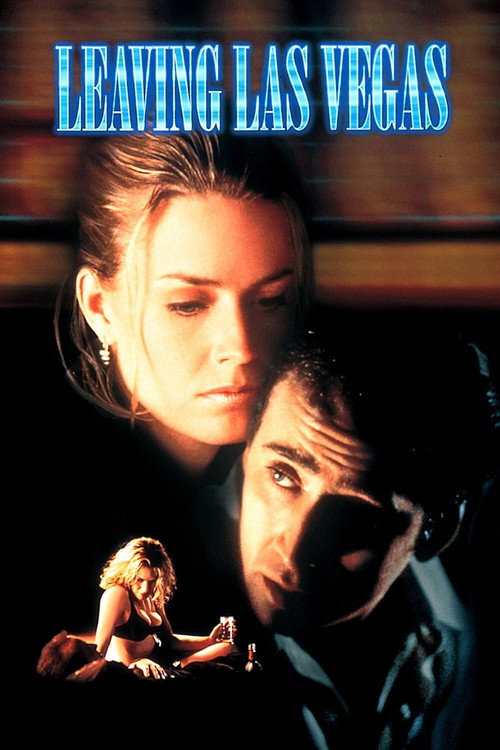
Leaving Las Vegas1995
Nicolas Cage in a chilling, unflinching portrait of addiction as the only honest thing left. It shares Volcano's refusal to look away from dissolution, but with brutal contemporary clarity instead of mythic remove.
But This is punishing cinema. It offers no redemption arc, no warm resolution. Some viewers will find it gratuitously bleak.
Not sure tonight? Get a pick in a minute, starting from Under the Volcano
The wildcard
Something you would not have found on your own.
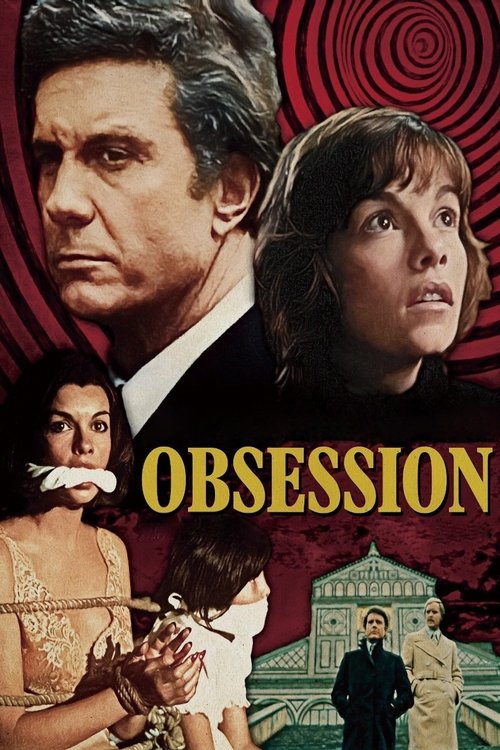
Obsession1976
Both are about men entrapped by their own consciousness and the past, unable to move forward or escape. The machinery of their doom runs on internal logic, not circumstance.
Cliff Robertson as a man haunted by a woman and a past that won't release him, directed by Brian De Palma with Ennio Morricone's swooning score. It's Volcano in a different register—operatic instead of elegiac, obsession instead of alcoholism—but the same architecture of a man trapped in a beautiful prison.
But De Palma's stylization and the Gothic romance can feel overwrought. It's less interested in realism than in myth and desire.
More like this (8)
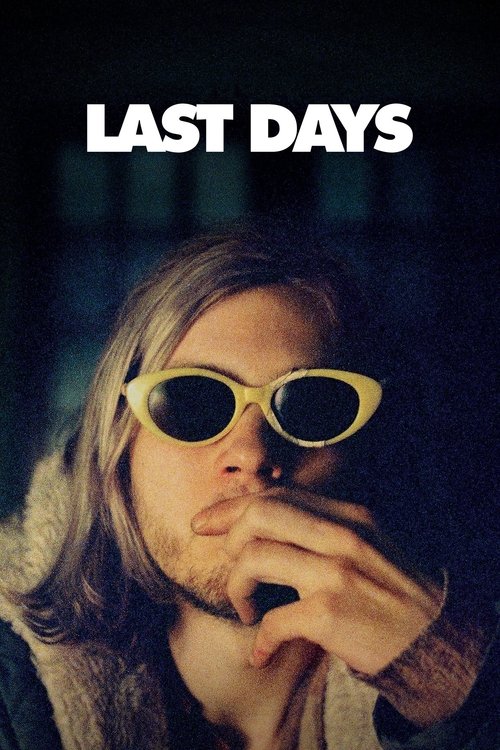
Last Days2005
Gus Van Sant's drift through Kurt Cobain's final hours: minimal plot, maximum mood. Like Volcano, it's more interested in texture and the poetry of decay than in narrative momentum or explanation.
But Nothing "happens." If you need clear story beats or conventional structure, this will feel like watching someone's depression in real time. It is.
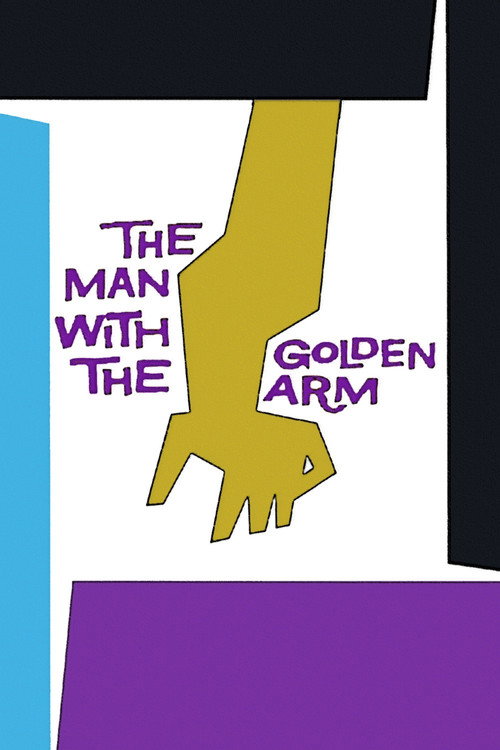
The Man with the Golden Arm1955
Frank Sinatra trapped in Chicago's heroin underworld, directed by Otto Preminger with a raw naturalism that was shocking for 1955. The same gravity of addiction, the same sense of a man's life contracting.
But It's in black-and-white and the pacing reflects an earlier era of filmmaking. The dated social messaging can feel heavy-handed now.
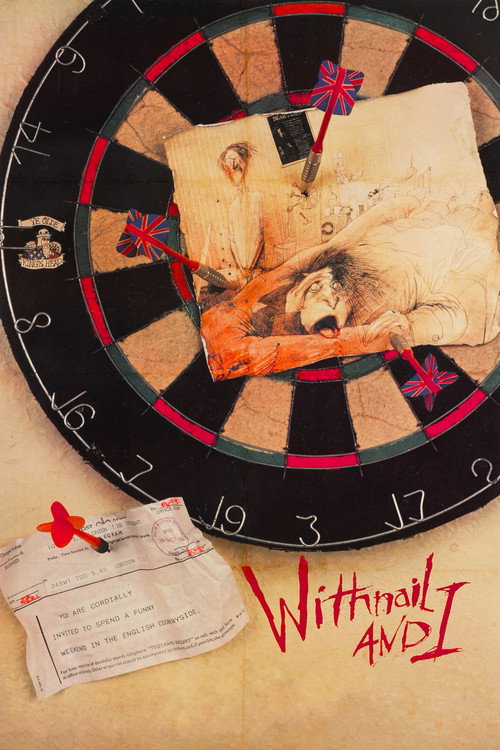
Withnail & I1987
Two unemployed actors descending into dissipation in London, but filtered through darkly comic observation. It proves you can make a masterpiece about ruined men and still laugh—though the laughter comes from a sad place.
But It's British and oblique. If you don't find humor in quotidian despair and elaborate whining, it won't land.
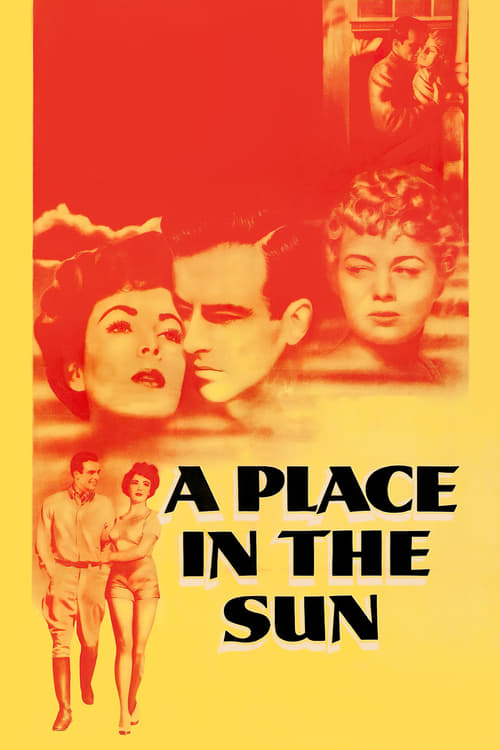
A Place in the Sun1951
Montgomery Clift as a drifter seduced by wealth and then crushed by consequence. George Stevens finds tragedy in moral compromise. The visual language is almost as lush as Volcano's, the fall almost as inevitable.
But It's long and the melodrama occasionally overwhelms the subtlety. Some of the emotional beats feel theatrical by modern standards.
The Killing1956
Kubrick's debut, a heist film told in fractured time about men whose plans collapse into violence and waste. It shares Volcano's sense that human schemes are small things swallowed by larger forces.
But The narrative structure is complex and demands attention. If you're looking for conventional storytelling clarity, it won't give it to you.

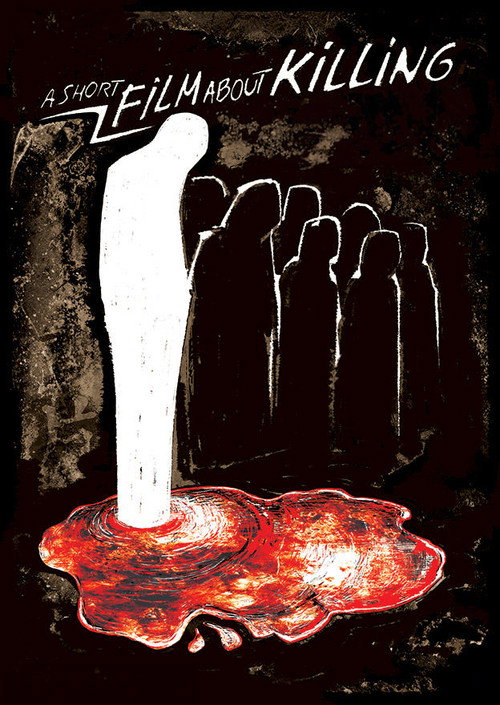
A Short Film About Killing1988
Kieślowski's brutal meditation on violence and capital punishment in Poland. Like Volcano, it observes human beings at their most damaged without offering comfort or easy judgment.
But It's genuinely difficult—showing a young man's casual cruelty and then his destruction. The moral weight can feel suffocating. Not light.
Come and See1985
Both films place their narrative against the backdrop of civilizational collapse (Europe's wars in both cases) and explore how catastrophe plays out in one man's consciousness. Scale inverted—Finney's world shrinks as the world burns; the boy's world explodes.
A Belarusian film about a boy's initiation into the horrors of World War II. Utterly devastating, visually overwhelming—if Volcano is about civilization's slow dissolution through personal weakness, this documents civilization's violent collapse. A different register, same apocalyptic vision.
But This is profoundly traumatic filmmaking. It does not entertain. Some sequences are genuinely unwatchable. It is necessary, not pleasurable.

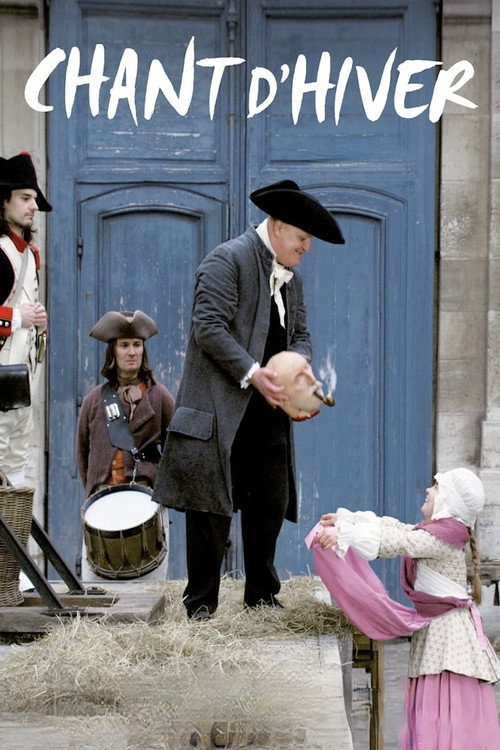
Winter Song2015
Both are more interested in the experience of watching than in what happens. Both use beauty and color and sound to make the viewer *feel* rather than *understand*. Both are about the presence of absence.
A documentary following Antony and the Johnsons and Ryoji Ikeda in collaboration, less a traditional doc than a visual and sonic poem about beauty and mortality. No narrative, pure atmosphere—operatic, mournful, luminous. It's Volcano's sensibility freed from plot.
But It's experimental and resists easy summary. If you need characters and conventional stakes, this will feel like an endurance test, not cinema. Very austere.
People
Cast
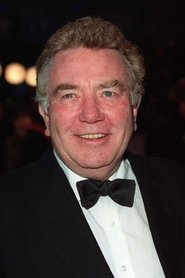 Albert FinneyGeoffrey Firmin
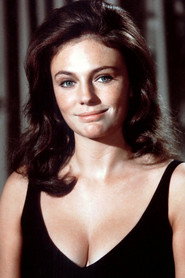 Jacqueline BissetYvonne Firmin
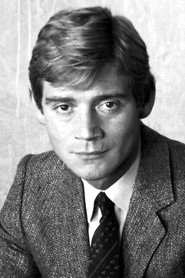 Anthony AndrewsHugh Firmin
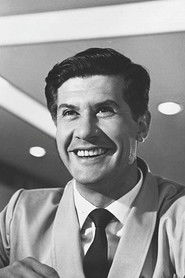 Ignacio López TarsoDr. Vigil
 Katy JuradoSenora Gregoria
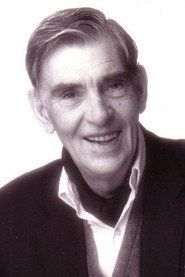 James VilliersBrit
- Dawson BrayQuincey
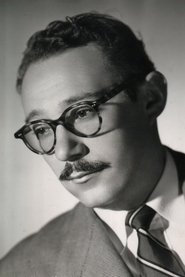 Carlos RiquelmeBustamante
- Jim McCarthyGringo
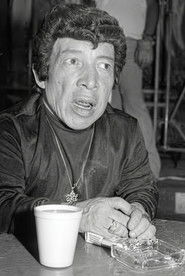 José René RuizDwarf
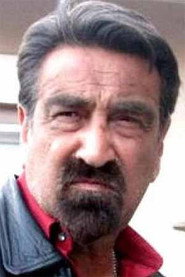 Eleazar García Jr.Chief of Gardens
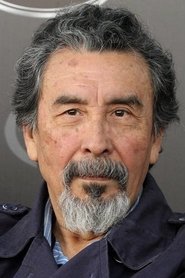 Salvador SánchezChief of Stockyards
Directing
- John HustonDirector
- Manuel MuñozFirst Assistant Director
- John FrancoScript Supervisor
- Dennis ShawSecond Assistant Director
Writing
- Malcolm LowryNovel
- Guy GalloScreenplay
Production
- Arnold GefskyAssociate Producer
- Héctor López LechugaAssociate Producer
- Michael FitzgeraldExecutive Producer
- Moritz BormanProducer
- Wieland Schulz-KeilProducer
Recommended by
A Dark Song, Portrait of Jason, The Night of the Iguana, The Snows of Kilimanjaro, Outcast of the Islands, The King of Marvin Gardens, The Country Girl, Skin Deep, A Poet in New York, The Grass Is Singing, The Comedians, Countryman, Boat People, The Honorary Consul, Eureka, The Last Thing He Wanted