
Film
Outcast of the Islands
A fallen colonial trader seeks refuge on a remote Indonesian island, but isolation and moral corruption prove inescapable. Shot in vivid colour on location, this 1951 melodrama explores shame, betrayal and the lie that geography can cure character. It's a slow-burn character study wrapped in the trappings of adventure—tense, psychologically intricate, and utterly unromantic about empire.
Should you watch it?
Watch it if you love slow-burning colonial tragedies where moral rot seeps in through small compromises, and you savor the sweaty, humid texture of a place where every man is chasing a fortune he will never quite reach.
Skip it if you want brisk plotting or a clear hero to root for, since this moves at a languid, talky pace and its characters are weak, self-deceiving people who rarely offer much warmth.
What it asks of you: Expect a lean hour and forty-two minutes of unhurried scenes, with dialogue doing most of the work and the mood gathering weight rather than arriving in set pieces.
Not sure? Find tonight's pick in a minute.
If you liked this
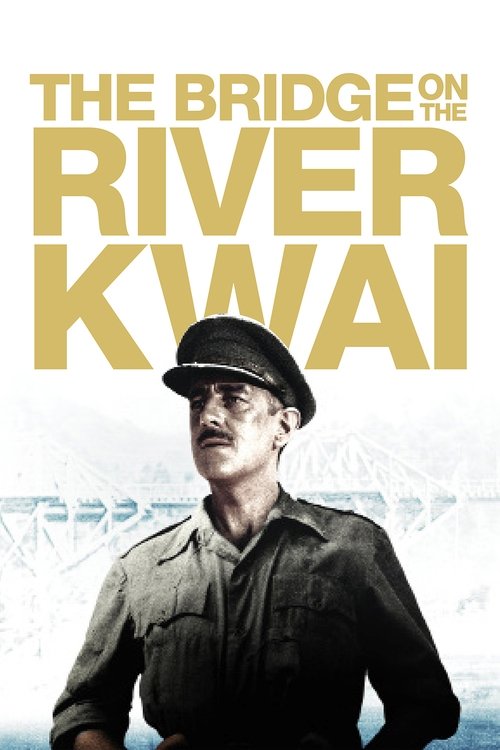
The Bridge on the River Kwai1957
Another study of moral compromise in colonial outposts, where a British officer's pride becomes as destructive as the enemy. Lean's mastery of landscape and psychology will feel familiar, but the stakes are incomparably higher.
But It's three hours long and the middle section is genuinely slow. The final act redeems it entirely, but you have to earn your way there.
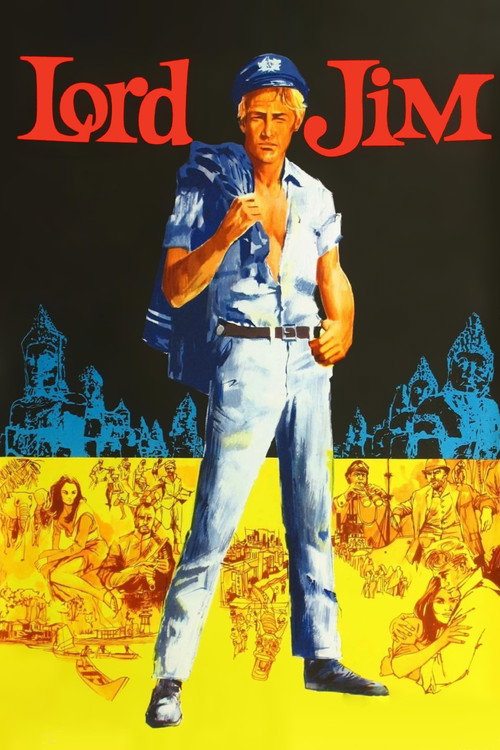
Lord Jim1965
Peter O'Toole in another tale of a man undone by a single shameful act, exile, and the woman who complicates everything. Visually sumptuous, morally unforgiving, and haunted by the same question: can you ever truly escape yourself?
But It's painterly to the point of stateliness. Some will find it beautiful; others will find it glacial and hard to sit with.
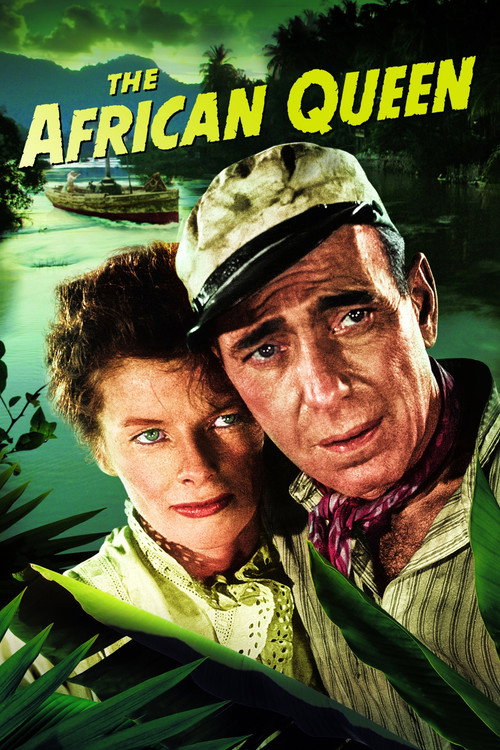
The African Queen1952
Released the same year, it shares the jungle setting and expatriate desperation, but Huston laces his with dark humour and genuine romance. Bogart and Hepburn spark against each other and the wilderness in equal measure.
But It's much lighter in tone. If you want unrelenting psychological darkness, this will feel like a tonal shift away from what you're after.
Not sure tonight? Get a pick in a minute, starting from Outcast of the Islands
The wildcard
Something you would not have found on your own.
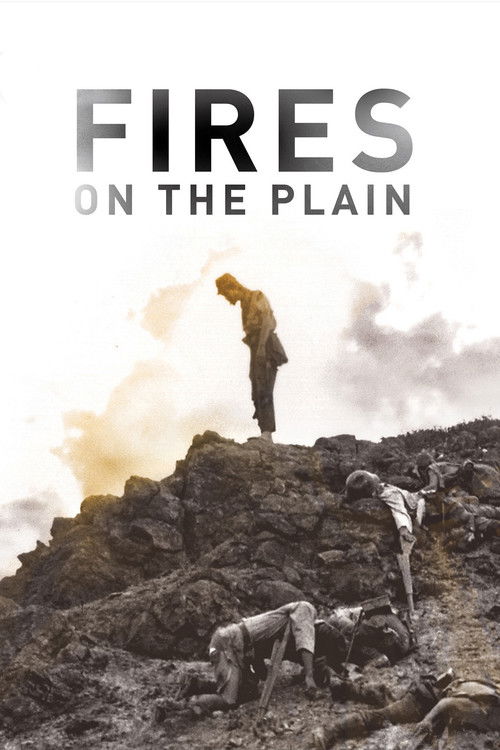
Fires on the Plain1959
Both use the jungle and isolation as a crucible that doesn't purify but destroys; both feature men watching their own moral collapse with helpless clarity.
Kon Ichikawa's harrowing Japanese film about a soldier abandoned and slowly destroyed in the Philippine jungle is the inverse of Outcast: a man doesn't flee into the wilderness to hide, he's cast out into it as punishment. Both dissect the death of dignity, but where Willems chooses his exile, this soldier has no choice. The moral machinery is revealed as equally crushing.
But It's brutally nihilistic and approaches unwatchability in places. Ichikawa refuses sentiment or redemption. If you want catharsis, this offers none.
More like this (7)
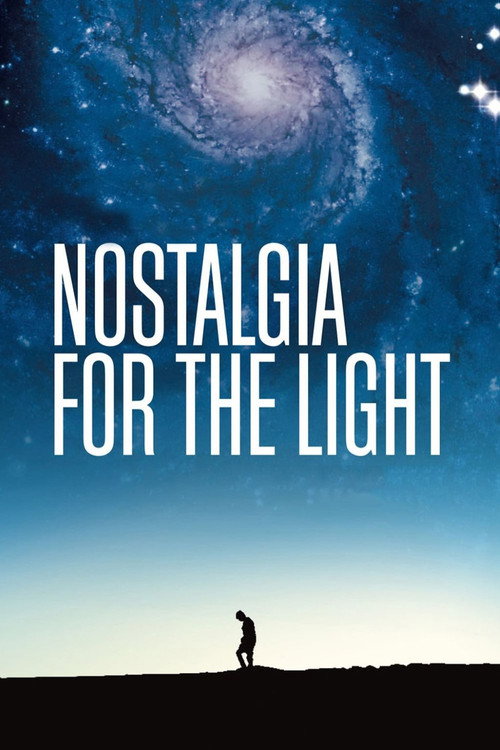
Nostalgia for the Light2010
Patricio Guzmán's documentary meditates on memory, landscape, and the ghosts buried in places we try to move past. A meditation on displacement and the past's weight that will deepen your reading of what Willems is running from.
But It's an essay film without plot, built on voice-over and the silence of the Atacama Desert. If you need narrative momentum, this will feel like watching sand.
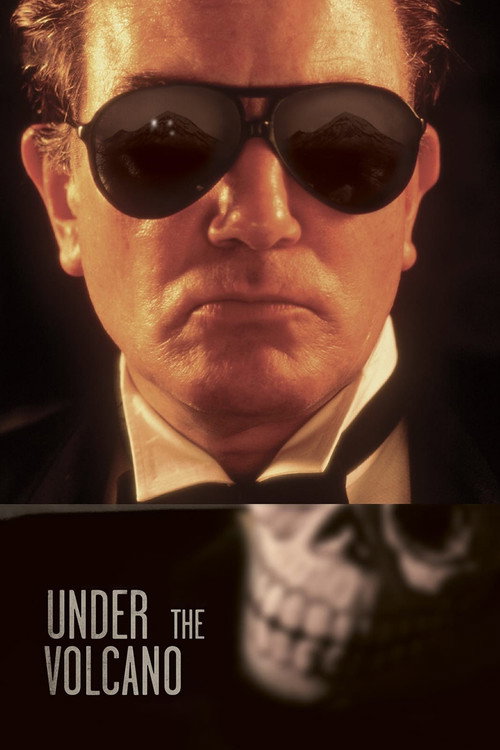
Under the Volcano1984
Another masterpiece about a man self-destructing in exile, watched with terrible clarity by those around him. Huston again; his understanding of moral deterioration and landscape as destiny is nearly supernatural.
But It's an adaptation of a difficult novel, and it asks a lot of patience for a protagonist who is almost entirely unsympathetic. The drinking is relentless.
The Servant1963
Pinter's screenplay strips colonial psychology down to a London flat, watching manipulation and class corruption unfold in real time. A masterclass in how atmosphere cracks a man's certainty about who he is and what he deserves.
But It's deliberately claustrophobic and the power dynamics are queasy. Some find it brilliant; others find it nasty and airless.

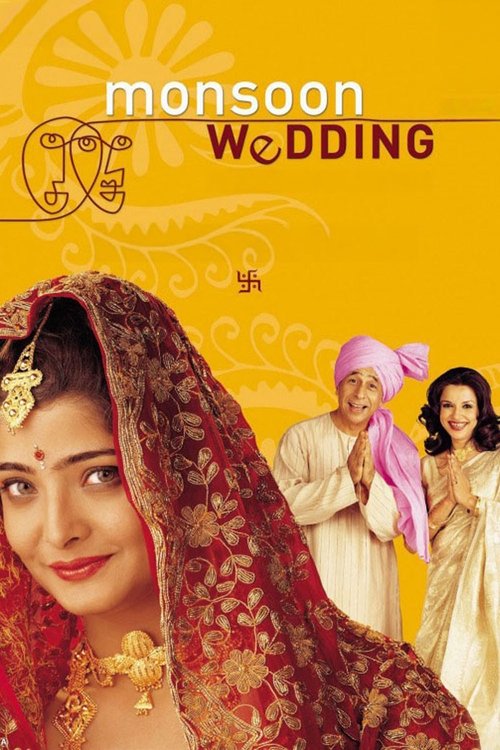
Monsoon Wedding2001
Mira Nair's exuberant family drama set in Delhi offers a different register on the colonial hangover—joy and fracture existing in the same space. Colour and music explode where Outcast broods, but both are about identity forged in colonialism's shadow.
But It's almost aggressively optimistic and frenetic. If you're drawn to Outcast's melancholy, this will feel like an antidote rather than a companion.
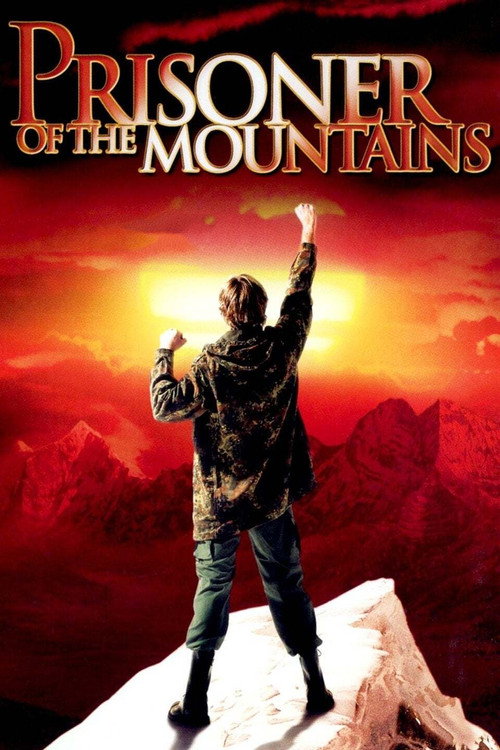
Prisoner of the Mountains1996
Bodrov's film examines captivity, shame, and the distance between what two men think they understand about each other across an uncrossable divide. Intimate, morally complex, and filmed with crystalline beauty.
But It's a Russian film with subtitles, and the pacing is deliberate. It also ends ambiguously, which some find frustrating rather than haunting.
The Remains of the Day1993
Stevens the butler and Willems are cousins: men whose attachment to hierarchy and duty has erased their own lives. Ivory's film is quieter, more restrained, but the anatomy of self-betrayal is identical.
But It moves at a funeral pace and nothing dramatic happens on screen. The emotional devastation is entirely internal, which won't work for everyone.

The Ballad of Little Jo1993
Both are period dramas about colonialism or frontier mythology watching closely as someone tries to become someone else through geography and deception—and both suggest it's a lie that cannot hold.
Maggie Greenwald's film about a woman who disguises herself as a man to survive the frontier is about exile and the performance of identity, but it approaches them through radical reinvention rather than retreat. Where Willems runs toward the past, Jo runs toward a future. Both are about the price of secrets and whether you can ever be seen for who you actually are.
But It's small, deliberately low-key, and doesn't wrap its themes in grand gestures. Some will find it subtle and moving; others will find it undernourished.

People
Cast
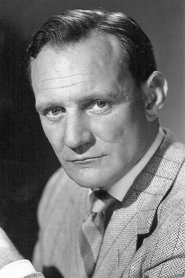 Trevor HowardPeter Willems
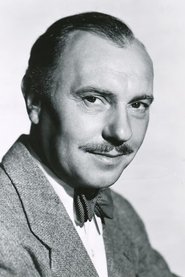 Ralph RichardsonCaptain Tom Lingard
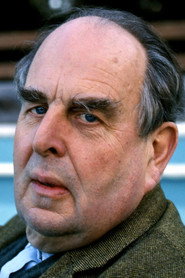 Robert MorleyElmer Almayer
 Wendy HillerMrs. Almayer
 KerimaAissa
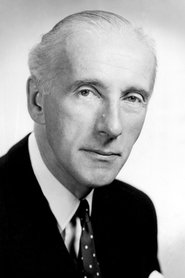 Wilfrid Hyde-WhiteVinck
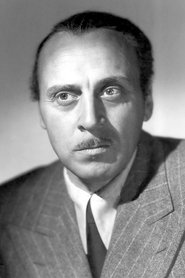 George CoulourisBabalatchi
- Annabel MorleyNina Almayer
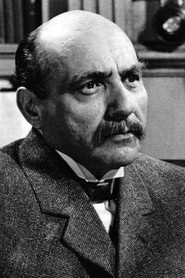 Peter IllingAlagappan
 Betty Ann DaviesMrs. Williams
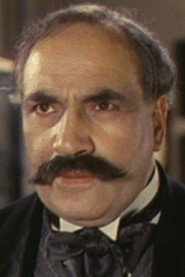 Frederick ValkHudig
- A.V. BrambleBadavi
Directing
- Carol ReedDirector
Writing
- Joseph ConradNovel
- William FairchildWriter
Production
- Hugh PercevalAssociate Producer
- Carol ReedProducer