
Film
The Sheik
Rudolph Valentino's defining role: a sheik who abducts a British aristocrat into the desert, igniting a passion that defies social convention. Bold, absurd, and utterly magnetic, this 1921 silent film created the template for erotic adventure. It's lurid and earnest in equal measure—pure cinema spectacle for anyone curious about how movies learned to make desire visible.
Should you watch it?
Watch it if you are curious about silent-era stardom and happy to sit with old-fashioned, operatic romance where longing counts for more than logic.
Skip it if you will bristle at its exoticised portrayal of desert peoples and a romance that frames abduction as seduction, which modern eyes find hard to forgive.
What it asks of you: Give it its 86 minutes of intertitles, sweeping desert vistas and long glances, with patience for melodrama played at full volume.
Not sure? Find tonight's pick in a minute.
If you liked this
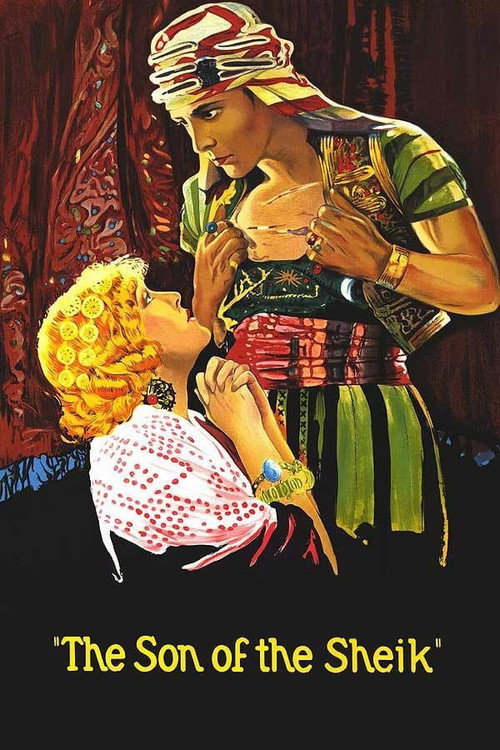
The Son of the Sheik1926
Valentino's sequel, leaner and more confident. He plays both sheik and son, deepening the romantic obsession with darker shadows. The action is sharper, the emotional stakes higher.
But By 1926 standards it's still a silent, and the plot hinges on kidnapping again. If the first film's premise exhausted you, this won't change your mind.
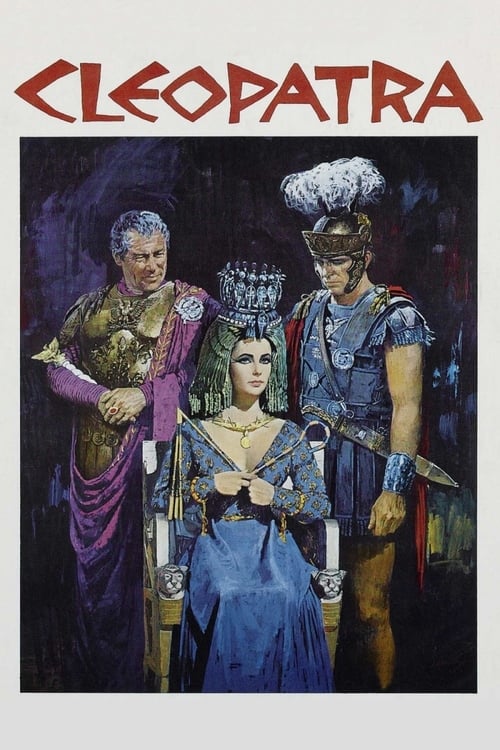
Cleopatra1963
Elizabeth Taylor commands the same colonial-fantasy landscape with her own authority. It's a massive, gorgeous spectacle about a woman who refuses to be conquered, making it the spiritual correction to *The Sheik*'s surrender narrative.
But Four hours long and deeply weird about Rome. The pacing is glacial and Taylor's accent keeps shifting. It demands patience.
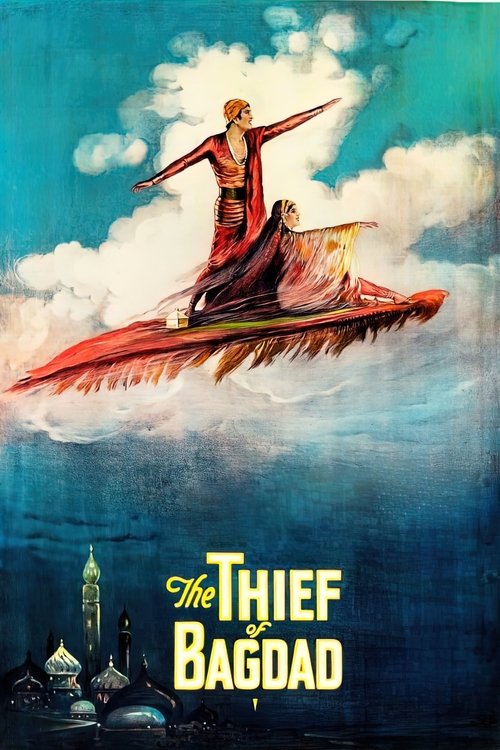
The Thief of Bagdad1924
Douglas Fairbanks in a fairy-tale Arabia of flying carpets and magic. It shares *The Sheik*'s visual intoxication with the exotic, but channels it into swashbuckling adventure instead of ravishment.
But It's frothier and less sensual—some viewers prefer their silents with genuine erotic charge, which this deliberately avoids.
Not sure tonight? Get a pick in a minute, starting from The Sheik
The wildcard
Something you would not have found on your own.
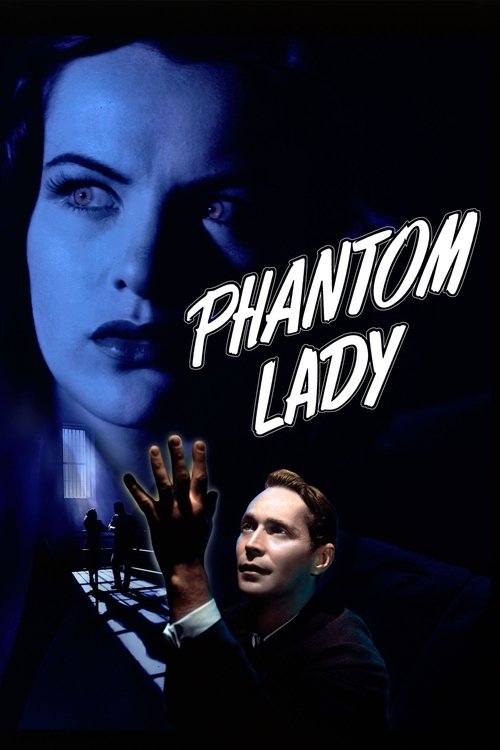
Phantom Lady1944
Both films are structured around a woman pulled into the orbit of male desire, but this one inverts the power by making her complicit, calculating, and ultimately the architect of her own fate.
A woman seeks the truth about her falsely imprisoned lover across New York's noir-drenched nightlife. Like *The Sheik*, it's anchored in obsessive male desire—but told from her perspective, with her agency front and center. She uses seduction as a weapon, not a surrender.
But It's bleak and bitter in ways *The Sheik* isn't—no magical desert romance here, just a woman doing what she must. The sexual violence is implicit but present.
More like this (7)
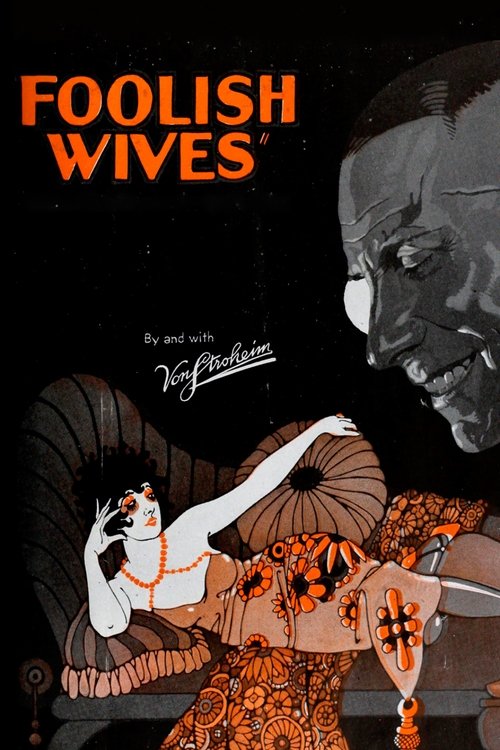
Foolish Wives1922
Erich von Stroheim's masterpiece of seduction and con artistry. Like *The Sheik*, it's fascinated by desire as a force that unmakes people, but it's far more cynical and complex about who's being conquered.
But At nearly four hours, it's exhausting. Von Stroheim's moral ambiguity can feel slippery, and the sexual dynamics are murky in ways that feel deliberate but unglamorous.
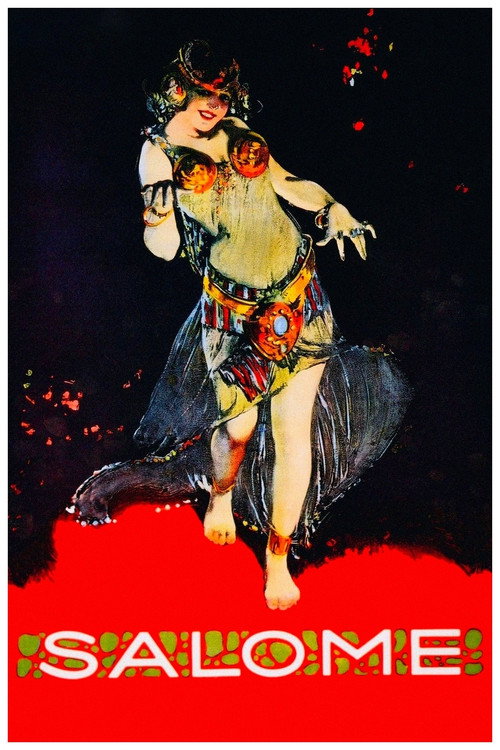
Salome1918
Theda Bara as the biblical temptress, predating Valentino as cinema's great icon of transgressive desire. It's visually stunning and utterly shameless about the female gaze on male beauty.
But The Orientalism is even more cartoonish, and Bara's performance can read as camp. If you find *The Sheik* already difficult, this won't help.
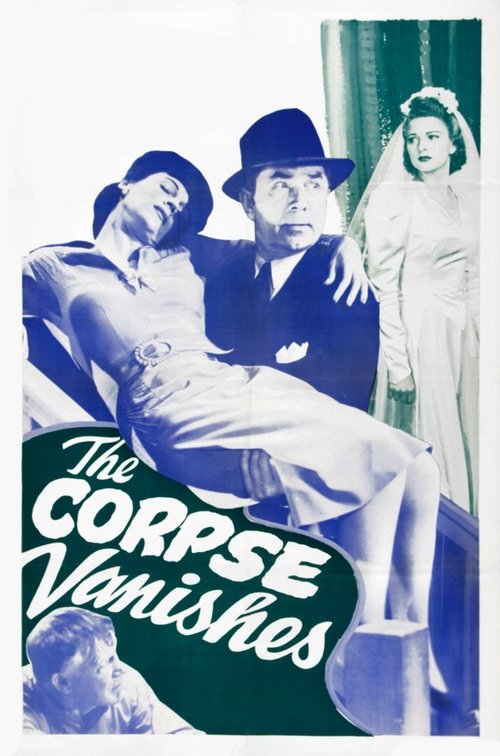
The Corpse Vanishes1942
A campy, kinetic B-movie about a mad scientist abducting brides. It's descended from *The Sheik*'s kidnapping plot but weaponized it into pure pulp nonsense with real energy and humor.
But It's deliberately cheap and trashy. Bela Lugosi is oddly subdued, and the dialogue is risible. That's kind of the point, which not everyone enjoys.
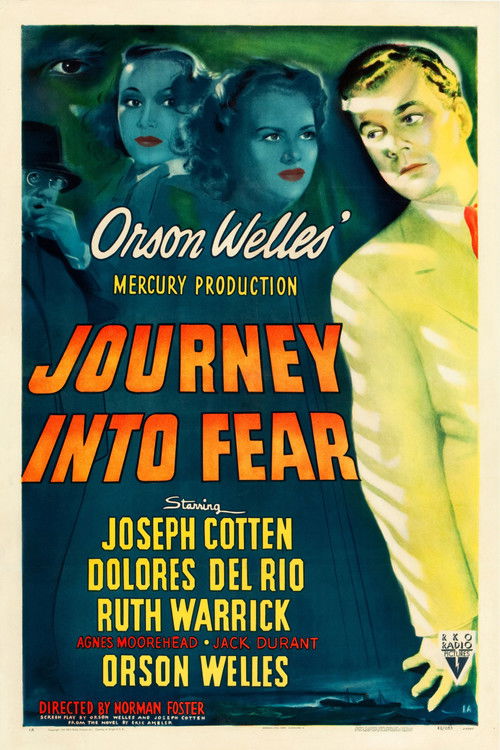
Journey into Fear1943
Orson Welles (uncredited) directs this paranoid espionage melodrama about an American hunted across the Mediterranean. It inherits *The Sheik*'s sense of exotic danger and sexual threat, but refocuses it through Cold War anxiety.
But The plotting is baroque and sometimes incoherent. The romance is subordinate to the spy thriller machinery, which some find dilutes the emotional core.
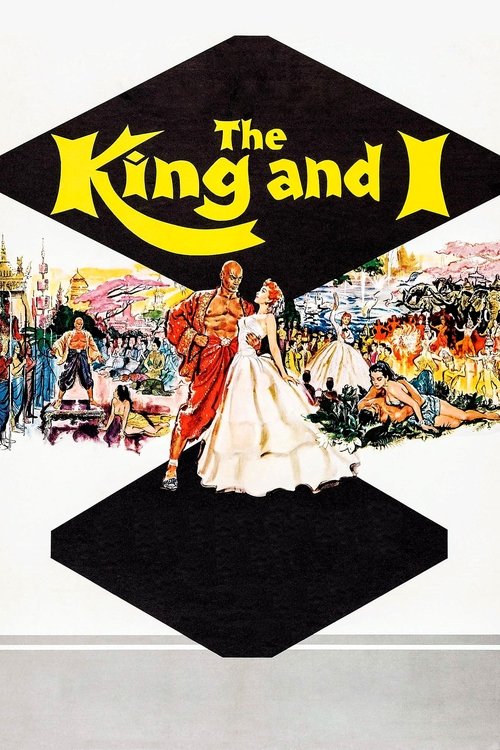
The King and I1956
Deborah Kerr tutors the King of Siam, and the push-pull between Western propriety and Eastern authority mirrors *The Sheik*'s central tension—but with musical grandeur and a woman who negotiates rather than surrenders.
But It's a Hollywood musical with all the constraints that entails. The representation of Siam is its own colonial fantasy, and that irony may or may not bother you depending on your mood.
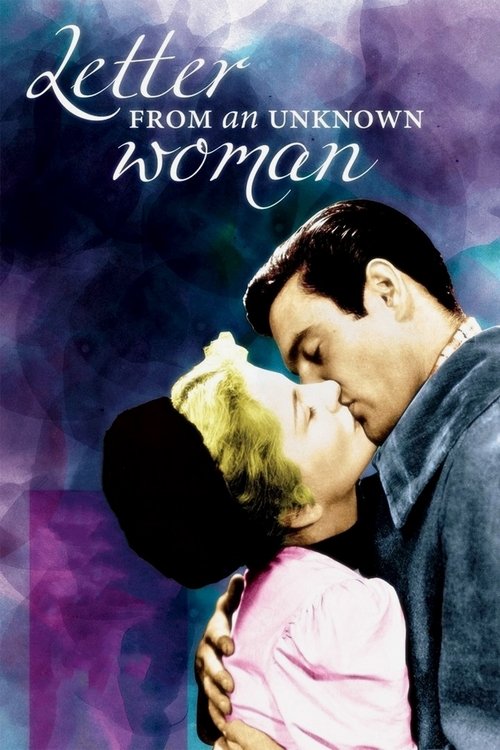
Letter from an Unknown Woman1948
Both center a woman rendered helpless by desire for a man who represents an entire world she cannot enter. But where *The Sheik* romanticizes her surrender, Ophüls anatomizes its tragedy.
Max Ophüls' masterpiece: a woman's entire life orbits an indifferent man who never truly sees her. It's a heartbreaking meditation on devotion and erasure, told in lush black-and-white instead of exotic pageantry, but the emotional machinery is identical to *The Sheik*.
But It's slow, sad, and entirely internal. There's no plot momentum, just the accretion of longing. If you want adventure alongside your eroticism, this offers only melancholy.
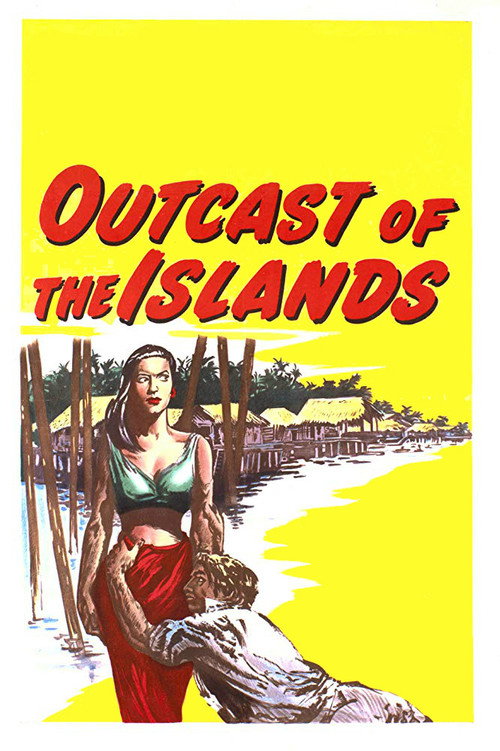
Outcast of the Islands1951
Both films are obsessed with the erotics of colonial contact, but this one asks what that eroticism actually costs, and refuses to let desire masquerade as fate or romance.
Carol Reed's adaptation of Conrad: a British drifter in the Malayan archipelago seduces a half-caste woman, destroying her and himself through colonial entitlement and racial transgression. It's *The Sheik*'s moral argument—the desire *The Sheik* romanticizes, seen unflinchingly as corruption and ruin.
But It's slow and deliberate, steeped in colonial guilt and sexual shame rather than adventure. The film doesn't forgive anyone, least of all the viewer for watching.
People
Cast
 Rudolph ValentinoSheik Ahmed Ben Hassan
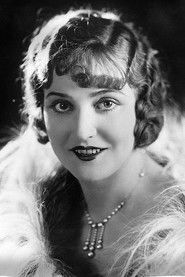 Agnes AyresLady Diana Mayo
- Ruth MillerZilah - A Marriage Market Prospect
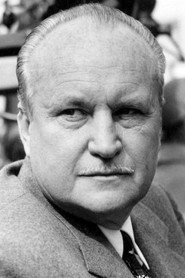 George WaggnerYousaef - Tribal Chieftain (as George Waggener)
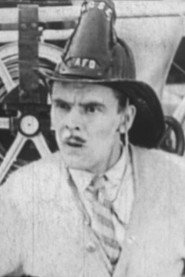 Frank ButlerSir Aubrey Mayo
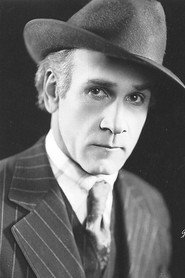 Charles BrinleyMustapha Ali - Diana's Guide (as Charles Brindley)
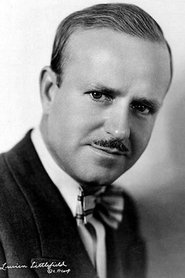 Lucien LittlefieldGaston - French Valet
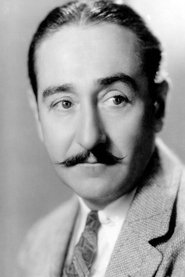 Adolphe MenjouDr. Raoul de St. Hubert
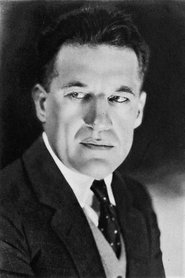 Walter LongOmair - the Bandit
 Sally BlaneArab Child (uncredited)
- Earl Gordon BostwickSuitor (uncredited)
- Rafael NegreteViolinist (uncredited)
Directing
- George MelfordDirector
Writing
- Edith Maude HullNovel
- Monte M. KatterjohnWriter
Recommended by
His Regeneration, High Road to China, Outpost in Morocco, The Garden of Allah, Fires of Fate, The Desert Song, Saadia, The Leopard Woman, Hula, The Rainbow Trail