
Film
The Corpse Vanishes
A 1942 mad-scientist horror-sci-fi hybrid where Bela Lugosi plays a doctor harvesting bride glands to keep his wife eternally young. It's pulpy, weird, and moves fast—barely over an hour of Lugosi at his most delightfully theatrical, married to practical effects that feel genuinely strange. Perfect for anyone who loves early horror's commitment to the bizarre.
Should you watch it?
Watch it if you love creaky Poverty Row horror, where the budget shows and the mad-doctor logic is delightfully ridiculous, and you'll enjoy Lugosi chewing scenery in a lab that looks borrowed from a cheaper studio.
Skip it if you need slick pacing or modern gore, since this short, stagey programmer runs on creaky atmosphere and has little real suspense.
What it asks of you: Barely an hour long, it moves at a deliberate clip, with long stretches of lab talk, plain staging, and a tone that stays earnest rather than winking.
Not sure? Find tonight's pick in a minute.
If you liked this
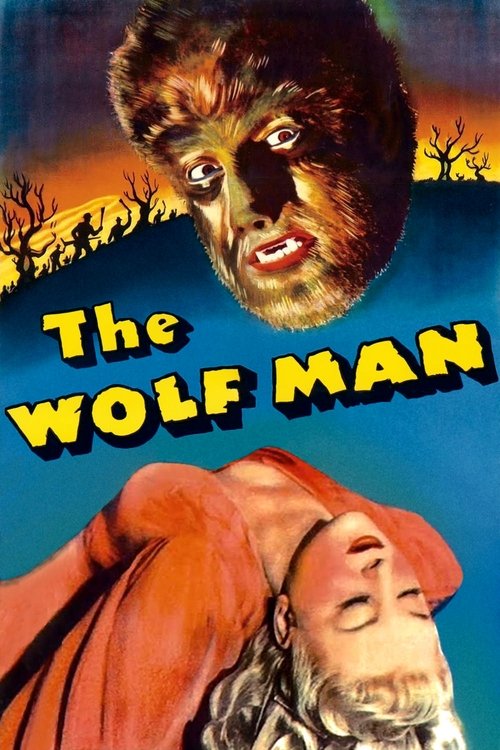
The Wolf Man1941
Universal's werewolf masterpiece from the year before, with the same studio machinery, a similar sense of gothic inevitability, and Lon Chaney Jr. giving himself over completely to the role. Pure atmosphere and practical transformation effects.
But It's slower and more elegiac than *Corpse Vanishes*—less pulp, more genuine tragedy. If you want relentless weirdness, this might feel a bit stately.
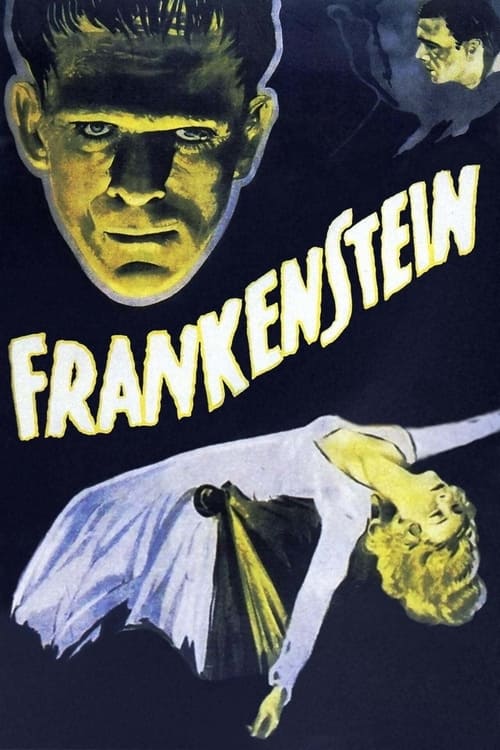
Frankenstein1931
The original mad-scientist picture that basically invented the template Lugosi's character is following. James Whale's direction is immaculate, and watching it first shows you how *Corpse Vanishes* is both homage and deranged riff on the form.
But It's older and moves differently—less plot momentum, more mood. Some find early '30s horror pacing almost soporific.
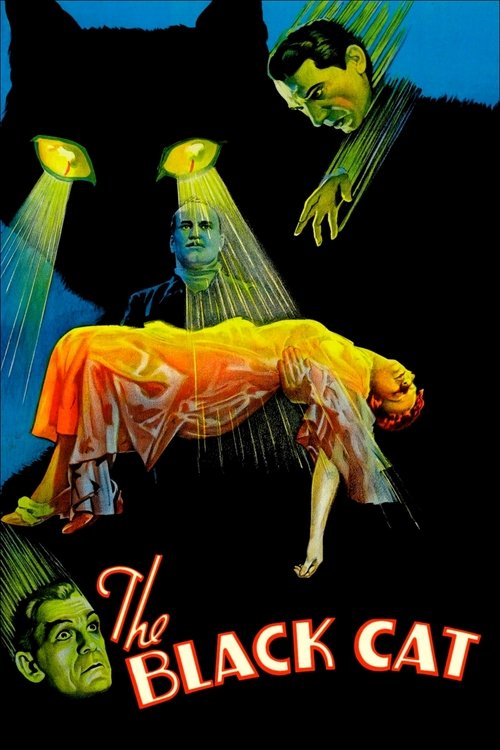
The Black Cat1934
Lugosi opposite Boris Karloff, with Jacques Tourneur directing. It's surreal, deliberately perverse, and genuinely unsettling in ways that caught critics off guard even then. A masterwork of early horror weirdness.
But The plot is deliberately convoluted and philosophical rather than propulsive. It's not trying to be entertaining in a conventional sense.
Not sure tonight? Get a pick in a minute, starting from The Corpse Vanishes
The wildcard
Something you would not have found on your own.
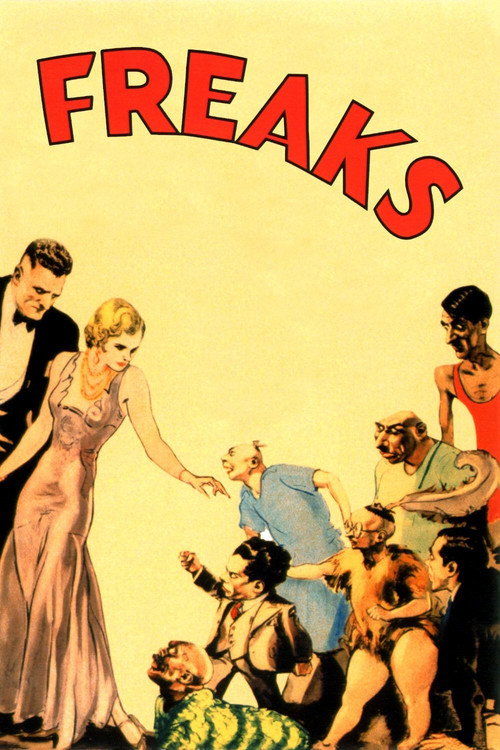
Freaks1932
Both feature mad scientists/circus performers exploiting human bodies for their obsessions. Both are interested in how the grotesque becomes everyday, and how the viewer's discomfort is part of the point.
Tod Browning's nightmare carnival where actual sideshow performers are the leads and the 'normal' people are the real monsters. It's grotesque, deeply strange, and morally complex in ways nothing else from its era attempted. Genuinely difficult to look at—which is exactly why it matters.
But The disability representation will make modern viewers uncomfortable, and not always productively. It's also genuinely disturbing in ways that feel unsafe rather than thrilling. The ending is merciless.
More like this (8)
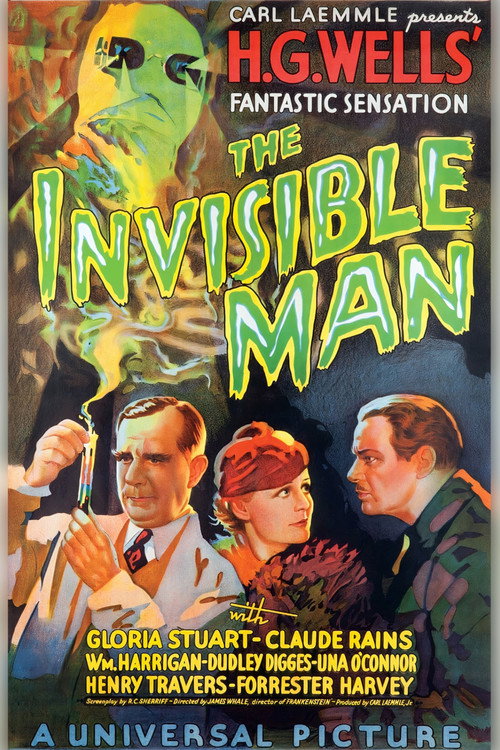
The Invisible Man1933
James Whale again, this time with effects that genuinely astound—invisibility rendered practical and thrilling. It's faster and funnier than the other Universal classics, with a lead performance that crackles with manic energy.
But It's a different flavor of horror altogether—almost a thriller. The tone can feel scattershot if you're expecting Gothic consistency.
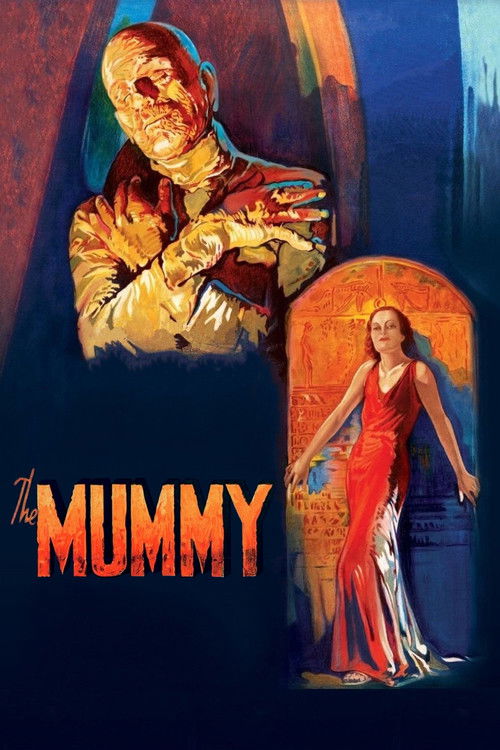
The Mummy1932
Lugosi himself, in the role that made him an immortal icon. It's slower-burn and more romantic than *Corpse Vanishes*, but that means the atmosphere is immaculate. Essential Lugosi, essential Universal.
But The second half loses momentum badly. Once the plot mechanics kick in, the weirdness drains away a little.
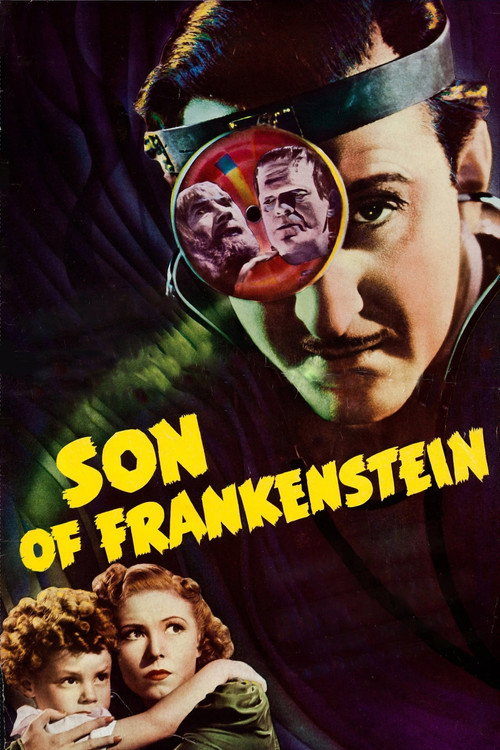
Son of Frankenstein1939
Lugosi actually plays Ygor here—a brilliant, twisted supporting role that lets him stretch into comedy and menace simultaneously. Rowland V. Lee's direction is operatic and genuinely strange.
But Basil Rathbone is the lead and he's not Lugosi. If you're here for the Count exclusively, this one's a supporting player slot.
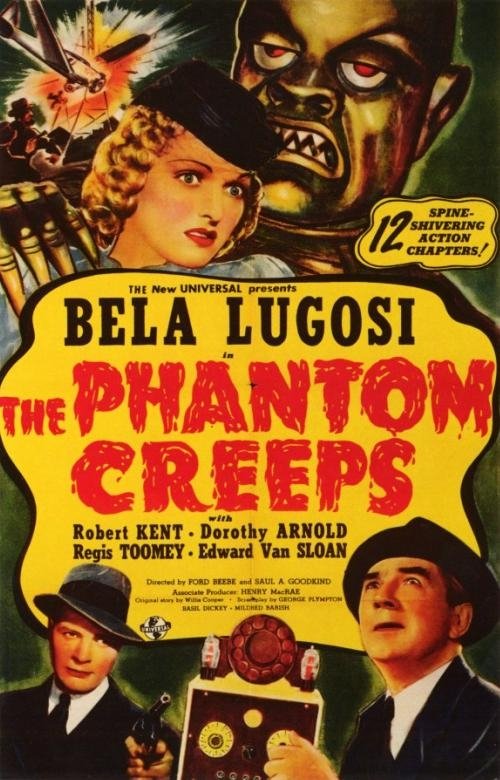
The Phantom Creeps1939
A serial (broken into chapters) with Lugosi fighting robots and time machines. It's gloriously unhinged low-budget sci-fi that commits entirely to its own insanity. Pure Saturday-morning fever dream stuff.
But It's a serial—very repetitive, very slow by modern standards, and the effects are threadbare. The charm is entirely in its earnest weirdness.
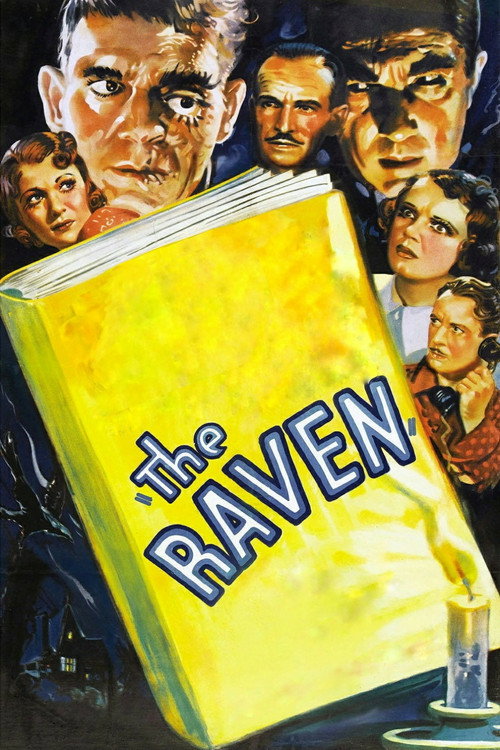
The Raven1935
Lugosi as a concert pianist obsessed with the Edgar Allan Poe poem, turning his house into a death trap of moving walls and pendulums. It's camp, it's cruel, it's beautifully designed, and it has no right to work as well as it does.
But It veers hard into melodrama and creakiness. Some of the plot mechanics feel genuinely stupid rather than entertainingly stupid.
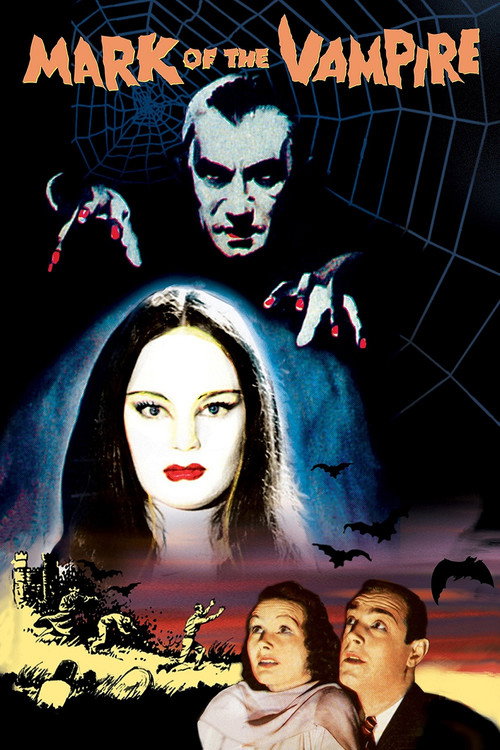
Mark of the Vampire1935
A vampire picture that isn't quite what it seems, directed by Tod Browning with a visual sophistication that elevates the whole enterprise. Lugosi gets to be genuinely creepy rather than just theatrical.
But It's emotionally cold and deliberately artificial-feeling. If you want horror that generates dread, this is more like watching a silent movie in '35-era sound.
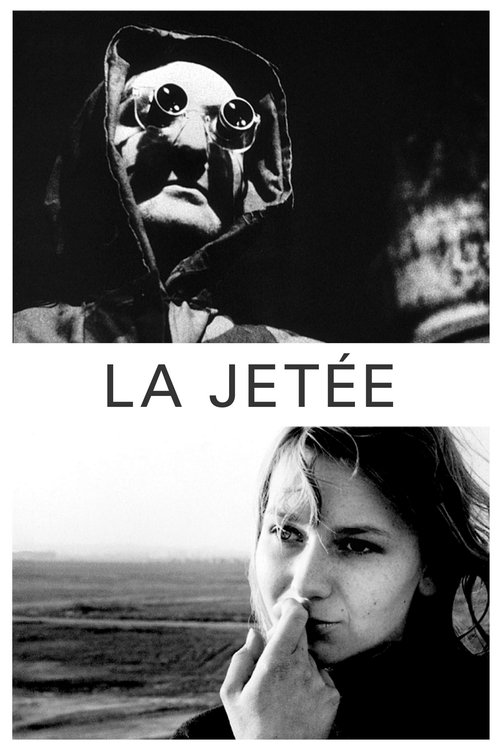
La Jetée1962
Both compress sci-fi premises about time, youth, and obsessive love into impossibly short runtimes. Both treat the impossible as mundane. Both achieve their effects through practical means rather than spectacle.
A science-fiction novella told almost entirely in still photographs, about a man caught in a time loop obsessing over a memory of a woman. It's spare, haunting, and formally revolutionary—25 minutes that contain more genuine strangeness than most features.
But It's a photographed slideshow with a voiceover, not conventional cinema. If you need movement and conventional editing, the form itself will feel like punishment.
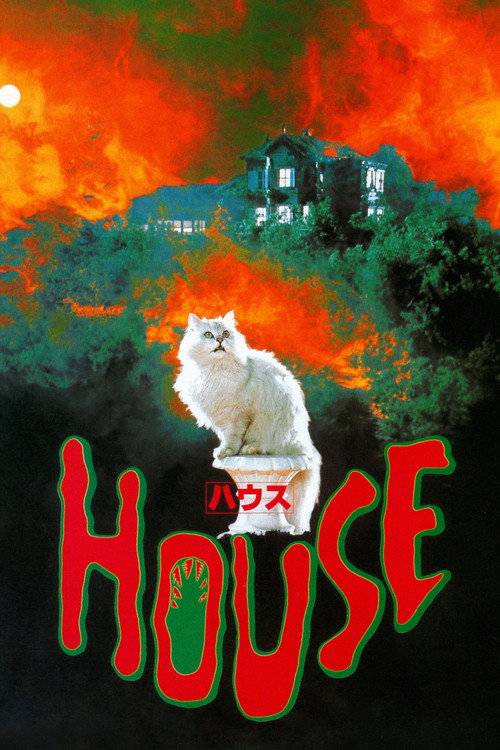
House1977
Both prioritize visual and tonal strangeness over plot coherence. Both feature obsessive older figures trying to preserve youth/beauty through supernatural means. Both understand that horror can be funny without becoming a joke.
A Japanese haunted-house film that plays like a fever dream designed by someone who's only heard horror described secondhand. It's technicolor, surreal, utterly committed to its own illogic, and genuinely unlike anything else you've seen.
But It has no interest in making sense or building conventional suspense. If you need coherence or recognizable character psychology, this will feel actively hostile. It's alienating by design.
People
Cast
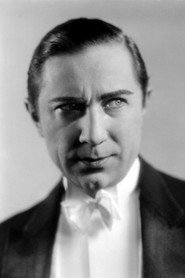 Bela LugosiDr. Lorenz
 Luana WaltersPatricia Hunter
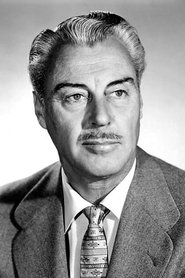 Tristram CoffinDr. Foster
 Elizabeth RussellCountess Lorenz
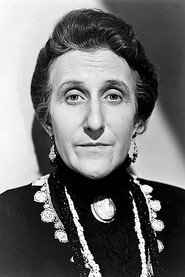 Minerva UrecalFagah
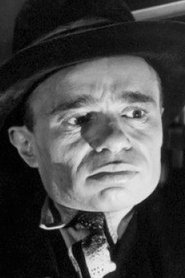 Angelo RossittoToby
 Frank MoranAngel
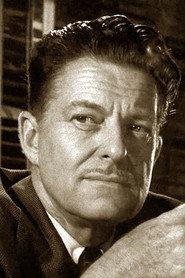 George EldredgeMike
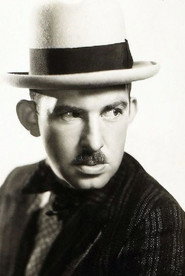 Vince BarnettSandy
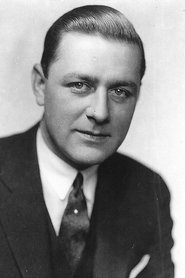 Kenneth HarlanEditor Keenan
 Joan BarclayAlice Wentworth
 Gwen KenyonPeggy Woods
Directing
- Arthur HammondAssistant Director
- Wallace FoxDirector
Writing
- Harvey GatesScreenplay
- Gerald SchnitzerStory
- Sam RobinsStory
Production
- Barney A. SareckyAssociate Producer
- Jack DietzProducer
- Sam KatzmanProducer
- Ed W. RoteProduction Manager