
Film
The Raven
Other titles called The Raven: the 1963 film, the 2012 film.
A 61-minute masterclass in pulpy menace. Bela Lugosi's mad neurosurgeon and Boris Karloff's disfigured convict orbit each other in a castle of torture devices and obsession. It's gleeful, gruesome, and moves like a bullet—pure Golden Age horror that knows exactly what it is and commits completely.
Should you watch it?
Watch it if you love stagey gothic horror where the menace comes from two actors circling each other in a candlelit mansion, and you don't mind a plot that runs on pure theatrical momentum.
Skip it if you need airtight plotting; the logic is loose, the 1930s acting is broad, and the romance is little more than a placeholder.
What it asks of you: It runs barely an hour, so it spends its time on set pieces and close-ups rather than subplots, and it wants you to settle into its stage-bound, talky rhythm.
Not sure? Find tonight's pick in a minute.
If you liked this
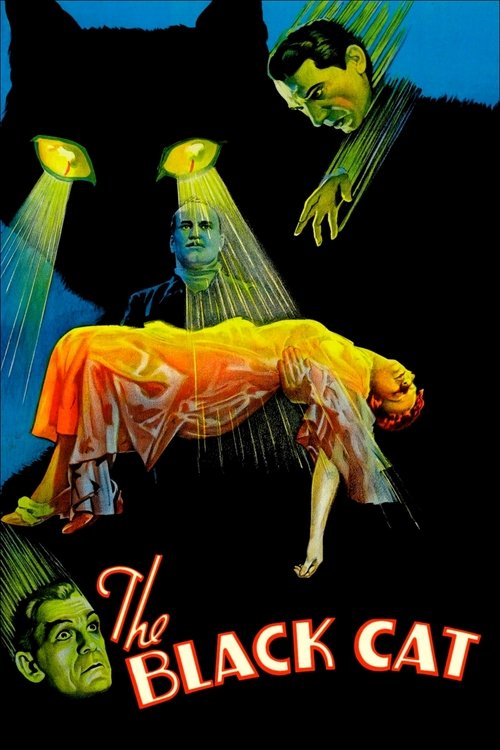
The Black Cat1934
Lugosi and Karloff's first pairing, a psychological duel between a vengeful doctor and a sinister architect. Same studio, same year, same electric chemistry that makes The Raven crackle.
But The plot meanders and the pacing stutters compared to its successor. Atmospheric but less propulsive.
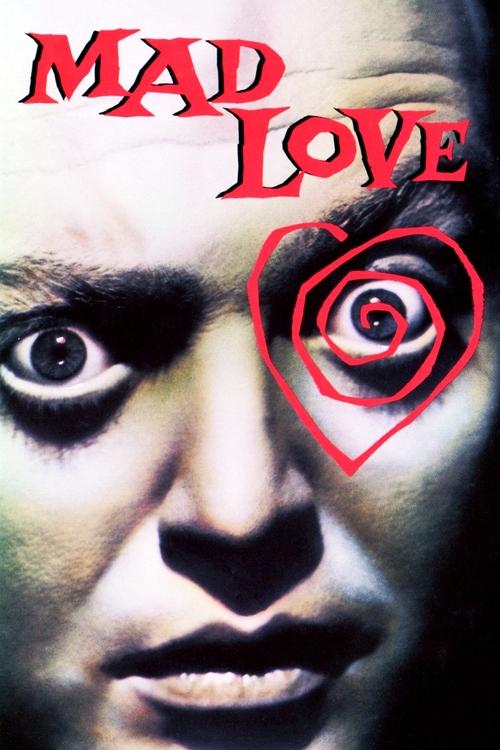
Mad Love1935
Peter Lorre as a pianist obsessed with a stage actress, driven to grotesque surgery to possess her. The same fever-dream logic and transgressive desire, executed with surgical precision and real dread.
But Slower and more genuinely disturbing. Less fun, more genuinely unsettling—which some find exhausting rather than thrilling.
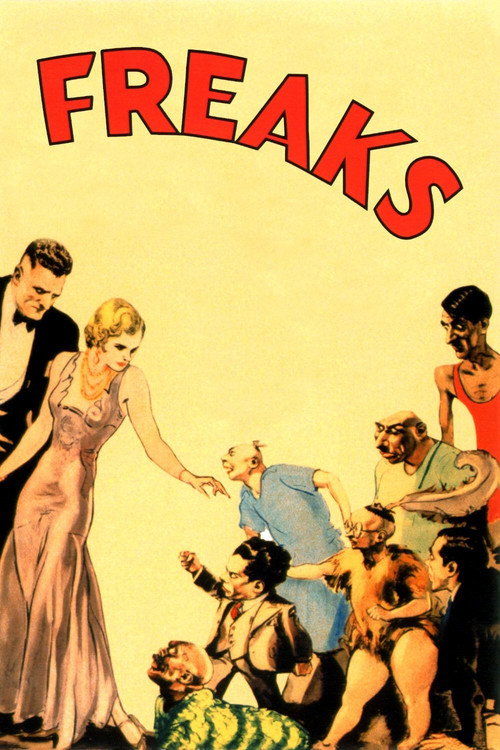
Freaks1932
Tod Browning's carnival nightmare where exploitation and empathy collide. Transgressive, morally complex, and utterly committed to its grotesque vision in ways that still unsettle.
But The framing story is clumsy and the pacing uneven. Some find the spectacle of real disabled performers exploitative regardless of intent.
Not sure tonight? Get a pick in a minute, starting from The Raven
The wildcard
Something you would not have found on your own.
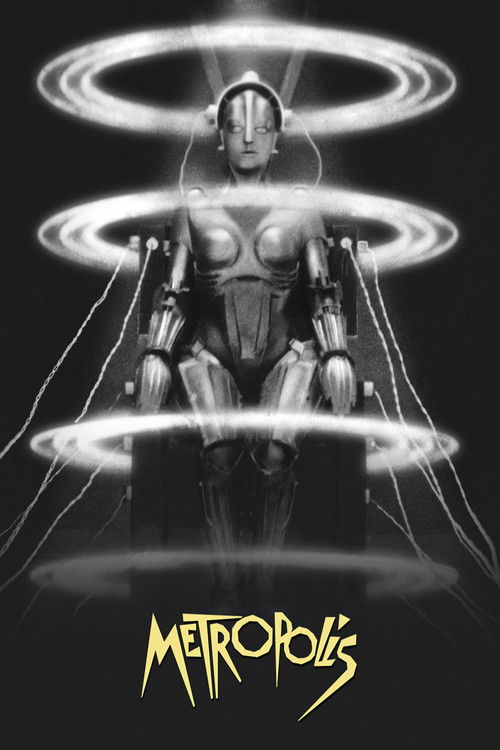
Metropolis1927
Both center on a brilliant man using advanced science to control and reshape human beings, viewing people as problems to be engineered rather than respected. The difference is scope—one is intimate nightmare, one is apocalyptic.
Fritz Lang's silent epic: a mad scientist creates a robot to infiltrate and destroy a worker's revolution. Same obsessive genius, same conviction that science without ethics becomes monstrosity, but operatic rather than claustrophobic.
But At over two hours, it requires real commitment. The restored versions are closer to intent but still involve significant reconstruction and occasional tonal lurches.
More like this (8)
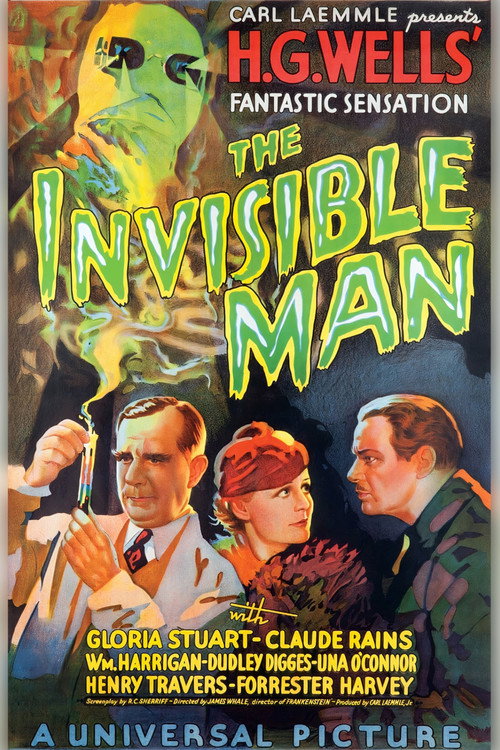
The Invisible Man1933
James Whale at full throttle: mad science, a protagonist descending into megalomaniacal cruelty, and a visual invention that hasn't aged. Terrifying and darkly funny in equal measure.
But The later sequences become almost slapstick. Some find the tonal shifts undercut the horror.
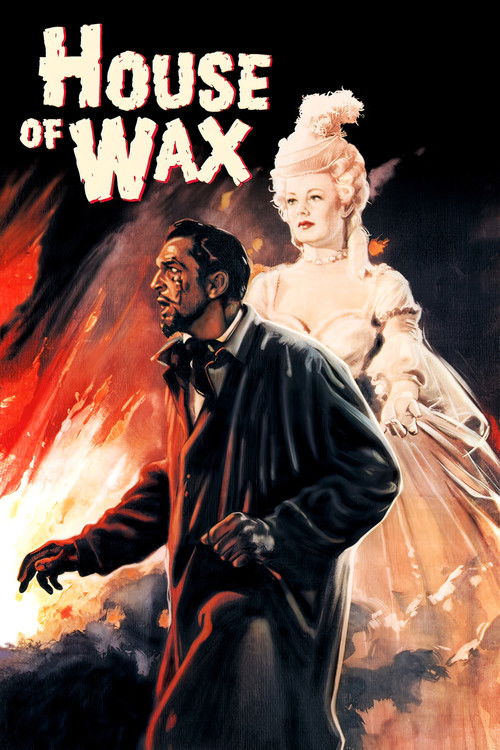
House of Wax1953
Vincent Price in the first color 3D horror film, playing a burned sculptor turning corpses into wax figures. Camp and craft working in perfect tandem, with genuine grotesquerie underneath.
But The 3D gimmickry dates it. Without that element, it feels slightly thin—a vehicle for Price rather than a fully realized world.
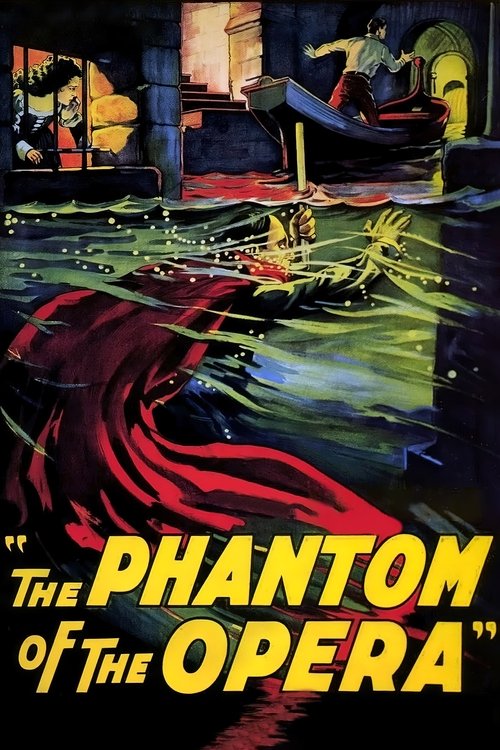
The Phantom of the Opera1925
Lon Chaney's silent masterpiece: obsession, disfigurement, and architectural grandeur. A direct ancestor of every mad genius lair film; see where it all began.
But Silent pacing requires patience. The intertitles can feel clunky to modern viewers trained on dialogue-driven narrative.
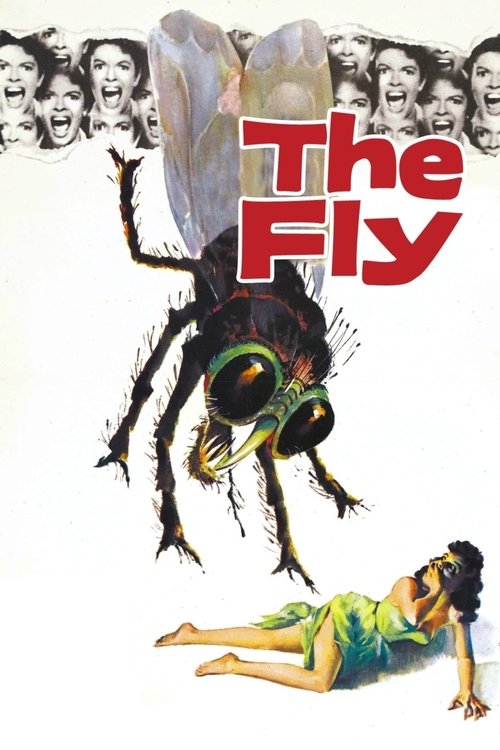
The Fly1958
A scientist becomes an insect through his own hubris. Body horror as metaphor, escalating tragedy, and Vincent Price watching it happen with dawning horror. Grotesque and genuinely sad.
But The practical effects, while creative, are dated and sometimes unconvincing. The final act asks you to sympathize with something repellent.
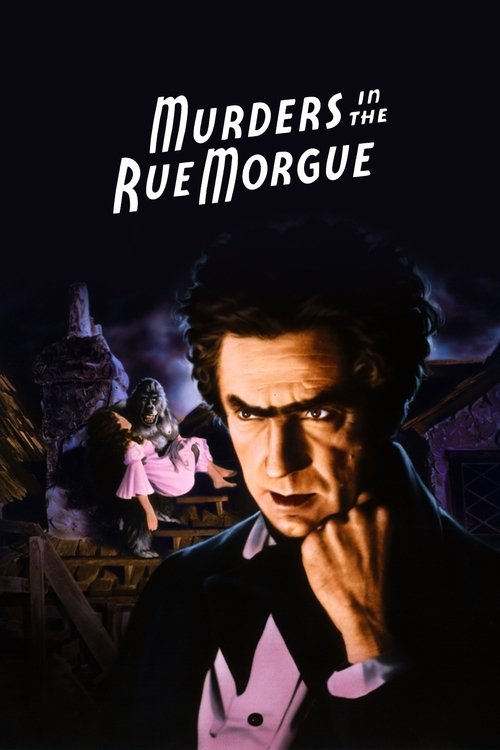
Murders in the Rue Morgue1932
Lugosi as a mad doctor controlling a chimpanzee for murder. Lugosi's theatrical excess in full flower, plus genuine suspense. A proto-slasher wrapped in Gothic melodrama.
But The animal cruelty implications are real and uncomfortable. The plot dissolves into chaos by the climax.
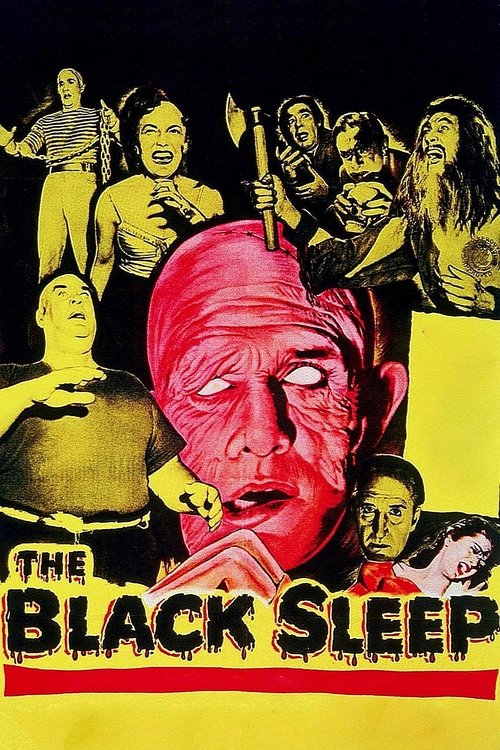
The Black Sleep1956
A neurosurgeon uses a drug to revive the dead and transplant brains. A carnival of old horror actors (Lugosi's final film, Lon Chaney Jr., Akim Tamiroff) doing mad science on a shoestring budget.
But It's shabby and threadbare, held together by nostalgia and the genuine enthusiasm of aging icons. The script is thin and the effects are threadbare.
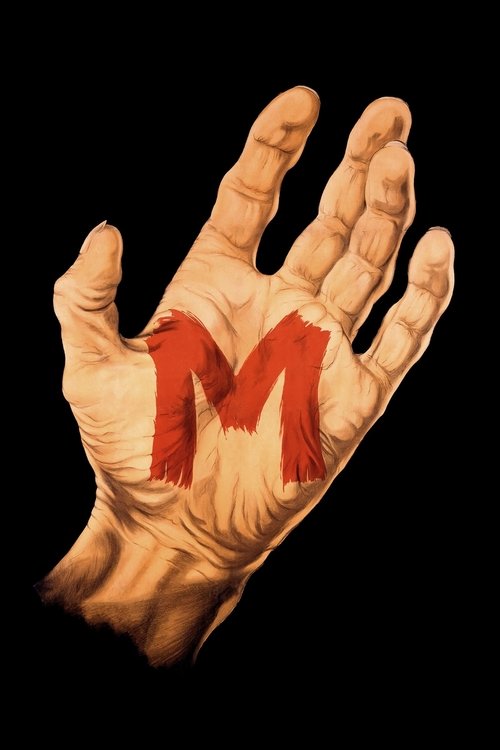
M1931
Both are about a brilliant, charismatic madman and the system's failed attempt to stop him. Raven indulges in Gothic fantasy; M insists on documentary realism. Same engine, opposite registers.
Fritz Lang's serial killer procedural: a psychopath hunts children, the underworld hunts him, and a city closes in. Psychological penetration and moral ambiguity that anticipates modern crime drama by decades.
But It's in German with subtitles. The pacing is glacial by modern standards—suspense built through conversation and mounting dread rather than action.
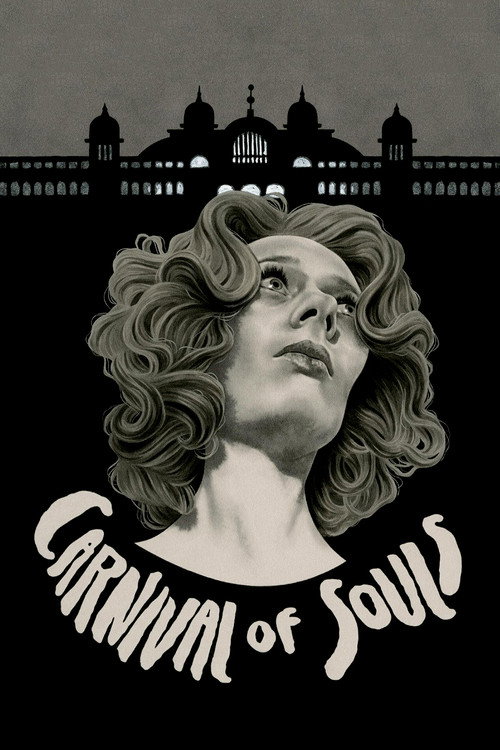
Carnival of Souls1962
Both are about a protagonist trapped in an isolated space that becomes increasingly surreal and nightmarish. But where Raven uses Gothic furniture and explicit cruelty, Carnival suggests horror through tone—a slow recognition that something is fundamentally wrong with reality itself.
A woman survives a car crash and slowly realizes she's seeing the world's true face—a place of decay and damned souls. Shot on a budget of almost nothing, it generates dread through atmosphere, performance, and the eerie clarity of digital restoration.
But It's deliberately strange and elliptical. The logic is dreamlike rather than narrative; some find it alienating rather than hypnotic.
People
Cast
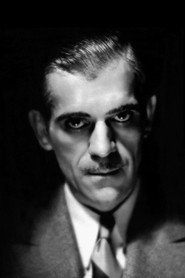 Boris KarloffEdmond Bateman
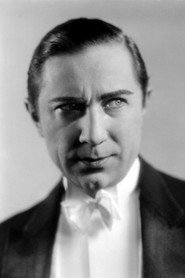 Bela LugosiDr. Richard Vollin
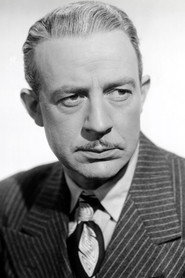 Lester MatthewsDr. Jerry Holden
 Irene WareJean Thatcher
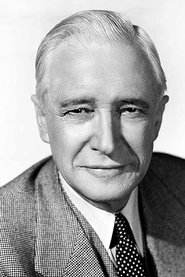 Samuel S. HindsJudge Thatcher
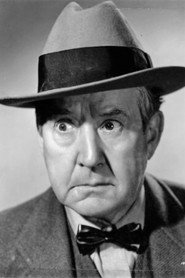 Spencer ChartersCol. Bertram Grant
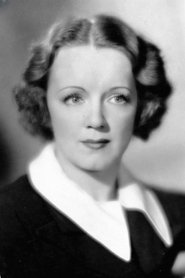 Inez CourtneyMary Burns
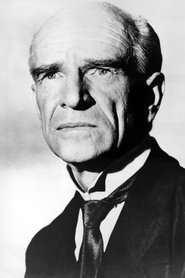 Ian WolfeGeoffrey 'Pinky' Burns
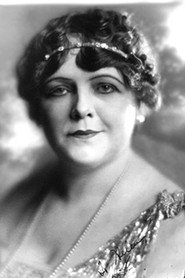 Maidel TurnerMrs. Grant
- Raine BennettPoe (uncredited)
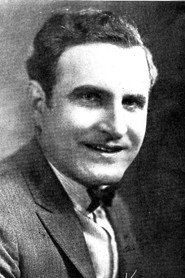 Al FergusonThe Crook (uncredited)
- Nina GoldenDancer (uncredited)
Directing
- Scott R. BealAssistant Director
- Victor NoerdlingerAssistant Director
- Lew LandersDirector
Writing
- David BoehmScreenplay
- Edgar Allan PoeShort Story
Production
- David DiamondAssociate Producer
- Stanley BergermanExecutive Producer
Recommended by
The Devil-Doll, Phantom of the Opera, The Black Room, The Man They Could Not Hang, The Corpse Vanishes, The Mummy's Hand, Lock Up Your Daughters, The Mad Doctor of Market Street, The Invisible Ray, The Vampire Bat