
Film
The Vampire Bat
A 1933 horror-thriller where mysterious deaths in a superstitious European village spark panic about vampires and bats. Fast, atmospheric, and delightfully creaky—it trades on genuine dread rather than gore, with Lionel Atwill commanding the screen. Perfect for anyone who loves old horror that still knows how to build a mood.
If you liked this
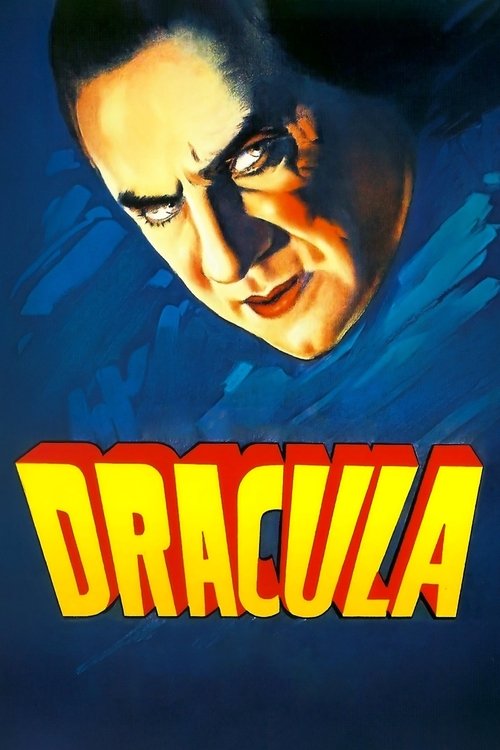
Dracula1931
Bela Lugosi's definitive performance in Tod Browning's masterpiece. Slow-burn atmosphere, unsettling silences, and a vampire that feels genuinely menacing. If you love '30s horror, this is the template.
But Glacial pacing and static camera work will test modern patience. Long stretches have almost no dialogue or movement.
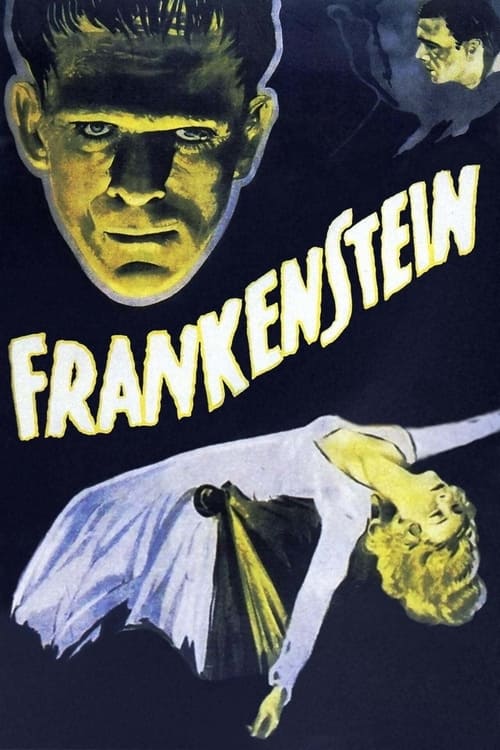
Frankenstein1931
James Whale's companion piece to Dracula: darker, faster, and funnier without trying to be. Boris Karloff's monster has more pathos than terror, but the Gothic atmosphere is electric.
But The tonal whiplash between horror and camp won't land if you're expecting consistent scares or a coherent narrative logic.
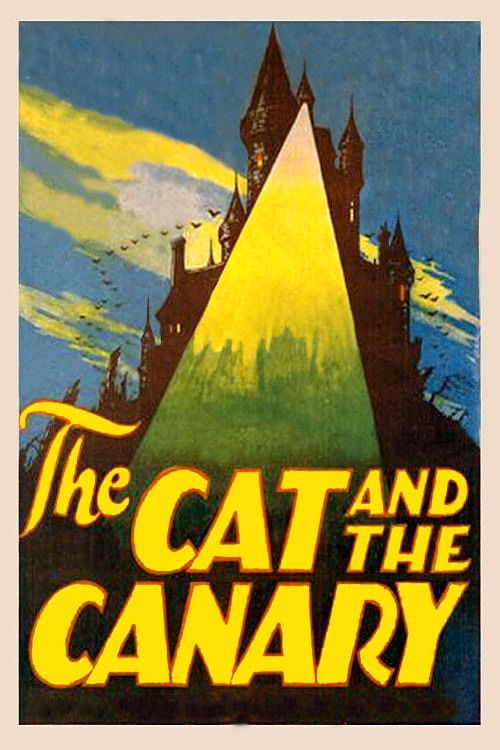
The Cat and the Canary1927
Paul Leni's silent masterpiece mixes horror, comedy, and genuine creepiness. Gorgeous set design and inventive camera work. Proof that old horror could be both smart and fun.
But Silent film and 1920s pacing demand attention. The comedy undercuts tension if you're wanting pure atmospheric dread.
Not sure tonight? Get a pick in a minute, starting from The Vampire Bat
The wildcard
Something you would not have found on your own.
M1931
Both are '30s European thrillers about paranoid towns turning on their own. Mob hysteria replaces vampires, but the engine is identical: innocent people accused, real danger obscured.
Fritz Lang's masterpiece about a city hunting a child murderer. Not supernatural horror—just the real kind. Suspense that grips like a fist, moral complexity, and Peter Lorre's haunted performance.
But German-language subtitled film, long runtime, and the subject matter is bleak and specific. Psychological rather than atmospheric.

More like this (8)
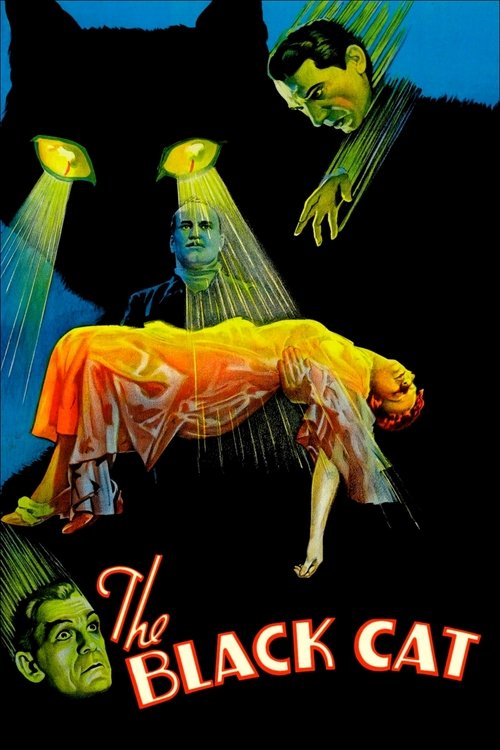
The Black Cat1934
Lugosi and Karloff face off in Ulmer's expressionist nightmare. Perverse, surreal, and visually stunning. One of the strangest horrors of the decade.
But The plot barely holds together and the content is genuinely disturbing. Highly stylised to the point of abstraction.
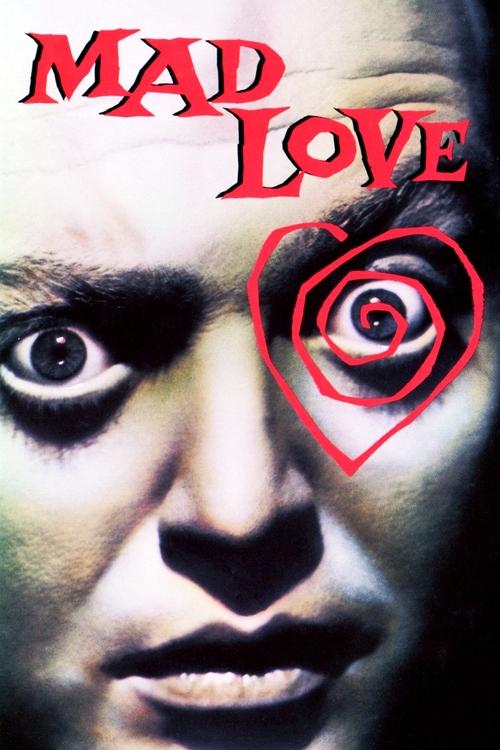
Mad Love1935
Peter Lorre's obsessive surgeon is tragic and terrifying. Slick direction, atmospheric Paris setting, and psychological horror that predates modern psycho-thrillers by decades.
But Melodramatic and uneven. The female lead is passive, and some plot turns feel contrived even for a '30s picture.
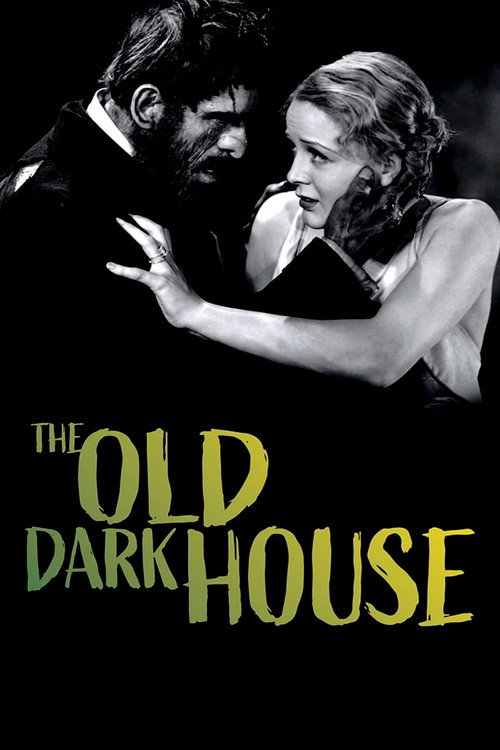
The Old Dark House1932
James Whale's comic-horror gem: stranded travellers, a creepy mansion, eccentric locals. Genuinely funny while maintaining an edge. Brisk and inventive.
But Comedy-horror can feel slight. If you want pure scares, this leans too hard into the laughs.
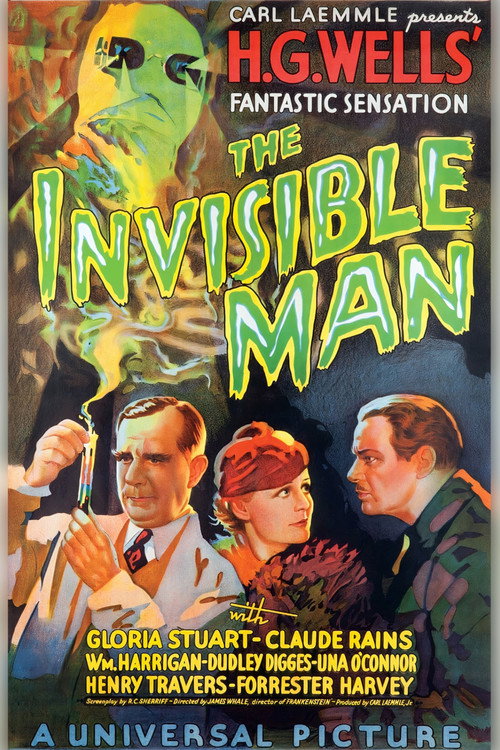
The Invisible Man1933
James Whale again, this time with Claude Rains as a scientist undone by his own discovery. Clever effects, sharp dialogue, and a protagonist you'd hate to meet.
But More science fiction than horror. The slapstick sequences jar against the darker material.
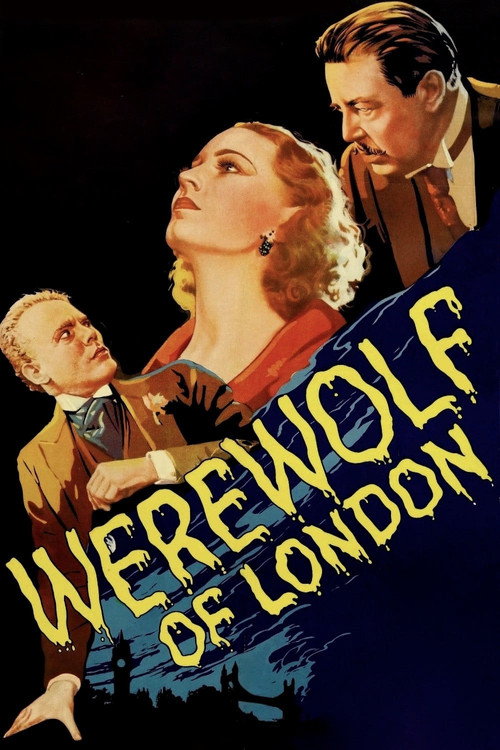
Werewolf of London1935
Henry Hull transforms into a werewolf in this early attempt to build a monster mythology. Eerie atmosphere and practical makeup that impresses even today.
But Slow middle section and dated effects. The transformation scenes are brief and the threat feels inconsistent.
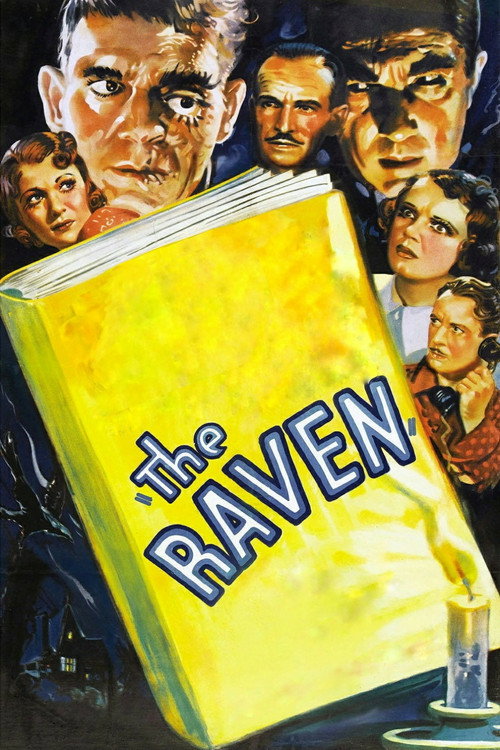
The Raven1935
Karloff and Lugosi in a dark house of horrors, loosely inspired by Poe. Grand guignol excess, torture devices, and genuine nastiness beneath the theatrical surface.
But Wildly uneven tone. Veers between campy melodrama and genuinely disturbing violence without settling on either.
Nosferatu1922
Direct spiritual ancestor to The Vampire Bat. Both use superstition and mob panic as their real horror. Murnau proved that suggestion and atmosphere beat spectacle.
F.W. Murnau's silent vampire film is the template that Dracula followed. Eerie, beautiful, and genuinely disturbing—shadows matter more than gore. Pure cinema.
But Silent film, 1920s pacing, and a plot that moves glacially by modern standards. No dialogue to clarify what's happening.

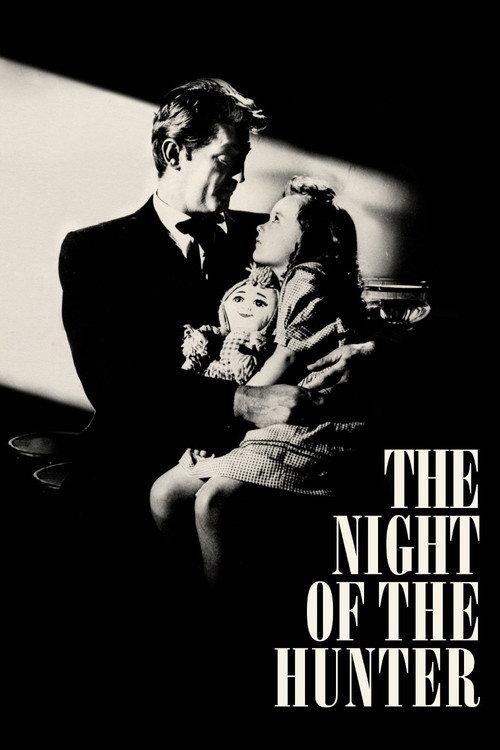
The Night of the Hunter1955
While 20 years later, it shares The Vampire Bat's obsession with superstition and fear in small towns, and the scapegoating that follows. But it's Gothic noir instead of Gothic horror—darker register, deeper cynicism.
Charles Laughton's only directorial effort is a fever dream of a film noir-horror hybrid. Robert Mitchum as a preacher-killer; visuals that feel hand-drawn; dread that never lifts. Utterly singular.
But Tonal and stylistic oddity that won't fit neatly into any genre box. Shot in black and white with deliberately artificial compositions. Some find it mannered.
People
Cast
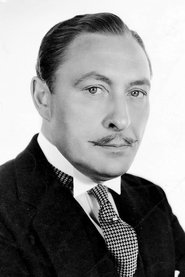 Lionel AtwillDr. Otto von Niemann
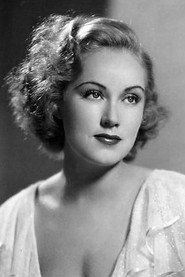 Fay WrayRuth Bertin
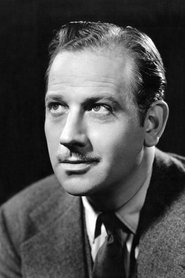 Melvyn DouglasKarl Brettschneider
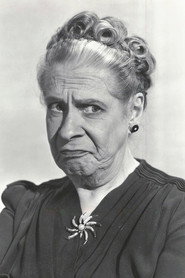 Maude EburneAunt Gussie Schnappmann
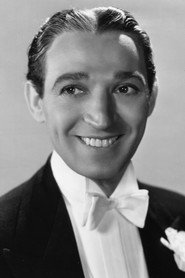 George E. StoneKringen
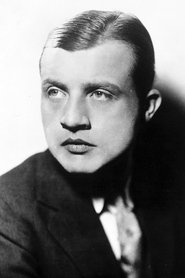 Dwight FryeHerman Gleib
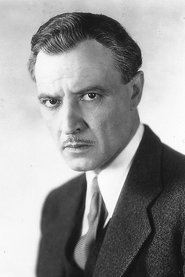 Robert FrazerEmil
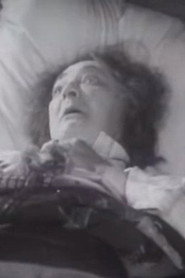 Rita CarlyleMartha
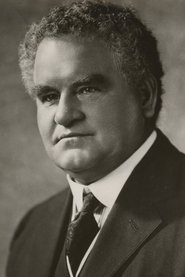 Lionel BelmoreBürgermeister Gustave Schoen
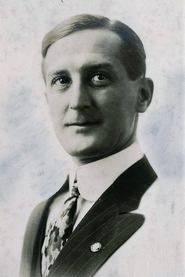 William V. MongSauer
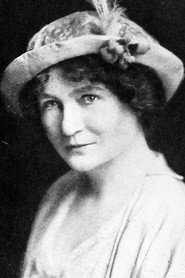 Stella AdamsGeorgiana
- Harrison GreeneWeingarten
Directing
- Frank R. StrayerDirector
Writing
- Edward T. Lowe Jr.Screenstory
- Edward T. Lowe Jr.Writer
Production
- Larry DarmourExecutive Producer
- Phil GoldstoneProducer