
Film
Werewolf of London
The first werewolf film, a 1935 Universal horror that treats its premise with atmospheric dread rather than camp. A botanist bitten by a Tibetan beast finds himself trapped between scientist and savage. It's moody and restrained, less interested in spectacle than in the quiet horror of losing control. For those who want their monsters thoughtful and their scares patient.
Should you watch it?
Watch it if you enjoy classic Universal-style horror, where the monster is a tragic outsider and the atmosphere of foggy laboratories and candlelit drawing rooms matters more than gore; it's a close cousin of the 1931 Frankenstein.
Skip it if you want modern scares or a tight, relentlessly paced thriller, since this 75-minute 1935 film moves at a gentle, stagey pace and its effects and dialogue show their age.
What it asks of you: Settle in for a brisk, compact hour and fifteen minutes of talky, old-fashioned storytelling, with patience for slow setups and theatrical acting rather than sustained suspense.
Not sure? Find tonight's pick in a minute.
If you liked this
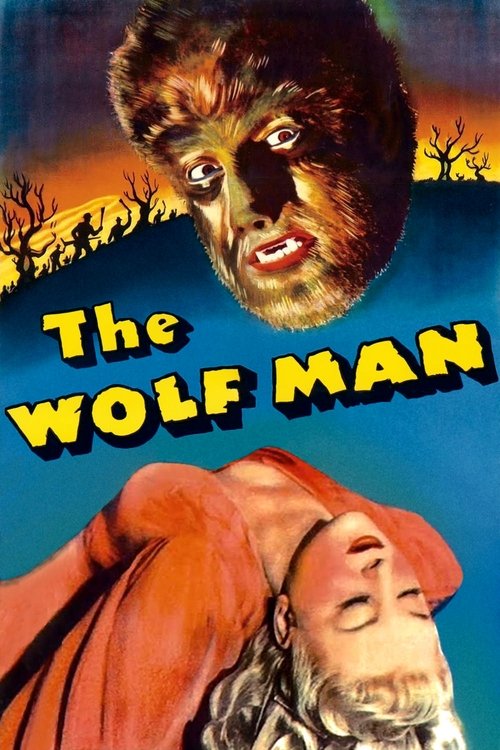
The Wolf Man1941
The spiritual successor that perfected the formula: sharper dialogue, stronger supporting cast, and Lon Chaney Jr.'s anguished performance. This is what Universal learned after Werewolf of London. Essential viewing.
But The makeup effects, while iconic, feel dated. The pace slows considerably in the middle act, and some plot logic doesn't survive scrutiny.
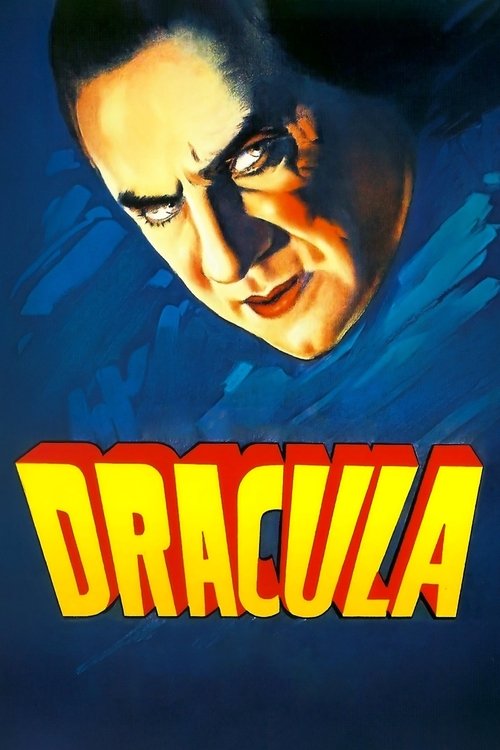
Dracula1931
Universal's breakthrough horror with Bela Lugosi. If you want to understand the DNA of classic monster cinema, this is where it starts. Tod Browning's direction is genuinely unsettling in ways many modern films aren't.
But It's extremely slow by modern standards. Long stretches of dialogue with minimal action. The theatrical acting style reads as mannered now.
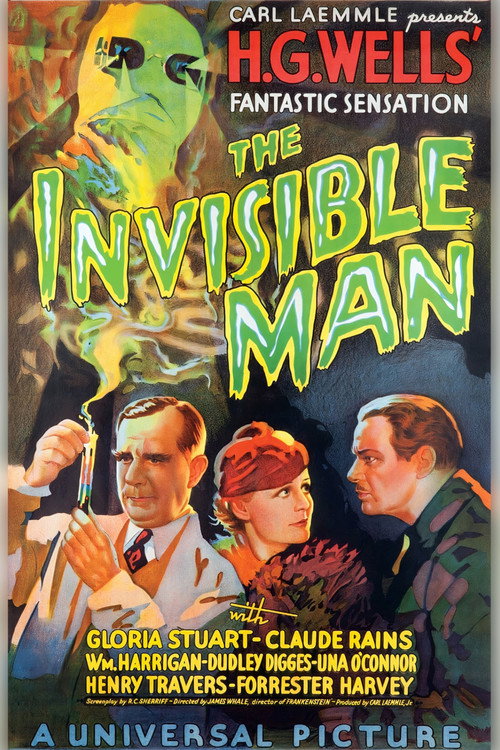
The Invisible Man1933
James Whale at the height of his powers, using invisibility as both spectacle and tragedy. The special effects are dazzling and the dark comedy is perfectly calibrated. A masterpiece of the Universal horror cycle.
But Claude Rains is invisible for most of the film, so you're following a voice and a silhouette. Some find that frustrating rather than clever.
Not sure tonight? Get a pick in a minute, starting from Werewolf of London
The wildcard
Something you would not have found on your own.
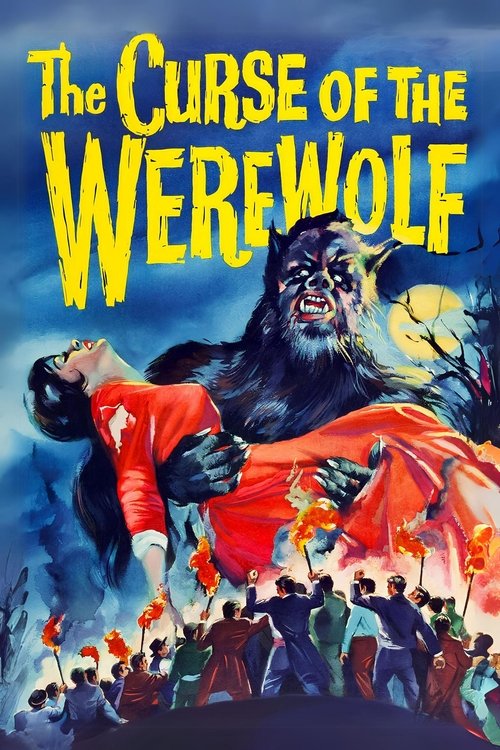
The Curse of the Werewolf1961
Both treat the werewolf curse as a disease of the soul rather than a monster story—the real horror is the loss of selfhood, not the fangs.
Hammer Films' take on lycanthropy, colored by Technicolor lushness and Spanish Gothic atmosphere. Oliver Reed's doomed performance is extraordinary—truly heartbreaking. It treats the curse as tragedy, not spectacle.
But Hammier in tone than Werewolf of London and much more sexually charged, which some find overwrought. The ending is brutally downbeat in ways that can feel nihilistic.
More like this (8)
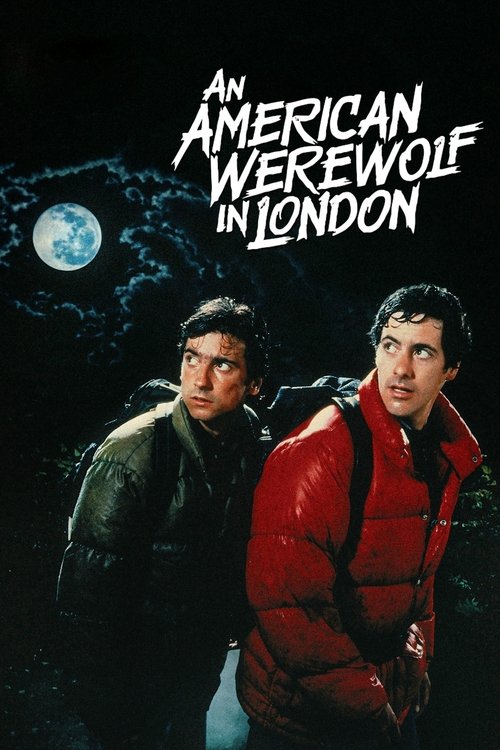
An American Werewolf in London1981
John Landis merges horror and comedy into something genuinely both. The transformation scene revolutionized practical effects, and the tonal balance—terror one moment, gallows humor the next—still feels fresh and daring.
But The mix of comedy and gore is deliberately jarring. If you want pure horror, the jokes undercut tension. If you want pure comedy, the violence is graphic and mean-spirited.
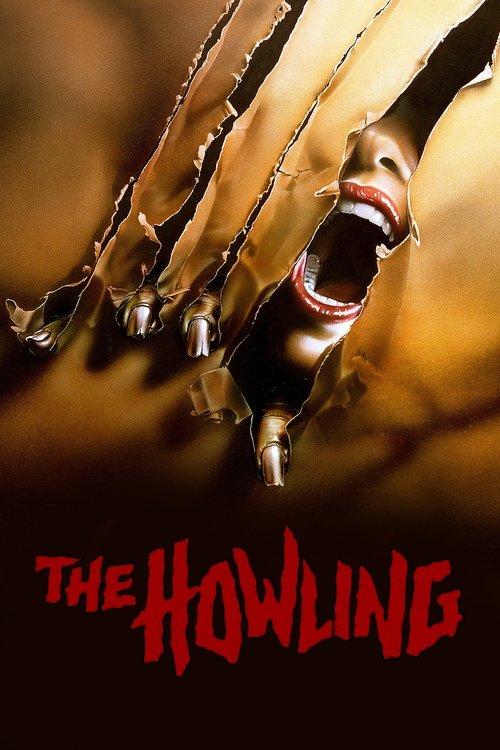
The Howling1981
A contemporary of American Werewolf that leans harder into action and B-movie fun. Rob Bottin's creature effects are inventive and grotesque. The film moves like a thriller and never apologizes for being entertaining trash.
But It's happily B-grade and that's the point—cheap dialogue, thin characters, plot holes everywhere. Not for anyone seeking substance or restraint.
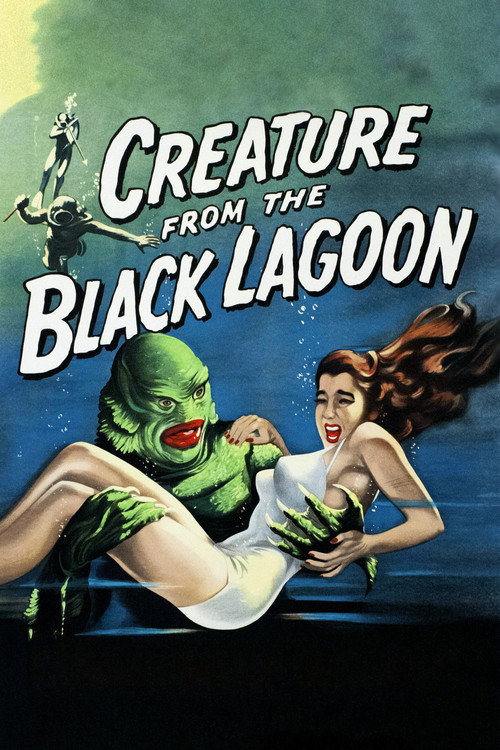
Creature from the Black Lagoon1954
Another Universal classic, this one a direct descendant of Werewolf of London's approach: horror through atmosphere and the sense of something unknowable in nature. Shot in 3D, it still feels genuinely eerie in the lagoon sequences.
But The leading lady exists only to scream and be rescued. The pacing is glacial by today's standards and the resolution is abrupt and unsatisfying.
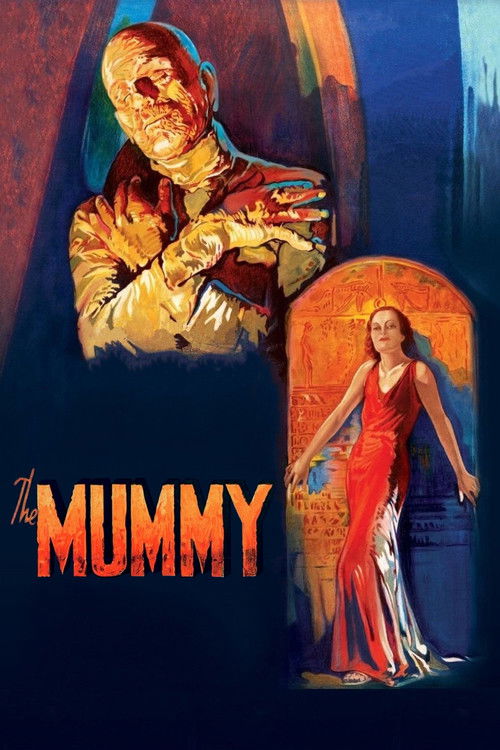
The Mummy1932
Boris Karloff gives a haunting performance as a being cursed by time itself. It's more about dread than action, with Karloff's face doing most of the work. A genuinely moving meditation on loss wrapped in a horror film.
But Nothing much happens in the traditional sense. It's atmosphere and performance over plot. Some stretches feel static and talky.
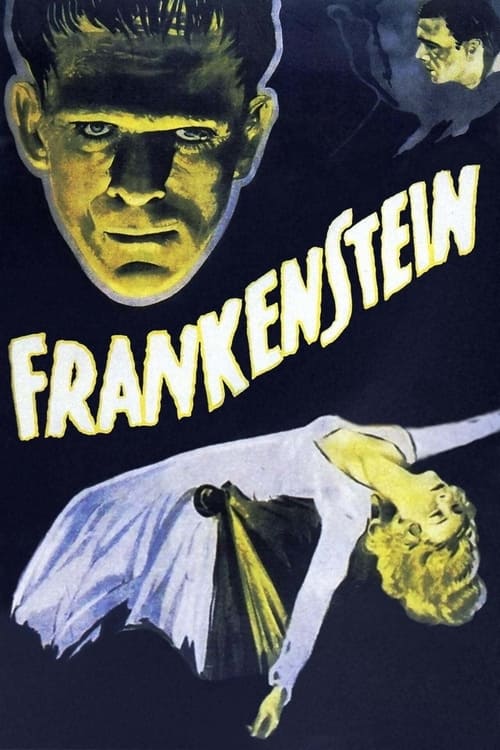
Frankenstein1931
The granddaddy of all monster movies, with James Whale and Boris Karloff inventing the language of modern horror. The creature's first scenes are genuinely heartbreaking. A perfect film by any era's standards.
But The second half is considerably weaker, turning into a chase film. Some sequences feel primitive even by 1931 standards, and the pacing stumbles.
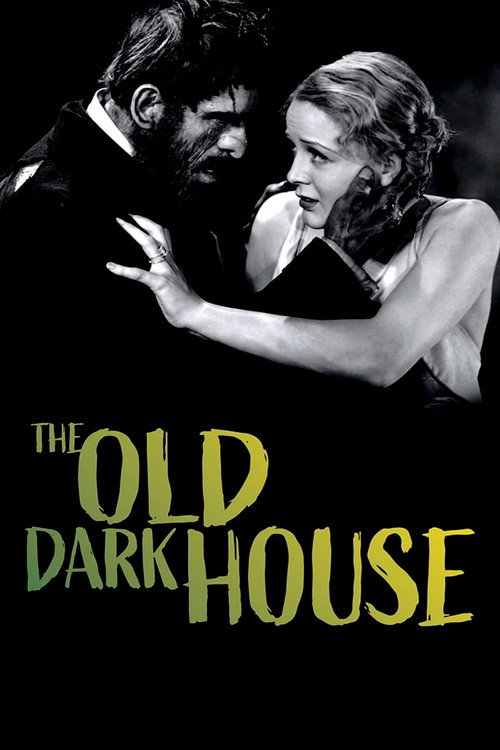
The Old Dark House1932
James Whale's strangest and funniest Universal film—more mystery-comedy than straight horror, with a houseful of weird characters and wonderful dialogue. It's baroque and unpredictable.
But It tonally all over the place, veering between genres without warning. Some find that charming; others find it indecisive and scattered.
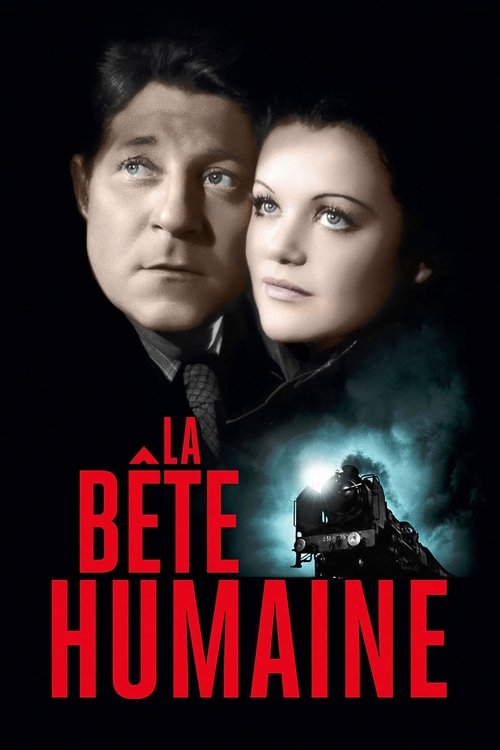
La Bête Humaine1938
Both explore the horror of an inherited, uncontrollable urge embedded in the body. Both ask what happens when science can't fix what nature instilled.
Jean Renoir's masterpiece: a man haunted by an inherited impulse to violence (his version of the werewolf curse). It's a profound meditation on fate and desire wrapped in a crime film. Sublimely acted, gorgeously shot.
But It's a French arthouse film from 1938, so expect subtitles, patient pacing, and psychological complexity over plot momentum. The ending offers no redemption or comfort.
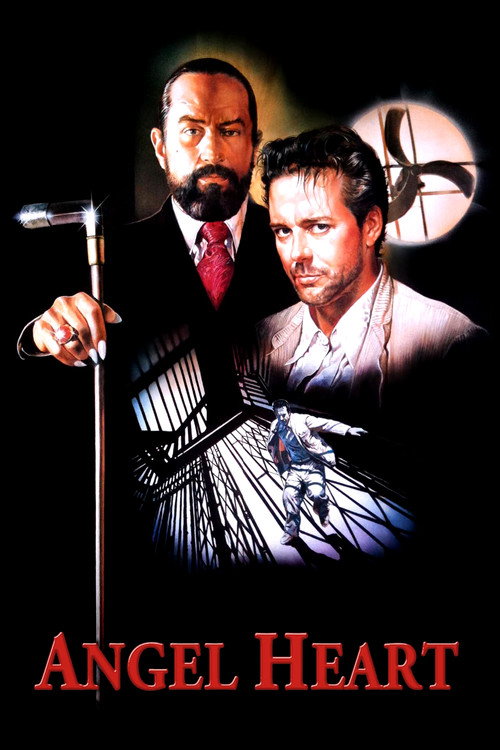
Angel Heart1987
Like Werewolf of London, it's about a man discovering something monstrous living inside him—and the question of whether the curse was external or always already there.
Alan Parker's baroque noir about a detective unraveling a mystery that becomes a descent into damnation. Mickey Rourke's paranoia is operatic and terrifying. It's gorgeously grotesque, wreathed in atmosphere and sin.
But It's deliberately convoluted and witholds information until a final twist. Some find that clever; others find it manipulative and pretentious. Contains graphic sexuality.
People
Cast
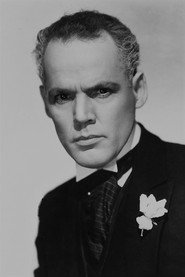 Henry HullDr. Wilfred Glendon
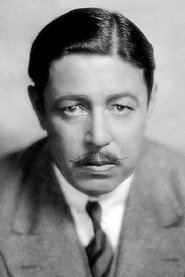 Warner OlandDr. Yogami
 Valerie HobsonLisa Glendon
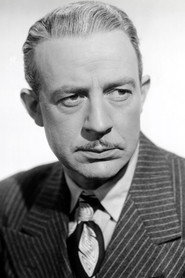 Lester MatthewsPaul Ames
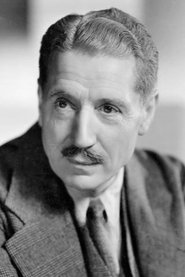 Lawrence GrantSir Thomas Forsythe
 Spring ByingtonEttie Coombes
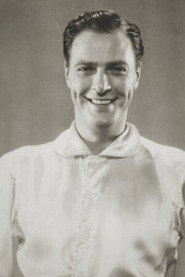 Clark WilliamsHugh Renwick
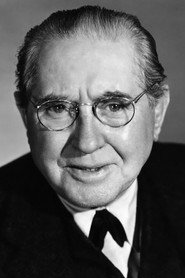 J.M. KerriganHawkins
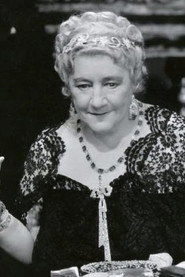 Charlotte GranvilleLady Forsythe
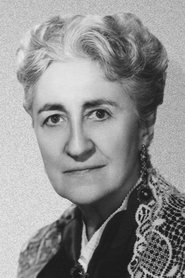 Ethel GriffiesMrs. Whack
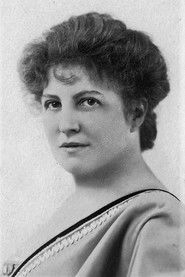 Zeffie TilburyMrs. Moncaster
- Jeanne BartlettDaisy
Directing
- Charles S. GouldAssistant Director
- Phil KarlsonAssistant Director
- Stuart WalkerDirector
Writing
- Harvey GatesAdaptation
- John ColtonScreenplay
- Robert HarrisStory
- Edmund PearsonWriter
Production
- Robert HarrisAssociate Producer
- Stanley BergermanExecutive Producer
- Billy MoritzProduction Secretary
- Muriel YoemansProduction Secretary
- Jean RaymondScript Researcher
Recommended by
The Curse of the Werewolf, The Black Cat, The Beast Must Die, Voodoo Woman, The Vampire Bat, Wolf