
Film
The Curse of the Werewolf
- Monster horror
- Fantasy
- Very dark
Hammer Films' lush, darkly sensual werewolf tragedy traces a cursed child from conception through devastating transformation. Gorgeously shot in Technicolor, it's less monster-on-the-loose than character study of inevitable monstrosity—a Gothic nightmare that takes its own absurdity seriously. For fans of tragedy wearing fur and fangs.
Should you watch it?
Watch it if you love slow-burning gothic horror where mood and a pitiable outsider matter more than the monster, the sort of Hammer-era film that lingers in the mind.
Skip it if you want quick scares or a modern pace, since this creeps along with long stretches of brooding talk and dated 1961 effects that show their age.
What it asks of you: Ninety-three minutes of patient, shadowy build-up with tension released in sparse bursts, and it asks you to sit with melancholy rather than wait for jolts.
Not sure? Find tonight's pick in a minute.
If you liked this
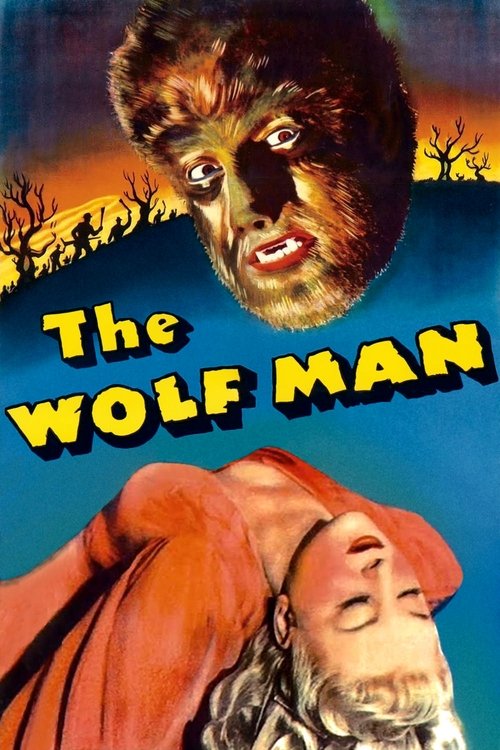
The Wolf Man1941
The template Hammer was riffing on: Universal's melancholic original about a man helpless against his own nature. Essential viewing to understand what *Curse* was building on and how differently it approached the same curse.
But It's slower-paced than modern horror, and the special effects—while groundbreaking then—show their age. The first half is very much a 1940s village drama.
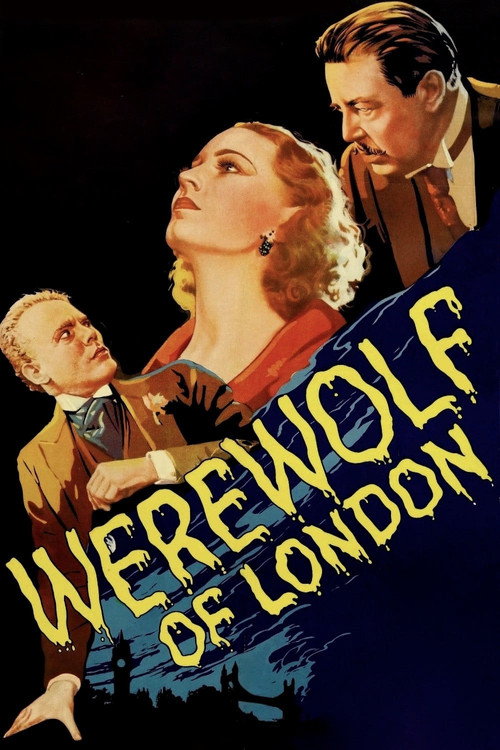
Werewolf of London1935
Another Universal classic that got there first, with Henry Hull as a tormented academic. Pioneered the transformation sequences that would haunt werewolf cinema. Spooky and genuinely strange rather than action-driven.
But Even more deliberately paced than *Wolf Man*. The werewolf design is weird rather than menacing, which some find charming and others find unintentionally funny.
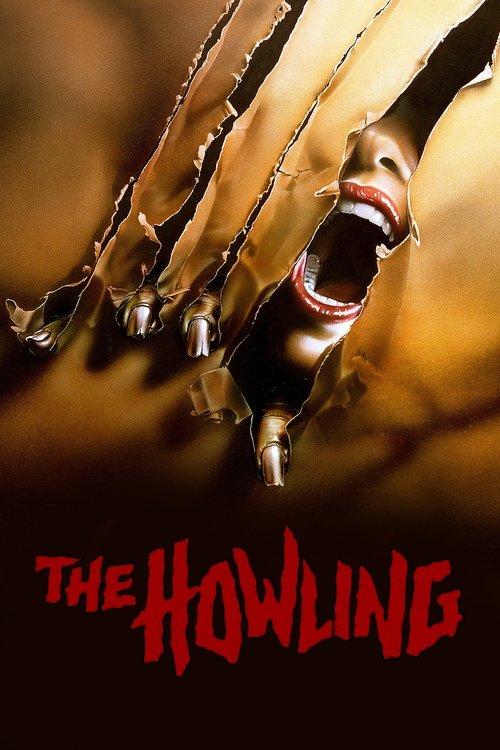
The Howling1981
Rob Bottin's practical effects are extraordinary, and the film understands werewolf mythology as a metaphor for dangerous sexuality and cult manipulation. Nasty, clever, and visually inventive in ways that still astonish.
But It's funnier and more satirical than tragic, which completely changes the emotional register. Gore-forward in a way that dates it differently than *Curse* does.
Not sure tonight? Get a pick in a minute, starting from The Curse of the Werewolf
The wildcard
Something you would not have found on your own.
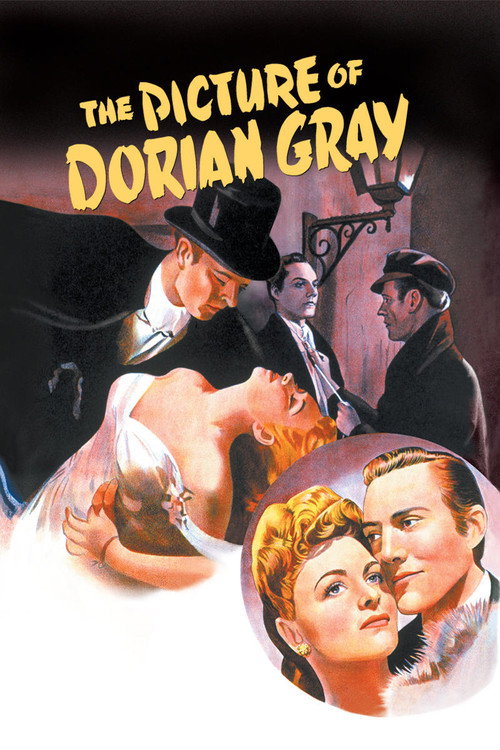
The Picture of Dorian Gray1945
Both are tragedies about the distance between what someone appears to be and what they become, told with supreme visual elegance as a kind of punishment for beauty.
Not a monster film at all, but structurally it's *Curse*'s true twin: both track the visible corruption of an innocent into something monstrous, both ask whether the monster was always there or if corruption creates it. Both are about beauty consuming itself.
But It's a psychological drama about aesthetics and morality, not a horror film at all. If you want scares or action, you'll find none. It's glacially paced by design.
More like this (5)
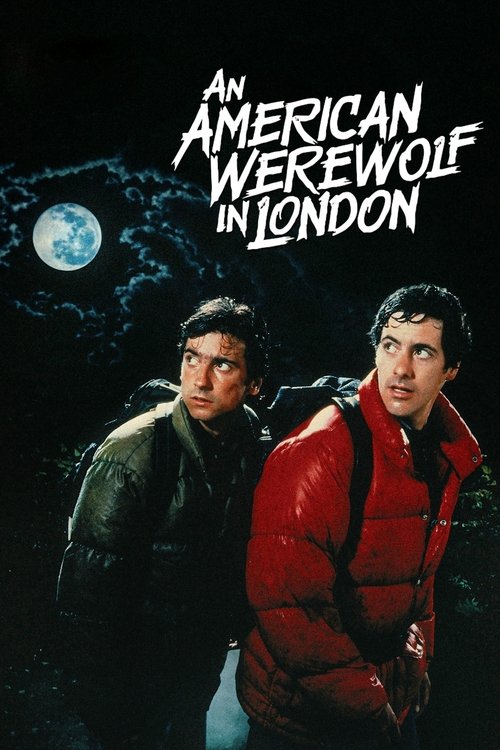
An American Werewolf in London1981
Balances horror, comedy, and genuine tragedy; the transformation sequence is still the gold standard. Rick Baker's effects pioneered techniques that defined the decade. It trusts the audience to feel multiple things at once.
But The humor doesn't always land—some bits feel dated, and the tonal whiplash that works brilliantly for some viewers feels jarring for others. It's almost a different film in each act.
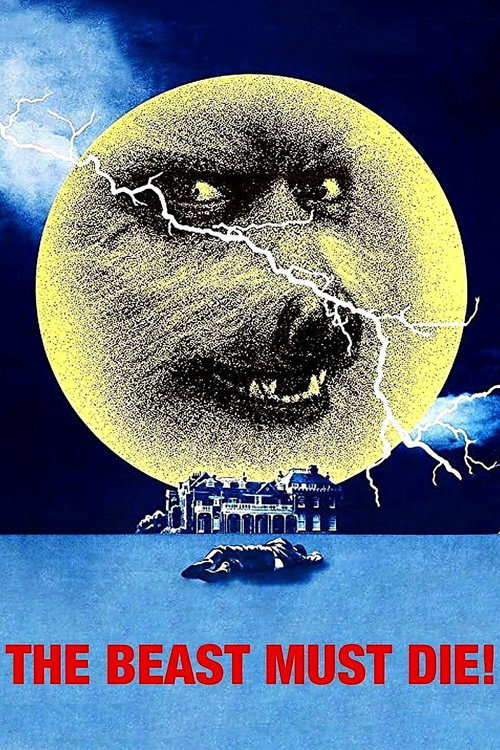
The Beast Must Die1974
Hammer's own later werewolf film, a murder-mystery hybrid that leans into the paranoia and elegance of their Gothic house style. Peter Cushing, Oliver Reed's contemporary, brings intellectual menace to the proceedings.
But It's more of a whodunit than a horror film; if you want scares, this is puzzles in evening dress instead. Deliberately restrained in the monster moments.
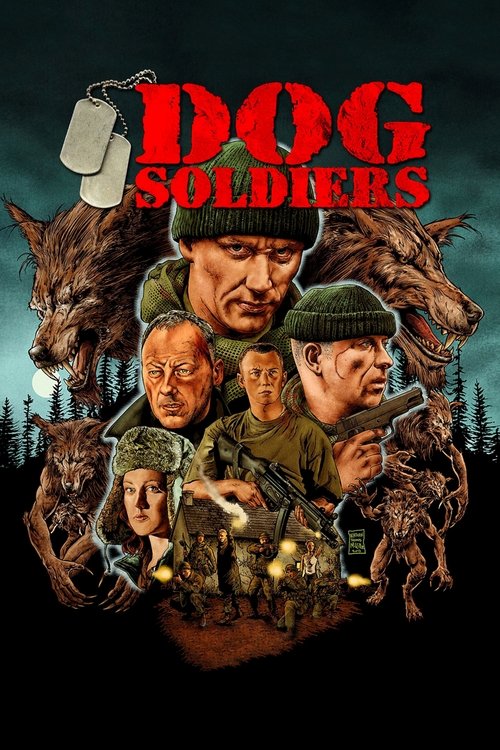
Dog Soldiers2002
A werewolf film that's actually about something—soldiers forced to confront what they're capable of. Visceral, tense, and remarkably thoughtful about violence and brotherhood. Made on a shoestring but punches far above its weight.
But It's relentlessly grim and military-heavy; if you're watching for Gothic atmosphere rather than survival horror, the tone is completely different from *Curse*.
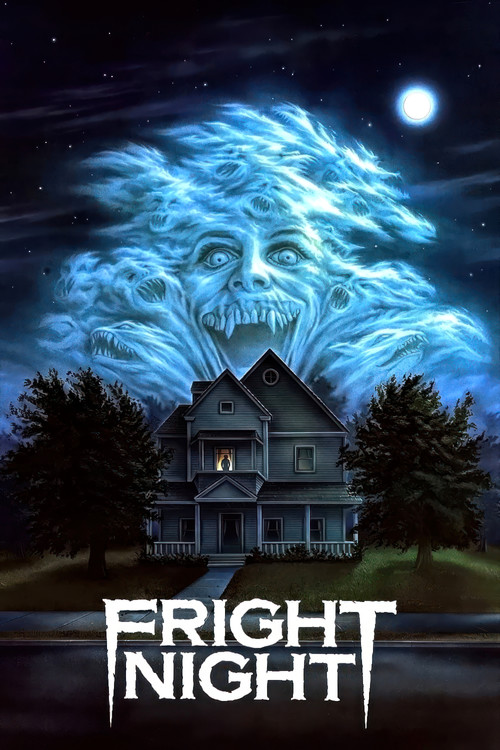
Fright Night1985
A vampire film that captures that same Hammer sensibility in a modern setting—elegant menace, real stakes, genuine scares wrapped in Gothic atmosphere. Tom Holland's everyman against Chris Sarandon's urbane predator is perfectly matched.
But It's more of an action thriller than a tragic character study. The tone is lighter, more focused on the hunting and the spectacle than on philosophical inevitability.
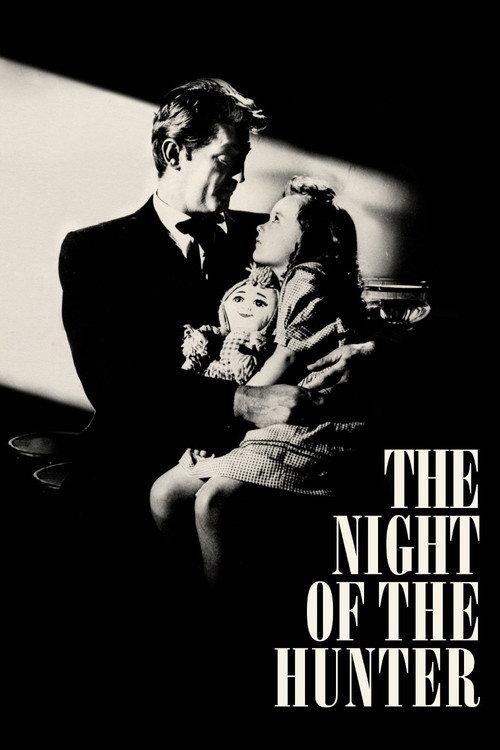
The Night of the Hunter1955
Both are about evil circling innocence with the weight of inevitability; both use visual language—expressionist shadows and Technicolor Gothic—to make the internal external, and both treat their own genre conventions as secondary to mood.
Charles Laughton's sole directorial effort is a fever-dream thriller about innocence stalked by evil, shot in expressionist black-and-white that feels like a nightmare given form. It captures the same dread-soaked inevitability that *Curse* does.
But It's a psychological thriller, not a monster film, and it's oblique and poetic where horror is usually explicit. The pacing is hypnotic rather than propulsive, and some find it slow.
People
Cast
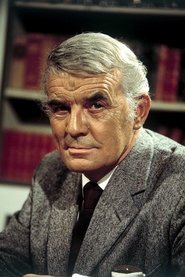 Clifford EvansDon Alfredo Corledo
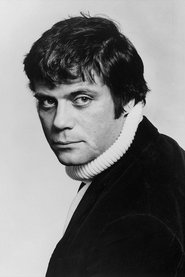 Oliver ReedLeon Corledo
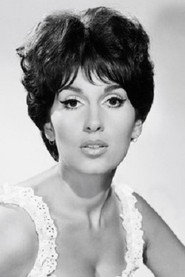 Yvonne RomainServant Girl
- Catherine FellerCristina
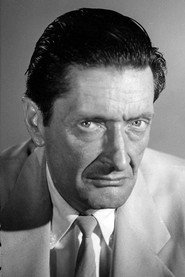 Anthony DawsonThe Marques Siniestro
- Josephine LlewellynThe Marquesa
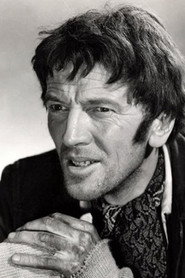 Richard WordsworthThe Beggar
- Hira TalfreyTeresa
- Justin WaltersYoung Leon
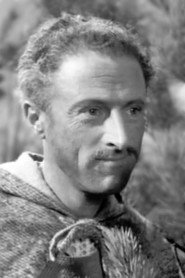 John GabrielThe Priest
 Warren MitchellPepe Valiente
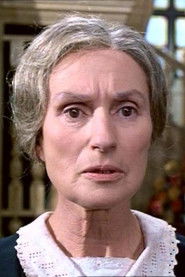 Anne BlakeRosa Valiente
Directing
- Terence FisherDirector
Writing
- Guy EndoreNovel
- Anthony HindsScreenplay
Production
- Anthony Nelson KeysAssociate Producer
- Michael CarrerasExecutive Producer
- Anthony HindsProducer
- Clifford ParkesProduction Manager
Recommended by
The Company of Wolves, The Wolf Man, Jack the Ripper: London's Most Notorious Killer, The Wolfman, Werewolf of London, The Phantom of the Opera, Werewolf, Pumpkinhead, The Two Faces of Dr. Jekyll, Dracula: Prince of Darkness, The Alligator People, The Hollow, Island of Terror, The Ghost of Frankenstein, Bud Abbott and Lou Costello Meet the Invisible Man, Cursed