
Film
The Two Faces of Dr. Jekyll
Terence Fisher's 1960 reimagining strips away the Victorian morality play to ask: what if Hyde was actually the fun one? Paul Massie plays Jekyll as an insufferable prig and Hyde as a charismatic libertine who steals every scene. It's a clever inversion shot in vivid Technicolor, treating the story as erotic horror rather than cautionary tale. For fans of pulp science fiction who like their horror psychologically strange.
If you liked this
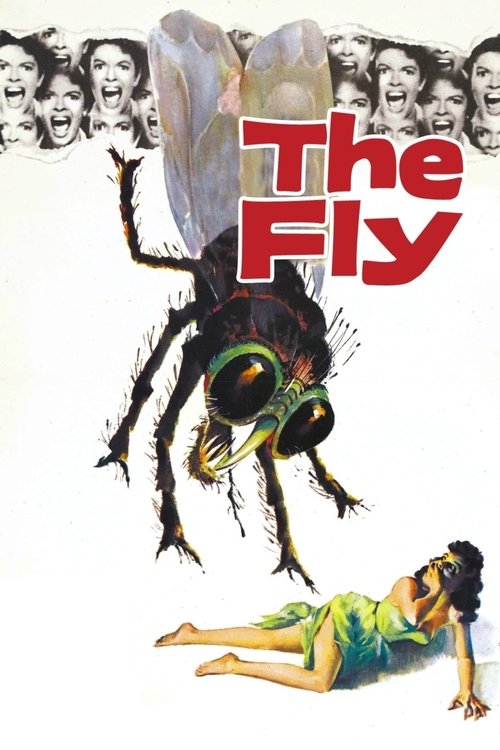
The Fly1958
A transformation horror masterpiece where body horror emerges from genuine scientific ambition. Like Jekyll, it uses a scientific experiment as the hinge for exploring what we become when we lose control of ourselves. Gripping and disturbing.
But The practical effects, while groundbreaking, have aged in ways that can feel more tragic than scary to modern eyes. Pacing drags in places.
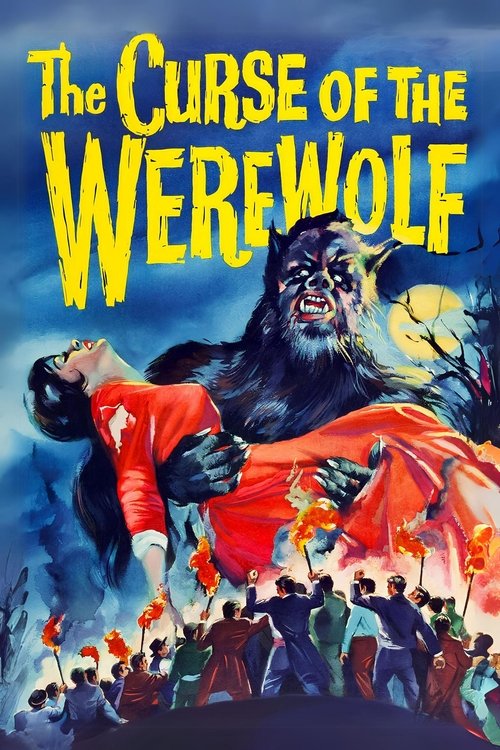
The Curse of the Werewolf1961
Hammer again, exploring the duality between man and beast with genuine tragedy. Oliver Reed's transformation scenes are as visually inventive as Massie's Jekyll-to-Hyde shift, and the moral weight of uncontrolled impulse runs deep.
But The middle hour meanders through backstory before the horror really kicks in. Slower burn than you might want.
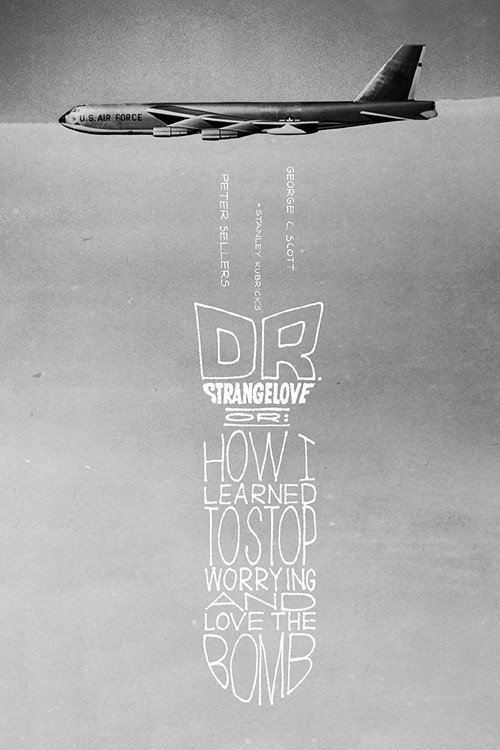
Dr. Strangelove or: How I Learned to Stop Worrying and Love the Bomb1964
Dark comedy about a man with multiple warring personalities controlling the fate of the world. Like Jekyll, it uses a split self as a lens for examining power, desire, and the mask of respectability. Brilliant and acidic.
But It's satire, not horror—a completely different register. Some of the political specifics feel dated now, though the ideas hold.
Not sure tonight? Get a pick in a minute, starting from The Two Faces of Dr. Jekyll
The wildcard
Something you would not have found on your own.
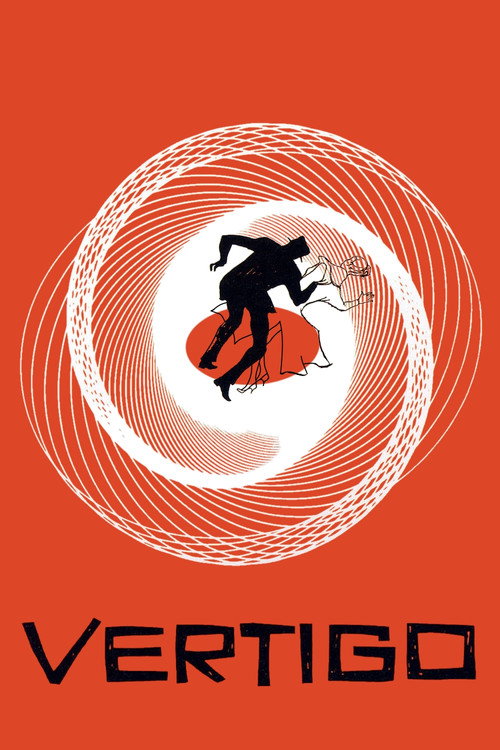
Vertigo1958
Both use a split or fractured identity as a mirror for desire and control; both suggest the darker self is more magnetic than the respectable version.
Hitchcock's masterpiece about a man obsessed with recreating a woman into a fantasy version of herself—a kind of psychological Jekyll-and-Hyde where he's both scientist and monster. The duality here is erotic, vertiginous, and morally sickening in ways that match this film's inversion of the original story.
But It's glacially paced by modern standards, and the gender politics, while fascinating, are deeply misogynistic. Requires patience and critical distance.
More like this (7)
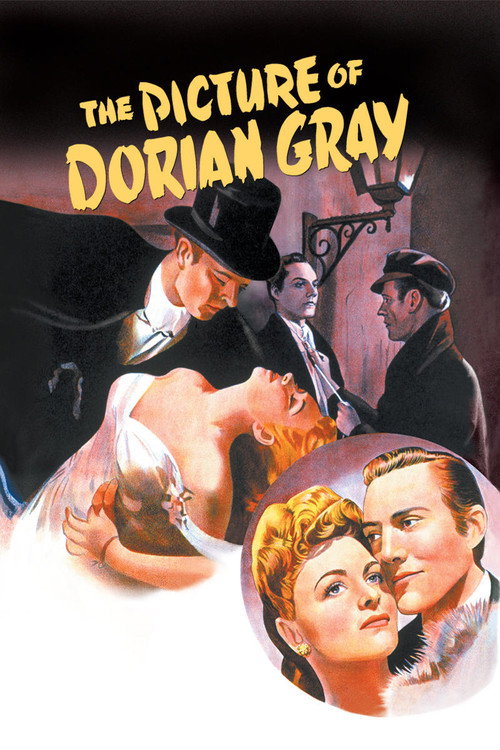
The Picture of Dorian Gray1945
Another exploration of hidden vice and public virtue, where the real horror is moral corruption made visible. The Technicolor sequences are genuinely unsettling, and the philosophical dread matches what makes Jekyll work.
But More psychological than visceral. The pacing is deliberate, and it's more interested in atmosphere than plot momentum.
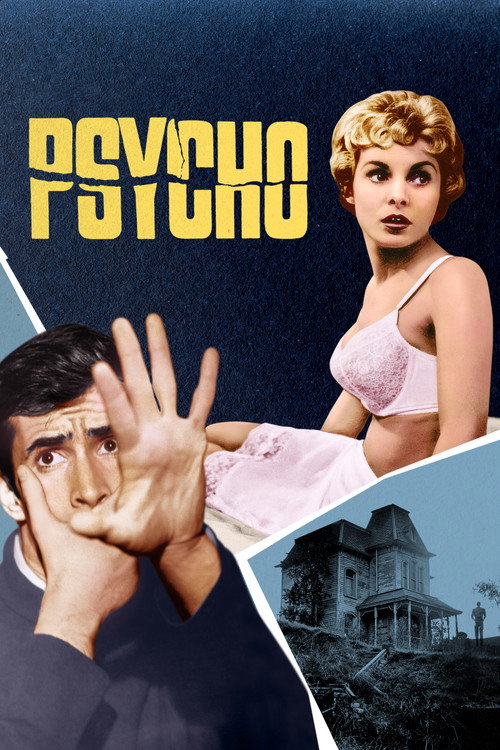
Psycho1960
Released the same year, also about fractured identity and the mask of normalcy. Hitchcock's approach is tighter and crueler, but both films are obsessed with the terror of what lurks beneath respectability. Essential foundation.
But The shower scene casts such a long shadow that everything else can feel like it's living in its aftermath. Noir pacing may feel slow if you're used to modern thrillers.
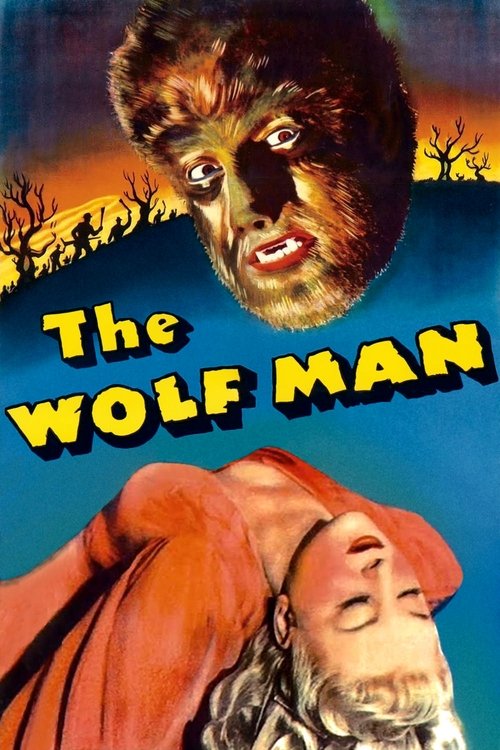
The Wolf Man1941
The foundational text for transformation horror. It treats Hyde's problem—unwanted metamorphosis into a monster—with genuine sympathy. The period detail and practical makeup work influenced everything that came after, including this film.
But It's a Universal monster movie: more creaky and theatrical than scary by modern standards. The script leans on explanation where it could build dread.
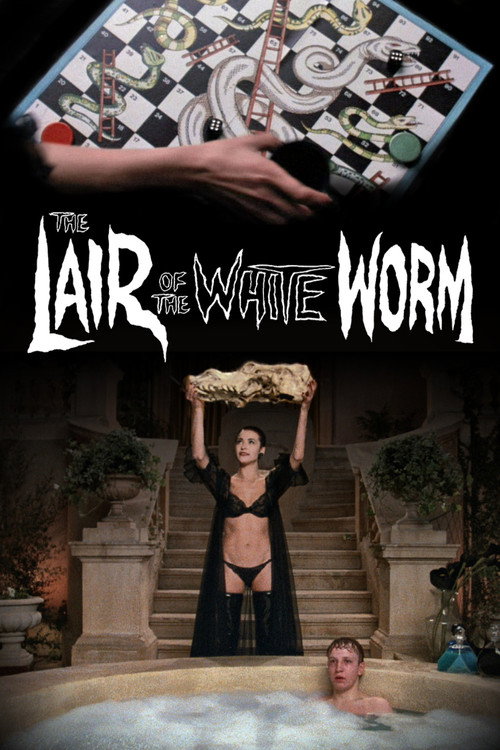
The Lair of the White Worm1988
Ken Russell's fever dream takes the Jekyll duality and explodes it into camp horror excess. Like this film, it revels in the idea that the dark self is more alive, more sexual, more *interesting* than the respectable mask. Gloriously unhinged.
But Russell's maximalism will exhaust you if you're not in the mood for it. It's aggressively weird in ways that feel purposefully alienating.
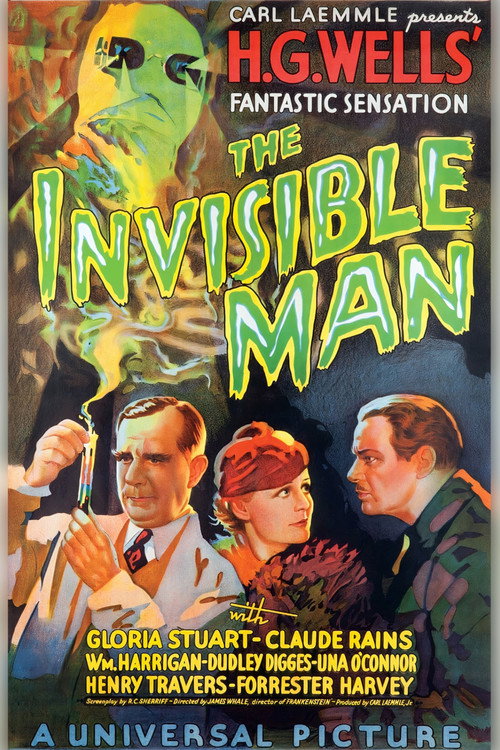
The Invisible Man1933
Universal's meditation on power and anonymity—what happens when a man can act without consequence? It shares Jekyll's fascination with a hidden self unleashed, though it approaches the question through invisibility rather than transformation.
But Very of its era in pacing and style. The camp elements can overshadow the genuine creepiness if you're watching without context.
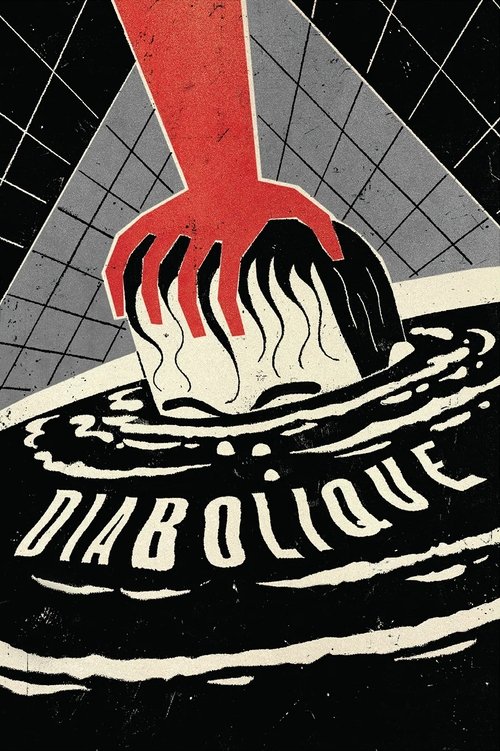
Diabolique1955
Both treat horror as a problem of appearance versus reality, where the true monster is more sophisticated and charming than expected.
A French-Italian horror film about deception, desire, and what happens when you try to kill someone who won't stay dead. Like Jekyll, it's fascinated by the theatre of respectability and the violence underneath. The final image is as disturbing as anything in this film.
But The pacing is European slow-burn. If you need constant momentum, it will feel stalled. Some viewers find the twist ending frustrating rather than revelatory.
The Servant1963
Both explore duality through class and respectability; both suggest that the mask-wearer and the monster are the same person, and that recognition is what makes it truly horrifying.
Joseph Losey's film about a master and servant whose relationship metastasizes into something dark and sexually charged. Like Jekyll, it's about class, power, and the way propriety masks predatory impulses. Dirk Bogarde gives one of cinema's great performances as barely-suppressed chaos in a suit.
But It's a psychological chamber piece, not a horror film—elliptical and suggestive rather than explicit. The ambiguity will frustrate if you need clear answers.

People
Cast
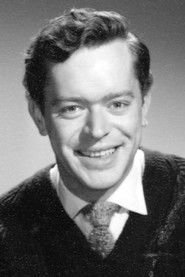 Paul MassieDr. Jekyll / Mr. Hyde
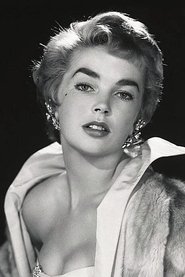 Dawn AddamsKitty Jekyll
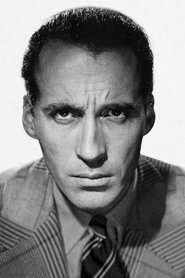 Christopher LeePaul Allen
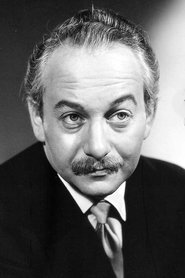 David KossoffDr. Littauer
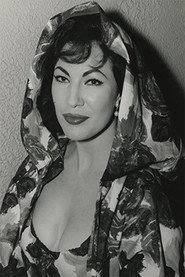 Norma MarlaMaria
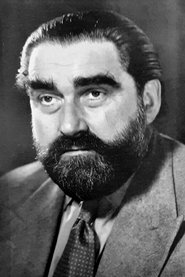 Francis de WolffInspector
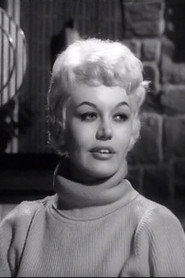 Joy WebsterJenny
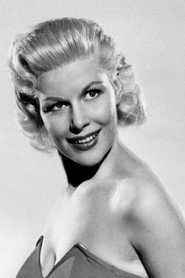 Magda MillerSphinx Girl (uncredited)
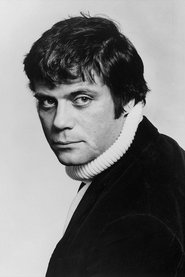 Oliver ReedNightclub Bouncer (uncredited)
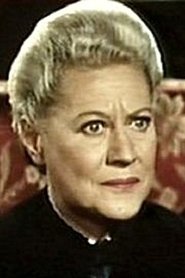 Helen GossNanny (uncredited)
- Arthur LovegroveCabby (uncredited)
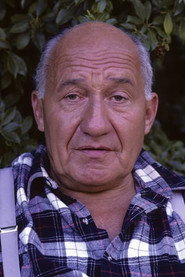 Walter GotellHeverton - Second Gambler (uncredited)
Directing
- Terence FisherDirector
Writing
- Robert Louis StevensonNovel
- Wolf MankowitzScreenplay
Production
- Anthony Nelson KeysAssociate Producer
- Michael CarrerasProducer
- Clifford ParkesProduction Manager