
Film
Frankenstein Must Be Destroyed
- Monster horror
- Science fiction
- Very dark
Hammer's final Frankenstein film strips away Gothic castles for grimy 1960s realism. Peter Cushing's Baron is now a calculating sociopath, coercing victims into complicity while pursuing brain transplant horror. It's nasty, claustrophobic, and genuinely unsettling—less about monsters than about the casual cruelty of the powerful. For those who want their horror grounded and morally queasy.
If you liked this
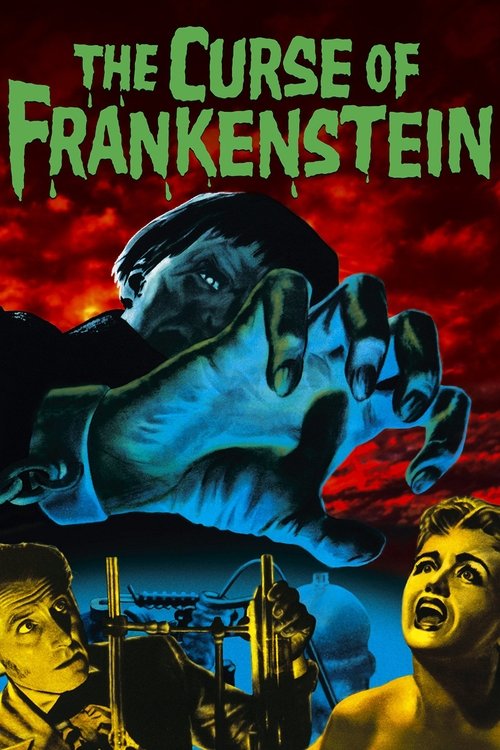
The Curse of Frankenstein1957
Cushing's first outing as the Baron: elegant, aristocratic, utterly ruthless. Sets the template Hammer would refine across five films. A masterclass in gothic horror that still holds its power.
But Technicolor and theatrical pacing feel distant now. If you need visceral realism over atmosphere, the earlier Hammer style may feel theatrical.
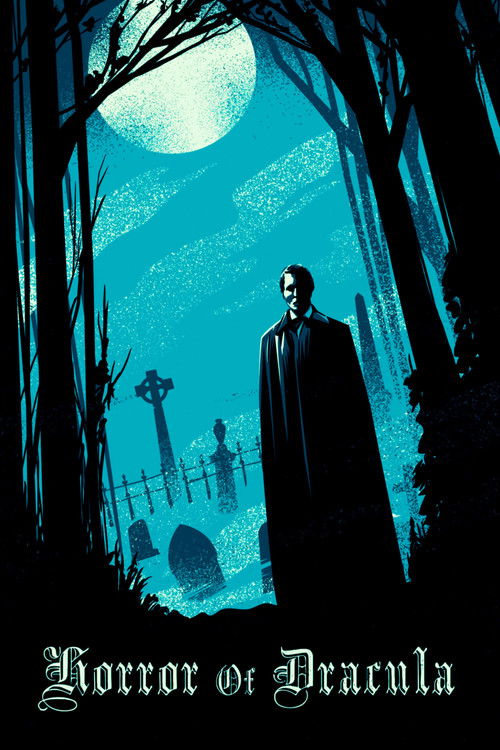
Dracula1958
Cushing again, opposite Christopher Lee, in Hammer's most perfectly calibrated gothic. Sensual, violent, and constructed with balletic precision. The vampire genre at its baroque best.
But Deliberately paced. Modern audiences accustomed to cutting rates may find the rhythm glacial, even meditative in places.
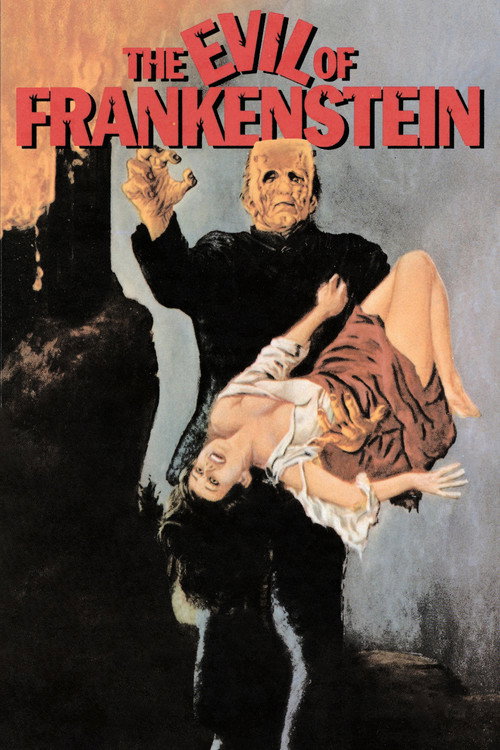
The Evil of Frankenstein1964
Color cinematography and a sympathetic monster caught between warring scientists. Messier than Curse, but fascinating—it's where Hammer started questioning whether the Baron was actually the villain.
But The special effects are dated. The creature design, in particular, strains credibility by modern standards.
Not sure tonight? Get a pick in a minute, starting from Frankenstein Must Be Destroyed
The wildcard
Something you would not have found on your own.
Possession1981
Both films treat the body as a site of invasion and violation. Both ask: who owns your own flesh?
Andrzej Żuławski's fever dream of marriage collapse and body horror. A woman becomes host to a pulsating creature that embodies her psychological fragmentation. Like Frankenstein, it's about violating another's autonomy and the violence intrinsic to possession—literal or intimate.
But Deliberately incoherent. If you need plot clarity, this will infuriate you. The horror is existential and sensory, not logical.

More like this (8)
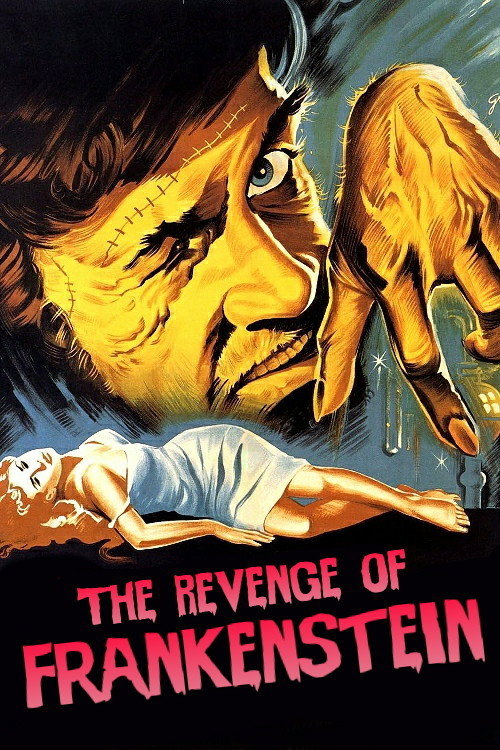
The Revenge of Frankenstein1958
Cushing's Baron poses as a respectable doctor in a new city, hiding transplant experiments in the basement. Sly, elegant social commentary wrapped in horror. The film that makes you complicit in rooting for the monster-maker.
But Middle installment pacing—it exists partly to set up later chapters. Standalone it feels slightly incomplete.
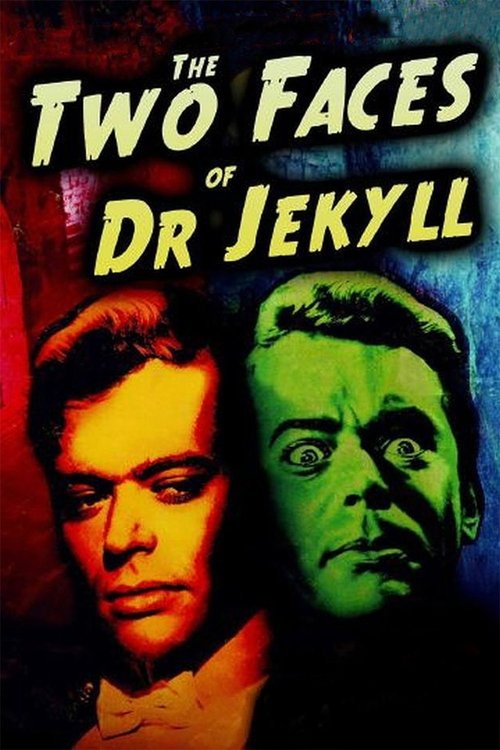
The Two Faces of Dr. Jekyll1960
Hammer's twisted take on Jekyll and Hyde: the good doctor's secret self is the true monster. Psychologically nasty and gorgeously shot. Proves Hammer could do psychological horror.
But Less about spectacle than character degradation. If you want monsters and mayhem, this one is quietly cruel instead.
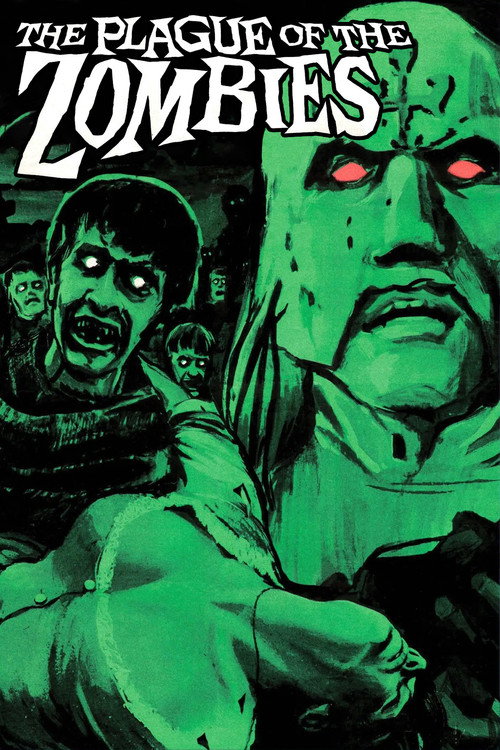
The Plague of the Zombies1966
Colonial horror with a genuinely creepy atmosphere: British scientist discovers zombies being raised in a Cornish village. Handsomely shot and sustains real dread across 91 minutes.
But Slow-burn pacing. The zombie sequences, when they arrive, are brief. Patience required.
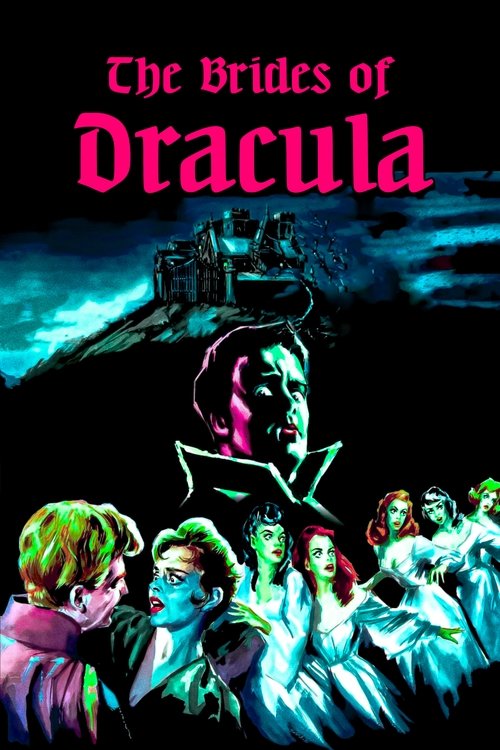
The Brides of Dracula1960
Cushing without Lee, playing Van Helsing against another vampire lord. Proves the Hammer mythology was robust enough for multiple leads. Darkly atmospheric and inventive.
But The absence of Christopher Lee is felt. Cushing's Van Helsing is reactive where Dracula is magnetic.
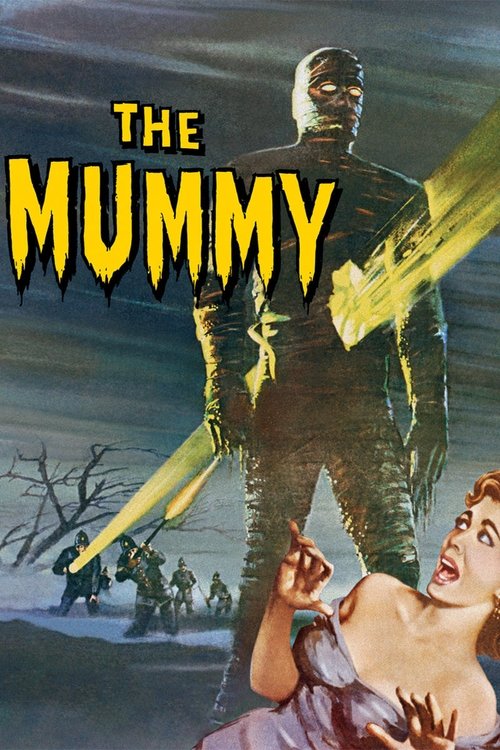
The Mummy1959
Hammer's Egyptian horror: linen-wrapped vengeance with Cushing fighting for his daughter's soul. A minor work but archetypal, gorgeously colored and genuinely eerie in stretches.
But Plot mechanics are creaky. Once you've seen the reveal, the horror deflates quickly on rewatches.
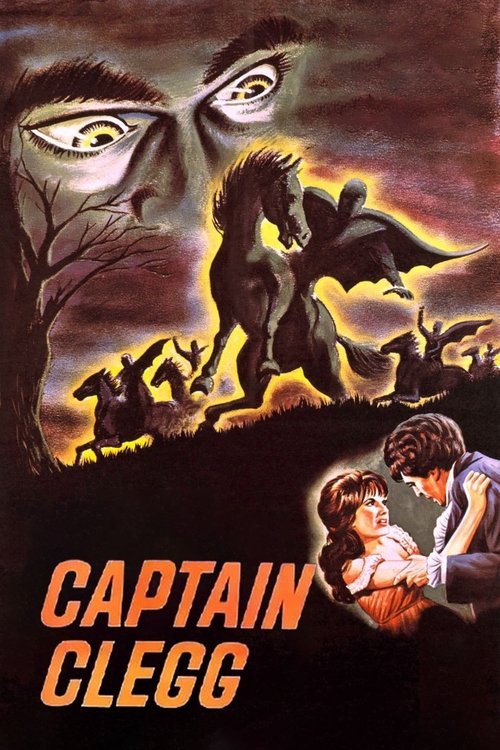
Captain Clegg1962
Hammer's only smuggling-and-zombies film: a Cornish village harboring undead sailors. Oddly charming, beautifully shot, and tonally unique in Hammer's catalog.
But Tonal confusion. It can't quite decide if it's horror, adventure, or dark comedy. That instability makes it unpredictable in ways that don't always work.
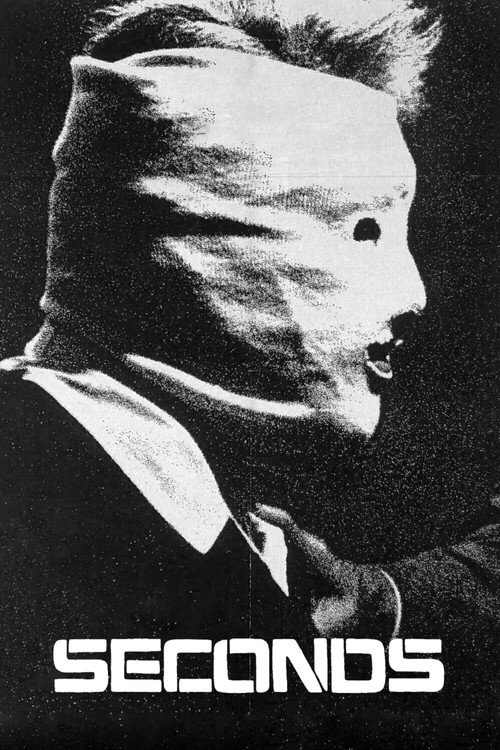
Seconds1966
Both are about transplantation as a betrayal. The new body is not resurrection—it's erasure. The soul remains trapped.
John Frankenheimer's sci-fi nightmare: a man is surgically reborn into a new body and identity, only to discover the previous client's corpse. Paranoid, gorgeously shot in black-and-white, and genuinely disturbing. Science's promise becomes its curse.
But Bleak and alienating by design. No warmth, no comfort, no redemption offered. Watching it feels like an ordeal.
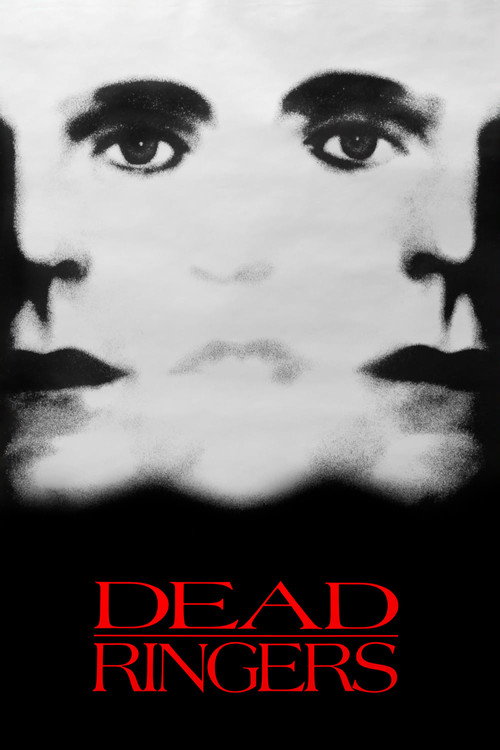
Dead Ringers1988
Both explore how medicine becomes cruelty when power imbalances fester. The doctor's hands are never neutral.
David Cronenberg's identical twins, both gynecologists, descend into madness and mutual destruction. Like Frankenstein, it's about the arrogance of surgical intervention, the corruption of care, and bodies remade into vessels for another's will. Disturbing and unforgettable.
But Explicitly sexual and surgical. Deeply gynecological. If you're uncomfortable with bodies in clinical extremis, this will be excruciating.
People
Cast
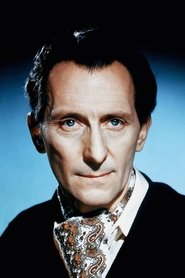 Peter CushingBaron Victor Frankenstein
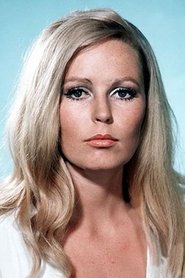 Veronica CarlsonAnna Spengler
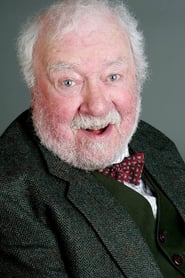 Freddie JonesProf. Richter
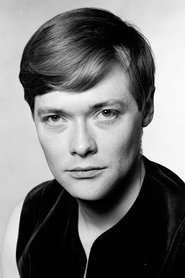 Simon WardDr. Karl Holst
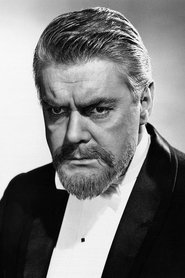 Thorley WaltersInsp. Fritsch
 Maxine AudleyElla Brandt
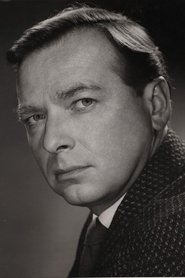 George PravdaDr. Frederick Brandt
 Geoffrey BayldonPolice Doctor
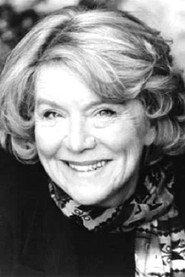 Colette O'NeilMad Woman
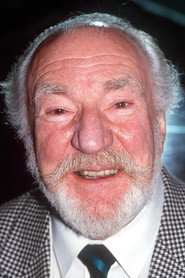 Frank MiddlemassGuest - Plumber
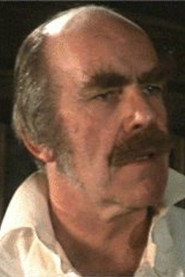 George BelbinGuest - Playing chess
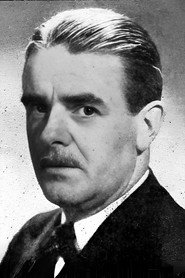 Norman ShelleyGuest - Smoking pipe
Directing
- Bert BattAssistant Director
- Doreen DearnaleyContinuity
- Terence FisherDirector
- Bill WestleySecond Assistant Director
Writing
- Mary ShelleyCharacters
- Bert BattScreenplay
- Anthony Nelson KeysStory
- Bert BattStory
Production
- Irene LambCasting
- Anthony Nelson KeysProducer
- Christopher NeameProduction Manager