
Film
The Brides of Dracula
Hammer Films' 1960 follow-up to Dracula, sans the Count himself. Peter Cushing returns as Van Helsing to battle a charismatic vampire and his entourage of converted victims. It's vivid Technicolor Gothic—all baroque castles, elegant dread, and that particular British restraint that makes horror feel sophisticated rather than sensational. Cushing commands every scene.
Should you watch it?
Watch it if you enjoy gothic horror with lush colour, candlelit castles and a brisk, old-fashioned sense of menace, the sort of thing Hammer made its name on.
Skip it if you want a slow-burn scare or modern psychological depth; this is brisk, theatrical and happy to trade logic for atmosphere, so plot holes and stagey performances may grate.
What it asks of you: At 82 minutes, it moves quickly once the set-up is out of the way, with few quiet stretches and light demands beyond keeping track of the characters.
Not sure? Find tonight's pick in a minute.
If you liked this
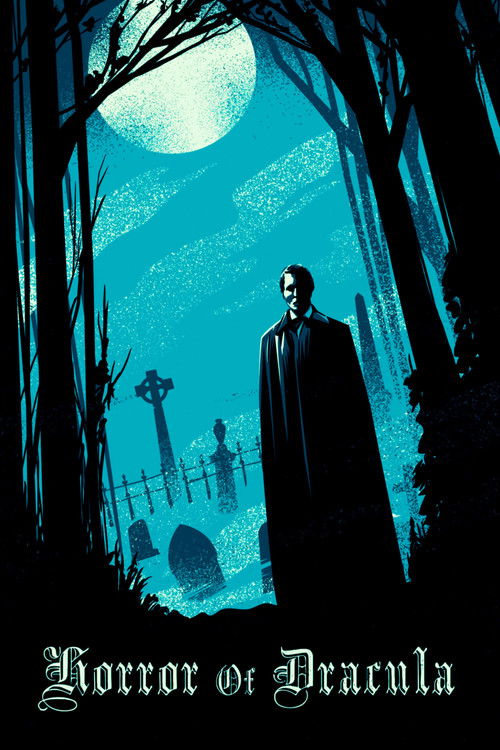
Dracula1958
Peter Cushing's first turn as Van Helsing against Christopher Lee's definitive Dracula. This is where it all started for Hammer's Gothic cycle—the template, the partnership, the lush colour palette that made horror feel like opera.
But Shot and paced for 1958 tastes, which means long stretches of talk before the blood arrives. The eroticism is heavy-handed by modern standards.
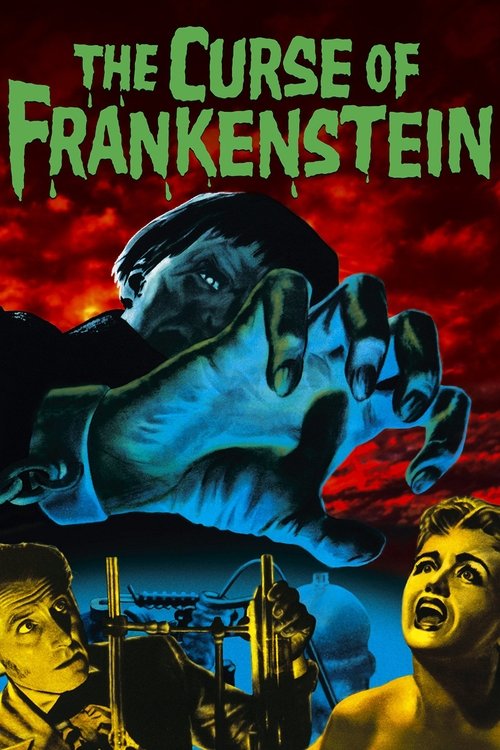
The Curse of Frankenstein1957
Cushing as the obsessed scientist, Lee as his monster. Hammer's first color horror, equally sumptuous and twisted, with that same commitment to making Gothic melodrama feel urgent and real. An essential pair with Dracula.
But The creature makeup is crude even for its time. Some will find Cushing's single-minded ambition more exhausting than compelling.
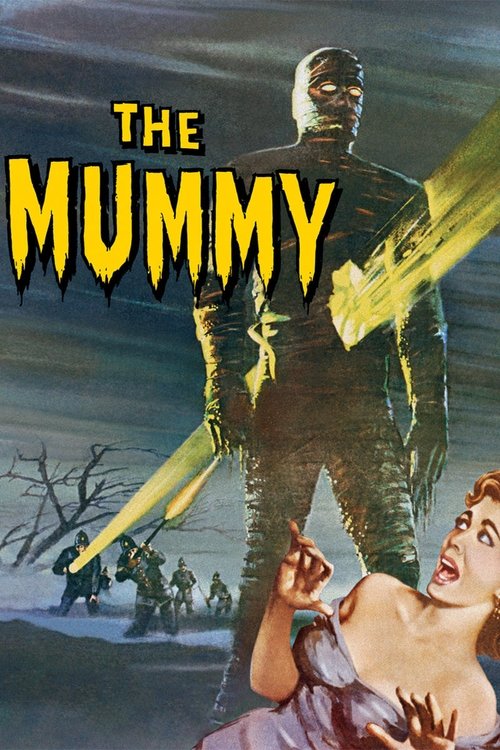
The Mummy1959
Another jewel in Hammer's early Gothic crown, another Cushing-Lee pairing, another excuse to photograph ancient tombs and colonial hubris in gorgeous Technicolor. If you're riding the wave, this completes the essential trinity.
But The pacing sags in the middle. Cushing's character is less commanding here—the plot needs him less than it needs the monster.
Not sure tonight? Get a pick in a minute, starting from The Brides of Dracula
The wildcard
Something you would not have found on your own.
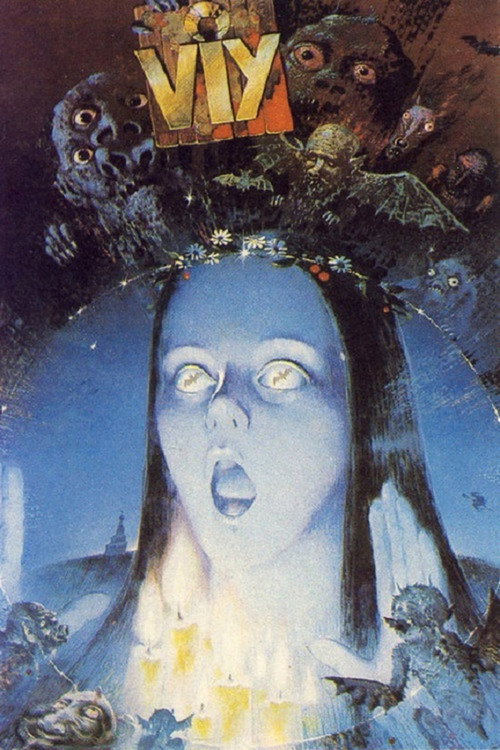
Viy1967
Both films pit educated men of reason against supernatural forces that mock their certainty. Both are obsessed with the ritual and ceremony of encountering the undead, treating it as a kind of dark sacrament.
A Soviet Gothic horror based on Gogol: a young priest must spend three nights in a coffin with a witch's corpse. It has Hammer's visual lushness and obsession with ritual but a bleaker, stranger sensibility. The creature at the climax is genuinely unlike anything else in horror cinema.
But Slow and hypnotic in a way that tests patience. The philosophical horror (what is faith when faced with the actual supernatural?) matters more than the scares, and it does not explain itself.
More like this (8)
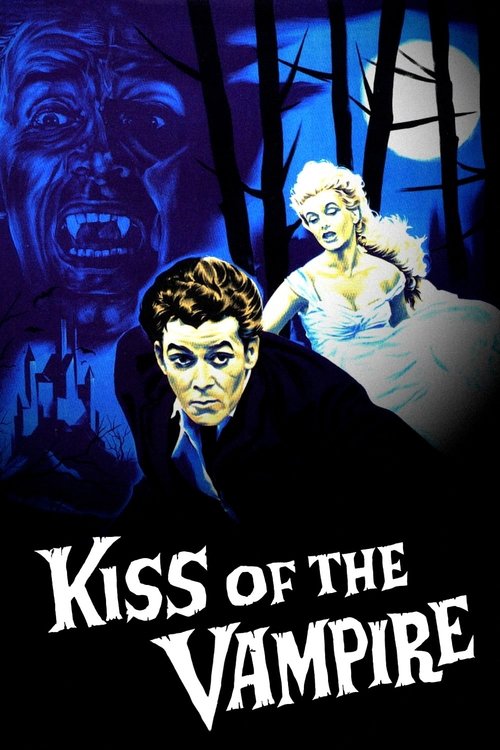
The Kiss of the Vampire1963
Hammer without its famous monsters, proving the studio had real style and genuine atmosphere to spare. A young couple stumbles into a vampire cult; the psychological games are sharper than the scares. Beautifully composed.
But No major star to anchor it. The plot becomes repetitive—trap, escape, recapture—and the climax feels rushed, as if they ran out of budget.
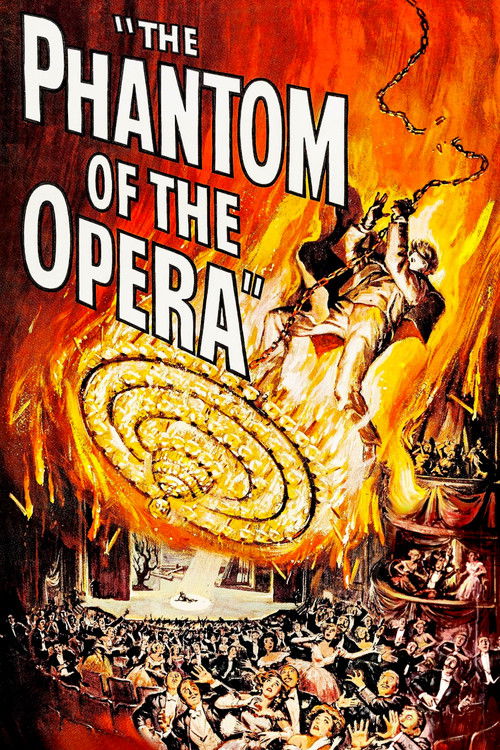
The Phantom of the Opera1962
Hammer's Technicolor take on the Gothic's greatest tragedy. Herbert Lom as the Phantom is sympathetic and terrifying at once. It's operatic in every sense—grand, overwrought, utterly committed to its own melodrama.
But The plot sticks closely to Lloyd Webber's later musical (which didn't exist yet), so it feels theatrical rather than cinematic. Some will find that charming; others will find it stiff.
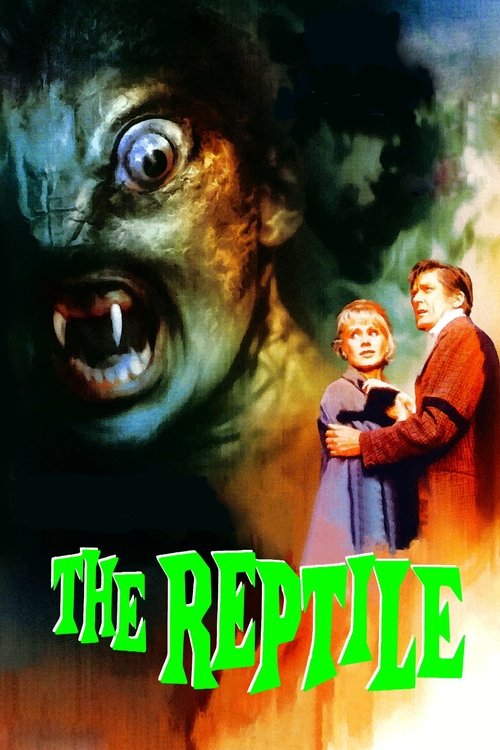
The Reptile1966
Late-period Hammer that gets weirder and nastier. A village plagued by mysterious deaths; a beautiful woman with a terrible secret. It's got the studio's visual flair but weirder, more perverse undertones than the early classics.
But The explanation for the horror is genuinely silly. Once you see what the title refers to, it's hard to take seriously again.
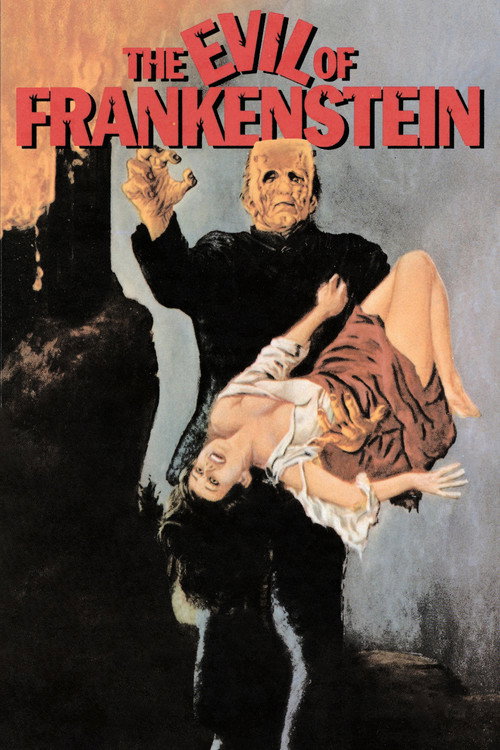
The Evil of Frankenstein1964
Cushing's third time as the Baron, and he's still finding new angles on obsession and ambition. The film itself is a step down—cheaper, simpler—but Cushing's performance elevates it into something worth watching.
But Visibly made on a tighter budget than the first two. The monster design is weak. You'll feel the seams more than with Hammer's earlier work.
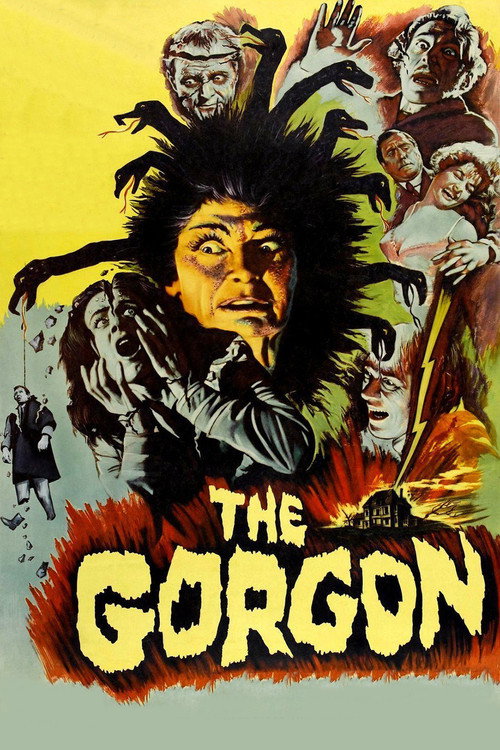
The Gorgon1964
Not a Hammer film, but it scratches the same itch: a monster movie with real craft and atmosphere, shot in color, treating a ridiculous premise with absolute seriousness. A sea creature terrorizes a coastal village; it's surprisingly moving.
But It's slower and more thoughtful than you might expect from a creature feature. The monster itself, when revealed, doesn't quite match the dread that precedes it.
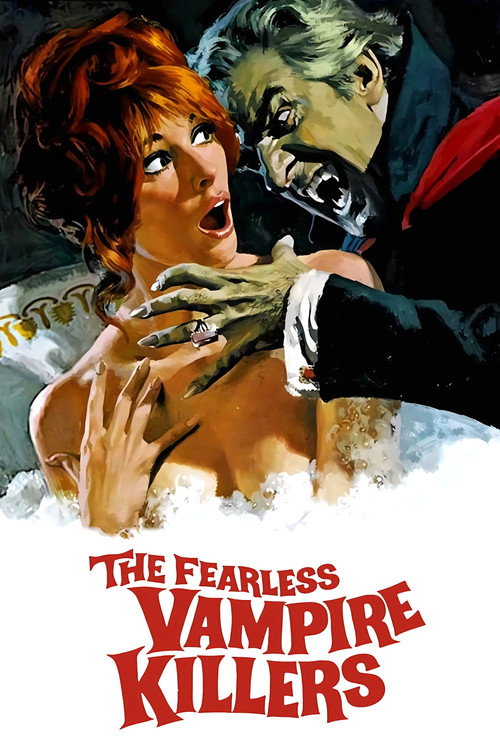
The Fearless Vampire Killers1967
Roman Polanski's comedic take on the vampire film, full of slapstick and satire. It's affectionate rather than mocking, and genuinely inventive in its monster designs and Gothic atmosphere. A palate-cleanser after too much earnestness.
But The comedy is uneven—some bits land brilliantly, others clang. The pacing can feel sluggish for a film that's trying to be funny.
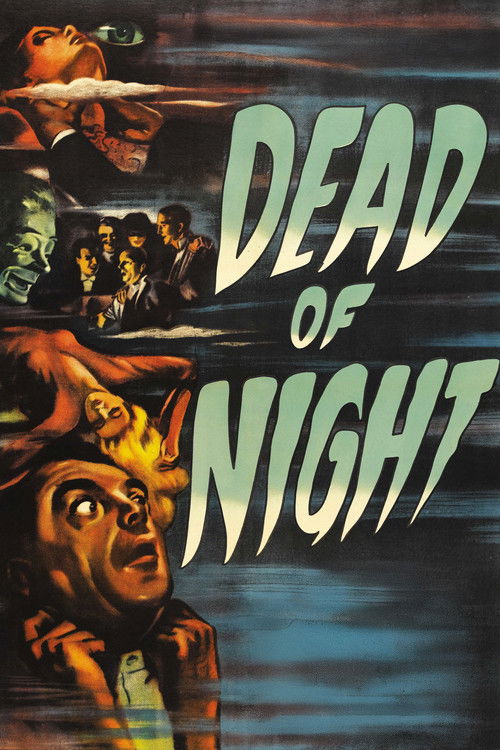
Dead of Night1945
Both films understand that the best Gothic horror is about atmosphere and suggestion, not spectacle. Both trust the audience's imagination. Both treat the supernatural as intrusion into the everyday rather than exotic spectacle.
The granddaddy of the horror anthology, five interlocking stories that build to a genuinely unsettling conclusion. Made during the war in glorious black and white, it has the restraint and intelligence that Hammer would later marry to Technicolor. The ventriloquist's dummy sequence alone changed horror forever.
But It's a product of 1945—the pacing is glacial by modern standards, and some of the acting is stagy in a way that's hard to forgive. You need patience and quietness to let it work.
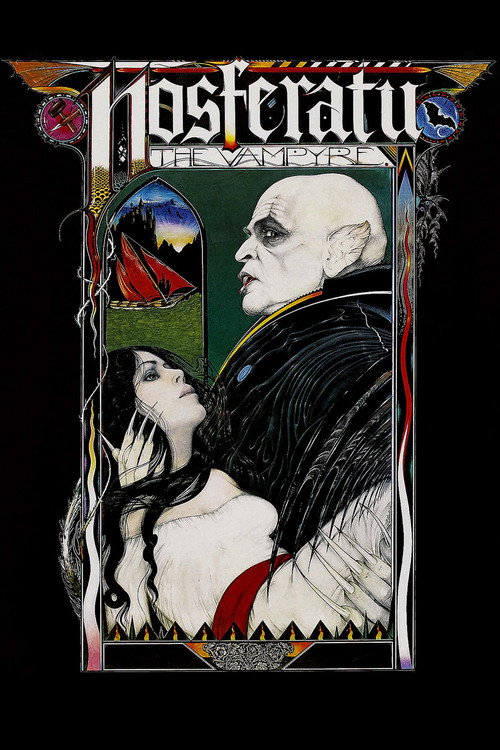
Nosferatu the Vampyre1979
Both films are obsessed with the vampire as a specific kind of predator—not a monster but a creature following its nature, compelling and destroying those around it. Both see the tragedy in that, not just the horror.
Werner Herzog's meditative, doomed remake of the silent classic. Klaus Kinski as a vampire is less charismatic seducer than walking death—lonely, tragic, inevitable. It's Gothic in a colder, more philosophical register than Hammer ever reached. Visually astonishing.
But Herzog moves at his own pace, which is glacial. If you want forward momentum or clear-cut thrills, you will be frustrated. It's more Bresson than Bava.
People
Cast
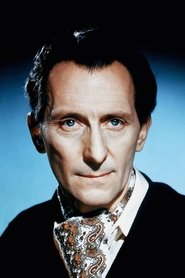 Peter CushingDr. J. Van Helsing
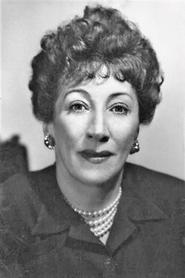 Martita HuntBaroness Meinster
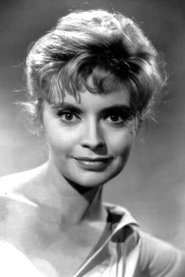 Yvonne MonlaurMarianne Danielle
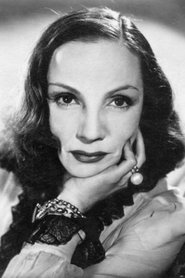 Freda JacksonGreta
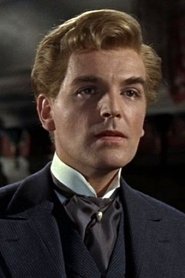 David PeelBaron Meinster
 Miles MallesonDr. Tobler
 Henry OscarOtto Lang
 Mona WashbourneHelga Lang
- Andrée MellyGina
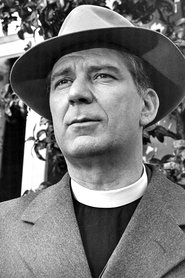 Victor BrooksHans
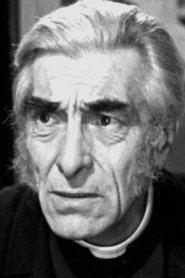 Fred JohnsonFather Stepnik
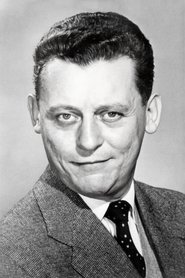 Michael RipperCoachman
Directing
- Terence FisherDirector
Writing
- Bram StokerCharacters
- Edward PercyScreenplay
- Jimmy SangsterScreenplay
- Peter BryanScreenplay
Production
- Dorothy HollowayCasting
- Michael CarrerasExecutive Producer
- Anthony HindsProducer
- Don WeeksProduction Manager
Recommended by
Blood and Black Lace, Dracula, Captain Kronos: Vampire Hunter, The Kiss of the Vampire, The Reptile, The Curse of the Mummy's Tomb, Blood and Roses, The Vampire Lovers, The Satanic Rites of Dracula, Lust for a Vampire, Dracula: Prince of Darkness, Countess Dracula, Frankenstein Must Be Destroyed, The Raven