
Film
The Curse of Frankenstein
Hammer's 1957 reinvention of Frankenstein reframes the story as Gothic melodrama, all lurid colours and aristocratic ambition. Peter Cushing is magnetic as Victor—vain, brilliant, monstrous in ways the creature never is. It's genuinely shocking for its era, violently physical where the Universal original was restrained. Perfect for anyone who thinks horror got better once filmmakers stopped being polite about blood.
Should you watch it?
Watch it if you love Hammer's lurid, candy-coloured gothic horror, where the laboratory is glossy, the blood is bright red and the mad scientist is clearly having the time of his life.
Skip it if you want a slow, brooding meditation on the creature's loneliness, since this is brisk, theatrical and more interested in provoking gasps than in lingering on anyone's inner life.
What it asks of you: Eighty-three minutes, briskly paced, with a bold colour palette and broad performances; it asks you to enjoy its nerve rather than to settle into quiet dread.
Not sure? Find tonight's pick in a minute.
If you liked this
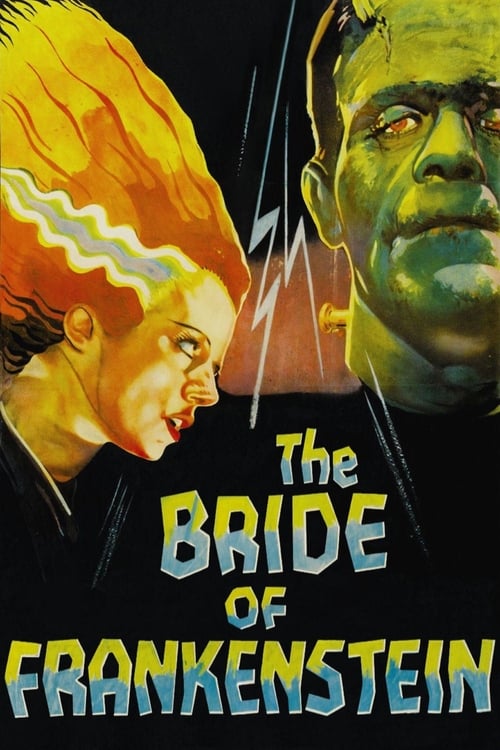
Bride of Frankenstein1935
The Universal original deepens rather than diminishes on rewatch. James Whale's wit and visual invention still feel ahead of their time, and the creature's tragedy is genuinely moving. Essential context for what Hammer later made of this material.
But The pacing is deliberate—almost stately by modern standards. If you need constant momentum, the middle stretches will test your patience.
The Mummy1959
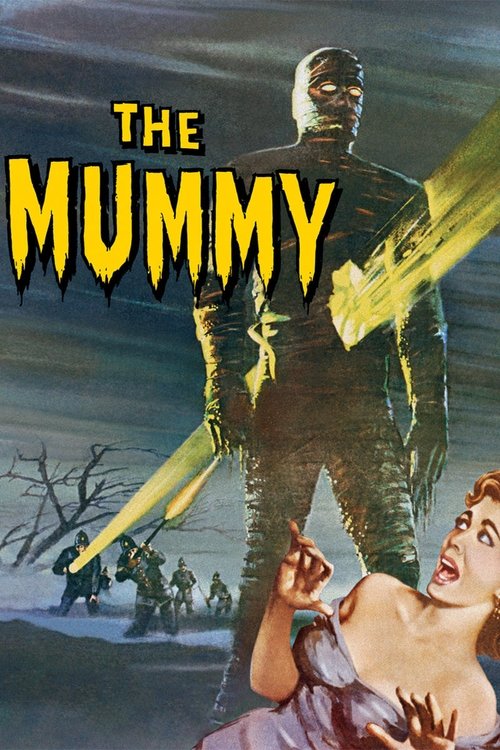
Hammer's follow-up, same team, same Technicolor bombast. Cushing and Lee together again, with an entombed monster and colonial guilt simmering underneath the gore. It proves Curse wasn't a one-off: Hammer had found its voice.
But The treatment of Egyptian culture is patronising by any standard. You'll need to let that one go or it'll spoil the film.
Dracula1958
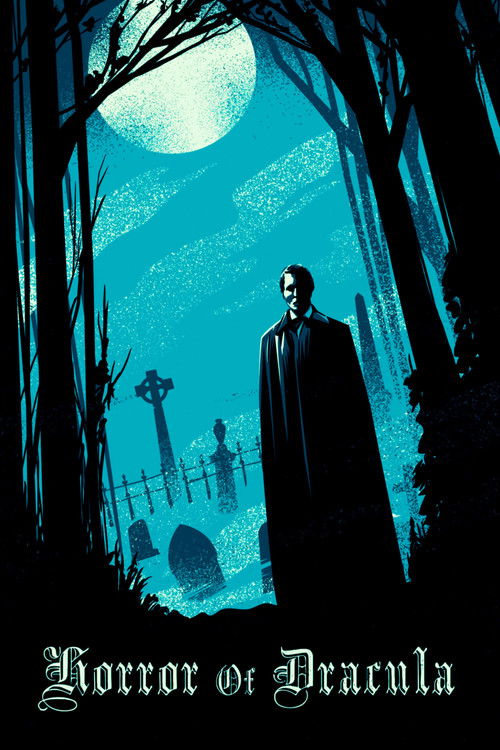
Hammer's Dracula with Cushing and Lee is the template they refined from Frankenstein. Faster, meaner, soaked in sex and blood. If you loved the atmosphere here, this is the next logical step.
But It's more straightforward than Frankenstein—there's less moral ambiguity, more simple evil versus goodness. Some find it less interesting for that reason.
Not sure tonight? Get a pick in a minute, starting from The Curse of Frankenstein
The wildcard
Something you would not have found on your own.
Eyes Without a Face1960
Both centre on a damaged father figure who commits atrocities in the name of creation and redemption. Curse plays this for melodrama; Eyes Without a Face treats it as genuine tragedy.
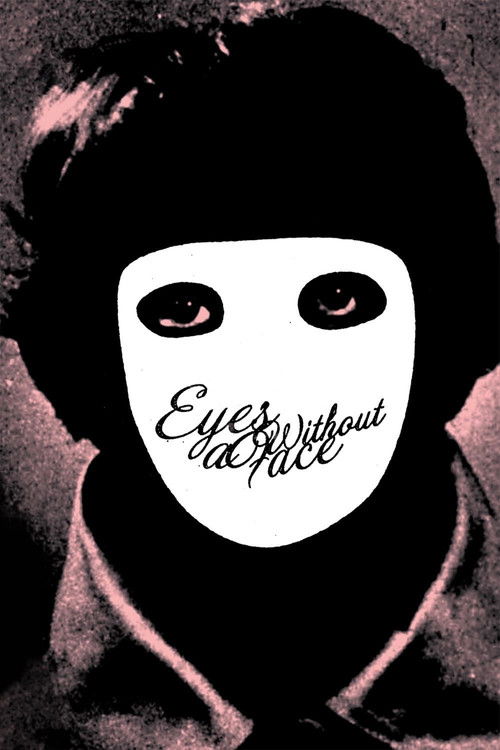
Georges Franju's French masterpiece: a surgeon obsessed with restoring his daughter's face through transplants. Visually stunning and deeply disturbing. It shares Curse's interest in a brilliant man justifying monstrous acts through paternal love and perfectionism.
But It's quiet and poetic—not gothic or campy. The horror is psychological and sustained, which some find exhausting rather than entertaining.
More like this (7)
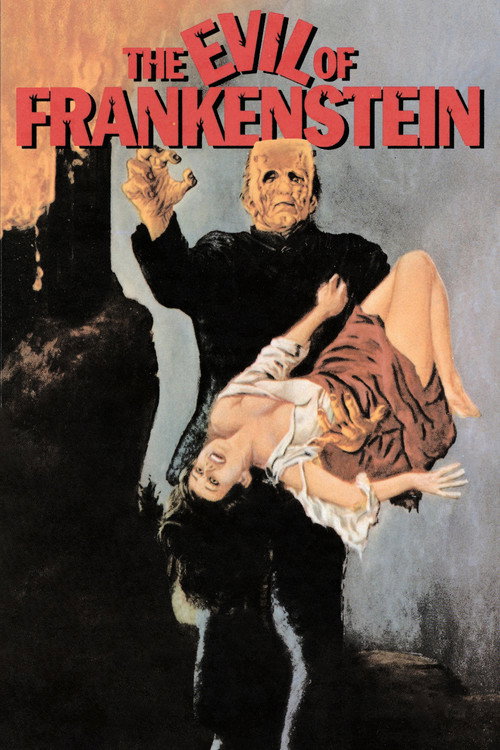
The Evil of Frankenstein1964
Hammer circles back to the monster itself, with Cushing returning as Victor. The creature design is wonderfully eerie, and there's real pathos in its storyline. The science-fiction elements feel more pronounced than in the original.
But It's the third film in the series and shows some budget strain. The plot meanders, and it doesn't have the lean efficiency of Curse.
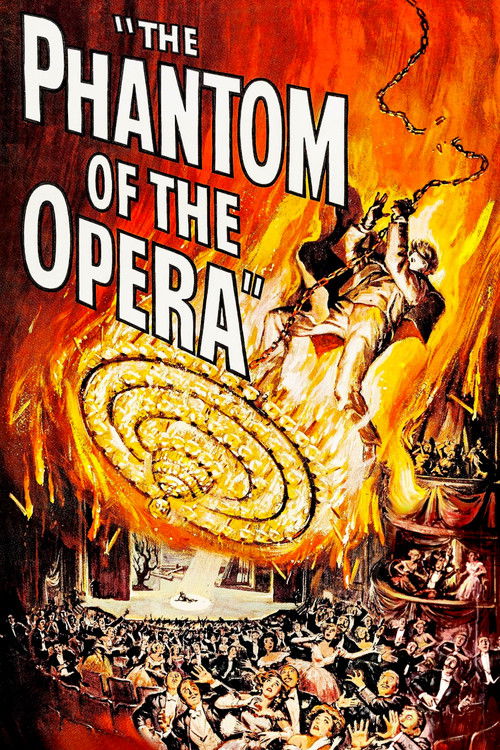
The Phantom of the Opera1962
Same Hammer DNA: Cushing, Gothic atmosphere, and Technicolor drenched in shadows. A phantom who's sympathetic and monstrous at once—thematically close to what Curse does with Victor and his creation.
But The pacing is slow, and the mystery element never quite grips. You're watching for mood and performance, not plot momentum.
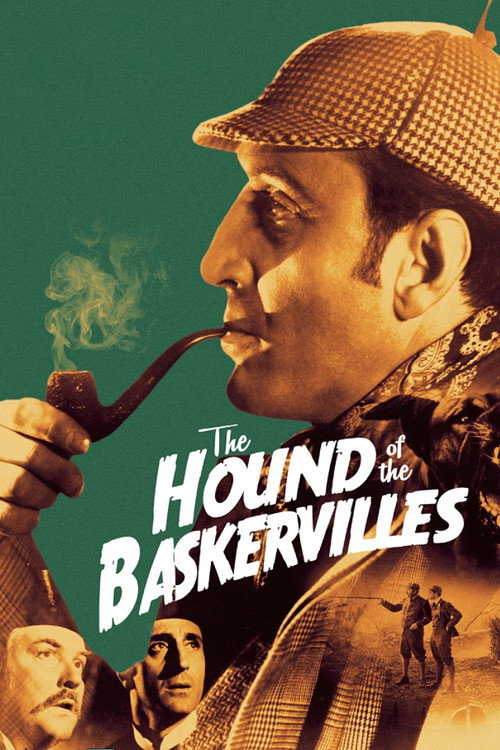
The Hound of the Baskervilles1939
A masterclass in building dread on a budget. Bazil Rathbone and Nigel Bruce, fog and moorland. The creature reveal is genuinely effective, and the atmosphere predates Hammer but teaches what they learned.
But It's a Conan Doyle adaptation first, horror second. If you want pure gothic terror, the mystery-solving dilutes it.
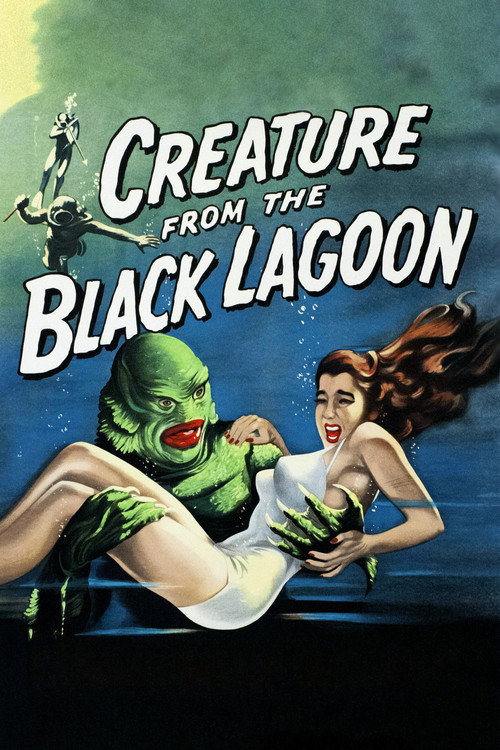
Creature from the Black Lagoon1954
Universal's last great creature feature: a real monster design that still holds up, underwater sequences that feel genuinely alien, and the same sympathetic-monster angle Curse explores. Made three years earlier but feels like a conversation partner.
But The human drama is thin. You're here for the creature, and once it appears, human scenes feel like filler.
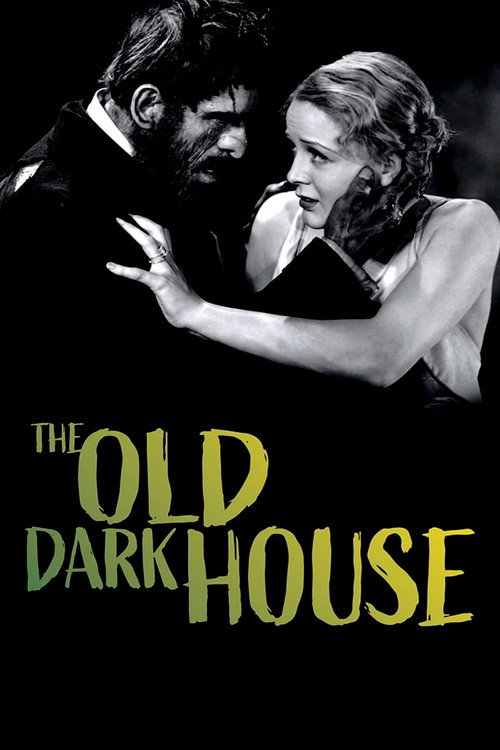
The Old Dark House1932
James Whale's proto-Hammer: eccentric family, Gothic atmosphere, ugliness made theatrical. A spiritual ancestor to what Hammer would do in colour. Whale's sensibility is all over Curse's DNA.
But It's a comedy-horror hybrid, and the jokes will feel quaint. The scares are more creepy than visceral.
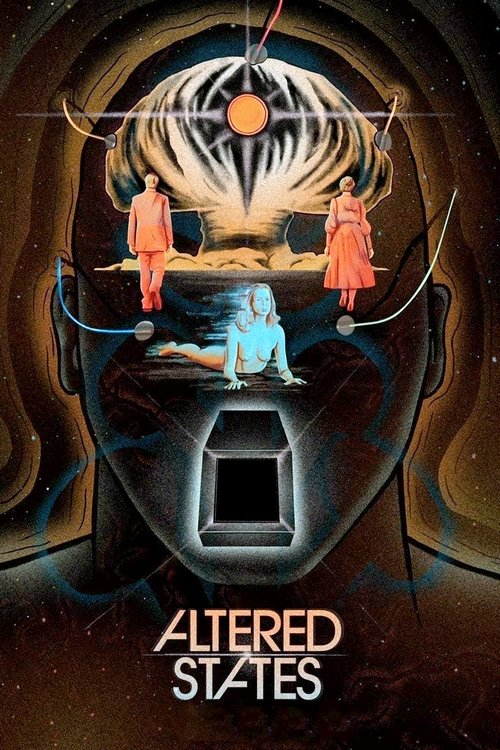
Altered States1980
Both ask: what happens when genius becomes obsession? What price do ambition and vanity extract? But where Curse is composed and theatrical, Altered States is chaotic and genuinely destabilizing.
Ken Russell's mad, hallucinatory film about a scientist testing consciousness-altering drugs and mutating himself. William Hurt in a performance that's unsettling and brilliant. It's Frankenstein's premise—creation and self-destruction—run through sixties counterculture and actual horror.
But The visual style is relentlessly bizarre. If you prefer narrative clarity and restraint, this will feel like watching someone else's fever dream.
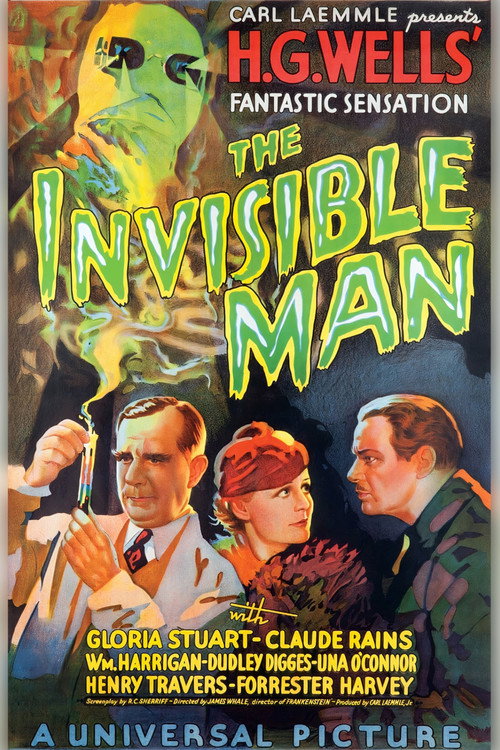
The Invisible Man1933
Both explore how scientific ambition and isolation corrupt. Frankenstein creates externally; the Invisible Man destroys from within. Curse shows you the monster's face; this film hides the true monster entirely.
James Whale again, but here the monster is the lead. Claude Rains as a scientist whose invisibility serum drives him to tyranny and madness. The special effects are astonishing, and Rains' voice performance is a masterclass. Frankenstein's other side: the creator as unchecked id.
But The second half becomes more farce than horror. Once the premise is established, the film sacrifices atmosphere for plot.
People
Cast
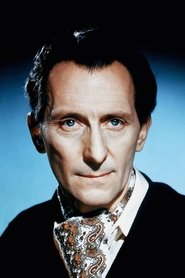 Peter CushingBaron Victor Frankenstein
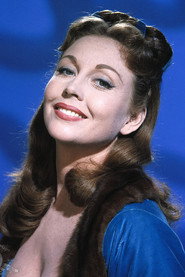 Hazel CourtElizabeth
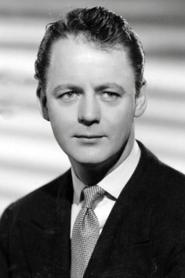 Robert UrquhartPaul Krempe
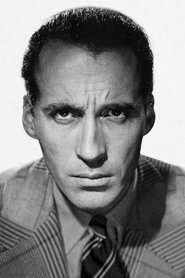 Christopher LeeThe Creature
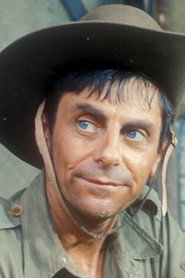 Melvyn HayesYoung Victor
 Valerie GauntJustine
 Paul HardtmuthProf. Bernstein
 Noel HoodAunt
 Fred JohnsonGrandpa
- Claude KingstonLittle Boy
- Alex GallierPriest
 Michael MulcasterWarder
Directing
- Terence FisherDirector
Writing
- Mary ShelleyNovel
- Jimmy SangsterScreenplay
Production
- Anthony Nelson KeysAssociate Producer
- Dorothy HollowayCasting
- Michael CarrerasExecutive Producer
- Anthony HindsProducer
- Max RosenbergProducer
- Don WeeksProduction Manager
Recommended by
Frankenstein, Dracula, X: The Unknown, The Brides of Dracula, The Abominable Dr. Phibes, The Evil of Frankenstein, The Gorgon, The Reptile, The Revenge of Frankenstein, The Satanic Rites of Dracula, The Flesh Eaters, Frankenstein Must Be Destroyed