
Film
The Revenge of Frankenstein
Hammer's gleeful sequel finds Peter Cushing's Baron Frankenstein escaping execution and establishing a secret clinic in a new city. It's briskly paced gothic horror with real menace beneath the camp—Cushing plays the role with chilling conviction, turning mad science into something almost sympathetic. For anyone who loves the original, or who finds the best monsters are always the charming ones.
Should you watch it?
Watch it if you like your Gothic horror with a sardonic, almost gleeful villain at its centre, and enjoy watching a cold-blooded scientist charm and bully his way through every obstacle.
Skip it if you want slow-building dread or a tidy moral lesson, since this is brisk, lurid and far more interested in the operating table than in tension.
What it asks of you: It runs about ninety minutes and moves quickly, asking you to accept its heightened, theatrical world and to stay alert rather than settle into a long, brooding atmosphere.
Not sure? Find tonight's pick in a minute.
If you liked this
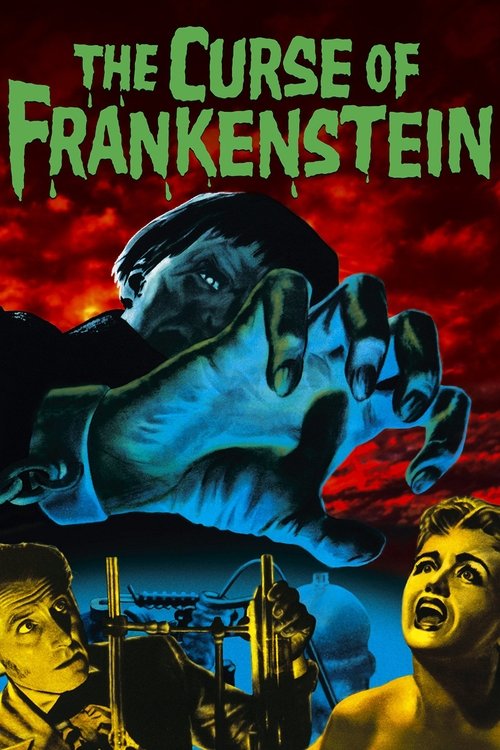
The Curse of Frankenstein1957
The film that started Hammer's Frankenstein cycle and Cushing's definitive performance. Where Revenge gets its energy and moral ambiguity. Essential viewing to understand why the Baron matters.
But The original black-and-white creature effects look dated now, and the plot moves slower than its sequel. You might find it quaint rather than frightening.
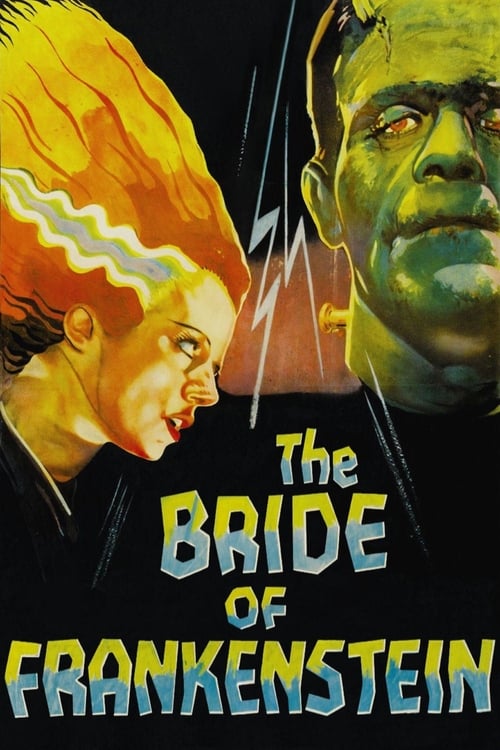
Bride of Frankenstein1935
The other great Frankenstein sequel: more poetic, more tragic, with a monster who speaks and suffers. Universal's approach to the myth is darker and stranger than Hammer's, and it still lands.
But It's nearly ninety years old and the pacing reflects that era. Some will find the melodrama overwrought; others will see it as the whole point.
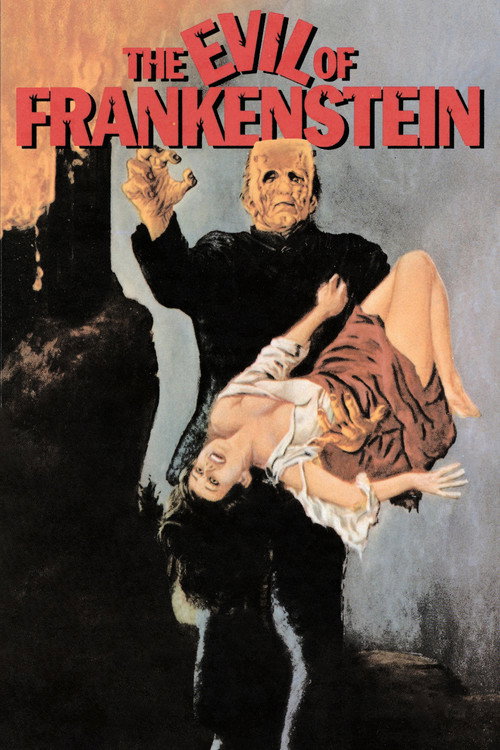
The Evil of Frankenstein1964
Hammer's third Frankenstein film with Cushing, leaning harder into the carnage and the Baron's ruthlessness. If you're hungry for more of this exact thing, this delivers it with visible relish.
But It retreads familiar ground without the invention of the first two. Feels more like a cash-in than a story that needed telling.
Not sure tonight? Get a pick in a minute, starting from The Revenge of Frankenstein
The wildcard
Something you would not have found on your own.
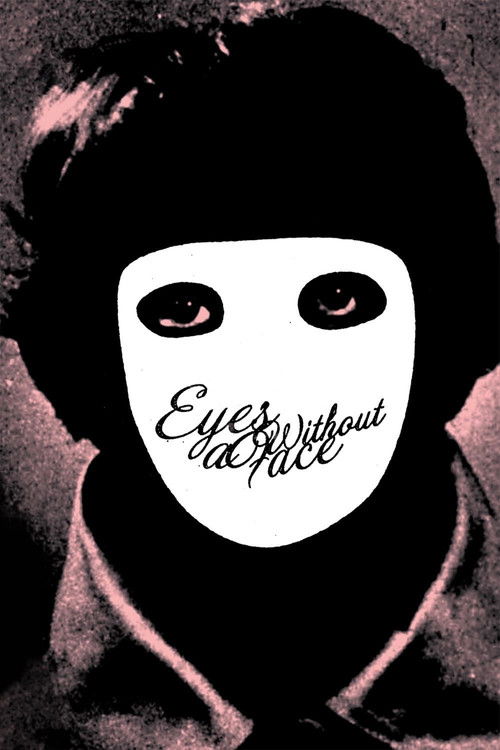
Eyes Without a Face1960
Both are 1950s-60s mad scientist stories where the protagonist's love—for science, for a person—justifies atrocity in his own mind. Both ask: at what point does dedication become monstrosity? But Franju answers with revulsion where Hammer finds dark comedy.
Georges Franju's French masterpiece about a surgeon grafting faces onto victims to restore his daughter. It shares Revenge's obsessed-scientist plot and its willingness to be genuinely horrifying, but it's art film, not gothic romp—colder, more surreal, far more disturbing.
But It's a black-and-white French film from 1960 with a slow, dreamlike pace and no conventional scores. The surgery scenes are unflinching in ways that upset people. Not fun at all.
More like this (8)
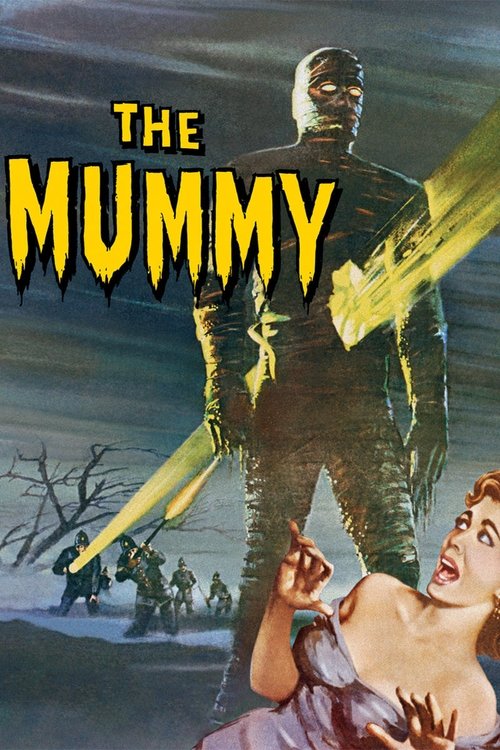
The Mummy1959
Hammer's other great gothic creature feature, also in colour, with equally committed acting and atmosphere. Same studio, same era, same commitment to taking the ridiculous seriously.
But It's a mummy film, not a mad scientist film. If you're specifically after Cushing's Baron, this won't scratch that itch.
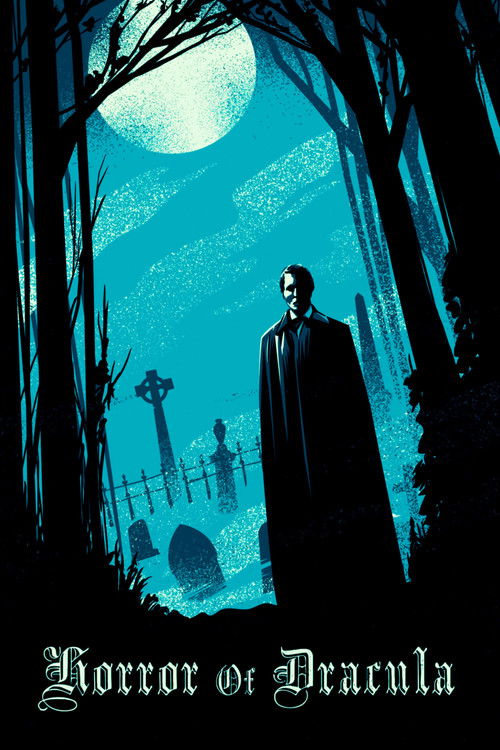
Dracula1958
Hammer's Dracula with Christopher Lee is the companion piece to the Frankenstein films. Same year, same studio, same bold use of colour and gore. Genuinely frightening in ways the comedies aren't.
But It's a vampire film with very different themes. Lee's Dracula is nothing like Cushing's Baron—if you want the scientist, you're in the wrong genre.
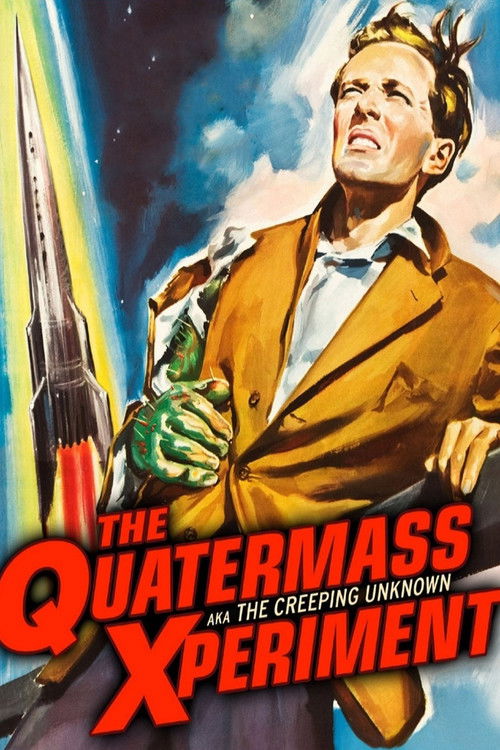
The Quatermass Xperiment1955
British sci-fi horror about an obsessed scientist and his experiments' grotesque consequences. The template for everything Hammer did, with genuine dread and a willingness to show the human cost of ambition.
But It's pre-colour, pre-gothic romance, and grimmer in tone. Less fun than Cushing's Baron, more genuinely unsettling.
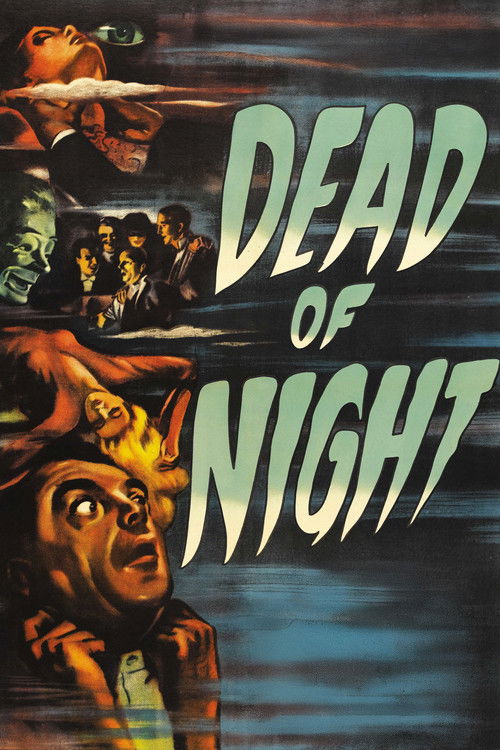
Dead of Night1945
British horror anthology that influenced everything that came after, including Hammer. The ventriloquist dummy sequence alone is worth the price of admission, and the framing device is genuinely clever.
But It's an anthology, so tone and quality shift between segments. Some bits work better than others, and the ending divides people.
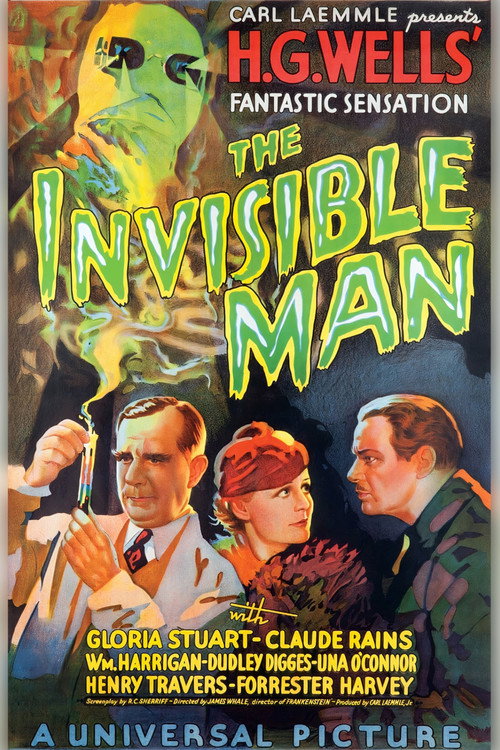
The Invisible Man1933
Universal's mad scientist horror with James Whale directing. The template for everything: a brilliant man corrupted by his own discovery, using invisibility and cunning rather than force. Wickedly dark and funny.
But It's nearly a century old, and the special effects look like what they are. The rhythm is very 1930s—patient in ways modern audiences might find slow.
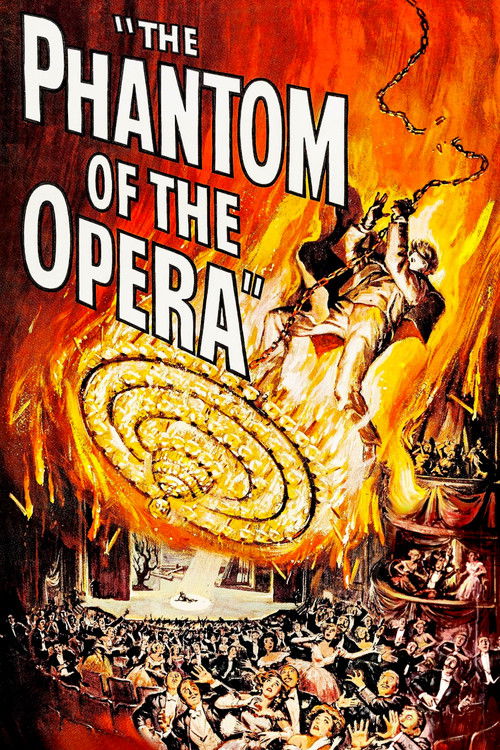
The Phantom of the Opera1962
Hammer's gothic melodrama in colour with Herbert Lom as a tortured genius. If you love the Frankenstein films but want a change of monster, this has the same DNA and the same commitment to atmosphere.
But It's a romantic tragedy first and a horror film second. The monster is pitiable rather than threatening, which some find safer and less interesting.
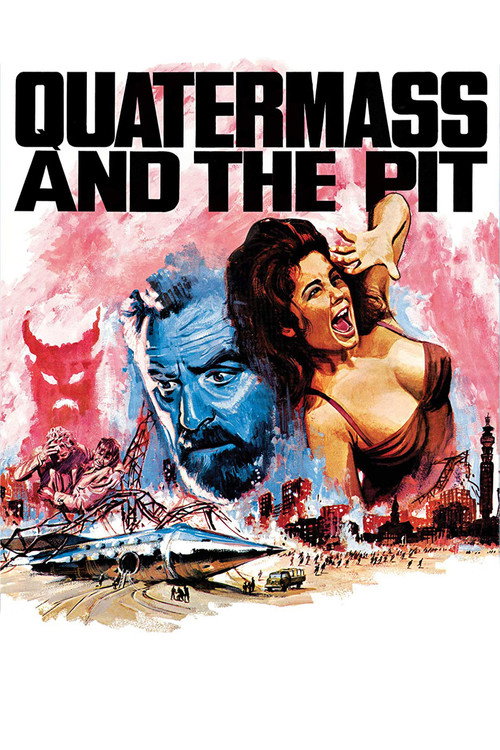
Quatermass and the Pit1967
Both pit a rational scientist against forces he can't control or fully understand. Both suggest that the real horror isn't the monster, it's the man who refuses to stop experimenting.
Hammer's sci-fi horror about ancient evil awakened by construction. Builds from scientific curiosity to cosmic dread, with the same sense that knowledge is dangerous and the brain is monstrous. Far bigger in scope than Revenge, but same DNA.
But It's talky and philosophical, not action-driven. The special effects are early-'60s and show it. Long stretches of people explaining the plot to each other.
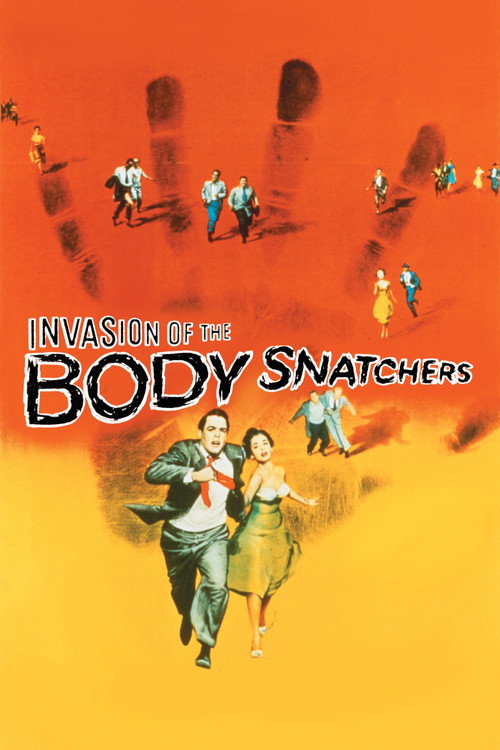
Invasion of the Body Snatchers1956
Both are films about a genius or an individual whose refusal to assimilate makes him dangerous to society. The Baron won't stop experimenting; McCarthy's character won't stop screaming. Both ask: what do we lose when we choose safety over integrity?
American sci-fi paranoia that looks like a B-movie but thinks like a tragedy. Kevin McCarthy in a role that requires conviction and exhaustion. The fear isn't of monsters—it's of conformity and the death of individuality.
But It's not a gothic film and not really a horror film. Black-and-white, low-budget, deliberately bleak. No heroic arc, no comfortable ending. The politics are embedded rather than explicit.
People
Cast
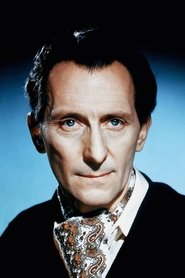 Peter CushingDr. Victor Stein
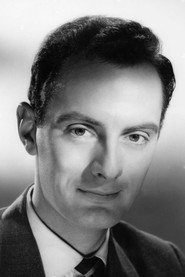 Francis MatthewsDr. Hans Kleve
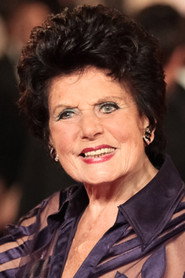 Eunice GaysonMargaret Conrad
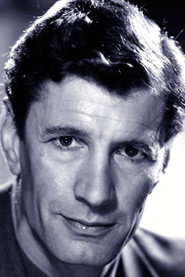 Michael GwynnKarl
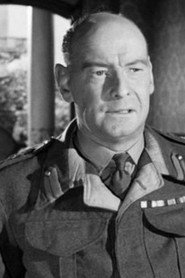 John WelshBergman
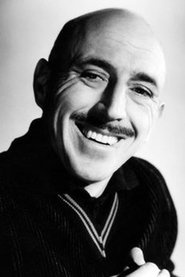 Lionel JeffriesFritz
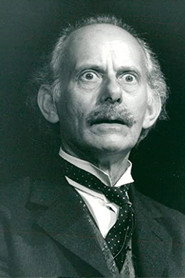 Oscar QuitakDwarf
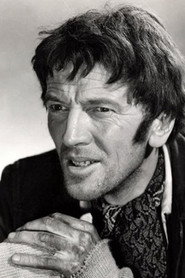 Richard WordsworthUp Patient
 John StuartInspector
 Michael RipperKurt
 Charles Lloyd PackPresident
 Arnold DiamondMolke
Directing
- Terence FisherDirector
Writing
- Mary ShelleyCharacters
- Jimmy SangsterWriter
Production
- Dorothy HollowayCasting
- Michael CarrerasExecutive Producer
- Anthony HindsProducer