
Film
Dracula
Other titles called Dracula: the 1931 film, the 1979 film, the 2020 series (BBC One).
Hammer's 1958 Dracula is pure Gothic atmosphere in eighty-two minutes: lush Technicolor blood-reds, castle shadows, and sexual menace simmering beneath Victorian propriety. Peter Cushing's van Helsing is a man possessed by righteous fury, while Christopher Lee's vampire is aristocratic, alien, and terrifying. It's elegant horror for people who love the genre's architecture.
Should you watch it?
Watch it if you love lurid, stagey gothic horror where the sets are bold and the performances are deadly serious, and where Cushing's brisk, bookish hunter feels like the sharpest thing in the room.
Skip it if you want slow-burn dread or modern psychological subtlety, since this runs on bold colour, gushing blood and theatrical acting pitched at full volume.
What it asks of you: Brisk at 82 minutes, it lets few scenes linger and plays its horror straight with little irony, so settle in for an old-fashioned rhythm of talk and sudden shocks.
Not sure? Find tonight's pick in a minute.
If you liked this
Nosferatu1922
F.W. Murnau's silent masterpiece invented vampire cinema itself. Count Orlok is pure dread—angular, inhuman, the shadow of death itself. Essential viewing for anyone who loves what Dracula became.
But Silent film requires patience, and the pacing is deliberate. The special effects are primitive even by 1922 standards, which some find quaint rather than frightening.

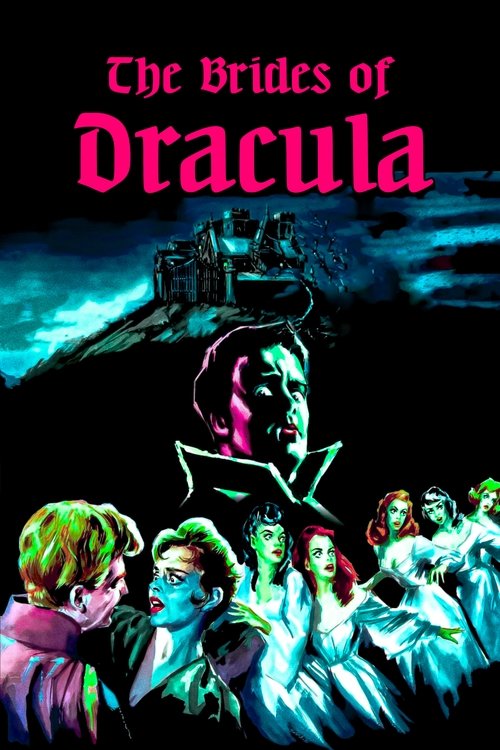
The Brides of Dracula1960
Hammer's direct sequel doubles down on Gothic excess and the delirious tension between horror and eroticism. Peter Cushing returns, fiercer than before, and the film embraces lurid colour and fevered atmosphere.
But It ditches Dracula himself for much of the runtime, and some find the plot a step down from the original, more scattered and baroque.
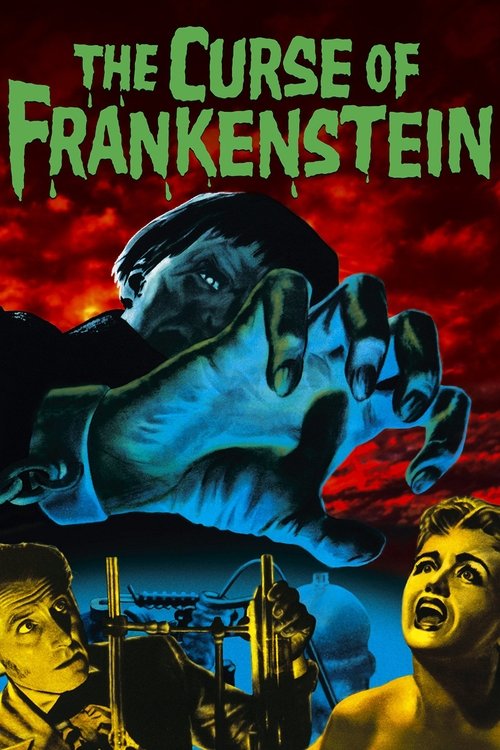
The Curse of Frankenstein1957
Hammer's first colour horror, released a year before Dracula. Peter Cushing leads a jewel-box aesthetic of crimson gore and Gothic architecture. It established the house style that made Dracula sing.
But The creature design is disappointingly mundane, and the moral framework—who is the real monster?—can feel heavy-handed to modern viewers.
Not sure tonight? Get a pick in a minute, starting from Dracula
The wildcard
Something you would not have found on your own.
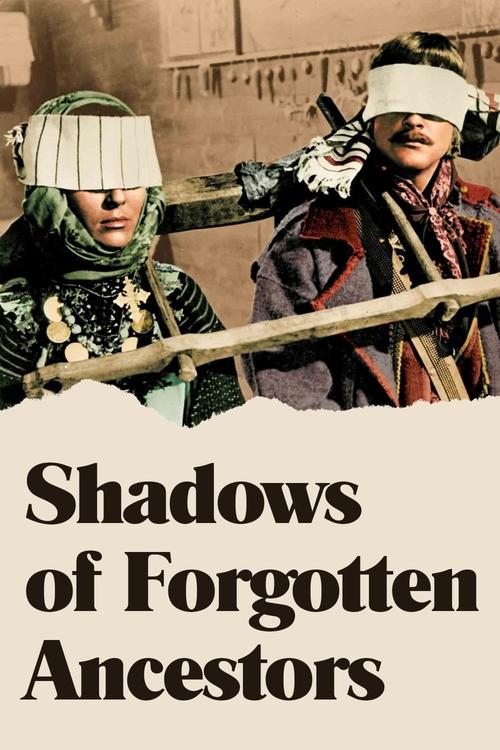
Shadows of Forgotten Ancestors1965
Both films locate horror in the collision between erotic desire and death, and both use color and shadow as characters themselves. Parajanov's intensity comes from tradition and folk superstition rather than Hammer mechanics, but the core obsession is identical.
Sergei Parajanov's Ukrainian masterpiece is pure visual poetry—folk mythology, erotic obsession, color bleeding across the frame like stained glass breaking. It has Dracula's sexual undercurrent and Gothic atmosphere, but filtered through an entirely different cinema tradition.
But It's avant-garde in structure and mood; the narrative is dreamlike rather than propulsive, and the cinematography—while extraordinary—can feel impenetrable without patience. Non-English language with subtitles.
More like this (6)
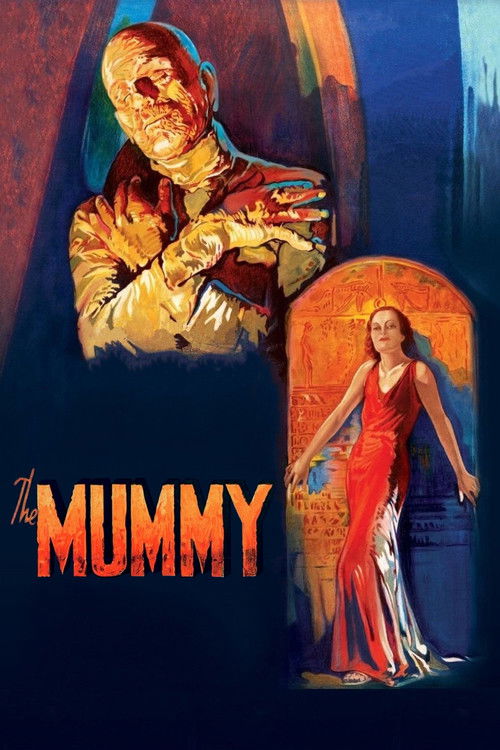
The Mummy1932
Universal's Boris Karloff film shares Dracula's obsession with reanimation and seduction across death. Slower burn than Dracula but more genuinely unsettling, with an atmosphere of creeping dread.
But Black-and-white, talkie-era pacing, and the plot is thin. Karloff barely speaks, which is either mesmerizing or tedious depending on your mood.
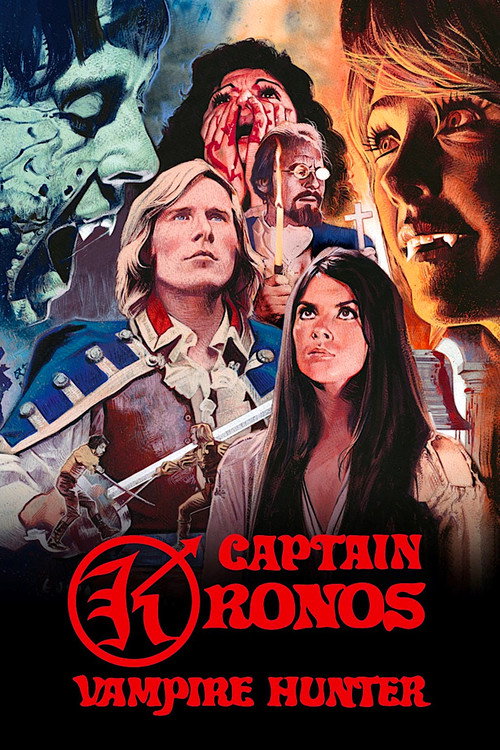
Captain Kronos: Vampire Hunter1973
A Hammer production with a different vampire entirely: a disease spread by youth-stealing undead. Dashing hero, inventive kills, pure adventure-horror. A curveball that shows what Hammer could do outside Dracula.
But It's campy in a way that undermines horror. The tone whipsaws between serious and playful, and some scenes strain credibility even for a vampire film.
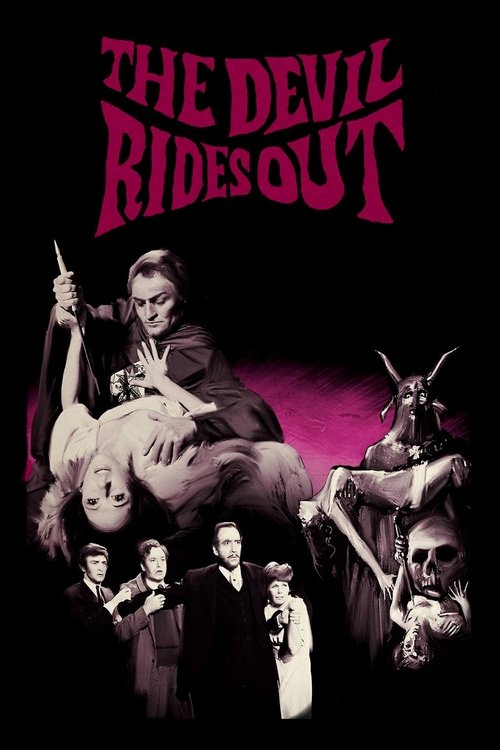
The Devil Rides Out1968
Hammer's take on occult horror with Christopher Lee on the right side of good. Gorgeously shot, witchcraft instead of vampirism, and Lee playing against type as a hero makes it unexpectedly compelling.
But Satanic horror premises date badly, and the resolution relies on deus ex machina that feels unmotivated. The pacing sags in the middle act.
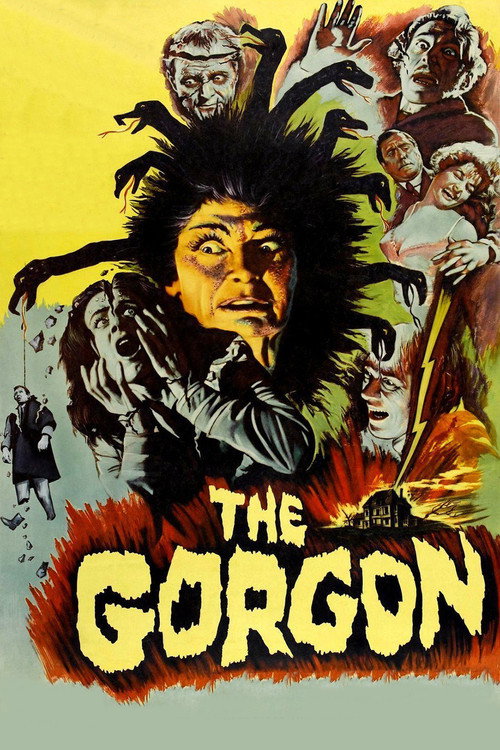
The Gorgon1964
Another Hammer Gothic with Cushing and Lee in opposing roles. Stone-turned-flesh monster mythology, atmospheric castles, and murky village intrigue. Solid genre work from the studio at its peak.
But The creature is barely shown, which works thematically but frustrates viewers wanting spectacle. The plot meanders before a rushed finale.
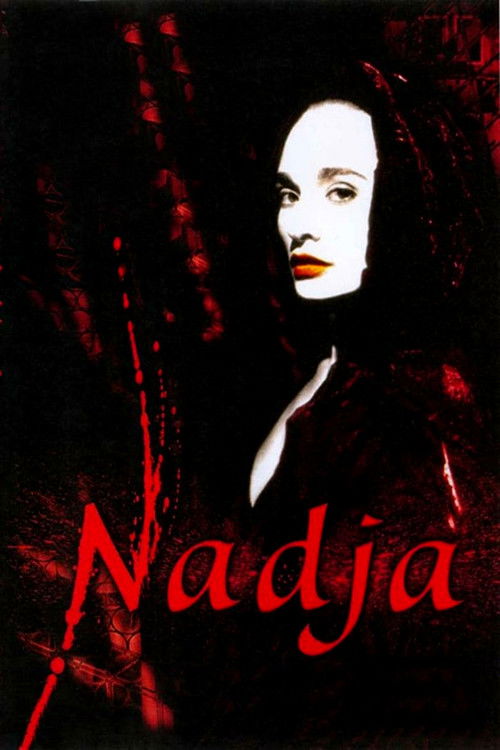
Nadja1995
Where Cushing's van Helsing hunts Dracula with righteousness and fear, Godoresku's film asks what it would be like to be Dracula—isolated, monstrous by necessity, hungry for connection. It's the inverse spiritual experience of the same predator.
Michail Godoresku's indie vampire film transposes Dracula's daughter to 1990s New York. Shot on Pixelvision, grainy and dreamlike, it's weird and genuinely moving—a vampire love story that treats the undead as exiles rather than monsters.
But The image quality is deliberately degraded, which is an artistic choice that many will find unwatchable rather than evocative. The pacing is glacial. It's about mood rather than plot, and that mood is melancholy rather than thrilling.
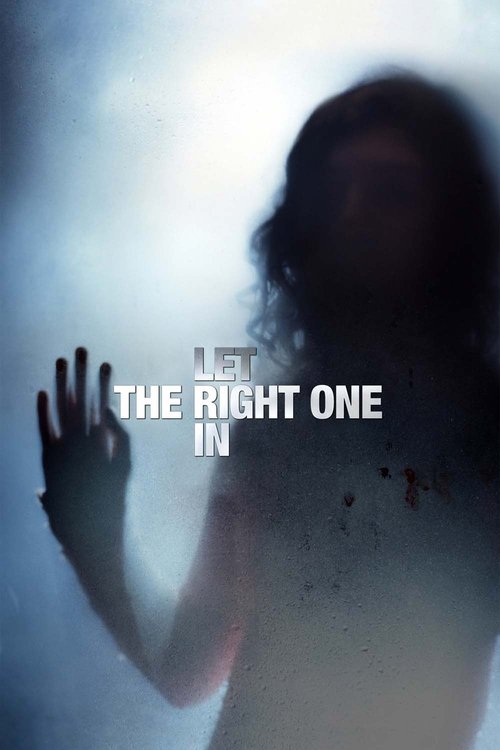
Let the Right One In2008
Both are vampire films obsessed with blood as intimacy and transgression, both foreground aristocratic otherness (the vampire is fundamentally alien), and both understand that vampirism is about power imbalances and seduction. But where Dracula is a tale of invasion and violation, this is about mutual monstrosity finding recognition in each other.
Tomas Alfredson's Swedish vampire film is precise, brutal, and deeply sad. A child vampire and a bullied boy form an impossible bond. It has Dracula's formal Gothic sensibility but as intimate chamber drama, and it's terrifying in a way that has nothing to do with jump scares.
But It's slow, subtitled, and suffused with child abuse and animal death. The relationship between the vampire and the boy is deliberately uncomfortable. Not entertainment in any conventional sense.
People
Cast
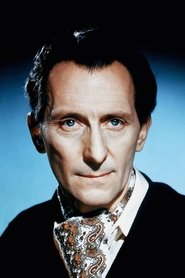 Peter CushingDoctor Van Helsing
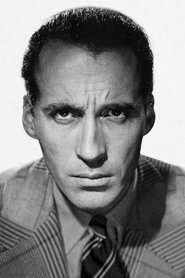 Christopher LeeCount Dracula
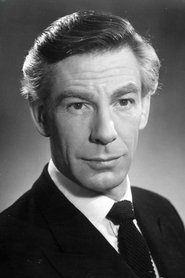 Michael GoughArthur Holmwood
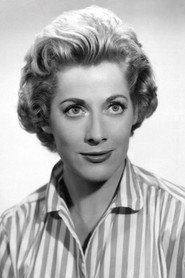 Melissa StriblingMina Holmwood
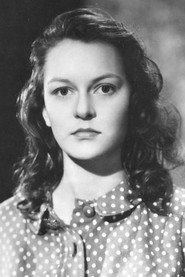 Carol MarshLucy Holmwood
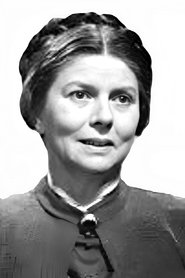 Olga DickieGerda
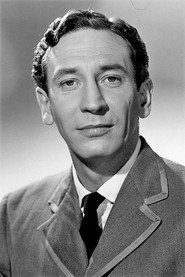 John Van EyssenJonathan Harker
 Valerie GauntVampire Woman
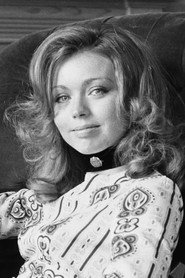 Janina FayeTania
 Barbara ArcherInga
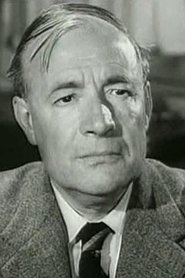 Charles Lloyd PackDoctor Seward
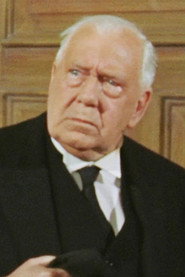 George MerrittPoliceman (uncredited)
Directing
- Terence FisherDirector
Writing
- Bram StokerNovel
- Jimmy SangsterScreenplay
Production
- Anthony Nelson KeysAssociate Producer
- Michael CarrerasExecutive Producer
- Anthony HindsProducer
Recommended by
Dracula, The Devil Rides Out, The Curse of Frankenstein, The Brides of Dracula, The Mummy, The Evil of Frankenstein, The Gorgon, The Revenge of Frankenstein, The Vampire Lovers, The Legend of the 7 Golden Vampires, Taste the Blood of Dracula, Dracula: Prince of Darkness, Frankenstein Must Be Destroyed