
Film
Nadja
Nadja is a 1995 indie vampire film that treats the undead as a fractured family dealing with grief and desire in modern New York. Shot through distorting lenses and steeped in melancholy, it's all mood and damage—less interested in scares than in the loneliness of wanting to connect across an impossible distance. For viewers who prefer atmosphere and emotional wreckage to plot.
Should you watch it?
Watch it if you like vampire stories bent into a restless, deadpan family drama, where the gothic is a mood to poke at rather than rules to obey.
Skip it if you need your horror to build dread and deliver scares; this is more interested in mood, talk and odd stylistic jolts, so the tension can feel thin.
What it asks of you: Around ninety minutes, with a lot of wandering conversation and deliberately jagged, self-aware images; it rewards patience more than close attention to plot.
Not sure? Find tonight's pick in a minute.
If you liked this
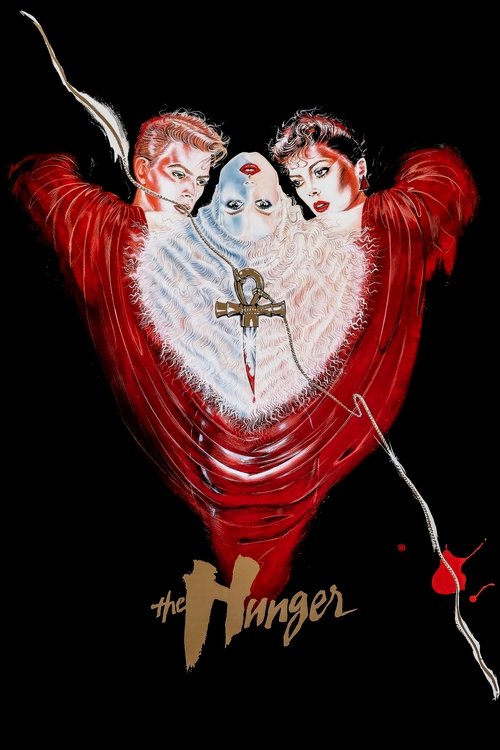
The Hunger1983
A stylish, sensual vampire film that treats immortality as isolating and erotic. It moves like Nadja—all feeling and aesthetic instead of narrative momentum. Catherine Deneuve and David Bowie are luminous.
But Sparse plot and slow pacing will feel glacial if you want propulsive horror. Some find it more art object than drama.
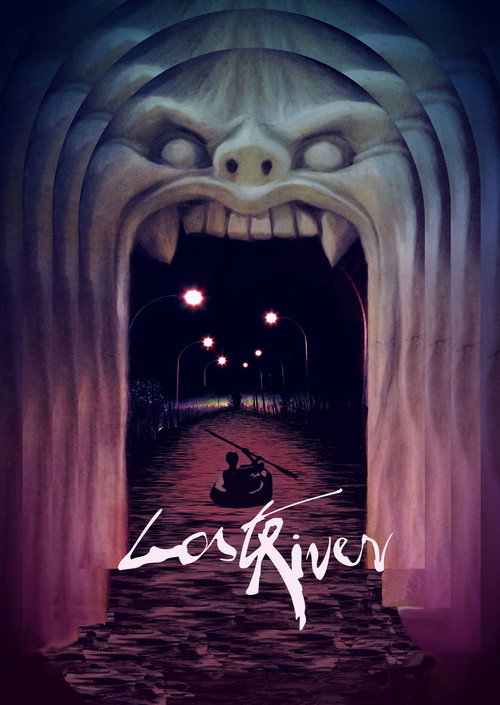
Lost River2015
Ryan Gosling's directorial debut channels similar melancholic strangeness—a rotting American town, damaged people, surreal beauty in decay. It has Nadja's dreamlike dread and refusal to perform conventional storytelling.
But Aggressively oblique and pretentious. The narrative thread snaps repeatedly. Not for viewers who need coherence.
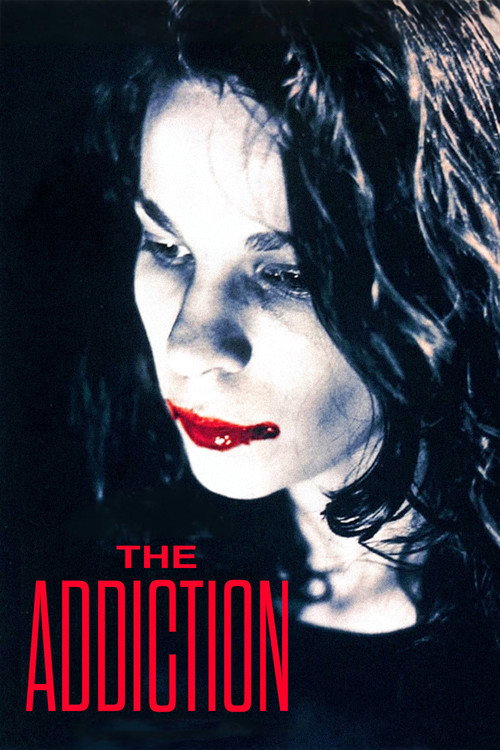
The Addiction1995
Abel Ferrara made this the same year as Nadja—a black-and-white indie vampire film about a philosophy student who becomes a vampire while studying evil. Dense, philosophical, urban, punctuated with philosophical rants about addiction and moral decay.
But Shot on grainy video, shot in black-and-white, often incomprehensible philosophizing. It's deliberately difficult and doesn't care if you follow it.
Not sure tonight? Get a pick in a minute, starting from Nadja
The wildcard
Something you would not have found on your own.
Possession1981
Both films use vampirism and supernatural horror as externalization of family damage and the impossibility of intimacy. Possession is Nadja's fever dream.
Andrzej Żuławski's apocalyptic nightmare about a marriage dissolving into literal monstrosity and body horror. Like Nadja, it's a portrait of intimate dysfunction expressed through the supernatural—but Possession is operatic, violent, and utterly unhinged. It suggests what happens when emotional damage stops metaphorical.
But Brutally difficult viewing. Graphic sexual imagery, graphic violence, surrealist logic that resists interpretation. The acting is deliberately histrionic. Most viewers find it punishing rather than rewarding.

More like this (8)
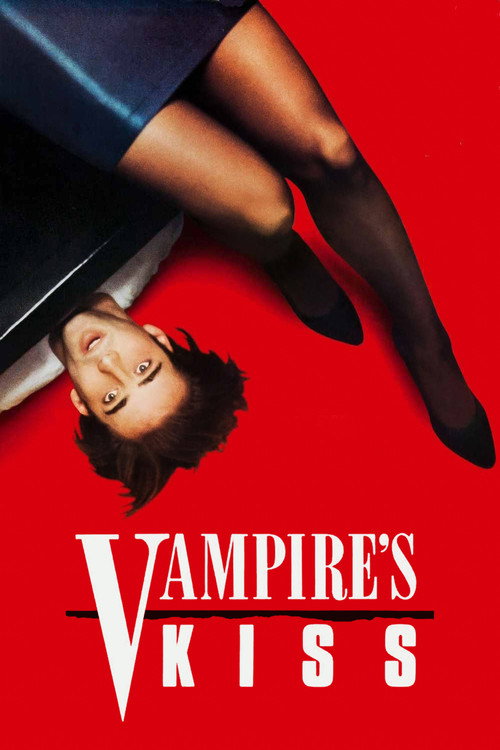
Vampire's Kiss1989
Nicolas Cage as a Manhattan executive who may or may not be becoming a vampire. Brilliantly weird, deeply unstable tonally, it captures the same sense of urban alienation and fractured identity. Genuinely unsettling.
But Extremely uncomfortable to watch. Cage's performance is abrasive and the film delights in your discomfort. Not fun, exactly.
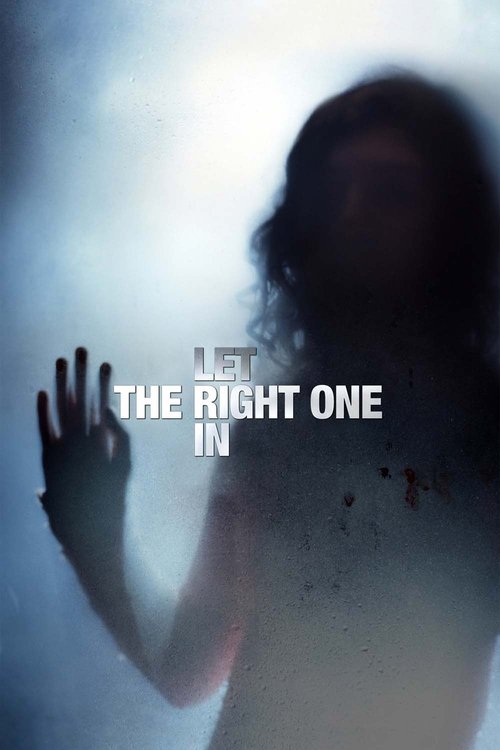
Let the Right One In2008
A vampire film about loneliness and connection between an isolated child and a young vampire. Tender, eerie, human despite the supernatural premise. Proves the genre can break your heart.
But Slow and deliberate. The violence, when it comes, is shocking. Some find it too sad to enjoy.
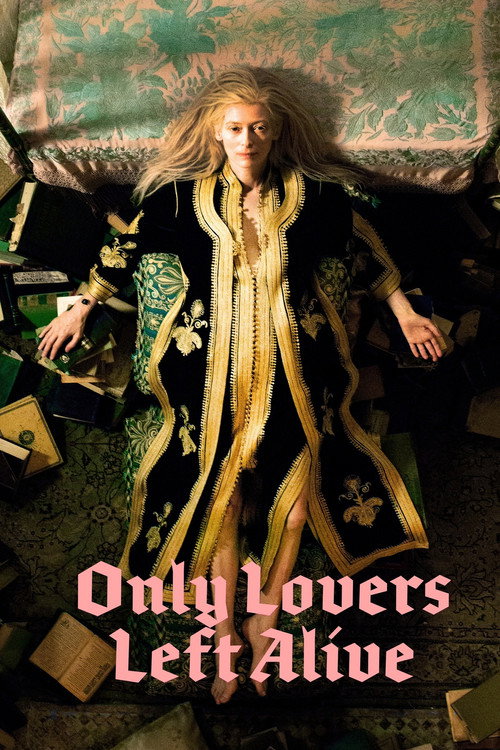
Only Lovers Left Alive2013
Jim Jarmusch's vampires are bored, cultured, in love, and exhausted by modernity. Shot like a tone poem about detachment and creative drought. If you loved Nadja's mood, this extends it luxuriously.
But Nearly plotless. Two hours of beautiful people in dark rooms talking about Detroit and music. Tests patience severely.
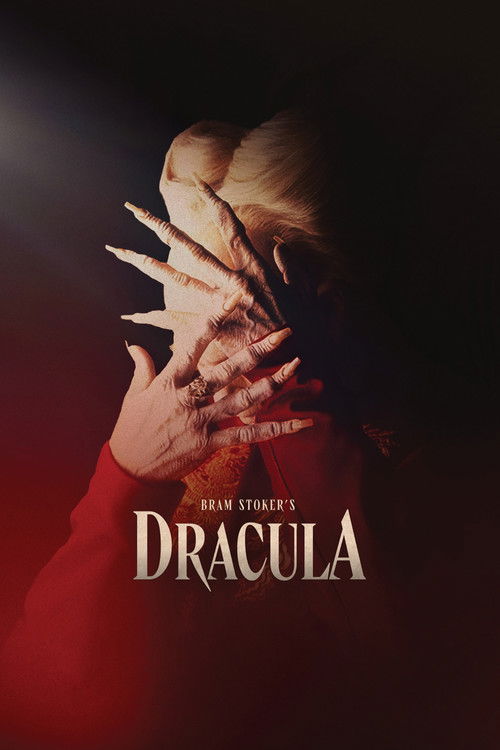
Bram Stoker's Dracula1992
Francis Ford Coppola's operatic, deliberately artificial vision of the novel—all red silk and shadows and overwrought passion. It's campy, gorgeous, and treats vampirism as romantic tragedy.
But The excess is exhausting. Keanu Reeves's accent is accidental comedy. Some find it silly rather than scary or moving.
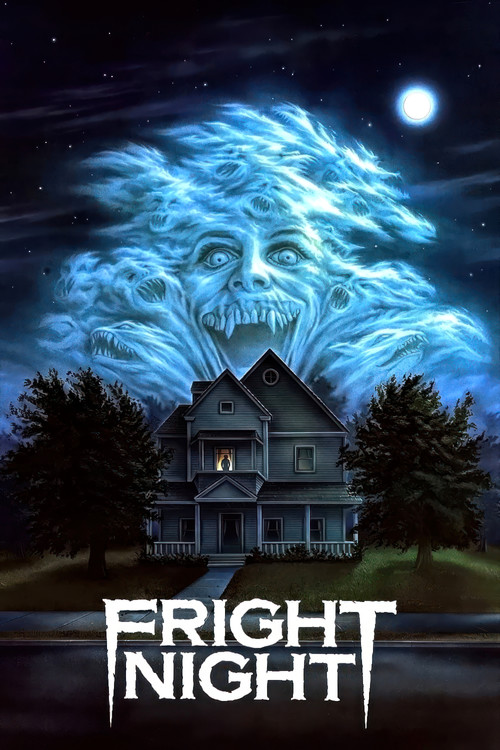
Fright Night1985
A genuinely fun vampire film about a teenager who discovers his new neighbor is a vampire. Smart, suspenseful, witty—it knows what genre it's playing in and executes it beautifully.
But Straightforward entertainment. If you want existential dread and artistic obscurity, this is too clear and too cheerful.
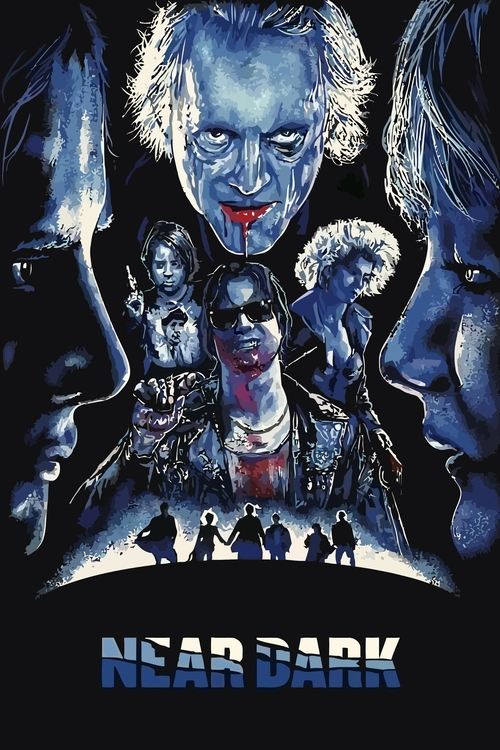
Near Dark1987
Kathryn Bigelow's vampire film is really a Western—a drifter joins a family of roaming vampires. Savage, sexual, about belonging to the wrong people. The trailer is a masterpiece.
But Genuinely violent and brutal. The family is monstrous, not sympathetic. Less interested in introspection than in action and blood.
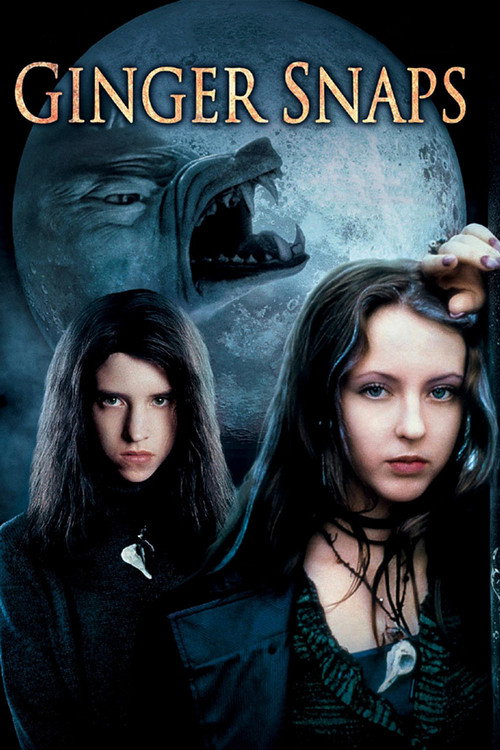
Ginger Snaps2000
Both films treat the supernatural as a metaphor for what happens inside families and relationships. Ginger Snaps literalizes that—a girl can't control what's happening to her body, just as Nadja can't control what she is. But it's far more accessible and actually kind of fun.
A teenage girl becomes a werewolf during puberty in suburban Canada. It's a horror-comedy about transformation, but it's also genuinely moving about female friendship and bodily autonomy. Darkly funny without undercutting its emotional stakes.
But Genre hybrid that doesn't fit neatly into either category. The comedy might undercut the horror, or vice versa, depending on your mood. Pretty uneven in tone.
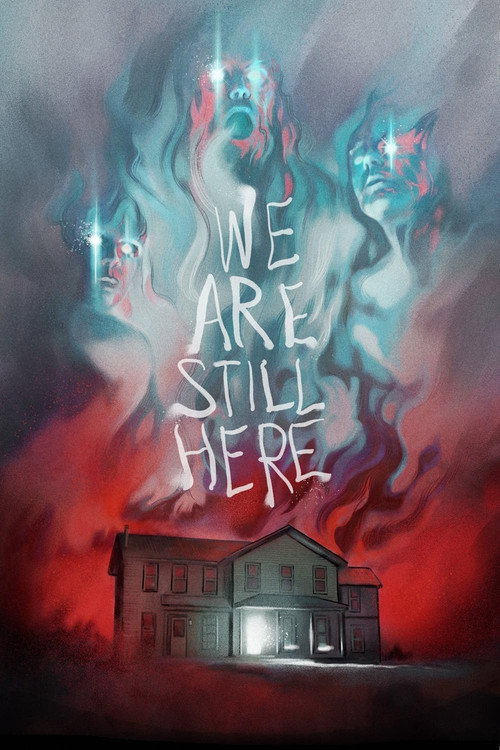
We Are Still Here2015
Both films use genre trappings to explore emotional damage—grief, loss, the inability to move forward. Where Nadja is fragmentary and dreamlike, We Are Still Here is controlled and precise. Same DNA, different execution.
A grieving couple moves into a house haunted by something angry. It's a slow-burn haunted-house film about grief taking supernatural form. Atmospheric, genuinely unsettling, and formally beautiful in a way that recalls Nadja's visual language—but much tighter and more purposeful.
But Quiet and creeping rather than shocking. The payoff is delayed. If you want conventional scares or plot momentum, you'll be bored for long stretches. The ending is bleak.
People
Cast
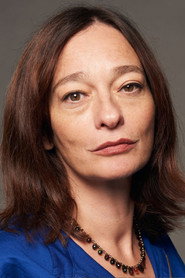 Elina LöwensohnNadja
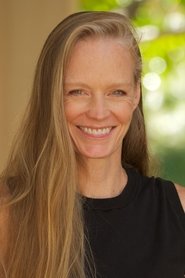 Suzy AmisCassandra
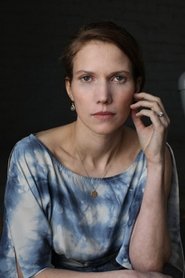 Galaxy CrazeLucy
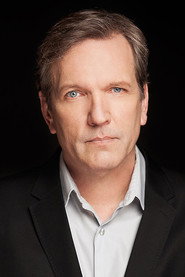
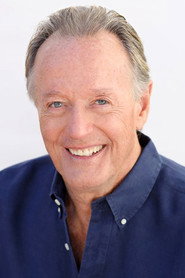 Peter FondaDracula / Dr. Van Helsing
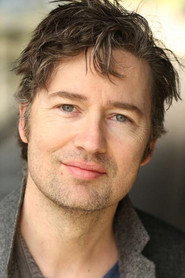 Karl GearyRenfield
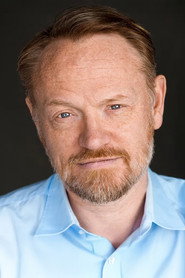 Jared HarrisEdgar
- Nic RatnerBar Victim
- Jack LotzBoxing Coach
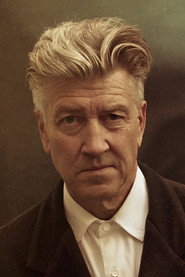 David LynchMorgue Receptionist
 Isabel GilliesWaitress
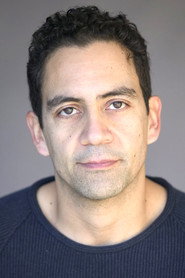 José ZúñigaBartender
Directing
- Michael AlmereydaDirector
- Dina WaxmanScript Supervisor
Writing
- Michael AlmereydaWriter
Production
- Andrew FierbergAssociate Producer
- Billy HopkinsCasting
- Kerry BardenCasting
- Suzanne Smith CrowleyCasting
- David LynchExecutive Producer
- Amy HobbyProducer
- Mary SweeneyProducer
- Ingrid BreyerProduction Manager