
Film
The Addiction
Abel Ferrara's 1995 vampire film is a black-and-white philosophical thriller about addiction, theology, and the monstrousness lurking within the civilised. Lili Taylor's doctoral student becomes undead and grapples with predation and damnation. It's bleak, cerebral, visually striking—for viewers who want their horror steeped in existential dread rather than scares.
Should you watch it?
Watch it if you like vampire stories treated as cold philosophy, where arguments about evil and guilt carry as much weight as the bloodshed, and you enjoy black-and-white austerity with sudden jolts of violence.
Skip it if you want a lush, action-driven vampire romp; this is talky, grainy and deliberately bleak, and its philosophising can feel more like a seminar than a scare.
What it asks of you: It runs about eighty-two minutes but feels denser, asking you to sit through long stretches of conversation and slow, shadowy mood before the horror breaks through.
Not sure? Find tonight's pick in a minute.
If you liked this
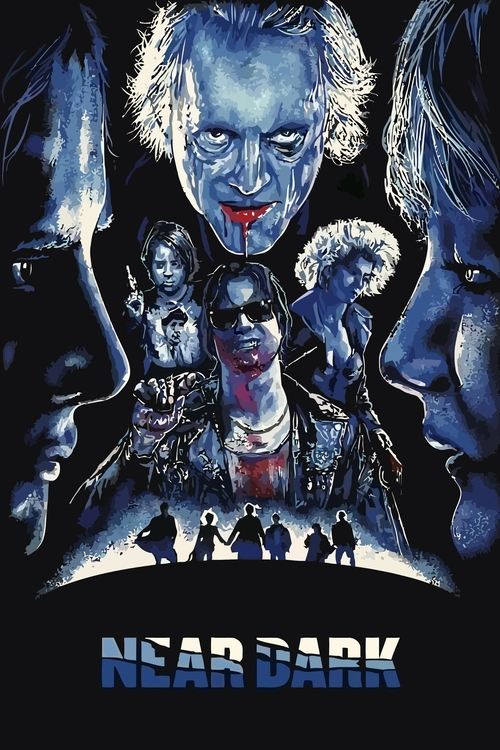
Near Dark1987
Kathryn Bigelow's vampire western treats bloodsucking as outlaw survival rather than seduction. Brutal, intimate, visually stunning—it finds the humanity in monsters without flinching from their monstrosity.
But The pacing is glacial and the violence occasionally gratuitous. Some scenes feel dated in their practical effects work.
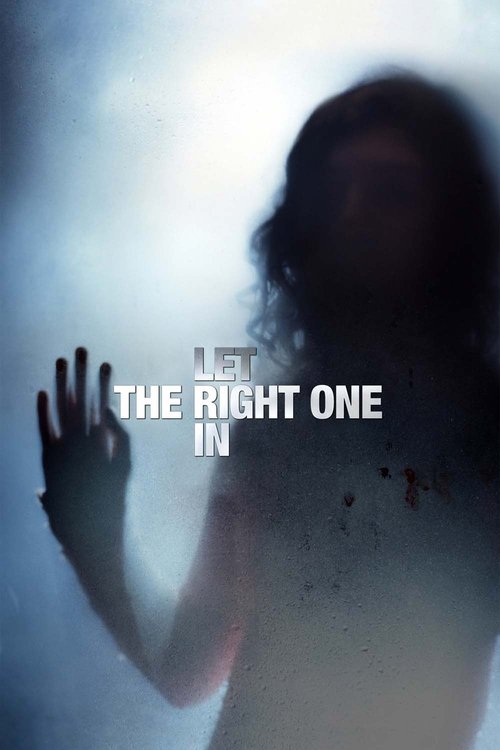
Let the Right One In2008
A Swedish masterpiece about a vampire child and the lonely boy who befriends her. Tender, horrifying, and morally ambiguous—it asks what we owe monsters and what they owe us in return.
But It moves slowly and the vampire mythology is understated rather than explained. Subtitles required for English speakers.
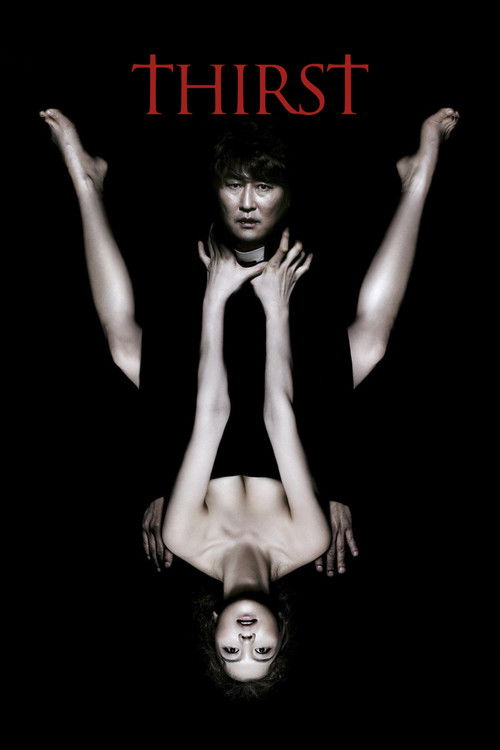
Thirst2009
Park Chan-wook's Korean vampire film is a sensual descent into addiction and corruption, with a priest-turned-vampire at its centre. Visually ravishing and thematically rich, exploring faith, desire, and moral collapse.
But Extremely graphic sex and violence throughout. The final act tests patience with its length and intensity.
Not sure tonight? Get a pick in a minute, starting from The Addiction
The wildcard
Something you would not have found on your own.
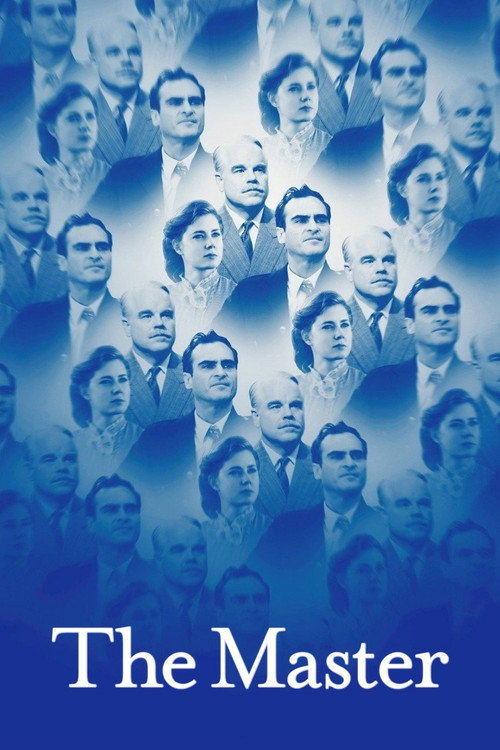
The Master2012
Both explore addiction as a philosophical problem rather than a plot device—the compulsion to surrender oneself to something larger, whether vampiric hunger or another person's doctrine.
Paul Thomas Anderson's portrait of spiritual corruption and charismatic manipulation. Joaquin Phoenix as a drifter drawn into a cult-like movement; the film is about addiction to ideology, to belonging, to another's influence. Formally brilliant.
But Three hours of ambiguous power dynamics with no clear resolution. If you need answers or moral clarity, you'll leave frustrated and possibly angry.
More like this (8)
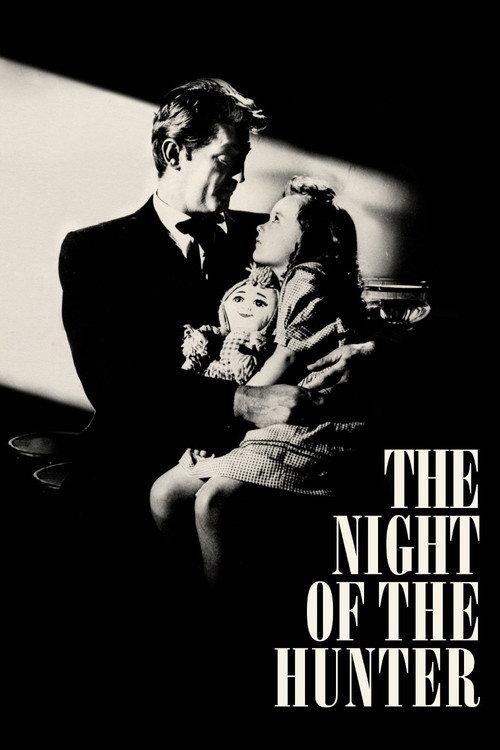
The Night of the Hunter1955
Charles Laughton's only directorial effort is a fever-dream of American Gothic—a hymn-singing killer hunts children for hidden money. Expressionist, poetic, genuinely unsettling in ways modern horror rarely achieves.
But The pacing is oblique and the tone shifts between whimsy and dread. It won't satisfy you if you want plot momentum.
Possession1981
Andrzej Żuławski's masterpiece of marital horror is visually grotesque and emotionally devastating—a marriage collapse rendered as supernatural chaos. Strange, experimental, unforgettable if it connects.
But Aggressively weird and narratively opaque. The practical effects are intentionally repugnant. You may hate it or be haunted by it.

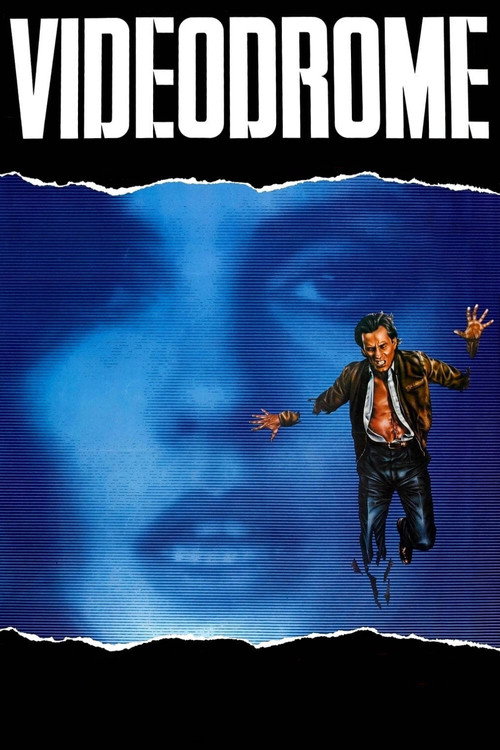
Videodrome1983
David Cronenberg's fever-dream about media, desire, and bodily horror. It's visceral science fiction wrapped in corporate dread—a hallucinogenic journey into the blurred line between image and reality.
But The body horror is nausea-inducing and the narrative deliberately incoherent. Requires active engagement and tolerance for discomfort.
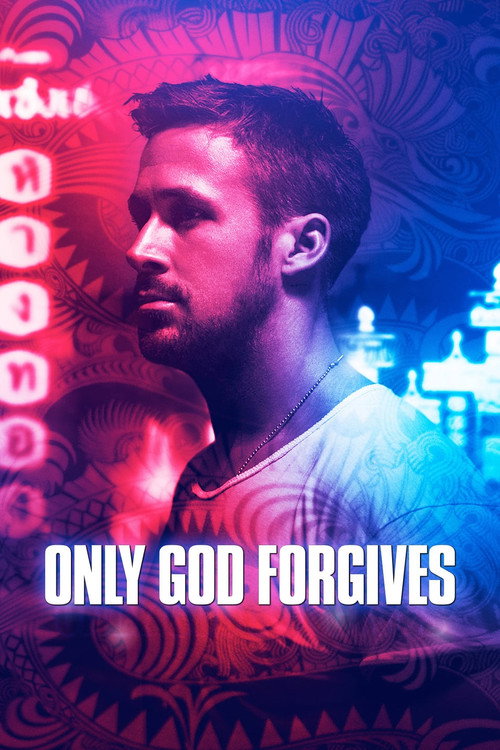
Only God Forgives2013
Nicolas Winding Refn's neon-lit Bangkok nightmare is hypnotic and claustrophobic—a slow-burn revenge film that prioritises mood and colour over plot. Stylistically dazzling, ethically bleak.
But Almost nothing happens; dialogue is sparse. If you need story momentum or cathartic endings, this will frustrate you.
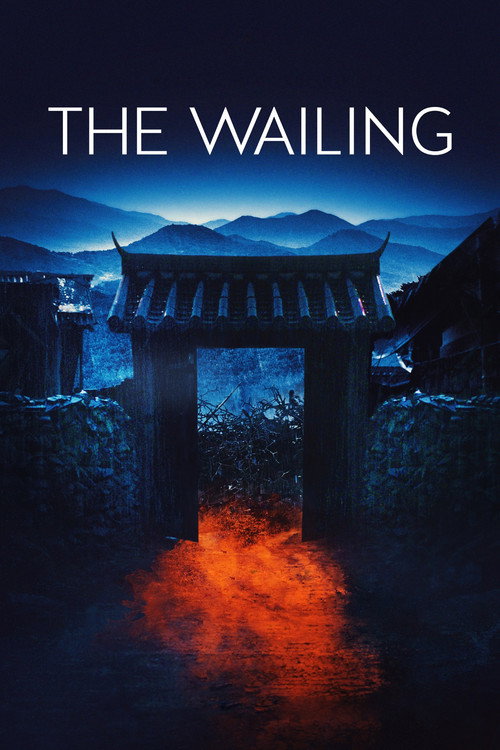
The Wailing2016
Na Hong-jin's South Korean horror-thriller spirals through faith, doubt, and moral certainty. A mysterious woman arrives in a village and everything—sanity, goodness, God—becomes questionable. Brilliantly assembled.
But It's nearly three hours and deliberately ambiguous about what's actually happening. The ending resolves nothing, which some viewers will find unsatisfying.
Suspiria1977
Dario Argento's witchcraft masterpiece is pure visual and sonic assault—a ballet school is a trap, and the film treats logic as optional. Hypnotic if you surrender to its dream-logic.
But The plot is threadbare and the dubbing is awkward. It relies entirely on atmosphere and style; traditional narrative coherence is absent.

Synecdoche, New York2008
Like The Addiction, it uses genre elements (horror-adjacent atmosphere) as a vehicle for examining philosophical despair—the self as an endlessly fracturing, inescapable maze.
Charlie Kaufman's debut is a recursive nightmare about art, mortality, and the impossibility of representation. A theatre director creates a life-size replica of New York inside a warehouse; reality collapses inward. Devastating and hallucinatory.
But Willfully confusing and emotionally exhausting. It moves between dream-logic and realism without warning. Many viewers find it pretentious or impenetrable.

Under the Skin2014
Both use vampire/predatory mythology as abstraction rather than narrative—the creature as concept exploring consumption, otherness, and the consumption of the female body.
Jonathan Glazer's alien-vampire film is nearly wordless, shot in documentary style, with Scarlett Johansson as a predatory creature in human form. It redefines what vampire cinema can be—cosmic, feminist, deeply strange. Haunting.
But Minimal plot, minimal dialogue, minimal explanation. Long stretches of ambiguous imagery. If you need narrative or character arcs, this will feel like punishment.

People
Cast
 Lili TaylorKathleen Conklin
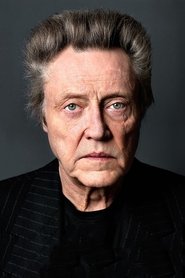 Christopher WalkenPeina
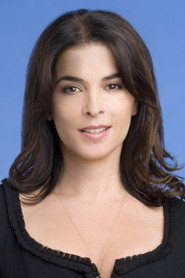 Annabella SciorraCasanova
 Edie FalcoJean
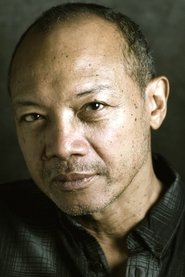 Paul CalderonProfessor
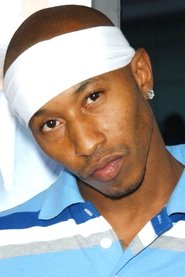 Fredro StarrBlack
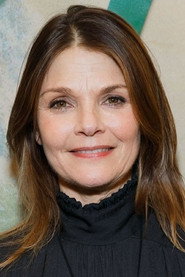 Kathryn ErbeAnthropology Student
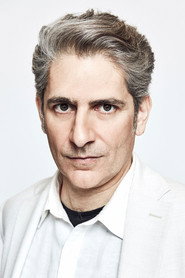 Michael ImperioliMissionary
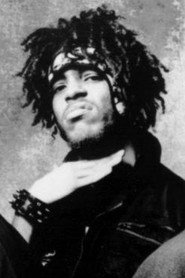 Jamal SimmonsBlack's Friend
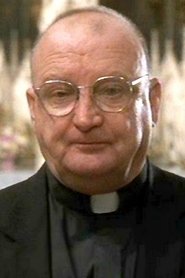 Robert W. CastleNarrator / Priest
- Louis KatzDoctor
Directing
- Abel FerraraDirector
Writing
- Nicholas St. JohnWriter
Production
- Antony BlinkenAssociate Producer
- Marla HansonAssociate Producer
- Preston L. HolmesExecutive Producer
- Russell SimmonsExecutive Producer
- Denis HannProducer
- Fernando SulichinProducer
Recommended by
Fright Night, Naked Lunch, The Hunger, Cronos, The Lair of the White Worm, Subspecies, Nadja, Dracula 2000, Habit, Saansein: The Last Breath