
Film
Thirst
Other titles called Thirst: the 1979 film.
- Horror
- Very dark
Park Chan-wook's Thirst is a vampire film that treats the genre as tragedy rather than spectacle. A priest returns from the dead with an insatiable hunger, and the film unfolds as his slow moral collapse—part theological crisis, part erotic obsession, entirely mesmerizing. It's for viewers who want horror that asks difficult questions and isn't afraid of ugliness.
Should you watch it?
Watch it if you like moral knots pulled tight with black comedy, where a devout man's appetites are staged with the precision and visual flair of a director who treats every frame as a painting.
Skip it if you need your horror fast and clean, since this one lingers over its slower passages and its gore and sexual candour are unsparing.
What it asks of you: Just over two hours, with a measured, deliberate opening that builds steadily into something wilder; it asks for patience before it lets its appetites off the leash.
Not sure? Find tonight's pick in a minute.
If you liked this
The Wailing2016
A labyrinthine mystery about faith, doubt, and whether evil is knowable. Like Thirst, it builds dread through ambiguity and refuses easy answers about morality and belief.
But Nearly three hours of mounting paranoia that deliberately obscures what's true. Some viewers find the narrative structure exhausting rather than hypnotic.

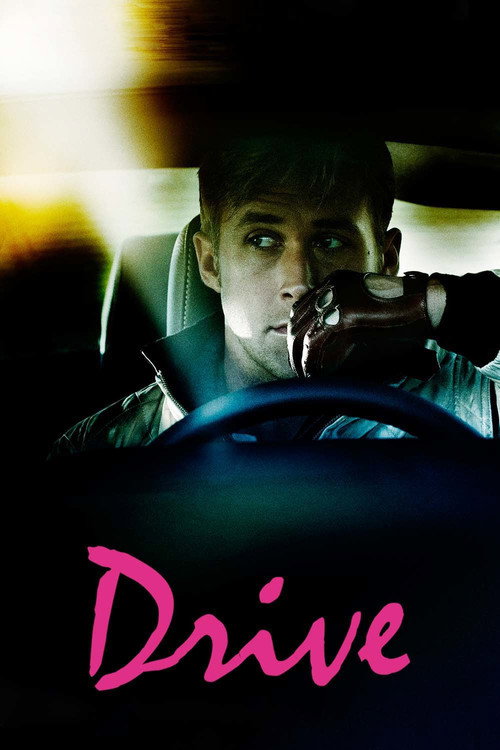
Drive2011
A quiet man torn between compassion and violence, told through long silences and sudden brutality. Both films use restraint and precision to make transgression feel inevitable and intimate.
But Spare storytelling that asks you to sit with discomfort. If you need constant plot momentum, you'll find it frustratingly slow.
Mulholland Drive2001
A descent into fantasy and self-deception that mirrors Thirst's exploration of desire consuming reason. Both seduce you into complicity with their protagonists' delusions.
But Deliberately fragmented and reopened. The puzzle isn't solvable, which infuriates some viewers and fascinates others.

Not sure tonight? Get a pick in a minute, starting from Thirst
The wildcard
Something you would not have found on your own.
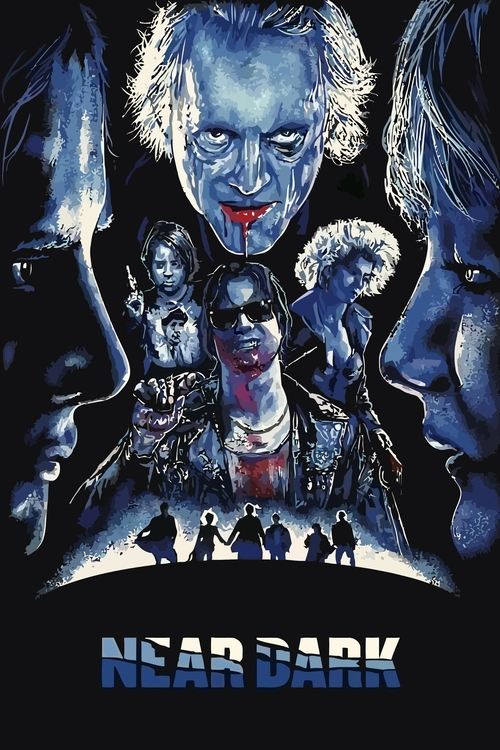
Near Dark1987
Both films refuse to make vampirism transcendent or seductive. They're interested in the hunger as a curse that isolates rather than elevates.
Kathryn Bigelow's vampire western treats the undead as a predatory family unit. Like Thirst, it's interested in the emotional cost of immortality and appetite, not the fantasy of it.
But 1980s action pacing and effects. The vampires aren't elegant; they're feral and mundane, which some find less romantic than horrifying.
More like this (8)
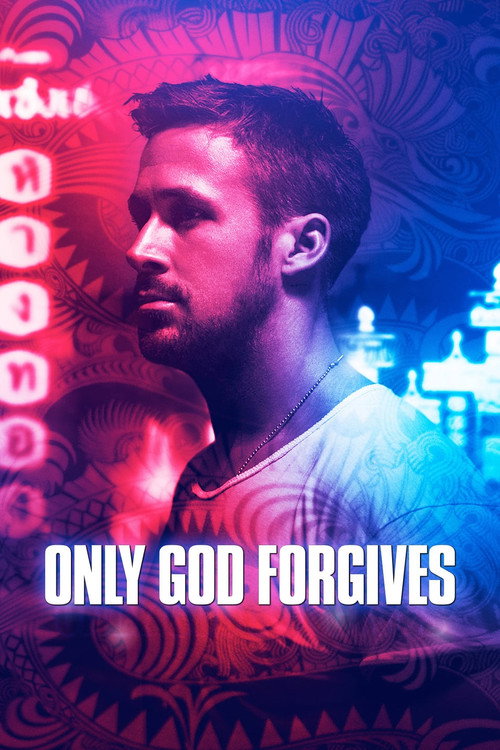
Only God Forgives2013
Another meditation on sin and retribution filtered through rage and eros. The visual language is hypnotic, the morality murky, the protagonist's hunger never quite sated.
But Revenge as penance, not catharsis. It's austere and punishing, which matches its themes but won't feel like a release.
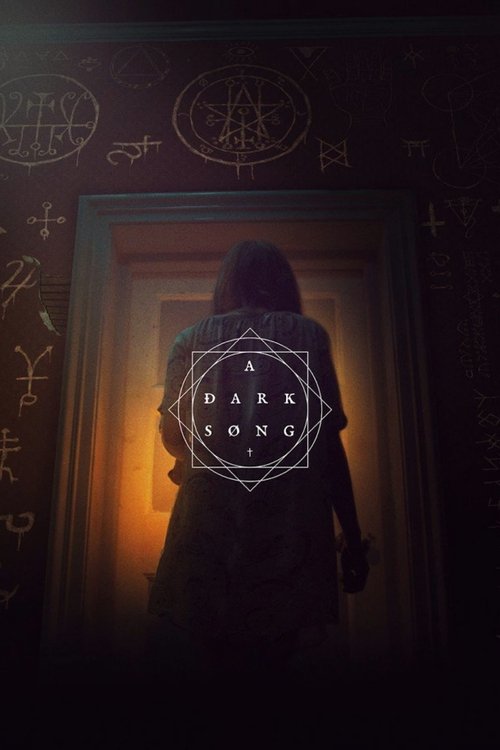
A Dark Song2016
A woman and a priest bound together in a ritual that demands sacrifice and faith. It shares Thirst's interest in spirituality as something that breaks rather than saves you.
But Slow-burn supernatural drama with minimal dialogue. Patience with dread is essential; if you want answers quickly, this will frustrate you.
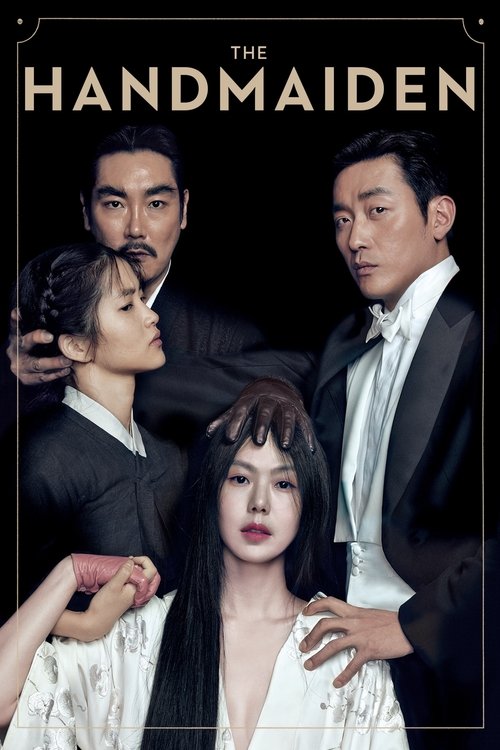
The Handmaiden2016
Park Chan-wook's baroque thriller about desire and deception. Gorgeous, intricate, and morally murky—it shares Thirst's belief that pleasure and corruption are inseparable.
But Requires active attention and rewards repeat viewing. The plot is deliberately labyrinthine, and some resent the complexity as showiness.
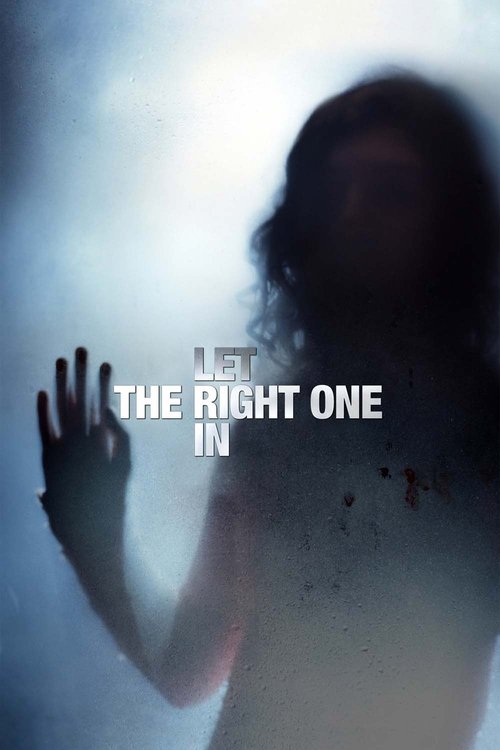
Let the Right One In2008
A vampire film about need and survival disguised as a love story. Both films ask what monstrousness costs the monster, not just the consumed.
But Spare, bleak, and more interested in character than spectacle. It moves quietly, which some find devastating and others find slow.
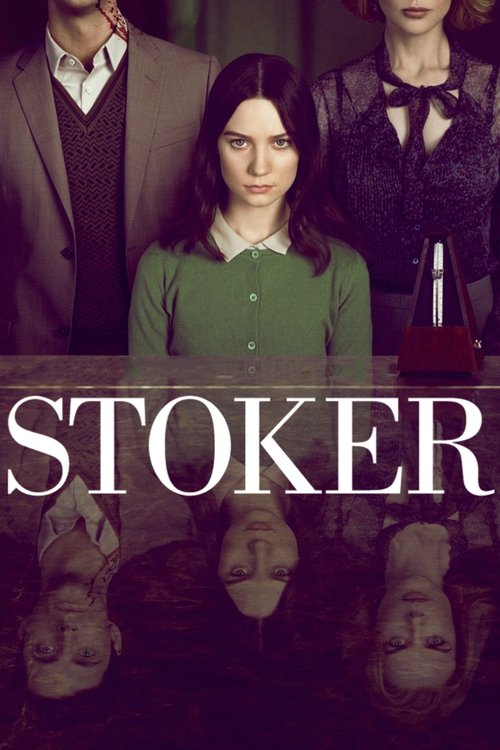
Stoker2013
A young woman's desire awakens through transgression and violence. Visually baroque, morally treacherous, it tracks the same seduction into complicity as Thirst.
But Relies heavily on visual suggestion over explanation. If you prefer clarity, the symbolic density will feel obscure.
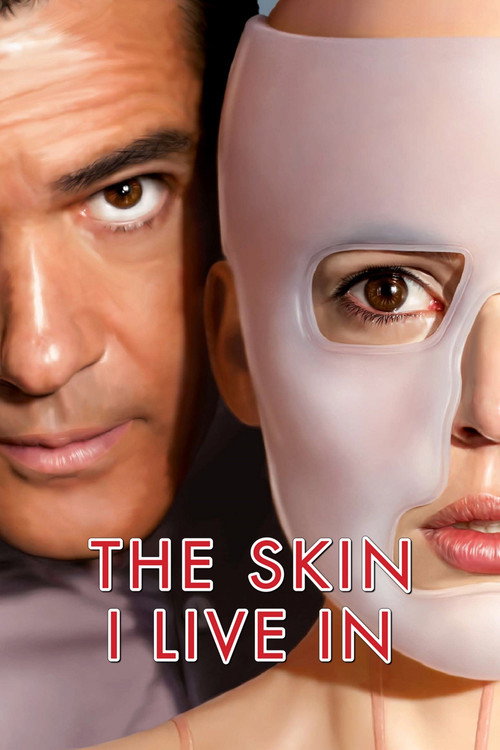
The Skin I Live In2011
A surgeon's obsession becomes a prison. Both films examine how the desire to preserve or perfect something beautiful can curdle into monstrosity.
But The third act asks you to recalibrate your sympathy in uncomfortable ways. Some viewers find that pivot manipulative.
Stalker1979
Both explore faith as a wound rather than a comfort, and both move through their narratives like rituals—slow, repetitive, hypnotic.
Tarkovsky's metaphysical mystery about desire, faith, and whether fulfillment is possible. A priest, a guide, and a stranger move through a forbidden zone asking spiritual questions with no answers.
But 163 minutes of deliberate pacing. Long takes, philosophical dialogue, minimal plot. If you need momentum, this is torture.

Possession1981
Both films treat bodily desire and spiritual crisis as the same crisis. Both believe eroticism and transgression are inseparable from the sacred.
Andrzej Żuławski's hallucinatory portrait of a marriage dissolving into obsession and bodily horror. Fever-dream intensity and sexual transgression as theological crisis.
But Visually chaotic, narratively fractured, sexually explicit, and deeply unpleasant. Brilliance doesn't make it comfortable to watch.

People
Cast
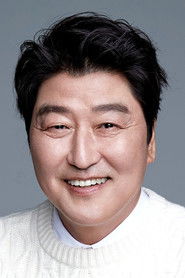 Song Kang-hoPriest Sang-hyeon
 Kim Ok-vinTae-ju
 Kim Hae-sookLady Ra
 Shin Ha-kyunKang-woo
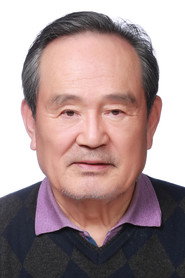 Park In-hwanPriest Noh
 Song Young-changSeung-dae
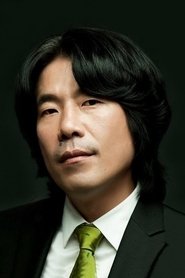 Oh Dal-suYeong-doo
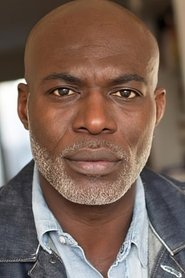 Ériq EbouaneyImmanuel
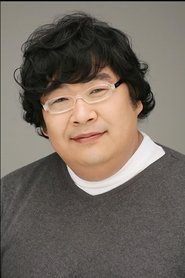 Seo Dong-sooHyo-seong
 Choi Hee-jinNurse Sa
 Ra Mi-ranNurse Yu
 Lee Hwa-ryongDoctor Koo
Directing
- Seok Min-uAssistant Director
- Park Chan-wookDirector
- Choi Jeong-eunScript Supervisor
- Kwon Seung-kooSecond Unit Director
Writing
- Émile ZolaNovel
- Chung Seo-kyungScreenplay
- Park Chan-wookScreenplay
Production
- Heo Eun-silAccountant
- Kim Seong-minAssistant Production Manager
- Kabe ParkExecutive Producer
- Miky LeeExecutive Producer
- Simon LeeExecutive Producer
- Park Jae-minExtras Casting
- Jason ByeunLine Producer
- Kim Sung-minLine Producer
- Philip KangLine Producer
- Rick MoonLine Producer
- Yoon Yo-hanLocation Assistant
- Ashley McLeodLocation Manager
- Ahn Soo-hyunProducer
- Bob SeoProducer
- Choi Joon-hwanProducer
- Katharine KimProducer
- Kim Hak-beomProducer
- Nam Ki-moonProducer
- Park Chan-wookProducer
- Lee Myung-heeProduction Manager
- Lee So-heeProduction Manager
- Mo Il-youngProduction Manager
- Song Myeong-sooProduction Manager
- Choi Moon-seokProduction Supervisor
- Kim Eui-sungProduction Supervisor
Recommended by
Let the Right One In, Byzantium, Death in Venice, Jean de Florette, The Hunger, Queen of the Damned, A Girl Walks Home Alone at Night, The Addiction, Trauma, In the Fog, Subspecies, Kill It, The Passenger, The Slingshot, The Holy Girl, Heroine, White Material, Female Vampire, Dracula 2000, Spiral