
Film
White Material
Claire Denis's austere study of stubbornness and collapse in a crumbling African state. Isabelle Huppert is magnetic as a French plantation owner who won't leave, even as civil war tightens around her. Formally rigorous, morally unsparing, and lit by a kind of feverish desperation. For viewers who want cinema to unsettle them.
Should you watch it?
Watch it if you are drawn to stubborn, unsentimental portraits of a single woman's will, where the political chaos stays at the edges and the tension builds through character rather than action set pieces.
Skip it if you want the civil war explained or dramatised clearly; the film stays close to Maria's blinkered view, so the wider conflict can feel hazy and the pacing deliberately withholding.
What it asks of you: Over about 106 minutes it asks you to sit with a restless, handheld and often disorienting camera, to piece events together yourself, and to stay with a bleak situation that refuses easy consolation.
Not sure? Find tonight's pick in a minute.
If you liked this
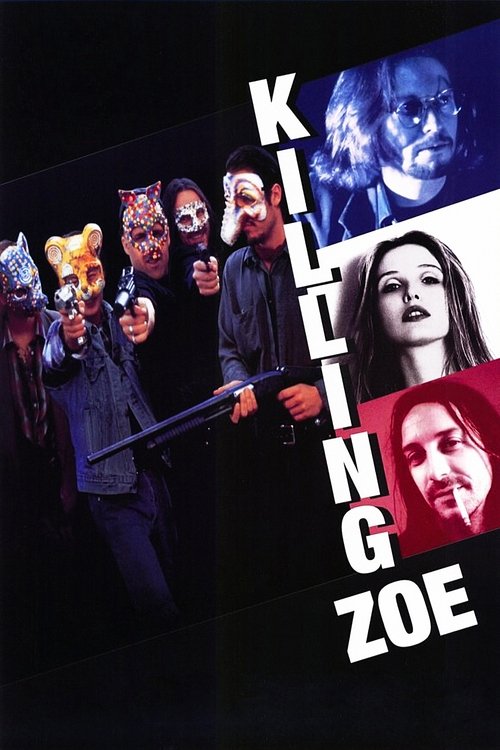
Killing Zoe1993
Another Denis film about Westerners caught in spiralling violence they can't control. Her signature style—cool surfaces masking psychological chaos—is already in full force here, in a tense Paris bank robbery gone wrong.
But It's more of a genre exercise than White Material. Some find it dated; the 90s indie sensibility won't speak to everyone looking for something grittier.
A Prophet2009
Veiled brutality in a confined space where power shifts in terrible increments. Jacques Audiard captures how systems crush and remake people, with the same sense that civilization is thin and fragile that White Material radiates.
But Prison drama can feel predictable. Some scenes of violence are difficult; not everyone wants to sit with that discomfort for two hours.

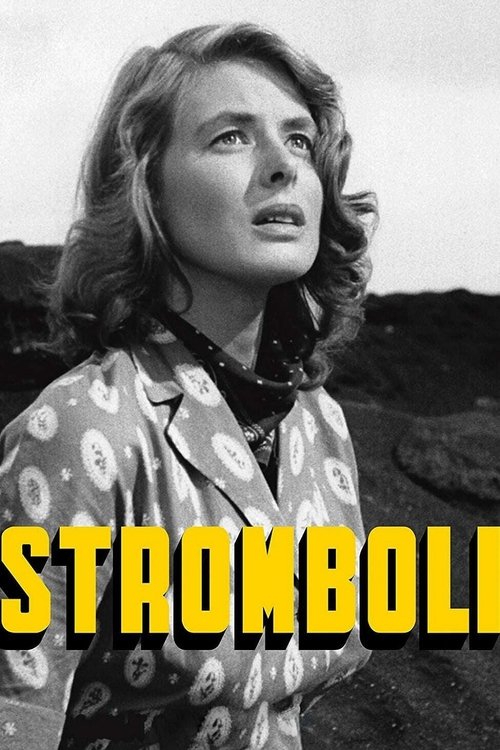
Stromboli1950
Rossellini's film about a woman refusing to leave an island that rejects her. Like Maria, she's caught between stubbornness and reality, fighting a landscape and a society that won't bend. Devastatingly quiet.
But It moves at a pace designed to test patience. Post-war Italian neorealism isn't for viewers wanting plot propulsion.
Not sure tonight? Get a pick in a minute, starting from White Material
The wildcard
Something you would not have found on your own.
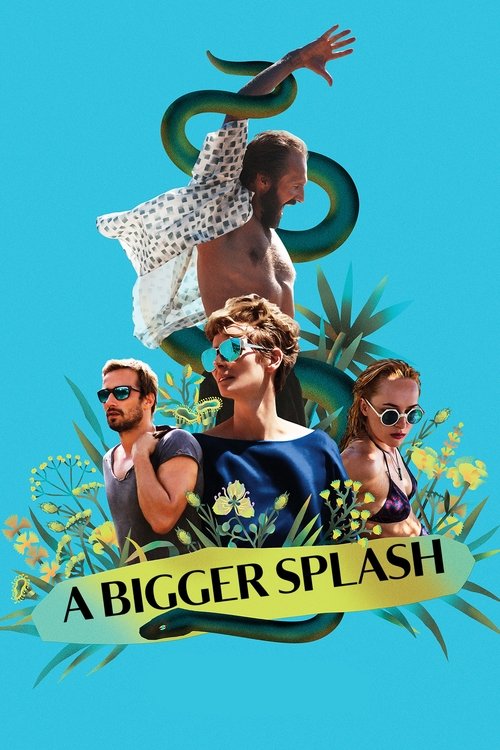
A Bigger Splash2015
Both explore how outsiders (and the idea of outsiders) corrode social structures. Maria won't leave her plantation; in A Bigger Splash, the characters can't shed the gorgeous man who arrives. Both films ask what happens when someone refuses to accept their role in a system collapsing.
Luca Guadagnino remakes a Jacques Rivette film with Ralph Fiennes as a charismatic interloper who destabilizes a perfect friendship. It's about how colonial-style manipulation works between intimates, and how a stranger's arrival can expose the cracks already there. Hypnotic and unsettling.
But Very of the moment stylistically—those silences, that color palette. Some find Guadagnino's approach more beautiful than actually moving. The film is also sexually charged in ways that can overshadow the psychological drama for some viewers.
More like this (8)
The Battle of Algiers1966
The definitive film about colonial violence and nationalist uprising, told with documentary clarity and formal brilliance. It asks the same questions White Material does about belonging and complicity, but from a different angle.
But It's polemical, deliberately so. Some object to its framing of violence; others find the black-and-white cinematography and editing style coldly paced.

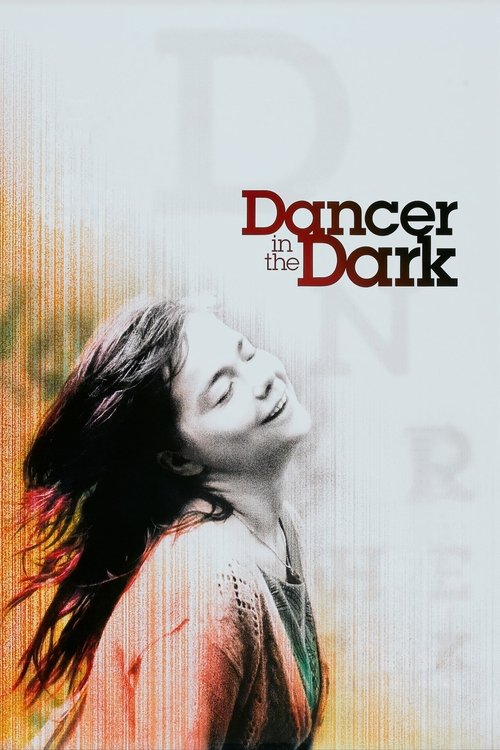
Dancer in the Dark2000
Björk as a woman losing everything she clings to. Von Trier's film has the same fatalistic pull as White Material—the sense that some people can't escape their circumstance, no matter how hard they grasp.
But It's punishing by design. The ending is devastating in a way that feels deliberately cruel. Not a film that offers mercy or catharsis.
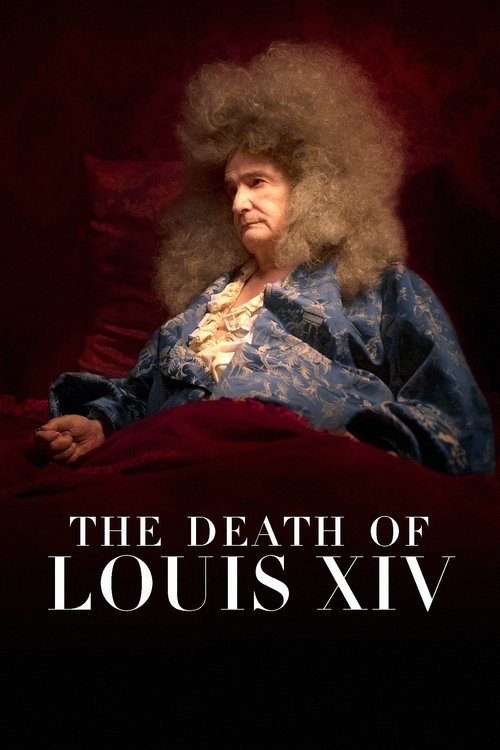
The Death of Louis XIV2016
Lepage's spare, luminous chamber piece about a man watching his power dissolve. It shares White Material's formal rigor and fascination with authority collapsing in real time, though in an intimate rather than epic register.
But Essentially a 90-minute meditation on dying and immobility. Requires comfort with glacial pacing and minimal incident.
Winter Light1963
Bergman on faith, duty, and the impossibility of connection. Like White Material, it finds tragedy not in grand events but in the slow retreat of hope and the paralysis that follows loss.
But It's bleak in a metaphysical way. Some will find it punishingly austere; others won't click with Bergman's style of spiritual interrogation.

The Ascent1977
Tarkovksy's two Soviet soldiers lost in a winter landscape. Formally hypnotic, it has White Material's sense of inexorable fate and the way landscape becomes moral pressure on the body.
But Nearly three hours of slow, symbolic wandering. Tarkovsky's repetitive, meditative approach demands total surrender; it won't work if you're distracted.

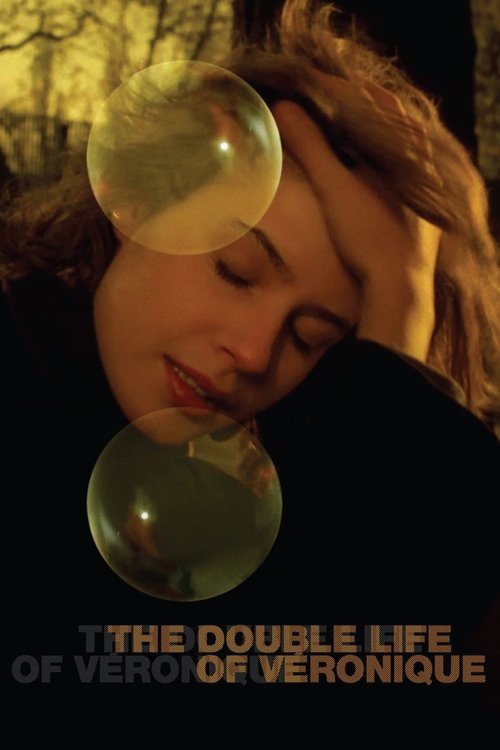
The Double Life of Véronique1991
Kieślowski's elliptical film about parallel lives and the fragility of identity. Visually sumptuous where White Material is austere, but shares its sense of watching someone slip between worlds and selves.
But Deliberately cryptic and poetic. It resists plot clarity and straightforward meaning; some viewers hate that ambiguity.
Come and See1985
Like White Material, it refuses to aestheticize collapse or offer the consolation of narrative meaning. Both films are about watching someone die slowly while still technically alive, trapped in a system consuming itself.
Elem Klimov's Soviet film about a boy conscripted into WWII. It's the most harrowing film about the collision between innocence and systemic violence ever made. Not a spectacle—it's about the internal death of a person watching their world annihilate itself.
But Genuinely traumatic to watch. This is not hyperbole. It's sustained, unflinching documentation of violence as soul-death. Some viewers will find it exploitative; almost everyone finds it extremely difficult.

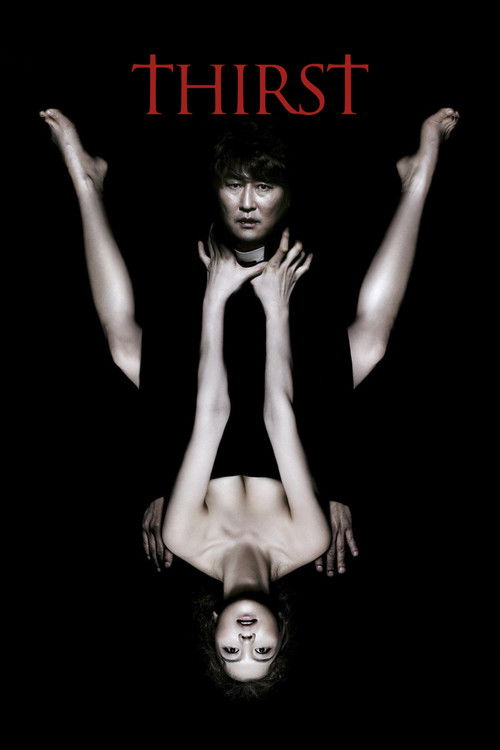
Thirst2009
Both White Material and Thirst are about characters who refuse to leave situations that are consuming them, and about the strange seduction of staying in a place that's killing you. Both ask: what does it mean to remain? What is refusal a form of?
Park Chan-wook's film about a priest who becomes a vampire, made entirely in South Korea with no Western frame of reference. It's a genre film that's also a moral inquiry—about desire, complicity, and the violence of wanting to stay alive. Visually rapturous and deeply sick.
But It's a vampire film, but not a thrilling one—more a philosophical inquiry into corruption. Long stretches of baroque psychodrama. The sex scenes are graphic; the violence is baroque. Not mainstream viewing.
People
Cast
 Isabelle HuppertMaria Vial
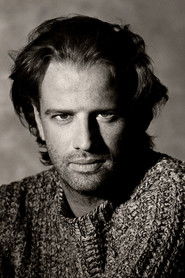 Christopher LambertAndré Vial
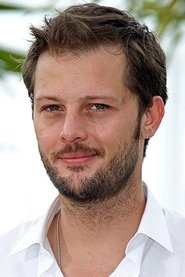 Nicolas DuvauchelleManuel Vial
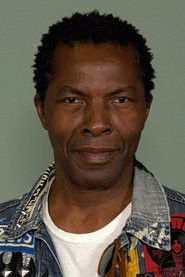 Isaach de BankoléBoxer
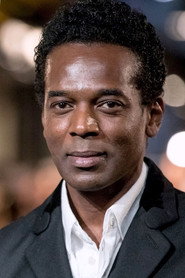 William NadylamChérif
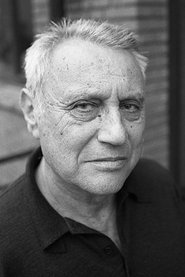 Michel SuborHenri Vial
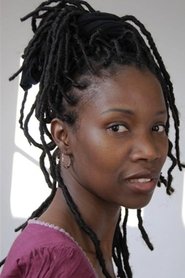 Adèle AdoLucie
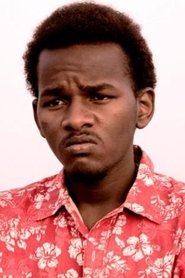 Ali BarkaiJeep

Directing
- Lucie BorleteauAssistant Director
- Claire DenisDirector
- Jean-Paul AllegreFirst Assistant Director
- Zoé ZurstrassenScript Supervisor
- Ana Laura MinettiSecond Assistant Director
- Gervais Djimeli LekpaThird Assistant Director
Writing
- Lucie BorleteauCo-Writer
- Claire DenisScreenplay
- Marie N'DiayeScreenplay
Production
- Laurent BerthouAdministration
- Antoine CarrardCasting
- Narcisse MbargaCasting
- Nicolas LublinCasting
- Richard RousseauCasting
- Serge HayatCo-Producer
- Bassek Ba KobhioExecutive Producer
- Martine CassinelliExecutive Producer
- Pascal CaucheteuxProducer
- Albert BlasiusProduction Manager
- Isabelle TillouProduction Manager
- Thibault MatteiProduction Supervisor